

简介
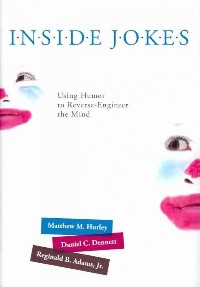
Some things are funny—jokes, puns, sitcoms, Charlie Chaplin, The Far Side, Malvolio with his yellow garters crossed—but why? Why does humor exist in the first place? Why do we spend so much of our time passing on amusing anecdotes, making wisecracks, watching The Simpsons? In Inside Jokes, Matthew Hurley, Daniel Dennett, and Reginald Adams offer an evolutionary and cognitive perspective. Humor, they propose, evolved out of a computational problem that arose when our long-ago ancestors were furnished with open-ended thinking. Mother Nature—aka natural selection—cannot just order the brain to find and fix all our time-pressured misleaps and near-misses. She has to bribe the brain with pleasure. So we find them funny. This wired-in source of pleasure has been tickled relentlessly by humorists over the centuries, and we have become addicted to the endogenous mind candy that is humor.
Hurley, Dennett, and Adams describe the evolutionary reasons for humor and for laughter. They examine why humor is pleasurable and desirable, often sharable, surprising, playful, nonsensical, and insightful. They give an "inside," mechanistic account of the cognitive and emotional apparatus that provides the humor experience, and they use it to explain the wide variety of things that are found to be humorous. They also provide a preliminary sketch of an emotional and computational model of humor, arguing that (Star Trek's Data to the contrary) any truly intelligent computational agent could not be engineered without humor.
目录
Preface p. ix
Introduction p. 1
What Is Humor For? p. 9
The Phenomenology of Humor p. 15
Humor as a Property of Objects or Events p. 16
Duchenne Laughter p. 19
The Systematic Ineffability of Humor p. 24
Funny-Ha-Ha and Funny-Huh p. 27
The Knowledge-Relativity of Humor p. 31
Mating and Dating p. 34
A Brief History of Humor Theories p. 37
Biological Theories p. 37
Play Theories p. 38
Superiority Theories p. 40
Release Theories p. 44
Incongruity and Incongruity-Resolution Theories p. 45
Surprise Theories p. 53
Bergson's Mechanical Humor Theory p. 54
Twenty Questions for a Cognitive and Evolutionary Theory of Humor p. 57
Emotion and Computation p. 61
Finding the Funny Bone p. 61
Does Logic or Emotion Organize Our Brains? p. 63
Emotions p. 67
The Rationality of Emotions p. 73
The Irrationality of Emotions p. 80
Emotional Algorithms p. 83
A Few Implications p. 89
A Mind That Can Sustain Humor p. 93
Fast Thinking: The Costs and Benefits of Quick-Wittedness p. 93
The Construction of Mental Spaces p. 95
Active Beliefs p. 104
Epistemic Caution and Commitment p. 109
Conflict; and Resolution p. 112
Humor and Mirth p. 117
The Contamination of Mental Spaces p. 117
Mirth among the Epistemic Emotions: The Microdynamics p. 122
Rewards for a Dirty Job Well Done p. 127
么Getting It枚: Basic Humor in Slow Motion p. 130
Interfering Emotions p. 139
Higher-Order Humor p. 143
The Intentional Stance p. 143
The Difference between the First Person and the Third Person p. 148
Anthropomorphism and Anthropocentrism p. 155
Intentional Stance Jokes p. 157
Objections Considered p. 177
Falsifiability p. 177
Epistemic Undecidability p. 182
Apparent Counterexamples p. 187
A Brief Glance at Others' Models p. 201
Graeme Ritchie's Five Questions p. 208
The Penumbra: Nonjokes, Bad Jokes, and Near-Humor p. 213
Knowledge-Relativity p. 214
Scale of Intensity p. 216
Boundary Cases p. 220
Wit and Other Related Phenomena p. 246
Huron on the Manipulation of Expectations p. 250
But Why Do We Laugh? p. 257
Laughter as Communication p. 257
Co-opting Humor and Laughter p. 264
The Art of Comedy p. 270
Comedy (and Tragedy) in Literature p. 278
Humor That Heals p. 283
The Punch Line p. 287
Twenty Questions Answered p. 289
Could We Make a Robot with a Sense of Humor? p. 296
Epilogue p. 301
References p. 305
Index p. 329
Introduction p. 1
What Is Humor For? p. 9
The Phenomenology of Humor p. 15
Humor as a Property of Objects or Events p. 16
Duchenne Laughter p. 19
The Systematic Ineffability of Humor p. 24
Funny-Ha-Ha and Funny-Huh p. 27
The Knowledge-Relativity of Humor p. 31
Mating and Dating p. 34
A Brief History of Humor Theories p. 37
Biological Theories p. 37
Play Theories p. 38
Superiority Theories p. 40
Release Theories p. 44
Incongruity and Incongruity-Resolution Theories p. 45
Surprise Theories p. 53
Bergson's Mechanical Humor Theory p. 54
Twenty Questions for a Cognitive and Evolutionary Theory of Humor p. 57
Emotion and Computation p. 61
Finding the Funny Bone p. 61
Does Logic or Emotion Organize Our Brains? p. 63
Emotions p. 67
The Rationality of Emotions p. 73
The Irrationality of Emotions p. 80
Emotional Algorithms p. 83
A Few Implications p. 89
A Mind That Can Sustain Humor p. 93
Fast Thinking: The Costs and Benefits of Quick-Wittedness p. 93
The Construction of Mental Spaces p. 95
Active Beliefs p. 104
Epistemic Caution and Commitment p. 109
Conflict; and Resolution p. 112
Humor and Mirth p. 117
The Contamination of Mental Spaces p. 117
Mirth among the Epistemic Emotions: The Microdynamics p. 122
Rewards for a Dirty Job Well Done p. 127
么Getting It枚: Basic Humor in Slow Motion p. 130
Interfering Emotions p. 139
Higher-Order Humor p. 143
The Intentional Stance p. 143
The Difference between the First Person and the Third Person p. 148
Anthropomorphism and Anthropocentrism p. 155
Intentional Stance Jokes p. 157
Objections Considered p. 177
Falsifiability p. 177
Epistemic Undecidability p. 182
Apparent Counterexamples p. 187
A Brief Glance at Others' Models p. 201
Graeme Ritchie's Five Questions p. 208
The Penumbra: Nonjokes, Bad Jokes, and Near-Humor p. 213
Knowledge-Relativity p. 214
Scale of Intensity p. 216
Boundary Cases p. 220
Wit and Other Related Phenomena p. 246
Huron on the Manipulation of Expectations p. 250
But Why Do We Laugh? p. 257
Laughter as Communication p. 257
Co-opting Humor and Laughter p. 264
The Art of Comedy p. 270
Comedy (and Tragedy) in Literature p. 278
Humor That Heals p. 283
The Punch Line p. 287
Twenty Questions Answered p. 289
Could We Make a Robot with a Sense of Humor? p. 296
Epilogue p. 301
References p. 305
Index p. 329
- 名称
- 类型
- 大小
光盘服务联系方式: 020-38250260 客服QQ:4006604884
云图客服:
用户发送的提问,这种方式就需要有位在线客服来回答用户的问题,这种 就属于对话式的,问题是这种提问是否需要用户登录才能提问
Video Player
×
Audio Player
×
pdf Player
×
