

简介
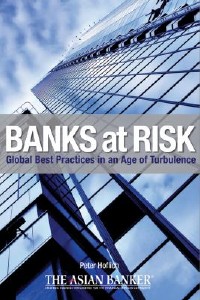
In the wake of the great financial crisis of 2008 the practices of the entire global financial services industry came into question, leading to close scrutiny from all parts of society-the government, the media, and the man on the street. Everyone is re-thinking the best way forward for the financial sector. The stakes are high: should trends in the industry continue and financial innovations allow fallout in the next crisis to grow exponentially, the endgame could be the sort of mutually assured destruction that topples entire economies. Charting the way forward in financial services reform requires a fundamental reappraisal of how things are done in order to avert disaster in the near future.Banks at Riskcomplies the insights of 10 key figures in the financial services industry-regulators, commercial bankers, risk managers and infrastructure specialists-who look at both strategic and operational issues in their assessment of cleansing the rot from the financial services industry in order to move to a better system of properly-managed risk. These influential individuals possess a valuable storehouse of global knowledge, and their insights into what the financial services industry needs to do to avoid the mistakes of the past are instrumental in building a sustainable future.In print for the first time, contributors to Banks at Riskare:- Contributing to Banks at Riskwith their own chapters, many of them committing their thoughts to print for the first time are:- Liu Mingkang, the chairman of the China Banking Regulatory Commission
- Eric Rosengren, President of the Federal Reserve Bank of Boston; Joel Werkama, Assistant Vice President, Federal Reserve Bank of Boston
- Jane Diplock, former Chairperson of the International Organisation of Securities Commissions and the former head of New Zealand''s securities commission
- Jose Maria Roldan, head of banking supervision at the Bank of Spain; Jesus Saurina, Director, Financial Stability Department, Bank of Spain
- Dick Kovacevich, former Chairman and CEO of Wells Fargo Bank
- Mike Smith, CEO, ANZ Group, who was previously also the head of HSBC''s Asia Pacific operations
- Shan Weijian, CEO, Chairman and CEO of Pacific Alliance Group and former senior partner of TPG Capital
- Rob Close, former CEO, CLS Group
- Tham Ming Soong, Chief Risk Officer, United Overseas Bank in Singapore
- Tsuyoshi Oyama, former head of risk assessment division in the international affairs division of the Bank of Japan Some praise from the financial services industry for Banks at Risk:-.The crisis revealed a pressing need for better bank governance and risk management along with enhanced supervision and regulation. The Basel III framework-which substantially strengthens bank capital adequacy and introduces liquidity requirements as well as specific supervisory tools to address systemic risk-was a rapid and decisive response, yet much work remains to be done. Beyond the full, timely and consistent global implementation of Basel III, important issues that need to be addressed include systemically important financial institutions, effective cross-border resolution regimes and shadow banking. Banks at Riskprovides unique insights into what went wrong and why. More importantly, it contributes to the ongoing debate on how to mitigate the severity and likelihood of future crises.Jaime Caruana
General Manager, Bank for International Settlements
This is a timely and comprehensive study of risks facing the global banking industry. The book draws on the expertise of top banking experts: commercial bankers, central bankers, regulators and risk experts from China, Japan, the U.S. and other parts of the world to give the reader a comprehensive view of challenges facing the international banking industry. The contributors clearly set out the challenges facing regulators and market participants in this uncertain environment. One of the most valuable characteristics of this book is the sheer scope of the contributors'' vision. They consider every aspect of the global banking system, its risks and possible solutions for ensuring a more stable environment.Mark Mobius
Executive Chairman, Templeton Asset ManagementAmong the plethora of offerings in the wake of the global financial crisis, Banks at Riskis a must-read. This collection of contributions provides a thoughtful tour of the lessons from the crisis with perspectives from regulators, practitioners, and risk managers. While the perspectives are varied, the consistency of several themes is compelling: supervision matters more than regulation; risk is more a characteristic of concentration and excessive risk taking than of size; undercapitalization contributed less to the crisis than did poor management; and the importance of returning to basics in areas such as credit culture and understanding of risks. While these themes are at odds with the direction of current international regulatory reforms, they are not easily dismissed. They are presented by an outstanding group of individuals who are associated with institutions and countries that not only survived the crisis, but are widely regarded as among the most successful survivors. Their views are worth heeding.Jeff Carmichael
Chief Executive Officer, Promontory Financial Group Australasia
Former Chairman, Australian Prudential Regulation AuthorityBanks at Riskis a seminal book for clearly understanding the global financial crisis created by the banks and other financial institutions, for describing the lessons we should have learned; and highlighting the levers to transform the system. It is excellent in extracting the insights from the best in our industry. Most impressive are the introductions by Peter Hoflich to the contributed chapters; from the sharp, concise, and accurate overall analysis of the crisis to the detailed, comprehensive, and referenced settings of his various aspects of our business and industry.Philippe Paillart
Chairman, OneEmpower and LINK Financial
Former board member of Standard Chartered Bank and Group, Ford Financial, DBS Bank and Bank for the Philippine Islands
目录
Acknowledgments p. xi
Introduction p. 1
Ashes of the Heroes p. 1
Banks, Rest, and Motion p. 5
Danger! p. 8
Around the World to Find Answers p. 13
The Regulators
Effective Supervision of Systemically Important Banks p. 25
The Moral Hazard Facing Large Banks p. 26
Suggested Measures p. 28
Some Thoughts on the Solution to the TBTF Bank Problem p. 31
China's Practices in the Supervision of Large Banks p. 36
Conclusion p. 38
Implications of the Financial Crisis for Risk Management and Macroprudential Supervision p. 44
Observations on the Financial Crisis p. 45
Exploring the Promise of Macroprudential Supervision p. 48
Reducing the Likelihood of Future Problems by Holding More Capital p. 51
Alternative Crisis Mitigation Strategies p. 54
Concluding Observations p. 58
Entering an Era of Global Regulatory Oversight p. 67
Lessons of the Global Financial Crisis p. 67
Coordinating Securities Regulation p. 69
The Importance of Setting Principles and Multilateral Memoranda of Understanding p. 71
Identifying and Addressing Systemic Risk p. 72
IOSCO's Post-crisis Recommendations p. 73
Post-crisis Accounting Issues p. 76
The Future Global Regulatory Framework p. 79
Conclusion p. 80
Old and New Lessons of the Financial Crisis for Risk Management p. 88
Introduction p. 88
Old Lessons Drawn from the Crisis p. 90
New Lessons To Be Drawn from the Crisis p. 97
Conclusion p. 99
The Practitioners
Observations from the Epicenter p. 109
The Safety Valves Failed p. 111
Passing the Buck p. 113
A Conspiracy of Silence p. 114
Stress Testing p. 115
Opportunities for Positive Change p. 116
Compensation and the Role of Risk Management p. 117
Risk Management is in a Bank's DNA p. 122
The Financial Crisis: Epicenters and Antipodes p. 129
Calling the Crisis p. 130
Managing Crises p. 132
Government Involvement p. 133
Regulation p. 134
Supervision p. 137
Good Solutions in the Past p. 139
Part of a System p. 143
The Trouble With Troubled Banks p. 148
Banks Led Astray p. 151
Restructuring Banks: Management p. 153
Restructuring Banks: Capital p. 155
Conclusion p. 156
The Risk Managers
Global Risk Management in Action p. 165
The Foreign Exchange Market p. 165
Settlement Risk p. 166
What is CLS? p. 167
How CLS Works p. 168
Failure Management p. 174
Supervisors and Risk p. 174
Regulatory Engagement p. 176
Delivering Efficiencies and Growing Business Opportunities p. 178
Expanding the Risk Management Role with Changing Needs p. 179
Looking to the Future p. 180
The Credit Crisis and Its Implications for Asian Financial Institutions p. 186
The Beginning of the End p. 188
Higher Standards p. 190
Holding Capital: East versus West p. 192
Testing the System p. 196
Preparing Systems p. 197
Missing Viewpoints of Current Global Regulatory Discussions p. 206
Causes of the North Atlantic Financial Crisis: The Epicenter View p. 206
Anatomy of the North Atlantic Financial Crisis: The Epicenter Perspective p. 207
Anatomy of the North Atlantic Financial Crisis: The Non-epicenter Perspective p. 209
Assessing the Current Global Regulatory Reactions p. 218
Conclusion p. 226
Index p. 233
Introduction p. 1
Ashes of the Heroes p. 1
Banks, Rest, and Motion p. 5
Danger! p. 8
Around the World to Find Answers p. 13
The Regulators
Effective Supervision of Systemically Important Banks p. 25
The Moral Hazard Facing Large Banks p. 26
Suggested Measures p. 28
Some Thoughts on the Solution to the TBTF Bank Problem p. 31
China's Practices in the Supervision of Large Banks p. 36
Conclusion p. 38
Implications of the Financial Crisis for Risk Management and Macroprudential Supervision p. 44
Observations on the Financial Crisis p. 45
Exploring the Promise of Macroprudential Supervision p. 48
Reducing the Likelihood of Future Problems by Holding More Capital p. 51
Alternative Crisis Mitigation Strategies p. 54
Concluding Observations p. 58
Entering an Era of Global Regulatory Oversight p. 67
Lessons of the Global Financial Crisis p. 67
Coordinating Securities Regulation p. 69
The Importance of Setting Principles and Multilateral Memoranda of Understanding p. 71
Identifying and Addressing Systemic Risk p. 72
IOSCO's Post-crisis Recommendations p. 73
Post-crisis Accounting Issues p. 76
The Future Global Regulatory Framework p. 79
Conclusion p. 80
Old and New Lessons of the Financial Crisis for Risk Management p. 88
Introduction p. 88
Old Lessons Drawn from the Crisis p. 90
New Lessons To Be Drawn from the Crisis p. 97
Conclusion p. 99
The Practitioners
Observations from the Epicenter p. 109
The Safety Valves Failed p. 111
Passing the Buck p. 113
A Conspiracy of Silence p. 114
Stress Testing p. 115
Opportunities for Positive Change p. 116
Compensation and the Role of Risk Management p. 117
Risk Management is in a Bank's DNA p. 122
The Financial Crisis: Epicenters and Antipodes p. 129
Calling the Crisis p. 130
Managing Crises p. 132
Government Involvement p. 133
Regulation p. 134
Supervision p. 137
Good Solutions in the Past p. 139
Part of a System p. 143
The Trouble With Troubled Banks p. 148
Banks Led Astray p. 151
Restructuring Banks: Management p. 153
Restructuring Banks: Capital p. 155
Conclusion p. 156
The Risk Managers
Global Risk Management in Action p. 165
The Foreign Exchange Market p. 165
Settlement Risk p. 166
What is CLS? p. 167
How CLS Works p. 168
Failure Management p. 174
Supervisors and Risk p. 174
Regulatory Engagement p. 176
Delivering Efficiencies and Growing Business Opportunities p. 178
Expanding the Risk Management Role with Changing Needs p. 179
Looking to the Future p. 180
The Credit Crisis and Its Implications for Asian Financial Institutions p. 186
The Beginning of the End p. 188
Higher Standards p. 190
Holding Capital: East versus West p. 192
Testing the System p. 196
Preparing Systems p. 197
Missing Viewpoints of Current Global Regulatory Discussions p. 206
Causes of the North Atlantic Financial Crisis: The Epicenter View p. 206
Anatomy of the North Atlantic Financial Crisis: The Epicenter Perspective p. 207
Anatomy of the North Atlantic Financial Crisis: The Non-epicenter Perspective p. 209
Assessing the Current Global Regulatory Reactions p. 218
Conclusion p. 226
Index p. 233
- 名称
- 类型
- 大小
光盘服务联系方式: 020-38250260 客服QQ:4006604884
云图客服:
用户发送的提问,这种方式就需要有位在线客服来回答用户的问题,这种 就属于对话式的,问题是这种提问是否需要用户登录才能提问
Video Player
×
Audio Player
×
pdf Player
×
