

微信扫一扫,移动浏览光盘
简介
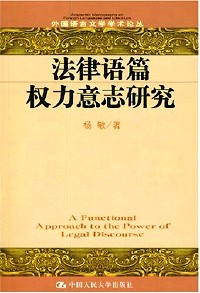
本书研究目的在于描述立法语篇的语言特点,探索法律语篇与权力之间的互动关系,为分析机构性或职业性语篇提供一个理论框架和实用性参考,为分析机构性或职业性语篇提供一个理论框架和实用性参考,为语言学家融入社会开拓一条新路,该道路使得语言学家们能够改善人们的生活并且赢得社会的认可。
概括起来,本书里所报告的研究可以被分成两部分。第一部分包括第二章和第三章,对本论文所涉及的理论进行回顾,包括语篇分析理论、批评式话语分析理论、系统功能语法理论以及各种法律语篇分析所涉及的理论。本作者提出了一个三段式理论框架,含有汤普森的批评式理论和韩礼德的分析模式,从批评和功能两个角度研究立法语篇的意识形态。就数据而言,本作者收集了14部中国法律、14部英美法律,同时运用定性和定量式研究方法。
目录
Chapter One Introduction
1.1 Rationale of the Studv
1.1.1 An Urgent Need for Discourse Anlysis
1.1.2 The Importance of Legal Discourse
1.1.3 A Need for Research of Legislative Discourse
1.2 Aims of the Present Study
1.3 Research Methodology and Data Collection
1.4 Organization of the Dissertation
Chapter Two Literature Review
2.1 Introduction
2.2 Discourse Analysis(DA)
2.2.1 The Philosophical Origins of Discourse Analysis
2.2.2 Contributions of Linguists to DA
2.2.3 Three Strategies of Discourse Analysis(DA)
2.3 Critical Discourse Analysis(CDA)
2.3.1 Introduction to CDA
2.3.2 Three Major Issues of CDA
2.3.3 Approaches to CDA
2.3.4 Limitations in CDA
2.4 A Systemic Functional Approach to DA
2.5 Legal Discourse Analysis
2.5.1 Studies in Legal Language-as-object
2.5.2 Studies in Language-as-process
2.5.3 Studies in legal language-as-instrument
2.5.4 Current Domestic Research on Legal Discourse
2.5.5 Analysis of Legislative Discourse of the Present Dissertation
2.6 Summary
Chapter Three Theoraical Framewedk of the Preset Research
3.1 Introduction
3.2 Evaluation of Thompson’S Methodological Framework
3.2.1 Strengths of Thompson’S Framework
3.2.2 Limitations of Thompson’S Framework
3.3 Evaluation of the Hallidayan Model
3.3.1 Strengths of the Hallidayan Model
3.3.2 LimitatioUS of SFG
3.4 A Critical-Functional Framework
3.5 Data Collection
3.6 Summary
Chapter Four The Power of Legislative Discourse in Contexts of Cdture&Situation
4.1 Introduction
4.2 Power in Context of Culture of Legislative Discourse
4.2.1 Concept of Context of Culture
4.2.2 Genre
4.2.3 Spacio-temporal Settings of Legislative Discourse
4.2.4 Schematic Structure and Analysis of Its Ideology in Legislative Discourse
4.2.5 The Power in Realizational Patterns
4.3 Analysis of Situational Context
4.3.1 Power in Fields of Interaction&Social Institutions
4.3.2 Power in Social Structure
4.3.3 Power in Technical Transmission Media
4.4 Summary
Chapter Five Power in the Ideational Function
5.1 Introduction
5.2 The Power of Logical Function in Legislative Discourse
5.2.1 The Concept of Logical Function
5.2.2 The History of the Development of Logical Progression of Statutes
5.2.3 Analysis of Logical Structure of the Statutes
5.2.4 Power in Logical Function of Legislative Discourse.
5.3 The Power of Experiential Function
5.3.1 Processes in the Legislative Discourse
5.3.2 Circumstances in Experiential Function
5.3.3 Experiential Metaphor(Grammatical Metaphor)
5.4 Summary
Chapter Six Power in the Interpersonal Function
6.1 Introduction
6.2 The Definition of Interpersonal Function
6.3 Modality in Legislative Discourse
6.4 Participants in the Legislative Discourses
6.5 Summary
Chapter Seven Textual Function of Legislative Discourse
7.1 Introduction
7.2 Textual Function
7.3 Thematic Structure in Legislative Discourse
7.3.1 Theme Types
7.3.2 The Pattern of Thematic Progression of Legislative Discourse
7.4 Power in Information Structure
7.5 Cohesion System
7.6 Summary
Chapter Eight Vagueness in Lexicon
8.1 Introduction
8.2 Vagueness in Legislative Discourse
8.2.1 The Tension Between Vagueness and Precision
8.2.2 Ineliminability of Vagueness
8.2.3 Vagueness as a Defect in Legislative Discourse
8.3 Other Characteristics of Lexicon in Legislative Discourse
8.4 Summary
Chapter Nine Interpretation of Legislative Discourse
9.1 Introduction
9.2 The Concept of“Interpretation”
9.2.1 The Interpretation Theory of Ideology
9.2.2 Some Critical Legal Theories on Interpretation of Power
9.3 The Nature of Legislative Discourse
9.4 Functions of Law
9.4.1 Regulating Society
9.4.2 Balancing Interests
9.4.3 Educational Function
9.4.4 Adjusting Economy
9.4.5 Maintaining Historical Continuity and Consistency of Doctrine
9.5 Analyzing the Ideology in Legislative Discourse
9.5.1 The Sovereign Power of the State
9.5.2 The Inequality Between Legal Professionals and Laylmen
9.5.3 The Real Inequality Behind the Superficial Equality in Legislature
9.5.4 The Arbitrary Use of power-a tendency
9.6 The Interactive Relationship Between Language and Power
9.6.1 Language Has Power
9.6.2 Power Selects Language
9.7 Summary
Chapter Ten Conclusion
10.1 Major Conclusions of the Present Study
10.2 Contributions of the Current Research
10.3 Limitations and Suggestions for Future Research
Appendix I-X
Bibliography
1.1 Rationale of the Studv
1.1.1 An Urgent Need for Discourse Anlysis
1.1.2 The Importance of Legal Discourse
1.1.3 A Need for Research of Legislative Discourse
1.2 Aims of the Present Study
1.3 Research Methodology and Data Collection
1.4 Organization of the Dissertation
Chapter Two Literature Review
2.1 Introduction
2.2 Discourse Analysis(DA)
2.2.1 The Philosophical Origins of Discourse Analysis
2.2.2 Contributions of Linguists to DA
2.2.3 Three Strategies of Discourse Analysis(DA)
2.3 Critical Discourse Analysis(CDA)
2.3.1 Introduction to CDA
2.3.2 Three Major Issues of CDA
2.3.3 Approaches to CDA
2.3.4 Limitations in CDA
2.4 A Systemic Functional Approach to DA
2.5 Legal Discourse Analysis
2.5.1 Studies in Legal Language-as-object
2.5.2 Studies in Language-as-process
2.5.3 Studies in legal language-as-instrument
2.5.4 Current Domestic Research on Legal Discourse
2.5.5 Analysis of Legislative Discourse of the Present Dissertation
2.6 Summary
Chapter Three Theoraical Framewedk of the Preset Research
3.1 Introduction
3.2 Evaluation of Thompson’S Methodological Framework
3.2.1 Strengths of Thompson’S Framework
3.2.2 Limitations of Thompson’S Framework
3.3 Evaluation of the Hallidayan Model
3.3.1 Strengths of the Hallidayan Model
3.3.2 LimitatioUS of SFG
3.4 A Critical-Functional Framework
3.5 Data Collection
3.6 Summary
Chapter Four The Power of Legislative Discourse in Contexts of Cdture&Situation
4.1 Introduction
4.2 Power in Context of Culture of Legislative Discourse
4.2.1 Concept of Context of Culture
4.2.2 Genre
4.2.3 Spacio-temporal Settings of Legislative Discourse
4.2.4 Schematic Structure and Analysis of Its Ideology in Legislative Discourse
4.2.5 The Power in Realizational Patterns
4.3 Analysis of Situational Context
4.3.1 Power in Fields of Interaction&Social Institutions
4.3.2 Power in Social Structure
4.3.3 Power in Technical Transmission Media
4.4 Summary
Chapter Five Power in the Ideational Function
5.1 Introduction
5.2 The Power of Logical Function in Legislative Discourse
5.2.1 The Concept of Logical Function
5.2.2 The History of the Development of Logical Progression of Statutes
5.2.3 Analysis of Logical Structure of the Statutes
5.2.4 Power in Logical Function of Legislative Discourse.
5.3 The Power of Experiential Function
5.3.1 Processes in the Legislative Discourse
5.3.2 Circumstances in Experiential Function
5.3.3 Experiential Metaphor(Grammatical Metaphor)
5.4 Summary
Chapter Six Power in the Interpersonal Function
6.1 Introduction
6.2 The Definition of Interpersonal Function
6.3 Modality in Legislative Discourse
6.4 Participants in the Legislative Discourses
6.5 Summary
Chapter Seven Textual Function of Legislative Discourse
7.1 Introduction
7.2 Textual Function
7.3 Thematic Structure in Legislative Discourse
7.3.1 Theme Types
7.3.2 The Pattern of Thematic Progression of Legislative Discourse
7.4 Power in Information Structure
7.5 Cohesion System
7.6 Summary
Chapter Eight Vagueness in Lexicon
8.1 Introduction
8.2 Vagueness in Legislative Discourse
8.2.1 The Tension Between Vagueness and Precision
8.2.2 Ineliminability of Vagueness
8.2.3 Vagueness as a Defect in Legislative Discourse
8.3 Other Characteristics of Lexicon in Legislative Discourse
8.4 Summary
Chapter Nine Interpretation of Legislative Discourse
9.1 Introduction
9.2 The Concept of“Interpretation”
9.2.1 The Interpretation Theory of Ideology
9.2.2 Some Critical Legal Theories on Interpretation of Power
9.3 The Nature of Legislative Discourse
9.4 Functions of Law
9.4.1 Regulating Society
9.4.2 Balancing Interests
9.4.3 Educational Function
9.4.4 Adjusting Economy
9.4.5 Maintaining Historical Continuity and Consistency of Doctrine
9.5 Analyzing the Ideology in Legislative Discourse
9.5.1 The Sovereign Power of the State
9.5.2 The Inequality Between Legal Professionals and Laylmen
9.5.3 The Real Inequality Behind the Superficial Equality in Legislature
9.5.4 The Arbitrary Use of power-a tendency
9.6 The Interactive Relationship Between Language and Power
9.6.1 Language Has Power
9.6.2 Power Selects Language
9.7 Summary
Chapter Ten Conclusion
10.1 Major Conclusions of the Present Study
10.2 Contributions of the Current Research
10.3 Limitations and Suggestions for Future Research
Appendix I-X
Bibliography
Functional approach to the power of legal discourse
- 名称
- 类型
- 大小
光盘服务联系方式: 020-38250260 客服QQ:4006604884
云图客服:
用户发送的提问,这种方式就需要有位在线客服来回答用户的问题,这种 就属于对话式的,问题是这种提问是否需要用户登录才能提问
Video Player
×
Audio Player
×
pdf Player
×
