

简介
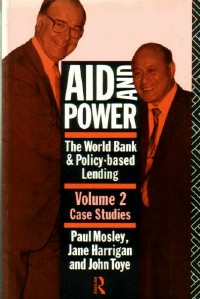
The international recession of the early 1980s left many less developed countries in a precarious position as their exports demised, private capital flows were sharply reduced and interest rates rose. Major aid donors, in particular the World Bank, responded with a revolution in aid policy - the introduction of "structural adjustment lending". Financial flows to developing countries were, increasingly, accompanied by demands for changes in policy, generally of a type that reduced the level of governemnt intervention in the economy. This book examines what this has meant, both for the World Bank and for the recipients of aid. The bargaining process determining the level of aid and the conditions attached to it, has become more complicated and in practice, the World Bank has not been in as strong a position as might be imagined. The Bank has been keen to disburse the money which is available to it in the form of aid and to implement its conditions; recipient countries have frequently only been keen to receive the money. If the Bank retaliates when its conditions are not met, by withholding money in the future, it threatens its ability to disburse aid. This book should be of interest to lecturers and students of development economics, international relations and the politics of development.
目录
v. 1. Analysis and policy proposals.
v. 2. Case studies.
v. 2. Case studies.
- 名称
- 类型
- 大小
光盘服务联系方式: 020-38250260 客服QQ:4006604884
云图客服:
用户发送的提问,这种方式就需要有位在线客服来回答用户的问题,这种 就属于对话式的,问题是这种提问是否需要用户登录才能提问
Video Player
×
Audio Player
×
pdf Player
×
