

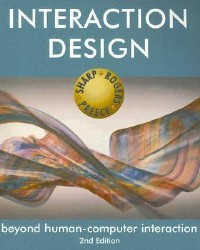
Interaction design : beyond human-computer interaction / 2nd ed.
副标题:无
作 者:[Helen] Sharp, [Yvonne] Rogers, [Jenny] Preece.
分类号:
ISBN:9780470018668
微信扫一扫,移动浏览光盘
简介
"Interaction Design: beyond human-computer interaction, 2nd edition covers a wide range of issues, topics, and paradigms that go beyond the traditional scope of human-computer interaction (HCI). Using state-of-the-art examples, it covers psychological and social aspects of users, interaction styles, user requirements, design approaches, usability and evaluation, traditional and future interface paradigms, and the role of theory in informing design. Topics are grounded in the design process and presented in an integrated and coherent way. The book focuses on how to design interactive products that enhance and extend the way people communicate, interact and work."--BOOK JACKET.
目录
Chapter 1 What is interaction design?
1.1 Introduction
1.2 Good and poor design
1.3 What is interaction design?
1.4 The user experience
1.5 The process of interaction design
1.6 Interaction design and the user experience
Interview with Gitta Salomon
Chapter 2 Understanding and conceptualizing interaction
2.1 Introduction
2.2 Understanding the problem space
2.3 Conceptualizing the design space
Theories, models and frameworks
Interview with Terry Winograd
Chapter 3 Understanding users
3.1 Introduction
3.2 What is cognition?
3.3 Applying knowledge from the physical world to the digital world
3.4 Conceptual frameworks for cognition
Chapter 4 Designing for collaboration and communication
4.1 Introduction
4.2 Social mechanisms in communication and collaboration
Technology-mediated social phenomena
Interview with Abigail Sellen
Chapter 5 Affective aspects
5.1 Introduction
5.2 What are affective aspects?
5.3 Expressive interfaces and positive emotions
5.4 Frustrating interfaces and negative emotions
5.5 Persuasive technologies
5.6 Anthropomorphism
5.7 Interface agents, virtual pets and interactive toys
5.8 Models of emotion and pleasure
Chapter 6 Interfaces and interactions
6.1 Introduction
6.2 Paradigms
6.3 Interface types
6.4 Which interface?
Chapter 7 Data Gathering
7.1 Introduction
7.2 Four key issues
7.3 Data recording
7.4 Interviews
7.5 Questionnaires
7.6 Observation
7.7 Choosing and combining techniques
Interview with Sara Bly
Chapter 8 Data analysis, interpretation and presentation
8.1 Introduction
8.2 Qualitative and quantitative
8.3 Simple quantitative analysis
8.4 Simple qualitative analysis
8.5 Using Theoretical Frameworks
8.6 Tools to support analysis
8.7 Presenting your findings
Chapter 9 The process of interaction design
9.1 Introduction
9.2 What is involved in interaction design?
9.3 Some practical issues
9.4 Lifecycle models: showing how the activities are related
Interview with Gillian Crampton Smith
Chapter 10 Identifying needs and establishing requirements
10.1 Introduction
10.2 What, how, and why?
10.3 What are requirements?
10.4 Data gathering for requirements
10.5 Data analysis
10.6 Task description
10.7 Task analysis
Interview with Suzanne Robertson
Chapter 11 Design, prototyping and construction
11.1 Introduction
11.2 Prototyping and construction
11.3 Conceptual design: moving from requirements to first design
11.4 Physical design: getting concrete
11.5 Using scenarios in design
11.6 Using prototypes in design.Tool support
Interview with Karen Holtzblatt
Chapter 12 Introducing evaluation
12.1 Introduction
12.2 The why, what,, where and when of evaluation
12.3 The language used to describe evaluation
12.4 Evaluation approaches and methods
12.5 Evaluation studies
12.6 What did we learn from the case studies?
Chapter 13 An evaluation framework
13.1 Introduction
13.2 D E C I D E: A framework to guide evaluation
Chapter 14 Usability testing and field studies
14.1 Introduction
14.2 Usability testing
14.2.1 Usability testing of a large website
14.2.2 Conducting experiments
14.3 Field studies
Interview with Ben Shneiderman
Chapter 15 Analytical evaluation
15.1 Introduction
15.2 Inspections: heuristic evaluation
15.3 Inspections: walkthroughs
15.4 Predictive models
Interview with Jakob Nielsen
1.1 Introduction
1.2 Good and poor design
1.3 What is interaction design?
1.4 The user experience
1.5 The process of interaction design
1.6 Interaction design and the user experience
Interview with Gitta Salomon
Chapter 2 Understanding and conceptualizing interaction
2.1 Introduction
2.2 Understanding the problem space
2.3 Conceptualizing the design space
Theories, models and frameworks
Interview with Terry Winograd
Chapter 3 Understanding users
3.1 Introduction
3.2 What is cognition?
3.3 Applying knowledge from the physical world to the digital world
3.4 Conceptual frameworks for cognition
Chapter 4 Designing for collaboration and communication
4.1 Introduction
4.2 Social mechanisms in communication and collaboration
Technology-mediated social phenomena
Interview with Abigail Sellen
Chapter 5 Affective aspects
5.1 Introduction
5.2 What are affective aspects?
5.3 Expressive interfaces and positive emotions
5.4 Frustrating interfaces and negative emotions
5.5 Persuasive technologies
5.6 Anthropomorphism
5.7 Interface agents, virtual pets and interactive toys
5.8 Models of emotion and pleasure
Chapter 6 Interfaces and interactions
6.1 Introduction
6.2 Paradigms
6.3 Interface types
6.4 Which interface?
Chapter 7 Data Gathering
7.1 Introduction
7.2 Four key issues
7.3 Data recording
7.4 Interviews
7.5 Questionnaires
7.6 Observation
7.7 Choosing and combining techniques
Interview with Sara Bly
Chapter 8 Data analysis, interpretation and presentation
8.1 Introduction
8.2 Qualitative and quantitative
8.3 Simple quantitative analysis
8.4 Simple qualitative analysis
8.5 Using Theoretical Frameworks
8.6 Tools to support analysis
8.7 Presenting your findings
Chapter 9 The process of interaction design
9.1 Introduction
9.2 What is involved in interaction design?
9.3 Some practical issues
9.4 Lifecycle models: showing how the activities are related
Interview with Gillian Crampton Smith
Chapter 10 Identifying needs and establishing requirements
10.1 Introduction
10.2 What, how, and why?
10.3 What are requirements?
10.4 Data gathering for requirements
10.5 Data analysis
10.6 Task description
10.7 Task analysis
Interview with Suzanne Robertson
Chapter 11 Design, prototyping and construction
11.1 Introduction
11.2 Prototyping and construction
11.3 Conceptual design: moving from requirements to first design
11.4 Physical design: getting concrete
11.5 Using scenarios in design
11.6 Using prototypes in design.Tool support
Interview with Karen Holtzblatt
Chapter 12 Introducing evaluation
12.1 Introduction
12.2 The why, what,, where and when of evaluation
12.3 The language used to describe evaluation
12.4 Evaluation approaches and methods
12.5 Evaluation studies
12.6 What did we learn from the case studies?
Chapter 13 An evaluation framework
13.1 Introduction
13.2 D E C I D E: A framework to guide evaluation
Chapter 14 Usability testing and field studies
14.1 Introduction
14.2 Usability testing
14.2.1 Usability testing of a large website
14.2.2 Conducting experiments
14.3 Field studies
Interview with Ben Shneiderman
Chapter 15 Analytical evaluation
15.1 Introduction
15.2 Inspections: heuristic evaluation
15.3 Inspections: walkthroughs
15.4 Predictive models
Interview with Jakob Nielsen
Interaction design : beyond human-computer interaction / 2nd ed.
- 名称
- 类型
- 大小
光盘服务联系方式: 020-38250260 客服QQ:4006604884
云图客服:
用户发送的提问,这种方式就需要有位在线客服来回答用户的问题,这种 就属于对话式的,问题是这种提问是否需要用户登录才能提问
Video Player
×
Audio Player
×
pdf Player
×
