

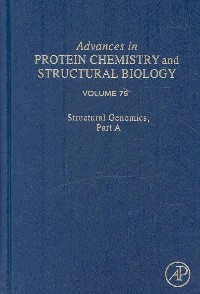
Structural genomics. Part A. /
副标题:无
作 者:edited by Frederic M. Richards, David S. Eisenberg and John Kuriyan.
分类号:
ISBN:9780123744364
微信扫一扫,移动浏览光盘
简介
Summary:
Publisher Summary 1
Structural genomics is the systematic determination of 3-dimensional structures of proteins representative of the range of protein structure and function found in nature. The goal is to build a body of structural information that will predict the structure and potential function for almost any protein from knowledge of its coding sequence. This is essential information for understanding the functioning of the human proteome, the ensemble of tens of thousands of proteins specified by the human genome.
While most structural biologists pursue structures of individual proteins or protein groups, specialists in structural genomics pursue structures of proteins on a genome wide scale. This implies large scale cloning, expression and purification. One main advantage of this approach is economy of scale.
Key Features
*Examines the three dimensional structure of all proteins of a given organism, by experimental methods such as X-ray crystallography and NMR spectroscopy
* Looks at structural genomics as a foundation of drug discovery as discovering new medicines is becoming more challenging and the pharmaceutical industry is looking to new technologies to help in this mission
目录
Contents 6
TARGET SELECTION IN STRUCTURAL GENOMICS PROJECTS TO INCREASE KNOWLEDGE OF PROTEIN STRUCTURE AND FUNCTION SPACE 8
Abstract 8
I. Background 9
II. Strategies for Target Selection 13
A. Selecting Targets to Increase the Structural Coverage of Protein Families 13
1. Protein Family Resources 14
2. Domain Family Resources 18
3. Domain Assignments for Genomes 22
4. Strategy Adopted by the Protein Structure Initiative During Phase 2 24
5. Targeting Families That Already Have Structural Representatives 26
6. Bias in the Population of Domain Families 27
7. Structural and Functional Diversity in the Largest CATH Domain Families 28
8. Mechanisms Where Structural Changes Mediate Changes in Function 29
9. PSI Strategy for Resampling Large Structurally Characterized Families for Target Selection 31
B. Target Selection Guided by Biological and Medical Criteria 33
1. Targeting Families of Interest in Metagenomics Data 33
2. Medically and Biologically Important Target Proteins 34
C. Protein Function Prediction to Identify Target Families of Specific Biological Interest 34
1. Predicting Protein Functions 34
2. Predicting Protein Interactions 35
D. Improving the Success Rate of Experimental Pipelines Through Target Selection 37
1. Identifying Transmembrane Regions in Proteins 38
2. Assigning Signal Peptides 39
3. Predicting Coiled Coils 39
4. Disordered Regions 40
5. Predicting Success in Experimental Structure Determination 40
6. Scores Predicting Crystallization Success 41
III. Domain Boundary Predictions 42
IV. Other Current SG Initiatives 45
V. Evaluation of Structural Genomics Initiatives 46
A. PSI Structural Genomics Knowledgebase 47
B. PSI Metrics 48
VI. Summary 51
References 51
DEVELOPMENT OF KEY TECHNOLOGIES FOR HIGH- THROUGHPUT CELL- FREE PROTEIN PRODUCTION WITH THE EXTRACT FROM WHEAT EMBRYOS 60
Abstract 61
I. Introduction 61
II. Development of the Wheat Cell-Free Translation System 63
A. Early Days of the Wheat- Germ Cell-Free Translation System 63
B. Translation Inhibitors Within Plant Seeds 63
C. Purification of Wheat Embryos 64
III. mRNA Design 65
A. Untranslated Regions 65
B. The pEU Plasmids 67
C. PCR-Based Parallel Production of cDNA-Encoded Proteins 67
D. Variety in Protein Productivity 69
E. Selection of 50-UTR 69
F. Tag Affinity Labeling 69
IV. Reaction Formats and Automation 70
A. CFCF and CECF 70
B. Automation for High-Throughput Protein Production 71
V. Quality of the Protein Products 72
A. Solubility of the Products and Cotranslational Protein Folding 72
B. Suitability for Production of Eukaryotic Proteins 73
C. Production of Vaccine Candidates 73
D. N-Terminal Processing 74
VI. Isotope and Heavy Atom Labeling 75
A. High-Throughput Screening of Properly Folded Proteins 75
B. Amino Acid-Specific Isotope Labeling 76
C. Selenomethionine Labeling for X-Ray Crystallography 78
VII. \u2018\u2018Difficult\u2019\u2019 Proteins 78
A. Cytotoxic Proteins 78
B. Disulfide Bonds 78
C. Multisubunit Proteins 79
D. Cofactors 79
E. Membrane Proteins 80
VIII. Issues Left Unsolved 81
A. Cost 81
B. Fidelity 81
C. Modifications on the Newly Synthesized Polypeptide Chains 82
D. Mechanisms of Protein Folding and Translation Initiation 83
E. Further Anatomy of Translation 84
References 85
HIGH-THROUGHPUT PROTEIN PURIFICATION FOR X-RAY CRYSTALLOGRAPHY AND NMR 92
Abbreviations 92
Abstract 93
I. Introduction 94
II. Protein Constructs and Expression 96
A. Protein Constructs to Consider 96
B. Protein Expression 97
III. Purification 99
A. Preparation of Crude Extract 99
B. IMAC-I and Buffer-Exchange Steps 99
C. Affinity Tag Removal by TEV Protease 100
D. IMAC-II and Buffer-Exchange Steps 101
E. Platform for Automated Multidimensional Chromatography 101
F. Size Exclusion Chromatography 102
G. On-Column Cleavage 103
IV. Protein Characterization 103
V. Protein Concentration and Storage 105
VI. Problems and Recovery/Salvage Procedure to Consider 106
A. Refolding 106
B. Low Solubility 107
C. Cloning to Improving Solubility and Expression 107
D. Changing His-Tag Positions 108
E. Inclusion of ATP in Crude Extract to Remove Copurifying Endogenous GroEL 108
VII. Conclusion 109
Acknowledgments 110
References 110
PREDICTING AND CHARACTERIZING PROTEIN FUNCTIONS THROUGH MATCHING GEOMETRIC AND EVOLUTIONARY PATTERNS OF BINDING SURFACES 114
Abstract 114
I. Introduction 115
II. Voids and Pockets in Protein Structures and Their Origins 116
III. Identifying Functional Surfaces of Proteins 119
IV. Matching Local Binding Surfaces 121
A. Comparison of Sequence Patterns of Surface Pockets and Voids 122
B. Comparison of Shapes of Surface Pockets and Voids 125
C. Statistical Significance 127
V. Uncovering Evolutionary Patterns of Local Binding Surfaces 128
A. Evolution Model 129
B. Estimating Model Parameters Q and Bayesian Monte Carlo 131
C. Deriving Scoring Matrices from Rate Matrix 132
D. Validity of the Evolutionary Model 133
E. Evolutionary Rates of Binding Surfaces and Other Surfaces are Different 133
VI. Predicting Protein Function by Detecting Similar Biochemical Binding Surfaces 133
VII. Adaptive Patterns of Spectral Tuning of Proteorhodopsin from Metagenomics Projects 138
VIII. Generating Binding Site Negative Images for Drug Discovery 140
IX. Summary and Conclusion 143
Acknowledgments 144
REFERENCES 144
AUTHOR INDEX 150
SUBJECT INDEX 156
TARGET SELECTION IN STRUCTURAL GENOMICS PROJECTS TO INCREASE KNOWLEDGE OF PROTEIN STRUCTURE AND FUNCTION SPACE 8
Abstract 8
I. Background 9
II. Strategies for Target Selection 13
A. Selecting Targets to Increase the Structural Coverage of Protein Families 13
1. Protein Family Resources 14
2. Domain Family Resources 18
3. Domain Assignments for Genomes 22
4. Strategy Adopted by the Protein Structure Initiative During Phase 2 24
5. Targeting Families That Already Have Structural Representatives 26
6. Bias in the Population of Domain Families 27
7. Structural and Functional Diversity in the Largest CATH Domain Families 28
8. Mechanisms Where Structural Changes Mediate Changes in Function 29
9. PSI Strategy for Resampling Large Structurally Characterized Families for Target Selection 31
B. Target Selection Guided by Biological and Medical Criteria 33
1. Targeting Families of Interest in Metagenomics Data 33
2. Medically and Biologically Important Target Proteins 34
C. Protein Function Prediction to Identify Target Families of Specific Biological Interest 34
1. Predicting Protein Functions 34
2. Predicting Protein Interactions 35
D. Improving the Success Rate of Experimental Pipelines Through Target Selection 37
1. Identifying Transmembrane Regions in Proteins 38
2. Assigning Signal Peptides 39
3. Predicting Coiled Coils 39
4. Disordered Regions 40
5. Predicting Success in Experimental Structure Determination 40
6. Scores Predicting Crystallization Success 41
III. Domain Boundary Predictions 42
IV. Other Current SG Initiatives 45
V. Evaluation of Structural Genomics Initiatives 46
A. PSI Structural Genomics Knowledgebase 47
B. PSI Metrics 48
VI. Summary 51
References 51
DEVELOPMENT OF KEY TECHNOLOGIES FOR HIGH- THROUGHPUT CELL- FREE PROTEIN PRODUCTION WITH THE EXTRACT FROM WHEAT EMBRYOS 60
Abstract 61
I. Introduction 61
II. Development of the Wheat Cell-Free Translation System 63
A. Early Days of the Wheat- Germ Cell-Free Translation System 63
B. Translation Inhibitors Within Plant Seeds 63
C. Purification of Wheat Embryos 64
III. mRNA Design 65
A. Untranslated Regions 65
B. The pEU Plasmids 67
C. PCR-Based Parallel Production of cDNA-Encoded Proteins 67
D. Variety in Protein Productivity 69
E. Selection of 50-UTR 69
F. Tag Affinity Labeling 69
IV. Reaction Formats and Automation 70
A. CFCF and CECF 70
B. Automation for High-Throughput Protein Production 71
V. Quality of the Protein Products 72
A. Solubility of the Products and Cotranslational Protein Folding 72
B. Suitability for Production of Eukaryotic Proteins 73
C. Production of Vaccine Candidates 73
D. N-Terminal Processing 74
VI. Isotope and Heavy Atom Labeling 75
A. High-Throughput Screening of Properly Folded Proteins 75
B. Amino Acid-Specific Isotope Labeling 76
C. Selenomethionine Labeling for X-Ray Crystallography 78
VII. \u2018\u2018Difficult\u2019\u2019 Proteins 78
A. Cytotoxic Proteins 78
B. Disulfide Bonds 78
C. Multisubunit Proteins 79
D. Cofactors 79
E. Membrane Proteins 80
VIII. Issues Left Unsolved 81
A. Cost 81
B. Fidelity 81
C. Modifications on the Newly Synthesized Polypeptide Chains 82
D. Mechanisms of Protein Folding and Translation Initiation 83
E. Further Anatomy of Translation 84
References 85
HIGH-THROUGHPUT PROTEIN PURIFICATION FOR X-RAY CRYSTALLOGRAPHY AND NMR 92
Abbreviations 92
Abstract 93
I. Introduction 94
II. Protein Constructs and Expression 96
A. Protein Constructs to Consider 96
B. Protein Expression 97
III. Purification 99
A. Preparation of Crude Extract 99
B. IMAC-I and Buffer-Exchange Steps 99
C. Affinity Tag Removal by TEV Protease 100
D. IMAC-II and Buffer-Exchange Steps 101
E. Platform for Automated Multidimensional Chromatography 101
F. Size Exclusion Chromatography 102
G. On-Column Cleavage 103
IV. Protein Characterization 103
V. Protein Concentration and Storage 105
VI. Problems and Recovery/Salvage Procedure to Consider 106
A. Refolding 106
B. Low Solubility 107
C. Cloning to Improving Solubility and Expression 107
D. Changing His-Tag Positions 108
E. Inclusion of ATP in Crude Extract to Remove Copurifying Endogenous GroEL 108
VII. Conclusion 109
Acknowledgments 110
References 110
PREDICTING AND CHARACTERIZING PROTEIN FUNCTIONS THROUGH MATCHING GEOMETRIC AND EVOLUTIONARY PATTERNS OF BINDING SURFACES 114
Abstract 114
I. Introduction 115
II. Voids and Pockets in Protein Structures and Their Origins 116
III. Identifying Functional Surfaces of Proteins 119
IV. Matching Local Binding Surfaces 121
A. Comparison of Sequence Patterns of Surface Pockets and Voids 122
B. Comparison of Shapes of Surface Pockets and Voids 125
C. Statistical Significance 127
V. Uncovering Evolutionary Patterns of Local Binding Surfaces 128
A. Evolution Model 129
B. Estimating Model Parameters Q and Bayesian Monte Carlo 131
C. Deriving Scoring Matrices from Rate Matrix 132
D. Validity of the Evolutionary Model 133
E. Evolutionary Rates of Binding Surfaces and Other Surfaces are Different 133
VI. Predicting Protein Function by Detecting Similar Biochemical Binding Surfaces 133
VII. Adaptive Patterns of Spectral Tuning of Proteorhodopsin from Metagenomics Projects 138
VIII. Generating Binding Site Negative Images for Drug Discovery 140
IX. Summary and Conclusion 143
Acknowledgments 144
REFERENCES 144
AUTHOR INDEX 150
SUBJECT INDEX 156
Structural genomics. Part A. /
- 名称
- 类型
- 大小
光盘服务联系方式: 020-38250260 客服QQ:4006604884
云图客服:
用户发送的提问,这种方式就需要有位在线客服来回答用户的问题,这种 就属于对话式的,问题是这种提问是否需要用户登录才能提问
Video Player
×
Audio Player
×
pdf Player
×
