

简介
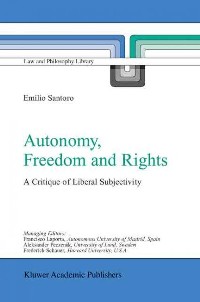
Santoro (history and theory of law, U. of Florence, Italy) finds some difficulties with the fact that most legal and political philosophers ground liberal political theory, as well as anchor basic rights, in the value of individual autonomy. He begins his account by reviewing the debate around the notion of individual autonomy that took place in the 1970s and 1980s, especially among English speakers. Then he uses a genealogical approach to argue that the hierarchical-dualistic model is the anthropological premise of contractarian liberal theories. He concludes that a liberal theory based on individual autonomy requires giving up the anthropological model of the owning individual, which was borrowed from 13th-century Franciscan voluntarist theology. He does not index subjects. Annotation 漏2004 Book News, Inc., Portland, OR (booknews.com)
目录
Introduction p. 1
Individual Autonomy and Freedom p. 4
The Problem: Contemporary Liberal Theory and Subjectivity p. 4
The Elision of the Subject: Neo-positivism and the Dominance of Political Science p. 4
The Emerging of Subjectivity as the Foundation of Rights: Neo-positivism and Utilitarianism versus Neo-contractarianism p. 7
Individual Autonomy: A Conceptual Chimera? p. 13
Kant's Notion of Autonomy p. 16
Autonomy as Substantive Independence: Problems with the Facts-Values Division p. 20
The theory of 'moral muscle' and Millian personality p. 28
Individual Autonomy and Freedom: Positive versus Negative Freedom p. 32
'False Consciousness' and the Problem of Manipulation p. 39
'Real Interests', Ideal Choice and Weak Paternalism p. 43
External Constraints, Internal Constraints and the Anthropological Model p. 47
Negative and Positive Freedom: The Issue of the Anthropological Model p. 53
Republican Freedom according to Quentin Skinner p. 57
The 'Hierarchical-Dualist' Anthropological Model p. 59
Freedom, Autonomy and Consent p. 61
A Genealogical Approach p. 67
The Hierarchical-dualist Model and the Genealogy of the Liberal Subject p. 67
The Annihilation of Worldly Identity: Scholasticism and the Medieval Order p. 71
The Individual as a Prisoner of the Group: The Lack of Political Subjectivity p. 74
The Individual as a Prisoner of Things p. 76
Franciscan Theology: Voluntarism and Dominium Sui p. 78
Nominalism and the Contingency of the World p. 80
The Dominant Individual: Dominium Sui as a Constituent of Subjectivity p. 83
Modernity and the Emergence of the Individual without Individuality p. 88
Classical Episteme: 'Man' and 'Representation' in Michel Foucault's Analysis p. 91
The Cogito between 'Representation' and Reflexivity p. 93
'Representation' and Self-assertion p. 97
The 'Representation' of the Individual as 'Owner' p. 104
The Owning Individual and the Liberal Order p. 106
Liberalism's Broken Promises p. 113
The Liberal-Democratic Identity: Constitutive Problems p. 117
The Consent Theory of Political Obligation: Individual Autonomy as the Foundation of Liberal Order p. 123
The Theory of Political Obligation in English Contractarianism p. 127
The Central Place of the Hierarchical-dualist Model p. 130
A Contrario Proof of the Central Place of the Hierarchical-dualist Model: Hume and Rousseau p. 133
The Contract Theory of the Neutralisation of Individuality: Locke versus Hobbes p. 139
Reason and the Will in Hobbes and Locke p. 142
Autonomy and Freedom in English Contractarianism p. 150
The Metaphor of the State of Nature and Self-condemnation to Atomism p. 153
The Invisible Panopticon: The Naturalisation of Lockean Anthropology p. 159
Neo-contractarianism and the Double Order of Desires p. 167
Henry Frankfurt and the Double Order of Desires p. 167
Double Order of Desires and Freedom p. 172
Limitations and Ambiguities of the Double Order of Desires p. 175
Autonomy and Self-Evaluation p. 177
Autonomy versus authenticity and coherence p. 182
Theory and Practice of Autonomy p. 186
Critical Reflection and Grounding Decision p. 190
A New Version of Millian Personality p. 192
The Reflective Construction of Identity as the Hinge of Contemporary Liberal Democratic Theory p. 199
The Importance of Being 'Autonomous' p. 204
Individual Autonomy and the Theory of Justice: The Views of John Rawls p. 209
Autonomy and Political Order in Rawls's Earlier Thought p. 211
Interests, Freedom, and Rights p. 212
Autonomy and Objectivity p. 215
The Later Rawls: The Priority of Reasonableness over Individuality p. 219
Autonomy versus Individuality p. 222
Liberalism as Civil Religion p. 226
The Limits of Rawls's Constructivism: the Grounding Role of the Normative Model of Personality p. 229
The Notion of Autonomy and Rawls's Foundationalism p. 233
Autonomy as a Constraint on Freedom p. 236
The Illiberalism of 'Political Liberalism' p. 242
The Neo-classical Conception of Freedom p. 246
Conclusion p. 254
References p. 266
Index p. 289
Individual Autonomy and Freedom p. 4
The Problem: Contemporary Liberal Theory and Subjectivity p. 4
The Elision of the Subject: Neo-positivism and the Dominance of Political Science p. 4
The Emerging of Subjectivity as the Foundation of Rights: Neo-positivism and Utilitarianism versus Neo-contractarianism p. 7
Individual Autonomy: A Conceptual Chimera? p. 13
Kant's Notion of Autonomy p. 16
Autonomy as Substantive Independence: Problems with the Facts-Values Division p. 20
The theory of 'moral muscle' and Millian personality p. 28
Individual Autonomy and Freedom: Positive versus Negative Freedom p. 32
'False Consciousness' and the Problem of Manipulation p. 39
'Real Interests', Ideal Choice and Weak Paternalism p. 43
External Constraints, Internal Constraints and the Anthropological Model p. 47
Negative and Positive Freedom: The Issue of the Anthropological Model p. 53
Republican Freedom according to Quentin Skinner p. 57
The 'Hierarchical-Dualist' Anthropological Model p. 59
Freedom, Autonomy and Consent p. 61
A Genealogical Approach p. 67
The Hierarchical-dualist Model and the Genealogy of the Liberal Subject p. 67
The Annihilation of Worldly Identity: Scholasticism and the Medieval Order p. 71
The Individual as a Prisoner of the Group: The Lack of Political Subjectivity p. 74
The Individual as a Prisoner of Things p. 76
Franciscan Theology: Voluntarism and Dominium Sui p. 78
Nominalism and the Contingency of the World p. 80
The Dominant Individual: Dominium Sui as a Constituent of Subjectivity p. 83
Modernity and the Emergence of the Individual without Individuality p. 88
Classical Episteme: 'Man' and 'Representation' in Michel Foucault's Analysis p. 91
The Cogito between 'Representation' and Reflexivity p. 93
'Representation' and Self-assertion p. 97
The 'Representation' of the Individual as 'Owner' p. 104
The Owning Individual and the Liberal Order p. 106
Liberalism's Broken Promises p. 113
The Liberal-Democratic Identity: Constitutive Problems p. 117
The Consent Theory of Political Obligation: Individual Autonomy as the Foundation of Liberal Order p. 123
The Theory of Political Obligation in English Contractarianism p. 127
The Central Place of the Hierarchical-dualist Model p. 130
A Contrario Proof of the Central Place of the Hierarchical-dualist Model: Hume and Rousseau p. 133
The Contract Theory of the Neutralisation of Individuality: Locke versus Hobbes p. 139
Reason and the Will in Hobbes and Locke p. 142
Autonomy and Freedom in English Contractarianism p. 150
The Metaphor of the State of Nature and Self-condemnation to Atomism p. 153
The Invisible Panopticon: The Naturalisation of Lockean Anthropology p. 159
Neo-contractarianism and the Double Order of Desires p. 167
Henry Frankfurt and the Double Order of Desires p. 167
Double Order of Desires and Freedom p. 172
Limitations and Ambiguities of the Double Order of Desires p. 175
Autonomy and Self-Evaluation p. 177
Autonomy versus authenticity and coherence p. 182
Theory and Practice of Autonomy p. 186
Critical Reflection and Grounding Decision p. 190
A New Version of Millian Personality p. 192
The Reflective Construction of Identity as the Hinge of Contemporary Liberal Democratic Theory p. 199
The Importance of Being 'Autonomous' p. 204
Individual Autonomy and the Theory of Justice: The Views of John Rawls p. 209
Autonomy and Political Order in Rawls's Earlier Thought p. 211
Interests, Freedom, and Rights p. 212
Autonomy and Objectivity p. 215
The Later Rawls: The Priority of Reasonableness over Individuality p. 219
Autonomy versus Individuality p. 222
Liberalism as Civil Religion p. 226
The Limits of Rawls's Constructivism: the Grounding Role of the Normative Model of Personality p. 229
The Notion of Autonomy and Rawls's Foundationalism p. 233
Autonomy as a Constraint on Freedom p. 236
The Illiberalism of 'Political Liberalism' p. 242
The Neo-classical Conception of Freedom p. 246
Conclusion p. 254
References p. 266
Index p. 289
- 名称
- 类型
- 大小
光盘服务联系方式: 020-38250260 客服QQ:4006604884
云图客服:
用户发送的提问,这种方式就需要有位在线客服来回答用户的问题,这种 就属于对话式的,问题是这种提问是否需要用户登录才能提问
Video Player
×
Audio Player
×
pdf Player
×
