

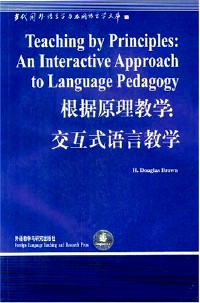
Teaching by Principles:An Interactive Approach to Language Pedagogy
副标题:无
分类号:
ISBN:9787560024615
微信扫一扫,移动浏览光盘
简介
在成功出版《文库》首批54种的基础上,外研社现在又推出《文库》第二批58种。《文库》第二批具有五大特色:一、由58部英文原著组成,所覆盖的学科从首批的26个增加到现在的33个,新增学科包括语言学史、语言哲学、认知语言学、人类语言学、语言的起源、语法化学说等,能更广泛地满足读者的需求;二、收入了当代语言学大师索绪尔、萨丕尔、布龙菲尔德、韩礼德、乔姆斯基、奥斯汀、格莱斯、利奇等名家的最有影响的伤口具有更高的权威性;三、增加了牛津大学出版社、哈佛大学出版社等世界知名出版社出版的语言学经典著作;四、依然配有专家导读,专家的队伍比首批更为强大;五、世界著名语言学家乔姆斯基教授和我国著名语言学家沈家煊教授作序。
本《文库》是一个大型的、开放性的系列丛书,它将对我国语言教学与研究和外语教学与研究起到积极的推动作用。今后,外研社还将继续引进,争取把国外最新的、最具影响的语言学和应用语言学著作不断地奉献给广大读者。更多>>
目录
prefacebyhalliday
王宗炎序
prefacebychomsky
沈家煊序
导读
preface
acknowledgments
partifoundationsforclassroompractice
chapter1wheredoibegin?
aclassromobservation,4
beneaththelesson,10
topicsfordiscussion,action,andresearch,13
foryourfurtherreading,14
chapter2teachingbyprinciples
cognitiveprinciples,16
affectiveprinciples,22
linguisticprinciples,26
topicsfordiscussion,action,andresearch,31
foryourfurtherreading,32
chapter3intrinsicmotivationintheclassroom
.definingmotivation,34
deadpoetssociety,37
intrinsicandextrinsicmotivation,38
intrinsicmotivationineducation,39
intrinsicmotivationinthesecondlanguage
classroom,42
topicsfordiscussion,action,andresearch,45
foryourfurtherreading,46
chapter4a"methodical"historyoflanguageteaching
approach,method,technique,48
changingwindsandshiftingsands,51
thegrammartranslationmethod,52
gouinandtheseriesmethod,54
thedirectmethod,55
theaudiolingualmethod,56
"designer"methodsofthespiritedseventies,58
beyondmethod:notional-functionalsyllabuses,66
topicsfordiscussion,action,andresearch,69
foryourfurtherreading,72
chapter5thepresent:aninformed"approach"73
anapproachforenlightenedeclectics,74
communicativelanguageteaching,77
untanglingsomecurrentjargon,80
topicsfordiscussion,action,andresearch,84
foryourfurtherbeading,85
partiicontextsofteaching
chapter6learnervariablesi:teachingacrossagelevels89
teachingchildren,90
teachingadults,94
teachinginbetween,95
topicsfordiscussion,action,andresearch,97
foryourfurtherreading,98
chapter7learnervariablesii:teachingacross
proficiencylevels99
definingproficiencylevels,100
teachingbeginninglevels,101
teachingintermediatelevels,111
teachingadvancedlevels,114
topicsfordiscussion,action,andresearch,117
foryourfurtherreading,i18
chapter8sociopoliticalandinstitutionalcontexts119
sociopoliticalcontexts,119
secondandforeignlanguagecontexts,120
englishasaninternationallanguage,122
languagepolicyissues,123
institutionalcontexts,125
topicsfordiscussion,action,andresearch,130
foryourfurtherreading,131
partiiidesigningandimplementingclassroomtechniques
chapter9techniquesandmaterials135
techniquesredefined,136
categorizingtechniques:abitofhistory,137
ataxonomyoftechniques,141
supportingmaterials,144
topicsfordiscussion,action,andresearch,154
foryourfurtherreading,i55
chapter10interactivelanguageteachingi:
initiatinginteraction157
whatisinteraction?159
interactiveprinciples,159
rolesoftheinteractiveteacher,160
foreignlanguageinteractionanalysis,162
questioningstrategiesforinteractivelearning,164
topicsfordiscussion,action,andresearch,168
foryourfurtherreading,169
chapter11interactivelanguageteachingii:
sustaininginteractionthroughgroupwork171
advantagesofgroupwork,173
excusesforavoidinggroupwork,175
implementinggroupworkinyourclassroom,178
topicsfordiscussion,action,andresearch,187
foryourfurtherreading,188
chapter12learnerstrategytraining189
strategicinvestment,190
goodandbadlanguagelearners,191
stylesofsuccessfullanguagelearning,192
developingstudentself-awareness
ofstyletendencies,193
howtoteachstrategiesintheclassroom,200
"packaged"modelsoflearnerstrategytraining,209
topicsfordiscussion,action,andresearch,213
foryourfurtherreading,214
chapter13integratingthe"fourskills"217
whyintegration?218
content-basedteaching,220
theme-basedteaching,221
experientiallearning,224
theepisodehypothesis,225
task-basedteaching,227
topicsfordiscussion,action,andresearch,231
foryourfurtherreading,232
chapter14teachinglisteningcomprehension233
listeningcomprehensioninpedagogicalresearch,234
aninteractivemodeloflisteningcomprehension,235
typesofspokenlanguage,236
whatmakeslisteningdifficult?238
microskillsoflisteningcomprehension,241
typesofclassroomlisteningperformance,242
principlesfordesigninglisteningtechniques,244
listeningtechniquesfrombeginningtoadvanced,247
topicsfordiscussion,action,andresearch,251
foryourfurtherreading,252
chapter15teachingoralcommunicationskills253
oralcommunicationskillsinpedagogicalresearch,254
typesofspokenlanguage,256
whatmakesspeakingdifficult?256
microskillsoforalcommunication,257
teachingpronunciation:thenandnow,258
factorsaffectingpronunciationlearning,259
amodelforcorrectionofspeecherrors,262
typesofclassroomspeakingperformance,266
principlesfordesigningspeakingtechniques,268
techniquesforteachingoralcommunicationskills,270
topicsfordiscussion,action,andresearch,279
foryourfurtherreading,251
chapter16teachingreading283
researchonreadingasecondlanguage,283
typesofwrittenlanguage,286
characteristicsofwrittenlanguage,287
microskillsforreadingcomprehension,290
strategiesforreadingcomprehension,291
typesofclassroomreadingperformance,297
principlesfordesigninginteractive
readingtechniques,298
tworeadinglessons,301
topicsfordiscussion,action,andbesearch,316
foryourfurtherreading,317
chapter17teachingwritingskills319
researchonsecondlanguagewriting,320
typesofwrittenlanguage,325
characteristicsofwrittenlanguage:awriter'sview,325
microskillsforwriting,327
typesofclassroomwritingperformance,327
principlesfordesigningwritingtechniques,330
topicsfordiscussion,action,andbesearch,344
foryourfurtherreading,345
chapter18theplaceofgrammarandvocabulary347
theplaceofgrammar,347
toteachornottoteachgrammar,349
issuesabouthowtoteachgrammar,351
grammartechniques,354
grammarsequencingintextbooksandcurricula,364
a"word"aboutvocabularyteaching,365
topicsfordiscussion,action,andresearch,370
foryourfurtherreading,371
chapter19creatinginteractive,intrinsically
motivatingtests373
testingandteaching,375
signsofhopeinlanguagetesting,376
intrinsicallymotivatinglanguagetests,382
somepracticalstepstotestconstruction,386
testscanaidlearning!390
topicsfordiscussion,action,andresearch,391
foryourfurtherreading,392
partivclassroompracticalities
chapter20howtoplanalesson395
formatofalessonplan,396
guidelinesforlessonplanning,398
samplelessonplan,403
topicsfordiscussion,action,andresearch,409
foryourfurtherreading,410
chapter21classroommanagement411
theclassroomitself,412
yourvoiceandbodylanguage,413
unplannedteaching:midstreamlessonchanges,414
teachingunderadversecircumstances,415
teachers'rolesandstyles,419
creatingapositiveclassroomclimate,421
topicsfordiscussion,action,andresearch,422
foryourfurtherreading,424
chapter22lifelonglearning:continuingyour
teachereducation425
peakperformers,426
the"good"languageteacher,428
classroomobservation,431
classroomresearch,437
agentsforchange,441
topicsfordiscussion,action,andresearch,442
foryourfurtherreading,443
bibliography445
index461
文库索引468
王宗炎序
prefacebychomsky
沈家煊序
导读
preface
acknowledgments
partifoundationsforclassroompractice
chapter1wheredoibegin?
aclassromobservation,4
beneaththelesson,10
topicsfordiscussion,action,andresearch,13
foryourfurtherreading,14
chapter2teachingbyprinciples
cognitiveprinciples,16
affectiveprinciples,22
linguisticprinciples,26
topicsfordiscussion,action,andresearch,31
foryourfurtherreading,32
chapter3intrinsicmotivationintheclassroom
.definingmotivation,34
deadpoetssociety,37
intrinsicandextrinsicmotivation,38
intrinsicmotivationineducation,39
intrinsicmotivationinthesecondlanguage
classroom,42
topicsfordiscussion,action,andresearch,45
foryourfurtherreading,46
chapter4a"methodical"historyoflanguageteaching
approach,method,technique,48
changingwindsandshiftingsands,51
thegrammartranslationmethod,52
gouinandtheseriesmethod,54
thedirectmethod,55
theaudiolingualmethod,56
"designer"methodsofthespiritedseventies,58
beyondmethod:notional-functionalsyllabuses,66
topicsfordiscussion,action,andresearch,69
foryourfurtherreading,72
chapter5thepresent:aninformed"approach"73
anapproachforenlightenedeclectics,74
communicativelanguageteaching,77
untanglingsomecurrentjargon,80
topicsfordiscussion,action,andresearch,84
foryourfurtherbeading,85
partiicontextsofteaching
chapter6learnervariablesi:teachingacrossagelevels89
teachingchildren,90
teachingadults,94
teachinginbetween,95
topicsfordiscussion,action,andresearch,97
foryourfurtherreading,98
chapter7learnervariablesii:teachingacross
proficiencylevels99
definingproficiencylevels,100
teachingbeginninglevels,101
teachingintermediatelevels,111
teachingadvancedlevels,114
topicsfordiscussion,action,andresearch,117
foryourfurtherreading,i18
chapter8sociopoliticalandinstitutionalcontexts119
sociopoliticalcontexts,119
secondandforeignlanguagecontexts,120
englishasaninternationallanguage,122
languagepolicyissues,123
institutionalcontexts,125
topicsfordiscussion,action,andresearch,130
foryourfurtherreading,131
partiiidesigningandimplementingclassroomtechniques
chapter9techniquesandmaterials135
techniquesredefined,136
categorizingtechniques:abitofhistory,137
ataxonomyoftechniques,141
supportingmaterials,144
topicsfordiscussion,action,andresearch,154
foryourfurtherreading,i55
chapter10interactivelanguageteachingi:
initiatinginteraction157
whatisinteraction?159
interactiveprinciples,159
rolesoftheinteractiveteacher,160
foreignlanguageinteractionanalysis,162
questioningstrategiesforinteractivelearning,164
topicsfordiscussion,action,andresearch,168
foryourfurtherreading,169
chapter11interactivelanguageteachingii:
sustaininginteractionthroughgroupwork171
advantagesofgroupwork,173
excusesforavoidinggroupwork,175
implementinggroupworkinyourclassroom,178
topicsfordiscussion,action,andresearch,187
foryourfurtherreading,188
chapter12learnerstrategytraining189
strategicinvestment,190
goodandbadlanguagelearners,191
stylesofsuccessfullanguagelearning,192
developingstudentself-awareness
ofstyletendencies,193
howtoteachstrategiesintheclassroom,200
"packaged"modelsoflearnerstrategytraining,209
topicsfordiscussion,action,andresearch,213
foryourfurtherreading,214
chapter13integratingthe"fourskills"217
whyintegration?218
content-basedteaching,220
theme-basedteaching,221
experientiallearning,224
theepisodehypothesis,225
task-basedteaching,227
topicsfordiscussion,action,andresearch,231
foryourfurtherreading,232
chapter14teachinglisteningcomprehension233
listeningcomprehensioninpedagogicalresearch,234
aninteractivemodeloflisteningcomprehension,235
typesofspokenlanguage,236
whatmakeslisteningdifficult?238
microskillsoflisteningcomprehension,241
typesofclassroomlisteningperformance,242
principlesfordesigninglisteningtechniques,244
listeningtechniquesfrombeginningtoadvanced,247
topicsfordiscussion,action,andresearch,251
foryourfurtherreading,252
chapter15teachingoralcommunicationskills253
oralcommunicationskillsinpedagogicalresearch,254
typesofspokenlanguage,256
whatmakesspeakingdifficult?256
microskillsoforalcommunication,257
teachingpronunciation:thenandnow,258
factorsaffectingpronunciationlearning,259
amodelforcorrectionofspeecherrors,262
typesofclassroomspeakingperformance,266
principlesfordesigningspeakingtechniques,268
techniquesforteachingoralcommunicationskills,270
topicsfordiscussion,action,andresearch,279
foryourfurtherreading,251
chapter16teachingreading283
researchonreadingasecondlanguage,283
typesofwrittenlanguage,286
characteristicsofwrittenlanguage,287
microskillsforreadingcomprehension,290
strategiesforreadingcomprehension,291
typesofclassroomreadingperformance,297
principlesfordesigninginteractive
readingtechniques,298
tworeadinglessons,301
topicsfordiscussion,action,andbesearch,316
foryourfurtherreading,317
chapter17teachingwritingskills319
researchonsecondlanguagewriting,320
typesofwrittenlanguage,325
characteristicsofwrittenlanguage:awriter'sview,325
microskillsforwriting,327
typesofclassroomwritingperformance,327
principlesfordesigningwritingtechniques,330
topicsfordiscussion,action,andbesearch,344
foryourfurtherreading,345
chapter18theplaceofgrammarandvocabulary347
theplaceofgrammar,347
toteachornottoteachgrammar,349
issuesabouthowtoteachgrammar,351
grammartechniques,354
grammarsequencingintextbooksandcurricula,364
a"word"aboutvocabularyteaching,365
topicsfordiscussion,action,andresearch,370
foryourfurtherreading,371
chapter19creatinginteractive,intrinsically
motivatingtests373
testingandteaching,375
signsofhopeinlanguagetesting,376
intrinsicallymotivatinglanguagetests,382
somepracticalstepstotestconstruction,386
testscanaidlearning!390
topicsfordiscussion,action,andresearch,391
foryourfurtherreading,392
partivclassroompracticalities
chapter20howtoplanalesson395
formatofalessonplan,396
guidelinesforlessonplanning,398
samplelessonplan,403
topicsfordiscussion,action,andresearch,409
foryourfurtherreading,410
chapter21classroommanagement411
theclassroomitself,412
yourvoiceandbodylanguage,413
unplannedteaching:midstreamlessonchanges,414
teachingunderadversecircumstances,415
teachers'rolesandstyles,419
creatingapositiveclassroomclimate,421
topicsfordiscussion,action,andresearch,422
foryourfurtherreading,424
chapter22lifelonglearning:continuingyour
teachereducation425
peakperformers,426
the"good"languageteacher,428
classroomobservation,431
classroomresearch,437
agentsforchange,441
topicsfordiscussion,action,andresearch,442
foryourfurtherreading,443
bibliography445
index461
文库索引468
Teaching by Principles:An Interactive Approach to Language Pedagogy
- 名称
- 类型
- 大小
光盘服务联系方式: 020-38250260 客服QQ:4006604884
云图客服:
用户发送的提问,这种方式就需要有位在线客服来回答用户的问题,这种 就属于对话式的,问题是这种提问是否需要用户登录才能提问
Video Player
×
Audio Player
×
pdf Player
×
