

简介
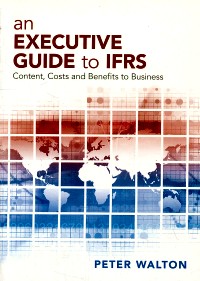
""A comprehensive and invaluable guide to IFRS which users will find indispensable in correctly applying the complex and onerous requirements of IFRS and IAS." Steve Collings, FMAAT, FCCA, Leavitt Walmsley Associates and author of Interpretation and Application of International Standards on Auditing. International Financial Reporting Standards have been mandatory in the EU since 2005 and are rapidly being adopted by countries throughout the world. In this environment it is increasingly important for managers, executives and CEOs to understand the background of the IFRS and their main requirements. In An Executive Guide to IFRS: Content, Costs and Benefits to Business, Peter Walton provides a concise and accessible guide to the principal features of IFRS, explains why they are useful, looks at their impact on businesses, and provides some of the context to help define their global role. The book is divided into three sections. Part one deals with the convergence process and its costs and benefits, and gives background on the story so far. Part two contains the main technical content of the book and provides an analysis of the main issues under IFRS reporting, including: The content of financial statements, Investments in other companies, Income Statement and Balance Sheet items, IFRS for SMEs, and A comparison with US GAAP. Part three covers the creation of the IFRS, provides details of the IASB鈥檚 standard-setting process, and describes how people outside the IASB can participate in the process and lobby effectively. It also examines the history of the IASB, and includes a chapter based on the author鈥檚 observation of the standard setters in action. An Executive Guide to IFRS is an invaluable resource for anyone seeking to understand the essentials of International Financial Reporting Standards"--
"This book explains the movement towards a worldwide standard of financial reporting for listed companies as an aid to efficient investment"--
目录
Preface p. ix
Acknowledgements p. x
About the author p. xi
Worldwide convergence on IFRS p. 1
Convergence p. 3
Large company advantages p. 5
Why governments support IFRS p. 7
The use of IAS/IFRS in the world p. 8
Problems with convergence p. 10
Modified convergence p. 13
Small and medium-sized business p. 13
Conclusion p. 14
Content of financial statements p. 15
IAS 1 presentation of financial statements p. 18
Statement of Comprehensive Income p. 19
Statement of Financial Position p. 23
Statement of Cash Flows p. 26
Statement of Changes in Equity p. 30
Accounting policies and changes p. 30
Fair presentation p. 33
Conventions p. 34
Interim financial statements p. 34
Conclusion p. 36
Appendix: The IASB Conceptual Framework p. 37
Qualitative characteristics p. 39
Assets and liabilities p. 41
Investments in other companies p. 45
Consolidation p. 46
Translation of foreign subsidiaries p. 48
Business combinations p. 51
Investments in associates p. 54
Joint ventures p. 55
Assets held for disposal p. 56
Equity investments p. 57
Conclusion p. 58
Appendix: Fair value measurement p. 59
The market p. 60
Measurement hierarchy p. 61
Highest and best use p. 62
Liabilities p. 63
Conclusion p. 64
Income statement items p. 65
Revenue recognition p. 66
Agriculture p. 70
Government grants p. 71
Pensions p. 72
Stock options p. 75
Inventories p. 78
Income taxes p. 79
Interest expense p. 80
Foreign exchange differences p. 82
Accounting in hyperinflationary economies p. 83
Conclusion p. 84
Balance sheet items p. 85
Property, plant and equipment p. 86
Investment property p. 89
Leased assets p. 90
Intangible assets p. 92
Mineral rights p. 94
Impairment p. 95
Assets held for sale p. 99
Financial instruments p. 100
Disclosures about financial instruments p. 105
Defining equity p. 106
Liabilities p. 109
Contingent liabilities p. 112
Conclusion p. 113
Other significant standards p. 115
First time adoption p. 115
Related party transactions p. 118
Segment reporting p. 120
Concessions p. 122
Events after balance sheet date p. 123
Insurance p. 124
Conclusion p. 126
The IFRS for SMEs p. 127
Development of the standard p. 128
Content p. 131
Conclusion p. 134
Comparison with US GAAP p. 137
Conceptual Framework p. 140
Consolidation p. 142
Financial instruments p. 143
Offsetting p. 146
Non-financial assets p. 147
Impairment p. 149
Miscellaneous p. 150
Conclusion p. 153
The IASB's standard-setting process p. 155
Due process p. 157
Discussion paper p. 159
Exposure draft p. 160
New standard p. 163
Interpretations p. 165
Structure p. 168
Finance p. 170
Lobbying the IASB p. 171
Monitoring the IASB p. 173
Conclusion p. 174
History of the IASB p. 175
The start-up phase p. 176
Steady progress p. 177
The enhancement phase p. 180
Transition p. 185
Global convergence p. 189
Relations with the US p. 191
Relations with Europe p. 192
The financial crisis p. 195
Conclusion p. 197
Observer notes p. 199
Standard-setters are people p. 200
What sort of people? p. 201
What do they think? p. 205
Fair value controversies p. 209
Executory contracts p. 211
True and fair view p. 213
Anti-abuse measures p. 213
Conclusions p. 216
Further reading p. 217
Index p. 221
Acknowledgements p. x
About the author p. xi
Worldwide convergence on IFRS p. 1
Convergence p. 3
Large company advantages p. 5
Why governments support IFRS p. 7
The use of IAS/IFRS in the world p. 8
Problems with convergence p. 10
Modified convergence p. 13
Small and medium-sized business p. 13
Conclusion p. 14
Content of financial statements p. 15
IAS 1 presentation of financial statements p. 18
Statement of Comprehensive Income p. 19
Statement of Financial Position p. 23
Statement of Cash Flows p. 26
Statement of Changes in Equity p. 30
Accounting policies and changes p. 30
Fair presentation p. 33
Conventions p. 34
Interim financial statements p. 34
Conclusion p. 36
Appendix: The IASB Conceptual Framework p. 37
Qualitative characteristics p. 39
Assets and liabilities p. 41
Investments in other companies p. 45
Consolidation p. 46
Translation of foreign subsidiaries p. 48
Business combinations p. 51
Investments in associates p. 54
Joint ventures p. 55
Assets held for disposal p. 56
Equity investments p. 57
Conclusion p. 58
Appendix: Fair value measurement p. 59
The market p. 60
Measurement hierarchy p. 61
Highest and best use p. 62
Liabilities p. 63
Conclusion p. 64
Income statement items p. 65
Revenue recognition p. 66
Agriculture p. 70
Government grants p. 71
Pensions p. 72
Stock options p. 75
Inventories p. 78
Income taxes p. 79
Interest expense p. 80
Foreign exchange differences p. 82
Accounting in hyperinflationary economies p. 83
Conclusion p. 84
Balance sheet items p. 85
Property, plant and equipment p. 86
Investment property p. 89
Leased assets p. 90
Intangible assets p. 92
Mineral rights p. 94
Impairment p. 95
Assets held for sale p. 99
Financial instruments p. 100
Disclosures about financial instruments p. 105
Defining equity p. 106
Liabilities p. 109
Contingent liabilities p. 112
Conclusion p. 113
Other significant standards p. 115
First time adoption p. 115
Related party transactions p. 118
Segment reporting p. 120
Concessions p. 122
Events after balance sheet date p. 123
Insurance p. 124
Conclusion p. 126
The IFRS for SMEs p. 127
Development of the standard p. 128
Content p. 131
Conclusion p. 134
Comparison with US GAAP p. 137
Conceptual Framework p. 140
Consolidation p. 142
Financial instruments p. 143
Offsetting p. 146
Non-financial assets p. 147
Impairment p. 149
Miscellaneous p. 150
Conclusion p. 153
The IASB's standard-setting process p. 155
Due process p. 157
Discussion paper p. 159
Exposure draft p. 160
New standard p. 163
Interpretations p. 165
Structure p. 168
Finance p. 170
Lobbying the IASB p. 171
Monitoring the IASB p. 173
Conclusion p. 174
History of the IASB p. 175
The start-up phase p. 176
Steady progress p. 177
The enhancement phase p. 180
Transition p. 185
Global convergence p. 189
Relations with the US p. 191
Relations with Europe p. 192
The financial crisis p. 195
Conclusion p. 197
Observer notes p. 199
Standard-setters are people p. 200
What sort of people? p. 201
What do they think? p. 205
Fair value controversies p. 209
Executory contracts p. 211
True and fair view p. 213
Anti-abuse measures p. 213
Conclusions p. 216
Further reading p. 217
Index p. 221
- 名称
- 类型
- 大小
光盘服务联系方式: 020-38250260 客服QQ:4006604884
云图客服:
用户发送的提问,这种方式就需要有位在线客服来回答用户的问题,这种 就属于对话式的,问题是这种提问是否需要用户登录才能提问
Video Player
×
Audio Player
×
pdf Player
×
