

简介
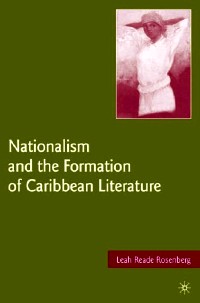
This book tells the story of how intellectuals in the English-speaking Caribbean first created a distinctly Caribbean and national literature. As traditionally told, this story begins in the 1950s with the arrival and triumph of V.S. Naipaul, George Lamming, and their peers in the London literary scene. However, Afro-Caribbeans were writing literature already in the 1840s as part of larger movements for political rights, economic opportunity, and social status. Rosenberg offers a history of this first one hundred years of anglophone Caribbean literature and a critique of Caribbean literary studies that explains its neglect. A historically contextualized study of both canonical and noncanonical writers, this book makes the case that the few well-known Caribbean writers from this earlier period, Claude McKay, Jean Rhys, and C.L.R. James, participated in a larger Caribbean literary movement that directly contributed to the rise of nationalism in the region. This movement reveals the prominence of Indian and other immigrant groups, of feminism, and of homosexuality in the formation of national literatures.
目录
Table of Contents
Introduction: The Power of Exile
Chapter One: "Under the Hog Plum Tree"
Literary Claims for Citizenship in Nineteenth-Century Trinidad
Chapter Two: the Accidental Modernist
Thomas MacDermot and Jamaican Literature
Chapter Three: Herbert's Career
H.G. de Lisser and the Business of National Literature
Chapter Four: The New Primitivism
Gender and Nation in McKay's Internationalism
Chapter Five: The Realpolitik of Yard Fiction
Trinidad's Beacon Group
193
Chapter Six: The Pitfalls of Feminist Nationalism
and the Career of Una Marson
Chapter Seven: "Fishy Waters"
Jean Rhys and West Indian Writing before 1940
Bibliography
- 名称
- 类型
- 大小
光盘服务联系方式: 020-38250260 客服QQ:4006604884
云图客服:
用户发送的提问,这种方式就需要有位在线客服来回答用户的问题,这种 就属于对话式的,问题是这种提问是否需要用户登录才能提问
Video Player
×
Audio Player
×
pdf Player
×
