

简介
Summary:
Publisher Summary 1
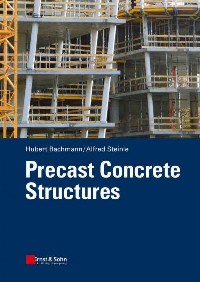
The second edition of this volume on building with precast concrete provides updated information on German and European standards for a variety of industrial construction techniques and processes. Beginning with an overview of the historical development of precast construction and European standardization of the practice, the volume details several areas of component design including load bearing elements, suspended floors, walls and foundations, joining mechanisms between precast elements, and methods and best practices in factory production of precast components. The work includes numerous illustrations and technical drawings as well as load, span and other important charts and tables. A CD-ROM providing complimentary design software is included. Steinle and Bachmann are experienced construction engineers and experts on German and European building codes and standards. Annotation 漏2011 Book News, Inc., Portland, OR (booknews.com)
Publisher Summary 2
The book reflects the current situation in precast concrete construction. Besides general observations regarding building with precast concrete elements, the book focuses first and foremost on the boundary conditions for the design of precast concrete structures, loadbearing elements and fa?ades. Connections and specific structural and constructional issues are covered in detail and stability of precast concrete structures is another central theme. The requirements brought about by the emergence of the European Single Market are explained and the diverse possibilities for fa?ade design are presented. A chapter on the production processes provides the reader with an indispensable insight into the characteristics of this form of industrialised building.
The book is a practical tool for engineers, but certainly also architects and students.
One of the authors' intentions is to demonstrate to engineers and architects the possibilities that factory prefabrication can offer, and hence pave the way towards the economic application and ongoing development of precast concrete construction.
目录
Table Of Contents:
Preface vii
Authors ix
Preliminary remarks 1(1)
Standards, leaflets and directives 2(3)
1 General 5(10)
1.1 The advantages of factory production 5(1)
1.2 Historical development 6(3)
1.3 European standardisation 9(6)
2 Design of precast concrete structures 15(160)
2.1 Boundary conditions for precast concrete design 16(12)
2.1.1 Production process 16(1)
2.1.2 Tolerances 16(5)
2.1.3 Transport and erection 21(2)
2.1.4 Fire protection 23(5)
2.2 Stability of precast concrete structures 28(50)
2.2.1 Arrangement of stability elements 28(5)
2.2.2 Loads on stability elements 33(12)
2.2.3 Distribution of horizontal loads 45(13)
2.2.4 Verificationof building stability 58(4)
2.2.5 Structural design of floor diaphragms 62(5)
2.2.6 Structural design of vertical stability elements 67(5)
2.2.7 Design of perimeter ties to DIN 1045-1 72(6)
2.3 Loadbearing elements 78(23)
2.3.1 Suspended floor elements 78(7)
2.3.2 Floor and roof beams 85(9)
2.3.3 Columns 94(3)
2.3.4 Walls 97(2)
2.3.5 Foundations 99(2)
2.4 Precast concrete facades 101(29)
2.4.1 Environmental influences and the requirements of building physics 102(2)
2.4.2 Facade design 104(8)
2.4.3 Joint design 112(4)
2.4.4 Facade fixings 116(9)
2.4.5 Architectural facades 125(5)
2.5 Connections 130(9)
2.6 Current design issues 139(36)
2.6.1 Additions to cross-sections, floors with concrete topping 139(4)
2.6.2 Corbels and notched beam ends 143(13)
2.6.3 Lateral buckling 156(7)
2.6.4 Pad foundations 163(4)
2.6.5 Design for fire 167(8)
3 Joints between precast concrete elements 175(38)
3.1 Compression joints 175(15)
3.1.1 Butt joints 175(5)
3.1.2 Zones of support to DIN 1045-1 180(1)
3.1.3 Elastomeric bearings to DIN 4141 181(7)
3.1.4 Elastomeric bearings to DIN EN 1337 188(2)
3.2 Tension joints 190(13)
3.2.1 Welded joints 190(3)
3.2.2 Anchoring steel plates, dowels, studs and cast-in channels 193(2)
3.2.3 Shear dowels 195(3)
3.2.4 Screw couplers 198(1)
3.2.5 Transport fixings 199(2)
3.2.6 Retrofitted corbels 201(2)
3.3 Shear joints 203(10)
3.3.1 General 203(1)
3.3.2 Floor diaphragms and wall plates - in-plane shear forces 204(5)
3.3.3 Joints in suspended floor slabs - out-of-plane shear forces 209(4)
4 Factory production 213(32)
4.1 Production methods 213(6)
4.2 Types of concrete in precast concrete construction 219(8)
4.2.1 Processing properties 220(1)
4.2.2 Strength 220(3)
4.2.3 Self-compacting concrete (SCC) 223(1)
4.2.4 Fibre-reinforced concrete 224(1)
4.2.5 Coloured and structured concrete surfaces 225(2)
4.3 Producing the concrete in the factory 227(6)
4.3.1 Heat treatment and curing 227(2)
4.3.2 Working hardened concrete surfaces 229(2)
4.3.3 Coating and cladding 231(2)
4.4 Installing the reinforcement in the factory 233(12)
4.4.1 Round bars and meshes 233(4)
4.4.2 Prestressing beds 237(5)
4.5 Quality control 242(3)
References 245(14)
Index 259
Preface vii
Authors ix
Preliminary remarks 1(1)
Standards, leaflets and directives 2(3)
1 General 5(10)
1.1 The advantages of factory production 5(1)
1.2 Historical development 6(3)
1.3 European standardisation 9(6)
2 Design of precast concrete structures 15(160)
2.1 Boundary conditions for precast concrete design 16(12)
2.1.1 Production process 16(1)
2.1.2 Tolerances 16(5)
2.1.3 Transport and erection 21(2)
2.1.4 Fire protection 23(5)
2.2 Stability of precast concrete structures 28(50)
2.2.1 Arrangement of stability elements 28(5)
2.2.2 Loads on stability elements 33(12)
2.2.3 Distribution of horizontal loads 45(13)
2.2.4 Verificationof building stability 58(4)
2.2.5 Structural design of floor diaphragms 62(5)
2.2.6 Structural design of vertical stability elements 67(5)
2.2.7 Design of perimeter ties to DIN 1045-1 72(6)
2.3 Loadbearing elements 78(23)
2.3.1 Suspended floor elements 78(7)
2.3.2 Floor and roof beams 85(9)
2.3.3 Columns 94(3)
2.3.4 Walls 97(2)
2.3.5 Foundations 99(2)
2.4 Precast concrete facades 101(29)
2.4.1 Environmental influences and the requirements of building physics 102(2)
2.4.2 Facade design 104(8)
2.4.3 Joint design 112(4)
2.4.4 Facade fixings 116(9)
2.4.5 Architectural facades 125(5)
2.5 Connections 130(9)
2.6 Current design issues 139(36)
2.6.1 Additions to cross-sections, floors with concrete topping 139(4)
2.6.2 Corbels and notched beam ends 143(13)
2.6.3 Lateral buckling 156(7)
2.6.4 Pad foundations 163(4)
2.6.5 Design for fire 167(8)
3 Joints between precast concrete elements 175(38)
3.1 Compression joints 175(15)
3.1.1 Butt joints 175(5)
3.1.2 Zones of support to DIN 1045-1 180(1)
3.1.3 Elastomeric bearings to DIN 4141 181(7)
3.1.4 Elastomeric bearings to DIN EN 1337 188(2)
3.2 Tension joints 190(13)
3.2.1 Welded joints 190(3)
3.2.2 Anchoring steel plates, dowels, studs and cast-in channels 193(2)
3.2.3 Shear dowels 195(3)
3.2.4 Screw couplers 198(1)
3.2.5 Transport fixings 199(2)
3.2.6 Retrofitted corbels 201(2)
3.3 Shear joints 203(10)
3.3.1 General 203(1)
3.3.2 Floor diaphragms and wall plates - in-plane shear forces 204(5)
3.3.3 Joints in suspended floor slabs - out-of-plane shear forces 209(4)
4 Factory production 213(32)
4.1 Production methods 213(6)
4.2 Types of concrete in precast concrete construction 219(8)
4.2.1 Processing properties 220(1)
4.2.2 Strength 220(3)
4.2.3 Self-compacting concrete (SCC) 223(1)
4.2.4 Fibre-reinforced concrete 224(1)
4.2.5 Coloured and structured concrete surfaces 225(2)
4.3 Producing the concrete in the factory 227(6)
4.3.1 Heat treatment and curing 227(2)
4.3.2 Working hardened concrete surfaces 229(2)
4.3.3 Coating and cladding 231(2)
4.4 Installing the reinforcement in the factory 233(12)
4.4.1 Round bars and meshes 233(4)
4.4.2 Prestressing beds 237(5)
4.5 Quality control 242(3)
References 245(14)
Index 259
- 名称
- 类型
- 大小
光盘服务联系方式: 020-38250260 客服QQ:4006604884
云图客服:
用户发送的提问,这种方式就需要有位在线客服来回答用户的问题,这种 就属于对话式的,问题是这种提问是否需要用户登录才能提问
Video Player
×
Audio Player
×
pdf Player
×
亲爱的云图用户,
光盘内的文件都可以直接点击浏览哦
无需下载,在线查阅资料!
