

简介
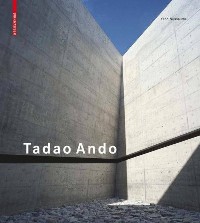
The minimalist concrete architecture of Tadao Ando has roots both in Japanese traditions and in Western architecture. This book begins with both contexts: it explores how Ando unites Japanese tradition with a contemporary Western architectural idiom. By analyzing systematically and chronologically the roots and sources that have influenced the thinking of the Pritzker Prizea "winning architect, the author communicates the principles and constants to which Andoa (TM)s buildings can be traced back, and at the same time he places them in the appropriate context within the architecta (TM)s characteristic ideas and intentions. Yann Nussaume teaches at the Ecole Nationale SupA(c)rieure da (TM)architecture in Paris and is the author of numerous publications on Japanese and Chinese architecture.
目录
Table Of Contents:
Preface 6(6)
The Japanese Context 12(18)
The Maturation of the Setting 14(6)
Ando's Place in the Development of Contemporary Japanese Architecture 20(10)
Matrix: Childhood in Osaka/Kansai 30(12)
An Open City Poised Between Tradition and Modernity 32(1)
Living in a Neighborhood in Contact with Artisans 33(3)
Living in a Row House: Between Darkness and Light 36(6)
A Self-Taught Man 42(6)
From Boxing to Design 43(1)
Building Practical Experience Through Self-Training 44(1)
An Inner Voyage 45(3)
First Architectural Experiments 48(12)
The Urban and Architectural Context 49(3)
Fundamental Spaces for Emotions 52(3)
First Prototypes 55(3)
``Essential Spaces'' and the ``Emergence of Sentiments'' 58(2)
Toward a Progressive Openness of Buildings 60(12)
Delineation and Convergence with Surroundings 63(1)
Projects That Open Partway 64(8)
Establishment of an Architectural Style 72(34)
The Whole versus the Parts, and the Connection to Tradition 74(4)
Architecture, Nature, and Abstraction 78(3)
Concrete, Courtyards, Geometry, and Shintai 81(1)
The Development of an Architectural Vocabulary 82(4)
Geometrical Forms and the Interconnection with the Landscape 86(4)
The Enclosing Wall as a Unifying Element 90(4)
The ``Initiatory Route'' 94(7)
The Role of Intermediary Spaces 101(5)
Buildings as Catalysts for Landscapes 106(28)
The Importance of Sites 111(3)
Projects That Transcend the Unique Characteristics of Their Sites 114(14)
A Set of Remarkable Symbols 128(6)
Buildings as Indicators of Place 134(32)
Regenerating the Environment 142(4)
Toward Buildings That Are One with the Landscape 146(10)
Spare Architectural Forms 156(1)
From Inconspicuousness to Invisibility 156(8)
Architecture as Landscape or Landscape as Architecture? 164(2)
Ando: A Source of Inspiration? 166(16)
Beyond the Architectural Sphere 170(7)
Influence on New Japanese Architecture 177(5)
Biography 182(2)
Notes 184(2)
Bibliography 186(4)
Index of Persons and Projects 190(2)
Illustration Credits 192
Preface 6(6)
The Japanese Context 12(18)
The Maturation of the Setting 14(6)
Ando's Place in the Development of Contemporary Japanese Architecture 20(10)
Matrix: Childhood in Osaka/Kansai 30(12)
An Open City Poised Between Tradition and Modernity 32(1)
Living in a Neighborhood in Contact with Artisans 33(3)
Living in a Row House: Between Darkness and Light 36(6)
A Self-Taught Man 42(6)
From Boxing to Design 43(1)
Building Practical Experience Through Self-Training 44(1)
An Inner Voyage 45(3)
First Architectural Experiments 48(12)
The Urban and Architectural Context 49(3)
Fundamental Spaces for Emotions 52(3)
First Prototypes 55(3)
``Essential Spaces'' and the ``Emergence of Sentiments'' 58(2)
Toward a Progressive Openness of Buildings 60(12)
Delineation and Convergence with Surroundings 63(1)
Projects That Open Partway 64(8)
Establishment of an Architectural Style 72(34)
The Whole versus the Parts, and the Connection to Tradition 74(4)
Architecture, Nature, and Abstraction 78(3)
Concrete, Courtyards, Geometry, and Shintai 81(1)
The Development of an Architectural Vocabulary 82(4)
Geometrical Forms and the Interconnection with the Landscape 86(4)
The Enclosing Wall as a Unifying Element 90(4)
The ``Initiatory Route'' 94(7)
The Role of Intermediary Spaces 101(5)
Buildings as Catalysts for Landscapes 106(28)
The Importance of Sites 111(3)
Projects That Transcend the Unique Characteristics of Their Sites 114(14)
A Set of Remarkable Symbols 128(6)
Buildings as Indicators of Place 134(32)
Regenerating the Environment 142(4)
Toward Buildings That Are One with the Landscape 146(10)
Spare Architectural Forms 156(1)
From Inconspicuousness to Invisibility 156(8)
Architecture as Landscape or Landscape as Architecture? 164(2)
Ando: A Source of Inspiration? 166(16)
Beyond the Architectural Sphere 170(7)
Influence on New Japanese Architecture 177(5)
Biography 182(2)
Notes 184(2)
Bibliography 186(4)
Index of Persons and Projects 190(2)
Illustration Credits 192
- 名称
- 类型
- 大小
光盘服务联系方式: 020-38250260 客服QQ:4006604884
云图客服:
用户发送的提问,这种方式就需要有位在线客服来回答用户的问题,这种 就属于对话式的,问题是这种提问是否需要用户登录才能提问
Video Player
×
Audio Player
×
pdf Player
×
