

简介
Summary:
Publisher Summary 1
A professor of American and foreign law introduces readers to the basic rules of U.S. economic policy, identifying the political forces that shape it and discussing such topics as foreign trade and investment, international monetary and financial systems, immigration, intellectual property, and free trade.
Publisher Summary 2
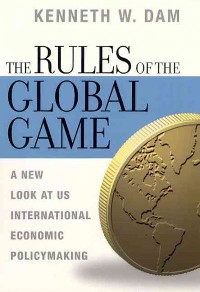
Economic news once confined to the business pages of the newspapers now receives headline coverage, whether it involves protests in Seattle or sweatshops in Asia. As attention is increasingly focused on economic policy, it becomes even more important for noneconomists to be able to make sense of these stories. Is the Asian economy sinking or rising? What effects will a single European currency have on the US economy? Kenneth W. Dam's The Rules of the Global Gameprovides, in clear and practical language, a framework to help readers understand and answer such questions. Dam takes us beyond the headlines and inside the decision-making process as it is populated by lobbyists, special interest groups, trade associations, and public relations firms. While some economists and thinkers have idealized plans for US international economic policy, Dam, currently the deputy secretary of the treasury, manages to merge this idealism with a consideration of what it means to govern at the intersection of competing groups with competing claims.
In The Rules of the Global Game, Dam first lays out what US international economic policies are and compares them to what they should be based on how they affect US per capita income. With this foundation in place, Dam then develops and applies principles for elucidating the major components of economic policy, such as foreign trade and investment, international monetary and financial systems, and current controversial issues, including intellectual property and immigration. Underlying his explanations is a belief in the importance of worldwide free trade and open markets as well as a crucial understanding of the political forces that shape decision making. Because economic policy is not created in a political vacuum, Dam argues, sound policymaking requires an understanding of "statecraft"-the creation and use of institutions that channel the efforts of interest groups and political forces in directions that encourage good economic outcomes.
Dam's vast experience with the politics and practicalities of economic policy translates into a view of policy that is neither academic nor abstract. Rather, Dam shows us how policy is actually made, who makes it, and why, using examples such as GATT, NAFTA, the US-Japan semiconductor agreement, and the Asian financial crisis. A rare book that can be read with pleasure and profit by layperson and economist alike, The Rules of the Global Gameallows readers to understand the policies that shape our economy and our lives.
Publisher Summary 3
Economic news once confined to the business pages of the newspapers now receives headline coverage, whether it involves protests in Seattle or sweatshops in Asia. As attention is increasingly focused on economic policy, it becomes even more important for noneconomists to be able to make sense of these stories. Is the Asian economy sinking or rising? What effects will a single European currency have on the US economy? Kenneth W. Dam's The Rules of the Global Gameprovides, in clear and practical language, a framework to help readers understand and answer such questions. Dam takes us beyond the headlines and inside the decision-making process as it is populated by lobbyists, special interest groups, trade associations, and public relations firms. While some economists and thinkers have idealized plans for US international economic policy, Dam, currently the deputy secretary of the treasury, manages to merge this idealism with a consideration of what it means to govern at the intersection of competing groups with competing claims.
In The Rules of the Global Game, Dam first lays out what US international economic policies are and compares them to what they should be based on how they affect US per capita income. With this foundation in place, Dam then develops and applies principles for elucidating the major components of economic policy, such as foreign trade and investment, international monetary and financial systems, and current controversial issues, including intellectual property and immigration. Underlying his explanations is a belief in the importance of worldwide free trade and open markets as well as a crucial understanding of the political forces that shape decision making. Because economic policy is not created in a political vacuum, Dam argues, sound policymaking requires an understanding of "statecraft"-the creation and use of institutions that channel the efforts of interest groups and political forces in directions that encourage good economic outcomes.
Dam's vast experience with the politics and practicalities of economic policy translates into a view of policy that is neither academic nor abstract. Rather, Dam shows us how policy is actually made, who makes it, and why, using examples such as GATT, NAFTA, the US-Japan semiconductor agreement, and the Asian financial crisis. A rare book that can be read with pleasure and profit by layperson and economist alike, The Rules of the Global Gameallows readers to understand the policies that shape our economy and our lives.
目录
Preface
Acknowledgments
List of Abbreviations
Angles of Vision
The Tension between the "Is" and the "Should Be"
The Normative Approach The Positive Approach
A Political Analysis Interest Group Politics Who Does What (and to Whom) in Washington
Political Contributions and Interest Groups Rent Extraction
The Role of Political Parties Limits to Political Analysis
The Role of Statecraft in Resolving the Tension
The Presidency, the Executive Branch, and the Congress
Implementing Statecraft Strategies
A Closer Look at the Private Sector Statecraft in Search of Normative Goals
Interest Groups and Public Discourse Openness, Productivity, and Per Capita Income
Political Dimensions of Trade Policy Political Analysis
The Institutional Setting of Interest Group Politics
The Influence of Different Kinds of Interest Groups
Normative Dimensions of Trade Policy
The Case for Eliminating Trade Barriers: Comparative Advantage Intraindustry Trade
The Benefits of Opening Economies to Trade Qualifications to the Case for Free Trade?
The Current State of Play
Trade Strategies and Issues
Opening Foreign Markets
The 301 Process Sanctions as the Achilles' Hell of 301
The Semiconductor Agreement Example Market Access in the Uruguay Round: Procurement and Agriculture
Trade in Services The Nature of Trade in Services
The Search for Services Trade Liberalization From GATT to GATS Financial and Telecommunications Services
The Path Ahead
The Regional Strategy for Opening Markets Regional Trade Agreements Today
The Case for and against RTAs: Trade Creations and Diversion Rent Seeking in the Trade Creation/Diversion Equation
The Third-Country Effect Interest Groups and NAFTA
The Janus Faces of Fairness From Protectionism to Fairness Antidumping Proceedings in Actual Practice Antidumping in a Statecraft Perspective
The Semiconductor Agreement, Part II Larger Implications of the Antidumping Law
Investment and Finance in a Globalizing World
Private Foreign Investment Perspectives on FDI
Investment as a Driver of Trade Restrictions on Investment as Restrictions on Trade
TRIMS The Failed OECD MAI Effort US Policy toward Inward
Investment US Options in Investment Negotiations
The Diversity of Monetary and Financial Issues
The Moving Theater of Monetary and Financial
Issues Exchange Rates and Patterns of Trade Exchange Rates and Trade
Compared Managing Exchange Rates
The International Monetary System Exchange Rate and Reserve Systems
A Political Analysis of US International Monetary Policy
The Key Currency Role of the Dollar
The International Financial System Underdevelopment in Developing Countries
The Asian Financial Crisis
The Bailout Issue and Prospective Reforms Policy Issues after the Asian
Crisis US Decision Making in International Finance
Irrepressible New Issues
Labor Standards and the Environment Trade and Labor Standards Trade and the Environment
Trade in Information The Nature of Information Information Issues
The Uruguay Round TRIPs Agreement Subsidies to High Technology
Cross-Border Flows of People US Immigration Policy in Historical
Perspective Immigration Today An Economic Approach to Immigration Policy
The Consequences of Present Policy Short-Term Entrants Reprise
Notes
Bibliography
Index
Acknowledgments
List of Abbreviations
Angles of Vision
The Tension between the "Is" and the "Should Be"
The Normative Approach The Positive Approach
A Political Analysis Interest Group Politics Who Does What (and to Whom) in Washington
Political Contributions and Interest Groups Rent Extraction
The Role of Political Parties Limits to Political Analysis
The Role of Statecraft in Resolving the Tension
The Presidency, the Executive Branch, and the Congress
Implementing Statecraft Strategies
A Closer Look at the Private Sector Statecraft in Search of Normative Goals
Interest Groups and Public Discourse Openness, Productivity, and Per Capita Income
Political Dimensions of Trade Policy Political Analysis
The Institutional Setting of Interest Group Politics
The Influence of Different Kinds of Interest Groups
Normative Dimensions of Trade Policy
The Case for Eliminating Trade Barriers: Comparative Advantage Intraindustry Trade
The Benefits of Opening Economies to Trade Qualifications to the Case for Free Trade?
The Current State of Play
Trade Strategies and Issues
Opening Foreign Markets
The 301 Process Sanctions as the Achilles' Hell of 301
The Semiconductor Agreement Example Market Access in the Uruguay Round: Procurement and Agriculture
Trade in Services The Nature of Trade in Services
The Search for Services Trade Liberalization From GATT to GATS Financial and Telecommunications Services
The Path Ahead
The Regional Strategy for Opening Markets Regional Trade Agreements Today
The Case for and against RTAs: Trade Creations and Diversion Rent Seeking in the Trade Creation/Diversion Equation
The Third-Country Effect Interest Groups and NAFTA
The Janus Faces of Fairness From Protectionism to Fairness Antidumping Proceedings in Actual Practice Antidumping in a Statecraft Perspective
The Semiconductor Agreement, Part II Larger Implications of the Antidumping Law
Investment and Finance in a Globalizing World
Private Foreign Investment Perspectives on FDI
Investment as a Driver of Trade Restrictions on Investment as Restrictions on Trade
TRIMS The Failed OECD MAI Effort US Policy toward Inward
Investment US Options in Investment Negotiations
The Diversity of Monetary and Financial Issues
The Moving Theater of Monetary and Financial
Issues Exchange Rates and Patterns of Trade Exchange Rates and Trade
Compared Managing Exchange Rates
The International Monetary System Exchange Rate and Reserve Systems
A Political Analysis of US International Monetary Policy
The Key Currency Role of the Dollar
The International Financial System Underdevelopment in Developing Countries
The Asian Financial Crisis
The Bailout Issue and Prospective Reforms Policy Issues after the Asian
Crisis US Decision Making in International Finance
Irrepressible New Issues
Labor Standards and the Environment Trade and Labor Standards Trade and the Environment
Trade in Information The Nature of Information Information Issues
The Uruguay Round TRIPs Agreement Subsidies to High Technology
Cross-Border Flows of People US Immigration Policy in Historical
Perspective Immigration Today An Economic Approach to Immigration Policy
The Consequences of Present Policy Short-Term Entrants Reprise
Notes
Bibliography
Index
- 名称
- 类型
- 大小
光盘服务联系方式: 020-38250260 客服QQ:4006604884
云图客服:
用户发送的提问,这种方式就需要有位在线客服来回答用户的问题,这种 就属于对话式的,问题是这种提问是否需要用户登录才能提问
Video Player
×
Audio Player
×
pdf Player
×
