

微信扫一扫,移动浏览光盘
简介
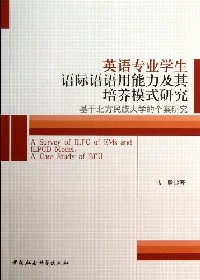
《英语专业学生语际语语用能力及其培养模式研究》主要回答了以下三个问题:(1)专业学生语际语发展的现状如何?(2)专业学生语际语语用能力发展过程中的问题或薄弱环节究竟在哪里?(3)如何改进现有教学以有效提升专业学生的语际语语用能力?本研究不仅对中国语境下的外语教学具有普遍的指导意义,而且对民族院校这一多元文化群体的英语教学和国家的语言政策具有较强的针对性和一定的参考价值。
目录
List of Tables
List of Figures
Abbreviations
Chapter 1 Introduction
1.1 Research background
1.2 Significance of the research
1.3 Methodology of the research
1.4 Organization of the book
Chapter 2 Literature Review
2.1 Interlanguage
2.2 Interlanguage pragmatics
2.3 Intercultural communication
2.3.1 Nature and scope of intercultural communication
2.3.2 Features and complexities of intercultural communication
2.4 Pragmatic transfer,pragmatic failure and fossilization
2.4.1 Pragmatic transfer
2.4.2 Pragmatic fossilization
2.4.3 Pragmatic failure
2.5 Summary
Chapter 3 ILPC & the Terminal Goal in its Development
3.1 Interlanguage pragmatic competence
3.1.1 Communicative competence revisited
3.1.2 Interlanguage pragmatic competence-A working model
3.2 The terminal goal of ILPC development
3.2.1 Accuracy
3.2.2 Fluency
3.2.3 Appropriacy
3.2.4 Intercultural pragmatic sensitivity
3.5 Summary
Chapter 4 A Survey of ILPC of EMs in EU-A Case Study of BEU
4.1 Description of survey
4.1.1 Participants
4.1.2 Instruments
4.1.3 Data collection
4.1.4 Data analysis
4.2 Results and discussion:A quantitative approach
4.2.1 Global situation of ethnic English majors
4.2.2 Local situation of ethnic English majors
4.2.3 Differences between HAN and the HMT and OTH as a whole
4.3 Results and discussion:A qualitative approach
4.3.1 Summary of the differences among HAN,HMT and OTH
4.3.2 Pragmatic failure among HAN,HMT and OTH
4.3.3 Further discussion:Observations on complexities in EU
4.4 Summary
Chapter 5 An Overall Theme-based ILPCD Model
and Strategies for its Implementation
5.1 An overall theme-based ILPCD Model
5.1.1 Rationale of theme-based instruction
5.1.2 The overall theme-based instructional model for ILPCD
5.2 Teaching strategies for the theme-based ILPCD model
5.2.1 Applying the explicit-implicit teaching method
5.2.2 Offering T-based eontextualized metapragmatic lead-ins
5.2.3 Doing interaction,perceiving strategies via contextual awareness
5.2.4 Giving proper corrective feedback in T-based instruction
5.2.5 Paying due attention to grammarteaching
5.2.6 Equipping learners with learning strategies
5.3 Summary
Chapter 6 Conclusion
6.1 Conclusions
6.2 Implications
6.2.1 Theoretical implications
6.2.2 Pedagogical implications
6.3 Limitations of the present research
References
Appendix Ⅰ Pragmatic Competence Questionnaire for English Majors in EU
Appendix Ⅱ Ethnicity Information Questionnaire for English Majors in EU
Appendix Ⅲ Research Items Correspondence Table
Appendix Ⅳ Language Families of Ethnic Groups in China
Appendix Ⅴ Information of Ethnic Groups in China
Afterwords
List of Figures
Abbreviations
Chapter 1 Introduction
1.1 Research background
1.2 Significance of the research
1.3 Methodology of the research
1.4 Organization of the book
Chapter 2 Literature Review
2.1 Interlanguage
2.2 Interlanguage pragmatics
2.3 Intercultural communication
2.3.1 Nature and scope of intercultural communication
2.3.2 Features and complexities of intercultural communication
2.4 Pragmatic transfer,pragmatic failure and fossilization
2.4.1 Pragmatic transfer
2.4.2 Pragmatic fossilization
2.4.3 Pragmatic failure
2.5 Summary
Chapter 3 ILPC & the Terminal Goal in its Development
3.1 Interlanguage pragmatic competence
3.1.1 Communicative competence revisited
3.1.2 Interlanguage pragmatic competence-A working model
3.2 The terminal goal of ILPC development
3.2.1 Accuracy
3.2.2 Fluency
3.2.3 Appropriacy
3.2.4 Intercultural pragmatic sensitivity
3.5 Summary
Chapter 4 A Survey of ILPC of EMs in EU-A Case Study of BEU
4.1 Description of survey
4.1.1 Participants
4.1.2 Instruments
4.1.3 Data collection
4.1.4 Data analysis
4.2 Results and discussion:A quantitative approach
4.2.1 Global situation of ethnic English majors
4.2.2 Local situation of ethnic English majors
4.2.3 Differences between HAN and the HMT and OTH as a whole
4.3 Results and discussion:A qualitative approach
4.3.1 Summary of the differences among HAN,HMT and OTH
4.3.2 Pragmatic failure among HAN,HMT and OTH
4.3.3 Further discussion:Observations on complexities in EU
4.4 Summary
Chapter 5 An Overall Theme-based ILPCD Model
and Strategies for its Implementation
5.1 An overall theme-based ILPCD Model
5.1.1 Rationale of theme-based instruction
5.1.2 The overall theme-based instructional model for ILPCD
5.2 Teaching strategies for the theme-based ILPCD model
5.2.1 Applying the explicit-implicit teaching method
5.2.2 Offering T-based eontextualized metapragmatic lead-ins
5.2.3 Doing interaction,perceiving strategies via contextual awareness
5.2.4 Giving proper corrective feedback in T-based instruction
5.2.5 Paying due attention to grammarteaching
5.2.6 Equipping learners with learning strategies
5.3 Summary
Chapter 6 Conclusion
6.1 Conclusions
6.2 Implications
6.2.1 Theoretical implications
6.2.2 Pedagogical implications
6.3 Limitations of the present research
References
Appendix Ⅰ Pragmatic Competence Questionnaire for English Majors in EU
Appendix Ⅱ Ethnicity Information Questionnaire for English Majors in EU
Appendix Ⅲ Research Items Correspondence Table
Appendix Ⅳ Language Families of Ethnic Groups in China
Appendix Ⅴ Information of Ethnic Groups in China
Afterwords
Survey of ILPC of EMs and ILPCD model:a case study of BEU
- 名称
- 类型
- 大小
光盘服务联系方式: 020-38250260 客服QQ:4006604884
云图客服:
用户发送的提问,这种方式就需要有位在线客服来回答用户的问题,这种 就属于对话式的,问题是这种提问是否需要用户登录才能提问
Video Player
×
Audio Player
×
pdf Player
×
