

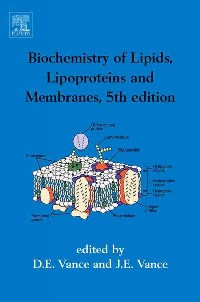
Biochemistry of lipids, lipoproteins and membranes / 5th ed.
副标题:无
作 者:edited by Dennis E. Vance and Jean E. Vance.
分类号:
ISBN:9780444532190
微信扫一扫,移动浏览光盘
简介
Research on the biochemistry and molecular biology of lipids and lipoproteins has experienced remarkable growth in the last 20 years, particularly with the realization that many different classes of lipids play fundamental roles in diseases such as heart disease, obesity, diabetes,cancer and neurodegenerative disorders. The 5th edition ofthis book has been written with two major objectives. The first objective is to provide students and teachers with an advanced up-to-date textbook covering the major areas of current interest in the lipid field. The chapters are written for students and researchers familiar with the general concepts of lipid metabolism but who wish to expand their knowledge in this area. The second objective is to provide a reference text for scientists who are about to enter the field of lipids, lipoproteins and membranes and who wish to learn more about this area of research. All of the chapters have been extensively updated since the 4th edition appeared in 2002. Key Features: * Represents a bridge between the superficial coverage of the lipid field found in basic biochemistry text books and the highly specialized material contained in scientific review articles and monographs. * Allows scientists to become familiar with recent developments related to their own research interests, and will help clinical researchers and medical students keep abreast of developments in basic science that are important for subsequent clinical advances. * Serves as a general reference book for scientists studying lipids, lipoproteins and membranes and as an advanced and up-to-date textbook for teachers and students who are familiar with the basic concepts of lipid biochemistry.
目录
Table Of Contents:
Preface v
List of contributors vii
Functional roles of lipids in membranes 1(38)
William Dowhan
Mikhail Bogdanov
Eugenia Mileykovskaya
Introduction and overview 2(1)
Diversity in lipid structure 3(4)
Glycerolipids 4(2)
Saccharolipids 6(1)
Sphingolipids 6(1)
Properties of lipids in solution 7(7)
Why do polar lipids self-associate? 8(3)
Physical properties of membrane bilayers 11(2)
Special properties of CL 13(1)
What does the membrane bilayer look like? 14(1)
Engineering of membrane lipid composition 14(3)
Alteration of lipid composition in bacteria 16(1)
Alteration of lipid composition in yeast 16(1)
Role of lipids in cell function 17(18)
The bilayer as a supermolecular lipid matrix 17(1)
Physical organization of the bilayer 18(1)
Biological importance of non-bilayer lipids 19(1)
Selectivity of protein-lipid interactions 20(1)
Lipid association with α-helical proteins 20(2)
Lipid association with β-barrel proteins 22(1)
Organization of protein complexes 22(1)
Supermolecular complex formation 23(1)
Binding sites for peripheral membrane proteins 24(2)
Translocation of proteins across membranes 26(1)
Assembly of integral membrane proteins 27(1)
Lipid-assisted folding of membrane proteins 27(3)
Molecular determinants of protein topology 30(1)
Lipid domains 31(1)
Lipid rafts 32(1)
Lipid domains in bacteria 33(1)
Cytokinesis 34(1)
Summary and future directions 35(4)
Abbreviations 36(1)
References 36(3)
Lipid modifications of proteins 39(20)
Anant K. Menon
Introduction 39(2)
Protein prenylation 41(2)
The CaaX prenyltransferases FTase and GGTase-I 43(1)
Fatty acylation of proteins: N-myristoylation 43(1)
Fatty acylation of proteins: S-acylation 44(2)
Protein acyltransferases (PATs) and thioacyl protein thioesterases (APTs) 45(1)
Membrane anchoring of fatty acylated and prenylated proteins: the two-signal hypothesis, lipid switches, and dynamic acylation 46(2)
Membrane targeting and intracellular trafficking of fatty acylated and prenylated proteins 48(1)
Lipid modifications of secreted proteins: Hedgehog, Wingless/Wnt, and Spitz 49(2)
GPI anchoring of proteins 51(5)
Biosynthesis of GPI-anchored proteins: assembly of GPIs 52(1)
Biosynthesis of GPI-anchored proteins: attachment of GPIs to proteins 53(1)
GPI-anchoring in mammals, parasitic protozoa, and yeast 54(1)
Functions of GPI anchors 55(1)
Future directions 56(3)
Abbreviations 57(1)
References 57(2)
Fatty acid and phospholipid metabolism in prokaryotes 59(38)
Charles O. Rock
Bacterial lipid metabolism 60(3)
Membrane systems of bacteria 63(1)
Bacterial fatty acid biosynthesis 64(7)
Acyl carrier protein 64(1)
Acetyl-CoA carboxylase 64(2)
Initiation of fatty acid biosynthesis 66(1)
Elongation of acyl chains 66(1)
β-Ketoacyl-ACP reductase 67(1)
β-Hydroxyacyl-ACP dehydrase 67(1)
Enoyl-ACP reductase 68(1)
β-Ketoacyl-ACP synthases 69(1)
Synthesis of unsaturated fatty acids 69(1)
Dissociable or dissociated enzymes? 70(1)
Transfer to the membrane 71(1)
Phospholipid biosynthesis 72(5)
Phosphatidate cytidylyltransferase 74(1)
Phosphatidylethanolamine production 74(1)
Phosphatidylserine synthase 74(1)
Phosphatidylserine decarboxylase 75(1)
Phosphatidylglycerol synthesis 75(1)
Phosphatidylglycerol phosphate synthase 75(1)
PtdGroP phosphatases 75(1)
Cardiolipin biosynthesis 76(1)
Cyclopropane fatty acids 76(1)
Lipid A biosynthesis 77(2)
Phospholipid flippase 79(1)
Degradation of fatty acids and phospholipids 80(4)
β-Oxidation of fatty acids 80(1)
Transport of fatty acids across the membrane 80(1)
Degradation of fatty acids 80(2)
Phospholipases 82(1)
Thioesterases 83(1)
Phospholipid turnover 84(2)
The diacylglycerol cycle 84(2)
The 2-acylglycerophosphoethanolamine cycle 86(1)
Regulation of lipid metabolism 86(4)
Regulation of fatty acid chain length 86(1)
Temperature modulation of fatty acid composition 87(1)
Transcriptional regulation of the genes of fatty acid synthesis and degradation 87(1)
Regulation of phospholipid head-group composition 88(1)
Coordinate regulation of fatty acid and phospholipid synthesis with macromolecular biosynthesis 89(1)
Lipid metabolism in other bacteria 90(3)
Analysis of lipid metabolism by genomic inference 90(1)
Branched-chain fatty acid biosynthesis 91(1)
Other ways to make unsaturated fatty acids 91(1)
Bacteria with other phospholipid head groups 92(1)
Bacteria with a type I fatty acid synthase 93(1)
Lipid synthesis in Archaea 93(1)
Other organisms with a bacteria-like fatty acid synthase system 93(1)
Inhibitors of lipid metabolism 93(1)
Future directions 94(3)
Abbreviations 94(1)
References 95(2)
Lipid metabolism in plants 97(34)
Katherine M. Schmid
John B. Ohlrogge
Introduction 98(1)
Plant lipid geography 99(2)
Plastids 99(1)
Endoplasmic reticulum and lipid bodies 100(1)
Mitochondria 101(1)
Glyoxysomes and peroxisomes 101(1)
Acyl-ACP synthesis in plants 101(3)
Components of plant fatty acid synthase 102(1)
The first double bond is introduced by soluble acyl-ACP desaturases 102(1)
Acyl-ACP thioesterases terminate fatty acid synthesis 103(1)
Acetyl-CoA carboxylase and control of fatty acid synthesis 104(1)
Two forms of acetyl-CoA carboxylase 104(1)
Acetyl-CoA carboxylase is a control point for fatty acid synthesis 104(1)
Phosphatidic acid synthesis: `prokaryotic' and `eukaryotic' acyltransferases 104(3)
Plastidial acyltransferases 106(1)
Extraplastidial acyltransferases 106(1)
Lipid trafficking across the chloroplast envelope is a major flux 106(1)
16:3-and 18:3-plants have different proportions of prokaryotic flux 107(1)
Glycerolipid biosynthetic pathways 107(6)
Glycerolipids are substrates for plant fatty acid desaturases 108(1)
Lipid storage in plants 109(1)
Lipid body structure and biogenesis 109(1)
Seed triacylglycerols often contain unusual fatty acids 110(1)
The pathway of triacylglycerol biosynthesis 111(2)
Challenges in understanding triacylglycerol synthesis 113(1)
Protective lipids: cutin, suberin, and waxes 113(2)
Sterol, isoprenoid, and sphingolipid biosynthesis 115(1)
Oxylipins as plant hormones 116(2)
Progress in plant lipid research: the value of mutants 118(4)
Mutants in lipid metabolism have helped link lipid structure and function 118(3)
Arabidopsis mutants have allowed cloning of desaturases and elongases 121(1)
Design of new plant oils 122(5)
Design of new edible oils 122(1)
Reduction in saturated fatty acids and improved stability of vegetable oils 122(2)
Engineering plants to replace fish oils 124(1)
Design of new industrial oils 124(1)
High laurate and caprate oils 125(1)
Production of jojoba waxes in transgenic plants 126(1)
Other industrial oils 126(1)
Future prospects 127(4)
Abbreviations 128(1)
References 129(2)
Oxidation of fatty acids in eukaryotes 131(24)
Horst Schulz
The pathway of β-oxidation: a historical account 131(1)
Uptake and activation of fatty acids in animal cells 132(2)
Fatty acid oxidation in mitochondria 134(12)
Mitochondrial uptake of fatty acids 134(2)
Enzymes of β-oxidation in mitochondria 136(5)
β-Oxidation of unsaturated fatty acids 141(3)
Regulation of fatty acid oxidation in mitochondria 144(2)
Fatty acid oxidation in peroxisomes 146(5)
Uptake of fatty acids by peroxisomes 147(1)
Pathways and enzymology of peroxisomal α- and β-oxidation 147(4)
Inherited diseases of fatty acid oxidation 151(1)
Future directions 152(3)
Abbreviations 153(1)
References 153(2)
Fatty acid synthesis in eukaryotes 155(36)
Hei Sook Sul
Stuart Smith
Introduction 156(1)
Acetyl-CoA carboxylase 157(3)
The reaction sequence 157(1)
Structural organization 157(3)
Isoforms 160(1)
Posttranslational modification 160(1)
The cytosolic fatty acid synthase 160(10)
The reaction sequence 160(1)
The catalytic components 161(1)
Structural organization 162(4)
Chain initiation 166(1)
β-carbon-processing reactions 167(1)
Chain termination and product specificity 167(2)
Interdomain communication 169(1)
Posttranslational modification 169(1)
The mitochondrial FAS 170(1)
Regulation of fatty acid synthesis 171(8)
Significance of de novo lipogenesis 171(1)
Generation of substrates for fatty acid synthesis 172(1)
Allosteric regulation of ACC 173(2)
Regulation of ACC by multisite phosphorylation 175(1)
Role of hypothalamic malonyl-CoA in controlling food intake and energy expenditure 176(3)
Long-term regulation of fatty acid synthesis 179(8)
Coordinate regulation of lipogenic enzymes by hormones and nutrients 179(1)
ACC and FAS 180(1)
Upstream stimulatory factor 180(2)
Sterol regulatory element binding protein 182(1)
Liver X receptor 183(1)
Carbohydrate response element binding protein 184(1)
Suppression of lipogenic gene expression by polyunsaturated fatty acids 185(1)
Signaling pathways and molecular mechanisms for transcriptional regulation of lipogenic enzymes 186(1)
Future directions 187(4)
Abbreviations 188(1)
References 188(3)
Fatty acid desaturation and chain elongation in mammals 191(22)
Makoto Miyazaki
James M. Ntambi
Introduction 191(2)
Nomenclature and sources of long-chain fatty acids 192(1)
Elongation reactions of long-chain fatty acids 193(5)
Microsomal fatty acid elongation 193(1)
Ketoacyl-CoA synthase 194(3)
Ketoacyl-CoA reductase 197(1)
β-Hydroxyacyl-CoA dehydrase 197(1)
trans-2,3-Enoyl-CoA reductase 197(1)
Mitochondrial fatty acid elongation 197(1)
Peroxisomal fatty acid elongation 198(1)
Desaturation of long-chain fatty acids in mammals 198(5)
Δ 9 Destaurase 198(3)
Δ 5 and Δ 6 desaturases 201(1)
FADS3 202(1)
Functions of fatty acids synthesized by Δ9, Δ6, and Δ5 desaturases 203(2)
Monounsaturated fatty acids (n - 9) 203(1)
Polyunsaturated fatty acids (n - 3 and n - 6) 204(1)
Transcriptional regulation of desaturases and elongases 205(4)
Sterol regulatory element binding proteins 206(1)
Liver X receptors 207(1)
Peroxisome proliferator activated receptor alpha 207(1)
Carbohydrate response element binding protein 208(1)
Summary and future directions 209(4)
Abbreviations 209(1)
References 210(3)
Phospholipid biosynthesis in eukaryotes 213(32)
Dennis E. Vance
Jean E. Vance
Introduction 214(1)
Phosphatidic acid biosynthesis and conversion to diacylglycerol 214(4)
Glycerol-3-P acyltransferase 214(3)
1-Acylglycerol-3-P acyltransferase 217(1)
Dihydroxyacetone-P acyltransferase 217(1)
Phosphatidic acid phosphatase 217(1)
Phosphatidylcholine biosynthesis 218(6)
Historical background 218(1)
Choline transport and oxidation 219(1)
Choline kinase 220(1)
CTP:phosphocholine cytidylyltransferase (CT) 220(1)
CDP-choline: 1,2-diacylglycerol cholinephosphotransferase 221(1)
Phosphatidyethanolamine N-methyltransferase 222(2)
Regulation of phosphatidylcholine biosynthesis 224(4)
The rate-limiting reaction 224(1)
The translocation hypothesis 224(2)
Regulation of phosphatidylcholine biosynthesis by lipids 226(1)
Phosphorylation of cytidylyltransferase 226(1)
Transcriptional and post-transcriptional regulation of CTα 227(1)
Transgenic and gene-disrupted mouse models of CTα and β 228(1)
Phosphatidylethanolamine biosynthesis 228(4)
Historical background and biosynthetic pathways 228(1)
Enzymes of the CDP-ethanolamine pathway 229(2)
Regulation of the CDP-ethanolamine pathway 231(1)
Phosphatidylserine decarboxylase 231(1)
Functions of PE 231(1)
Phosphatidylserine biosynthesis 232(3)
Historical background and biosynthetic pathways 232(1)
PS synthases 232(2)
Regulation of PS synthesis 234(1)
Functions of PS 234(1)
Inositol phospholipids 235(1)
Historical developments 235(1)
CDP-diacylglycerol synthase 235(1)
Phosphatidylinositol synthase 236(1)
Polyglycerophospholipids 236(2)
Historical developments and biosynthetic pathways 236(2)
Enzymes and subcellular location 238(1)
Remodeling of acyl substituents of phospholipids 238(2)
Regulation of gene expression in yeast 240(2)
Future directions 242(3)
Abbreviations 242(1)
References 243(2)
Ether-linked lipids and their bioactive species 245(32)
Thomas M. Mclntyre
Fred Snyder
Gopal K. Marathe
Introduction 246(1)
Structure 247(1)
Historical highlights 248(1)
Natural occurrence of ether lipids 249(2)
Physical properties 251(1)
Biologically active ether lipids 252(3)
Platelet-activating factor 252(1)
PAF receptor 253(1)
Receptor antagonists 254(1)
Oxidized phospholipids 254(1)
Other ether-linked mediators 254(1)
Enzymes involved in ether lipid synthesis and regulatory controls 255(12)
Ether lipid precursors 255(1)
Acyl-CoA reductase 255(1)
Dihydroxyacetone phosphate acyltransferase 256(1)
Ether lipids 256(1)
O-alkyl bond: mechanism of formation 256(2)
NADPH:alkyl-DHAP oxidoreductase 258(1)
O-alkyl analogs of phosphatidic acid and alkylacylglycerols 259(1)
O-alkyl choline- and ethanolamine-containing phospholipids 259(1)
Ethanolamine plasmalogens 260(1)
Choline plasmalogens 261(2)
Neutral ether-linked glycerolipids 263(1)
Platelet-activating factor 263(1)
Remodeling route 263(2)
De novo route 265(2)
Catabolic enzymes 267(4)
Ether lipid precursors 267(1)
Fatty alcohols 267(1)
Dihydroxyacetone phosphate and acyldihydroxyacetone phosphate 267(1)
Ether-linked lipids 267(1)
O-alkyl-cleavage enzyme 267(1)
Plasmalogenases 268(1)
Phospholipases and lipases 269(1)
PAF and related bioactive species 270(1)
Acetylhydrolases 270(1)
Metabolic regulation 271(1)
Functions 272(5)
Insights from genetic diseases with impaired ether phospholipid synthesis 272(1)
Insights from genetic alterations in PAF signaling and metabolism 272(2)
Tumor ether phospholipids and anti-tumor ether phospholipids 274(1)
Membrane components 274(1)
Future directions 274(1)
Abbreviations 275(1)
References 275(2)
Lipid metabolism in adipose tissue 277(28)
Ann V Hertzel
Brian R. Thompson
Brian M. Wiczer
David A. Bernlohr
Introduction 277(1)
Adipose development 278(5)
Development of white and brown adipose tissue 278(1)
In situ models of adipose conversion 279(1)
Transcriptional control during development 280(1)
C/EBP family of transcription factors 280(1)
PPAR/RXR family of transcription factors 281(1)
SREBP family of transcription factors 282(1)
LXR family of transcription factors 282(1)
Triacylglycerol biosynthesis and mobilization 283(14)
Insulin and lipogenesis 283(3)
Fatty acid uptake and acyl-CoA production 286(1)
Glucose transport and synthesis of the triacylglycerol backbone 287(1)
Fatty acid and triacylglycerol biosynthesis 287(1)
Triacylglycerol mobilization 288(1)
Lipases and perilipin 288(2)
Cyclic AMP-dependent lipolysis 290(3)
Cyclic AMP-independent lipolysis 293(1)
Insulin and anti-lipolysis 293(1)
Brown fat lipid metabolism 294(3)
Lipid-mediated signal transduction 297(5)
Fatty acids and acyl-CoAs 297(1)
Eicosanoids 298(1)
Diacylglycerol and ceramide 299(1)
Lipids as mediators of inflammation 300(2)
Leptin and adiponectin 302(1)
Future directions 302(3)
Abbreviations 303(1)
References 303(2)
Phospholipases 305(26)
David C. Wilton
Overview 305(5)
Definition of phospholipases 305(2)
Assay of phospholipases 307(1)
Interaction of phospholipases with interfaces 308(1)
Substrate effects 309(1)
Enzyme effects 310(1)
The phospholipases 310(17)
Phospholipase A1 311(1)
Escherichia coli phospholipases A 311(1)
Lipases with phospholipase A1 activity 312(1)
Phospholipase B and lysophospholipases 312(1)
Phospholipase B from microorganisms 313(1)
Mammalian lysophospholipases 313(1)
Phospholipase A2 313(1)
The 14-kDa secreted phospholipases A2 314(7)
Phospholipases A2 that involve a catalytic serine residue 321(4)
Phospholipase C 325(1)
Bacterial phospholipases C 325(1)
Mammalian phospholipases C 325(1)
Phospholipase D 326(1)
Future directions 327(4)
Abbreviations 327(1)
References 328(3)
The eicosanoids: cyclooxygenase, lipoxygenase, and epoxygenase pathways 331(32)
William L. Smith
Robert C. Murphy
Introduction 332(3)
Background, terminology, structures, and nomenclature 332(3)
Prostanoid chemistry 335(1)
Prostanoid biosynthesis 335(8)
Mobilization of AA 335(1)
Cytosolic and secreted phospholipases A2 336(1)
Mobilization of 2-arachidonoylglycerol (2-AG) 336(1)
Prostaglandin endoperoxide H2 (PGH2) formation 337(1)
PGHS active site 338(1)
Physico-chemical properties of PGHSs 339(1)
PGHSs and nonsteroidal anti-inflammatory drugs 339(2)
Regulation of PGHS-1 and PGHS-2 gene expression 341(1)
Formation of biologically active prostanoids from PGH2 342(1)
Prostanoid catabolism and mechanisms of Action 343(1)
Prostanoid catabolism 343(1)
Physiological actions of prostanoids 343(1)
Prostanoid receptors 344(1)
Leukotrienes and lipoxygenase products 344(13)
Introduction and overview 344(2)
Leukotriene biosynthesis 346(2)
Enzymes and proteins involved in leukotriene biosynthesis 348(1)
5-Lipoxygenase 348(1)
5-Lipoxygenase activating protein (FLAP) 348(1)
LTA4 hydrolase 349(1)
LTC4 synthase 349(1)
Regulation of leukotriene biosynthesis 350(1)
Metabolism of leukotrienes 351(2)
Biological activities of leukotrienes 353(2)
Other lipoxygenase pathways 355(1)
12-Lipoxygenase 355(1)
15-Lipoxygenase 355(2)
Cytochrome P-450s and epoxygenase pathways 357(3)
Epoxygenase P-450 isozymes 357(1)
Occurrence of EETs 357(2)
Metabolism of EETs 359(1)
Biological actions of EETs 359(1)
Future directions 360(3)
Abbreviations 360(1)
References 361(2)
Sphingolipids 363(36)
Alfred H. Merrill
Introduction 364(8)
An overview of the functions of sphingolipids 365(1)
A brief history of sphingolipids and disease 366(1)
Structural variation and nomenclature for sphingolipids 367(1)
Sphingoid bases 368(1)
Ceramides 369(1)
Phosphosphingolipids 370(1)
Glycosphingolipids 370(2)
Sulfatoglycosphingolipids (sulfatides) 372(1)
Lysosphingolipids 372(1)
Sphingolipids covalently linked to proteins 372(1)
Biochemical properties and functions 372(3)
Sphingoid bases 373(1)
Ceramides 373(1)
Phosphosphingolipids 374(1)
Glycosphingolipids 374(1)
Biophysical properties 374(1)
Receptor interactions 375(1)
Localization 375(1)
Biosynthesis of sphingolipids 375(16)
Sphingoid bases and ceramide 375(1)
Serine palmitoyltransferase 375(3)
Synthesis of the N-acyl derivatives of sphingoid bases 378(2)
Desaturation and hydroxylation of dihydroceramides to form ceramides and 4-hydroxyceramides (phytoceramides) 380(1)
Biosynthesis of more complex sphingolipids 380(1)
Sphingomyelin and ceramide phosphorylethanolamine 380(2)
Glycosphingolipids 382(3)
Sphingolipid catabolism 385(1)
Sphingomyelin 386(1)
Glycosphingolipids 387(1)
Ceramide 388(2)
Sphingosine 390(1)
Overlaps between backbone sphingolipid signaling and sphingolipid metabolism 391(1)
Sphingolipidomics 391(3)
Use of mass spectrometry for sphingolipidomics 392(2)
Use of mass spectrometry for tissue imaging 394(1)
Perspectives and future directions 394(5)
Acknowledgements 395(1)
Abbreviations 395(1)
References 396(3)
Cholesterol biosynthesis 399(24)
Laura Liscum
Introduction 399(2)
The cholesterol biosynthetic pathway 401(7)
Enzyme compartmentalization 405(1)
Mevalonic aciduria 406(1)
Smith-Lemli-Opitz syndrome 407(1)
Other enzyme deficiencies 408(1)
Regulation of cholesterol synthesis 408(8)
Transcriptional regulation 409(3)
mRNA translation 412(1)
Phosphorylation 412(1)
Proteolysis 413(2)
Sterol-sensing domain 415(1)
Metabolism of cholesterol 416(3)
Oxysterols 416(2)
Cholesteryl ester synthesis 418(1)
Future directions 419(4)
Abbreviations 419(1)
References 420(3)
Metabolism and function of bile acids 423(18)
Luis B. Agellon
Introduction 423(1)
Bile acid structure 424(2)
Biosynthesis of bile acids 426(4)
The classical and alternative bile acid biosynthetic pathways 426(2)
Mutations affecting key enzymes involved in bile acid biosynthesis 428(2)
Transport of bile acids 430(2)
Enterohepatic circulation 430(2)
Intracellular transport of bile acids 432(1)
Molecular regulation of key enzymes in the bile acid biosynthetic pathways 432(4)
Transcriptional control 433(3)
Post-transcriptional control 436(1)
The expanding role of bile acids in metabolism 436(1)
Future directions 437(4)
Abbreviations 438(1)
References 438(3)
Lipid assembly into cell membranes 441(44)
Dennis R. Voelker
Introduction 441(1)
The diversity of lipids 442(1)
Methods to study intra- and intermembrane lipid transport 443(5)
Fluorescent probes 443(2)
Spin-labeled analogs 445(1)
Asymmetric chemical modification of membranes 446(1)
Lipid transfer proteins 446(1)
Organelle-specific lipid metabolism 447(1)
Lipid transport processes 448(34)
Intramembrane lipid translocation and model membranes 448(2)
Intramembrane lipid translocation and biological membranes 450(1)
Prokaryotes 450(2)
Eukaryotes 452(8)
Intermembrane lipid transport 460(1)
Transport in prokaryotes 460(1)
Transport in eukaryotes 461(21)
Future directions 482(3)
Abbreviations 483(1)
References 483(2)
Lipoprotein structure 485(22)
Ana Jonas
Michael C. Phillips
Introduction 485(3)
Main lipoprotein classes 486(1)
Lipoprotein subclasses 487(1)
Lipid components 488(2)
Lipid composition 488(1)
Fatty acid composition 489(1)
Lipid organization 490(1)
Apolipoproteins 490(7)
Classes and general properties 490(2)
Gene organization 492(1)
Primary sequences 493(1)
Secondary structures 494(1)
Three-dimensional structures in solution 495(2)
Complexes of apolipoproteins with lipids 497(7)
Binding of apolipoproteins to phospholipid surfaces 497(2)
Lipoprotein-like complexes 499(1)
Reconstituted HDL 500(1)
Structures of native lipoproteins 501(3)
Future directions 504(3)
Abbreviations 505(1)
References 505(2)
Assembly and secretion of triacylglycerol-rich lipoproteins 507(26)
Jean E. Vance
Khosrow Adeli
Overview of secretion of triacylglycerol-rich lipoproteins 507(3)
Structural features of apo B 510(2)
Transcriptional regulation of apo B synthesis 512(2)
DNA elements that regulate apo B transcription 512(1)
Apo B mRNA editing 513(1)
Apo B mRNA translational control 514(1)
Models used for studying the secretion of apo B and VLDL 514(2)
Covalent modification of apo B 516(1)
Regulation of apo B secretion by lipid supply 516(7)
Fatty acids and triacylglycerols 517(1)
Phospholipids 518(1)
Cholesterol and cholesteryl esters 519(1)
Microsomal triacylglycerol transfer protein 520(1)
Role of MTP in lipid assembly with apo B 521(1)
Regulation of MTP gene expression 522(1)
Intracellular apo B quality control and degradation 523(2)
Proteasomal degradation of apo B 523(1)
Non-proteasomal degradation of apo B 524(1)
Metabolic regulation of VLDL secretion: overproduction in insulin-resistant states 525(1)
Assembly and secretion of chylomicrons 526(2)
Assembly of lipoprotein(a) 528(1)
Future directions 529(4)
Abbreviations 530(1)
References 530(3)
Dynamics of lipoprotein transport in the circulatory system 533(22)
Christopher J. Fielding
Phoebe E. Fielding
Overview 533(4)
Functions of the major apolipoproteins 534(1)
`Forward' lipid transport 534(1)
`Reverse' lipid transport 535(2)
Lipoprotein TGs and hydrolysis 537(7)
Initial events 537(2)
Regulation, structure, and activation of LPL 539(1)
Transport of LPL to its endothelial site 540(1)
Structure of the LPL-substrate complex at the vascular surface 540(1)
Kinetics of the LPL reaction 541(2)
Metabolism of TG in chylomicron and VLDL remnants 543(1)
Congenital deficiencies of lipoprotein TG metabolism 543(1)
HDL and plasma cholesterol metabolism 544(8)
The origin of HDL 544(1)
Role of the ABCA1 transporter in HDL genesis 545(1)
The origin of cellular cholesterol for RCT 546(1)
Role of LCAT in HDL genesis 547(2)
Role of ABCG1 in HDL metabolism 549(1)
Apo A1 recycling and clearance of HDL lipids 549(1)
Other functions of HDLs 550(1)
Animal models of human HDL metabolism 551(1)
Summary and future directions 552(3)
Abbreviations 552(1)
References 552(3)
Lipoprotein receptors 555(24)
Wolfgang J. Schneider
Introduction 556(2)
Removal of LDL from the circulation 558(7)
Receptor-mediated endocytosis 558(2)
The LDL receptor pathway 560(1)
Relationships between structure and function of the LDL receptor 561(1)
The human LDL receptor gene: organization and naturally occurring mutations 562(2)
Class 1: null alleles---no detectable receptor 564(1)
Class 2: slow or absent processing of the precursor 564(1)
Class 3: defective ligand binding 564(1)
Class 4: internalization-defective 564(1)
Class 5: recycling-defective 564(1)
Disease-related modulators of LDL receptor activity 564(1)
Autosomal recessive hypercholesterolemia (ARH) 565(1)
Proprotein convertase subtilisin-like kexin-type 9 (PCSK9) 565(1)
Removal of triacylglycerol-rich lipoproteins from the plasma 565(2)
Catabolism of chylomicrons by LRPI 565(1)
The so-called VLDL receptor: a role in catabolism of VLDL? 566(1)
Multifunctional receptors in the chicken 567(1)
VLDL receptor, apo E receptor type 2 (apoER2), and LRPI in signal transduction 568(2)
ApoER2: a close relative of the VLDL receptor 568(1)
Genetic models reveal new roles for apoER2 and VLDL receptor in signal transduction 568(1)
Signaling through LRPI 569(1)
Other relatives of the LDL receptor family 570(2)
Small and mid-sized LDL receptor relatives: LRPs 3-6 570(1)
The unusual one: LR11 571(1)
Large LDL receptor relatives: LRP2 and LRP1B 572(1)
LRP2/megalin, a true transport receptor 572(1)
LRP1B 572(1)
Scavenger receptors: lipid uptake and beyond 572(3)
Class A SRs 573(1)
Class E SR: lectin-like oxidized LDL receptor (LOX)-1 574(1)
Class B SRs 574(1)
CD36: role in lipid uptake 574(1)
Removal of HDL: SR-BI/II 574(1)
Future directions 575(4)
Abbreviations 576(1)
References 577(2)
Lipids and atherosclerosis 579(28)
Ira Tabas
Introduction 579(4)
Cholesterol and atherosclerosis 583(5)
Cholesterol deposition in the arterial wall 583(1)
Cholesterol accumulation in lesional macrophages: lipoprotein internalization 583(2)
Cholesterol accumulation in lesional macrophages: intracellular trafficking of lipoprotein-derived cholesterol 585(1)
Accumulation of unesterified cholesterol in lesional macrophages 585(3)
Cholesterol accumulation in lesional smooth muscle cells 588(1)
The fate of foam cell cholesterol in atheromata 588(1)
Oxysterols and atherosclerosis 588(4)
Origins of oxysterols 588(1)
Oxysterols in plasma, lipoproteins, and atherosclerotic lesions 589(1)
Physiologic significance of oxysterols in atherosclerosis 590(2)
Triacylglycerols and atherosclerosis 592(1)
Fatty acids and atherosclerosis 593(3)
Direct effects of fatty acids 593(1)
Oxidation of long-chain polyunsaturated fatty acids: introduction 593(1)
Oxidative metabolites of arachidonic acid 593(3)
Atherogenic and anti-atherogenic effects of other long-chain polyunsaturated acids 596(1)
Phospholipids and related lipids 596(6)
Introduction 596(1)
Oxidative modification of phosphatidylcholine in lesional lipoproteins 596(3)
The phospholipids of lesional cells 599(1)
Sphingomyelin and ceramide 600(2)
Glycosphingolipids 602(1)
Future directions 602(5)
Abbreviations 604(1)
References 604(3)
Subject Index 607
Preface v
List of contributors vii
Functional roles of lipids in membranes 1(38)
William Dowhan
Mikhail Bogdanov
Eugenia Mileykovskaya
Introduction and overview 2(1)
Diversity in lipid structure 3(4)
Glycerolipids 4(2)
Saccharolipids 6(1)
Sphingolipids 6(1)
Properties of lipids in solution 7(7)
Why do polar lipids self-associate? 8(3)
Physical properties of membrane bilayers 11(2)
Special properties of CL 13(1)
What does the membrane bilayer look like? 14(1)
Engineering of membrane lipid composition 14(3)
Alteration of lipid composition in bacteria 16(1)
Alteration of lipid composition in yeast 16(1)
Role of lipids in cell function 17(18)
The bilayer as a supermolecular lipid matrix 17(1)
Physical organization of the bilayer 18(1)
Biological importance of non-bilayer lipids 19(1)
Selectivity of protein-lipid interactions 20(1)
Lipid association with α-helical proteins 20(2)
Lipid association with β-barrel proteins 22(1)
Organization of protein complexes 22(1)
Supermolecular complex formation 23(1)
Binding sites for peripheral membrane proteins 24(2)
Translocation of proteins across membranes 26(1)
Assembly of integral membrane proteins 27(1)
Lipid-assisted folding of membrane proteins 27(3)
Molecular determinants of protein topology 30(1)
Lipid domains 31(1)
Lipid rafts 32(1)
Lipid domains in bacteria 33(1)
Cytokinesis 34(1)
Summary and future directions 35(4)
Abbreviations 36(1)
References 36(3)
Lipid modifications of proteins 39(20)
Anant K. Menon
Introduction 39(2)
Protein prenylation 41(2)
The CaaX prenyltransferases FTase and GGTase-I 43(1)
Fatty acylation of proteins: N-myristoylation 43(1)
Fatty acylation of proteins: S-acylation 44(2)
Protein acyltransferases (PATs) and thioacyl protein thioesterases (APTs) 45(1)
Membrane anchoring of fatty acylated and prenylated proteins: the two-signal hypothesis, lipid switches, and dynamic acylation 46(2)
Membrane targeting and intracellular trafficking of fatty acylated and prenylated proteins 48(1)
Lipid modifications of secreted proteins: Hedgehog, Wingless/Wnt, and Spitz 49(2)
GPI anchoring of proteins 51(5)
Biosynthesis of GPI-anchored proteins: assembly of GPIs 52(1)
Biosynthesis of GPI-anchored proteins: attachment of GPIs to proteins 53(1)
GPI-anchoring in mammals, parasitic protozoa, and yeast 54(1)
Functions of GPI anchors 55(1)
Future directions 56(3)
Abbreviations 57(1)
References 57(2)
Fatty acid and phospholipid metabolism in prokaryotes 59(38)
Charles O. Rock
Bacterial lipid metabolism 60(3)
Membrane systems of bacteria 63(1)
Bacterial fatty acid biosynthesis 64(7)
Acyl carrier protein 64(1)
Acetyl-CoA carboxylase 64(2)
Initiation of fatty acid biosynthesis 66(1)
Elongation of acyl chains 66(1)
β-Ketoacyl-ACP reductase 67(1)
β-Hydroxyacyl-ACP dehydrase 67(1)
Enoyl-ACP reductase 68(1)
β-Ketoacyl-ACP synthases 69(1)
Synthesis of unsaturated fatty acids 69(1)
Dissociable or dissociated enzymes? 70(1)
Transfer to the membrane 71(1)
Phospholipid biosynthesis 72(5)
Phosphatidate cytidylyltransferase 74(1)
Phosphatidylethanolamine production 74(1)
Phosphatidylserine synthase 74(1)
Phosphatidylserine decarboxylase 75(1)
Phosphatidylglycerol synthesis 75(1)
Phosphatidylglycerol phosphate synthase 75(1)
PtdGroP phosphatases 75(1)
Cardiolipin biosynthesis 76(1)
Cyclopropane fatty acids 76(1)
Lipid A biosynthesis 77(2)
Phospholipid flippase 79(1)
Degradation of fatty acids and phospholipids 80(4)
β-Oxidation of fatty acids 80(1)
Transport of fatty acids across the membrane 80(1)
Degradation of fatty acids 80(2)
Phospholipases 82(1)
Thioesterases 83(1)
Phospholipid turnover 84(2)
The diacylglycerol cycle 84(2)
The 2-acylglycerophosphoethanolamine cycle 86(1)
Regulation of lipid metabolism 86(4)
Regulation of fatty acid chain length 86(1)
Temperature modulation of fatty acid composition 87(1)
Transcriptional regulation of the genes of fatty acid synthesis and degradation 87(1)
Regulation of phospholipid head-group composition 88(1)
Coordinate regulation of fatty acid and phospholipid synthesis with macromolecular biosynthesis 89(1)
Lipid metabolism in other bacteria 90(3)
Analysis of lipid metabolism by genomic inference 90(1)
Branched-chain fatty acid biosynthesis 91(1)
Other ways to make unsaturated fatty acids 91(1)
Bacteria with other phospholipid head groups 92(1)
Bacteria with a type I fatty acid synthase 93(1)
Lipid synthesis in Archaea 93(1)
Other organisms with a bacteria-like fatty acid synthase system 93(1)
Inhibitors of lipid metabolism 93(1)
Future directions 94(3)
Abbreviations 94(1)
References 95(2)
Lipid metabolism in plants 97(34)
Katherine M. Schmid
John B. Ohlrogge
Introduction 98(1)
Plant lipid geography 99(2)
Plastids 99(1)
Endoplasmic reticulum and lipid bodies 100(1)
Mitochondria 101(1)
Glyoxysomes and peroxisomes 101(1)
Acyl-ACP synthesis in plants 101(3)
Components of plant fatty acid synthase 102(1)
The first double bond is introduced by soluble acyl-ACP desaturases 102(1)
Acyl-ACP thioesterases terminate fatty acid synthesis 103(1)
Acetyl-CoA carboxylase and control of fatty acid synthesis 104(1)
Two forms of acetyl-CoA carboxylase 104(1)
Acetyl-CoA carboxylase is a control point for fatty acid synthesis 104(1)
Phosphatidic acid synthesis: `prokaryotic' and `eukaryotic' acyltransferases 104(3)
Plastidial acyltransferases 106(1)
Extraplastidial acyltransferases 106(1)
Lipid trafficking across the chloroplast envelope is a major flux 106(1)
16:3-and 18:3-plants have different proportions of prokaryotic flux 107(1)
Glycerolipid biosynthetic pathways 107(6)
Glycerolipids are substrates for plant fatty acid desaturases 108(1)
Lipid storage in plants 109(1)
Lipid body structure and biogenesis 109(1)
Seed triacylglycerols often contain unusual fatty acids 110(1)
The pathway of triacylglycerol biosynthesis 111(2)
Challenges in understanding triacylglycerol synthesis 113(1)
Protective lipids: cutin, suberin, and waxes 113(2)
Sterol, isoprenoid, and sphingolipid biosynthesis 115(1)
Oxylipins as plant hormones 116(2)
Progress in plant lipid research: the value of mutants 118(4)
Mutants in lipid metabolism have helped link lipid structure and function 118(3)
Arabidopsis mutants have allowed cloning of desaturases and elongases 121(1)
Design of new plant oils 122(5)
Design of new edible oils 122(1)
Reduction in saturated fatty acids and improved stability of vegetable oils 122(2)
Engineering plants to replace fish oils 124(1)
Design of new industrial oils 124(1)
High laurate and caprate oils 125(1)
Production of jojoba waxes in transgenic plants 126(1)
Other industrial oils 126(1)
Future prospects 127(4)
Abbreviations 128(1)
References 129(2)
Oxidation of fatty acids in eukaryotes 131(24)
Horst Schulz
The pathway of β-oxidation: a historical account 131(1)
Uptake and activation of fatty acids in animal cells 132(2)
Fatty acid oxidation in mitochondria 134(12)
Mitochondrial uptake of fatty acids 134(2)
Enzymes of β-oxidation in mitochondria 136(5)
β-Oxidation of unsaturated fatty acids 141(3)
Regulation of fatty acid oxidation in mitochondria 144(2)
Fatty acid oxidation in peroxisomes 146(5)
Uptake of fatty acids by peroxisomes 147(1)
Pathways and enzymology of peroxisomal α- and β-oxidation 147(4)
Inherited diseases of fatty acid oxidation 151(1)
Future directions 152(3)
Abbreviations 153(1)
References 153(2)
Fatty acid synthesis in eukaryotes 155(36)
Hei Sook Sul
Stuart Smith
Introduction 156(1)
Acetyl-CoA carboxylase 157(3)
The reaction sequence 157(1)
Structural organization 157(3)
Isoforms 160(1)
Posttranslational modification 160(1)
The cytosolic fatty acid synthase 160(10)
The reaction sequence 160(1)
The catalytic components 161(1)
Structural organization 162(4)
Chain initiation 166(1)
β-carbon-processing reactions 167(1)
Chain termination and product specificity 167(2)
Interdomain communication 169(1)
Posttranslational modification 169(1)
The mitochondrial FAS 170(1)
Regulation of fatty acid synthesis 171(8)
Significance of de novo lipogenesis 171(1)
Generation of substrates for fatty acid synthesis 172(1)
Allosteric regulation of ACC 173(2)
Regulation of ACC by multisite phosphorylation 175(1)
Role of hypothalamic malonyl-CoA in controlling food intake and energy expenditure 176(3)
Long-term regulation of fatty acid synthesis 179(8)
Coordinate regulation of lipogenic enzymes by hormones and nutrients 179(1)
ACC and FAS 180(1)
Upstream stimulatory factor 180(2)
Sterol regulatory element binding protein 182(1)
Liver X receptor 183(1)
Carbohydrate response element binding protein 184(1)
Suppression of lipogenic gene expression by polyunsaturated fatty acids 185(1)
Signaling pathways and molecular mechanisms for transcriptional regulation of lipogenic enzymes 186(1)
Future directions 187(4)
Abbreviations 188(1)
References 188(3)
Fatty acid desaturation and chain elongation in mammals 191(22)
Makoto Miyazaki
James M. Ntambi
Introduction 191(2)
Nomenclature and sources of long-chain fatty acids 192(1)
Elongation reactions of long-chain fatty acids 193(5)
Microsomal fatty acid elongation 193(1)
Ketoacyl-CoA synthase 194(3)
Ketoacyl-CoA reductase 197(1)
β-Hydroxyacyl-CoA dehydrase 197(1)
trans-2,3-Enoyl-CoA reductase 197(1)
Mitochondrial fatty acid elongation 197(1)
Peroxisomal fatty acid elongation 198(1)
Desaturation of long-chain fatty acids in mammals 198(5)
Δ 9 Destaurase 198(3)
Δ 5 and Δ 6 desaturases 201(1)
FADS3 202(1)
Functions of fatty acids synthesized by Δ9, Δ6, and Δ5 desaturases 203(2)
Monounsaturated fatty acids (n - 9) 203(1)
Polyunsaturated fatty acids (n - 3 and n - 6) 204(1)
Transcriptional regulation of desaturases and elongases 205(4)
Sterol regulatory element binding proteins 206(1)
Liver X receptors 207(1)
Peroxisome proliferator activated receptor alpha 207(1)
Carbohydrate response element binding protein 208(1)
Summary and future directions 209(4)
Abbreviations 209(1)
References 210(3)
Phospholipid biosynthesis in eukaryotes 213(32)
Dennis E. Vance
Jean E. Vance
Introduction 214(1)
Phosphatidic acid biosynthesis and conversion to diacylglycerol 214(4)
Glycerol-3-P acyltransferase 214(3)
1-Acylglycerol-3-P acyltransferase 217(1)
Dihydroxyacetone-P acyltransferase 217(1)
Phosphatidic acid phosphatase 217(1)
Phosphatidylcholine biosynthesis 218(6)
Historical background 218(1)
Choline transport and oxidation 219(1)
Choline kinase 220(1)
CTP:phosphocholine cytidylyltransferase (CT) 220(1)
CDP-choline: 1,2-diacylglycerol cholinephosphotransferase 221(1)
Phosphatidyethanolamine N-methyltransferase 222(2)
Regulation of phosphatidylcholine biosynthesis 224(4)
The rate-limiting reaction 224(1)
The translocation hypothesis 224(2)
Regulation of phosphatidylcholine biosynthesis by lipids 226(1)
Phosphorylation of cytidylyltransferase 226(1)
Transcriptional and post-transcriptional regulation of CTα 227(1)
Transgenic and gene-disrupted mouse models of CTα and β 228(1)
Phosphatidylethanolamine biosynthesis 228(4)
Historical background and biosynthetic pathways 228(1)
Enzymes of the CDP-ethanolamine pathway 229(2)
Regulation of the CDP-ethanolamine pathway 231(1)
Phosphatidylserine decarboxylase 231(1)
Functions of PE 231(1)
Phosphatidylserine biosynthesis 232(3)
Historical background and biosynthetic pathways 232(1)
PS synthases 232(2)
Regulation of PS synthesis 234(1)
Functions of PS 234(1)
Inositol phospholipids 235(1)
Historical developments 235(1)
CDP-diacylglycerol synthase 235(1)
Phosphatidylinositol synthase 236(1)
Polyglycerophospholipids 236(2)
Historical developments and biosynthetic pathways 236(2)
Enzymes and subcellular location 238(1)
Remodeling of acyl substituents of phospholipids 238(2)
Regulation of gene expression in yeast 240(2)
Future directions 242(3)
Abbreviations 242(1)
References 243(2)
Ether-linked lipids and their bioactive species 245(32)
Thomas M. Mclntyre
Fred Snyder
Gopal K. Marathe
Introduction 246(1)
Structure 247(1)
Historical highlights 248(1)
Natural occurrence of ether lipids 249(2)
Physical properties 251(1)
Biologically active ether lipids 252(3)
Platelet-activating factor 252(1)
PAF receptor 253(1)
Receptor antagonists 254(1)
Oxidized phospholipids 254(1)
Other ether-linked mediators 254(1)
Enzymes involved in ether lipid synthesis and regulatory controls 255(12)
Ether lipid precursors 255(1)
Acyl-CoA reductase 255(1)
Dihydroxyacetone phosphate acyltransferase 256(1)
Ether lipids 256(1)
O-alkyl bond: mechanism of formation 256(2)
NADPH:alkyl-DHAP oxidoreductase 258(1)
O-alkyl analogs of phosphatidic acid and alkylacylglycerols 259(1)
O-alkyl choline- and ethanolamine-containing phospholipids 259(1)
Ethanolamine plasmalogens 260(1)
Choline plasmalogens 261(2)
Neutral ether-linked glycerolipids 263(1)
Platelet-activating factor 263(1)
Remodeling route 263(2)
De novo route 265(2)
Catabolic enzymes 267(4)
Ether lipid precursors 267(1)
Fatty alcohols 267(1)
Dihydroxyacetone phosphate and acyldihydroxyacetone phosphate 267(1)
Ether-linked lipids 267(1)
O-alkyl-cleavage enzyme 267(1)
Plasmalogenases 268(1)
Phospholipases and lipases 269(1)
PAF and related bioactive species 270(1)
Acetylhydrolases 270(1)
Metabolic regulation 271(1)
Functions 272(5)
Insights from genetic diseases with impaired ether phospholipid synthesis 272(1)
Insights from genetic alterations in PAF signaling and metabolism 272(2)
Tumor ether phospholipids and anti-tumor ether phospholipids 274(1)
Membrane components 274(1)
Future directions 274(1)
Abbreviations 275(1)
References 275(2)
Lipid metabolism in adipose tissue 277(28)
Ann V Hertzel
Brian R. Thompson
Brian M. Wiczer
David A. Bernlohr
Introduction 277(1)
Adipose development 278(5)
Development of white and brown adipose tissue 278(1)
In situ models of adipose conversion 279(1)
Transcriptional control during development 280(1)
C/EBP family of transcription factors 280(1)
PPAR/RXR family of transcription factors 281(1)
SREBP family of transcription factors 282(1)
LXR family of transcription factors 282(1)
Triacylglycerol biosynthesis and mobilization 283(14)
Insulin and lipogenesis 283(3)
Fatty acid uptake and acyl-CoA production 286(1)
Glucose transport and synthesis of the triacylglycerol backbone 287(1)
Fatty acid and triacylglycerol biosynthesis 287(1)
Triacylglycerol mobilization 288(1)
Lipases and perilipin 288(2)
Cyclic AMP-dependent lipolysis 290(3)
Cyclic AMP-independent lipolysis 293(1)
Insulin and anti-lipolysis 293(1)
Brown fat lipid metabolism 294(3)
Lipid-mediated signal transduction 297(5)
Fatty acids and acyl-CoAs 297(1)
Eicosanoids 298(1)
Diacylglycerol and ceramide 299(1)
Lipids as mediators of inflammation 300(2)
Leptin and adiponectin 302(1)
Future directions 302(3)
Abbreviations 303(1)
References 303(2)
Phospholipases 305(26)
David C. Wilton
Overview 305(5)
Definition of phospholipases 305(2)
Assay of phospholipases 307(1)
Interaction of phospholipases with interfaces 308(1)
Substrate effects 309(1)
Enzyme effects 310(1)
The phospholipases 310(17)
Phospholipase A1 311(1)
Escherichia coli phospholipases A 311(1)
Lipases with phospholipase A1 activity 312(1)
Phospholipase B and lysophospholipases 312(1)
Phospholipase B from microorganisms 313(1)
Mammalian lysophospholipases 313(1)
Phospholipase A2 313(1)
The 14-kDa secreted phospholipases A2 314(7)
Phospholipases A2 that involve a catalytic serine residue 321(4)
Phospholipase C 325(1)
Bacterial phospholipases C 325(1)
Mammalian phospholipases C 325(1)
Phospholipase D 326(1)
Future directions 327(4)
Abbreviations 327(1)
References 328(3)
The eicosanoids: cyclooxygenase, lipoxygenase, and epoxygenase pathways 331(32)
William L. Smith
Robert C. Murphy
Introduction 332(3)
Background, terminology, structures, and nomenclature 332(3)
Prostanoid chemistry 335(1)
Prostanoid biosynthesis 335(8)
Mobilization of AA 335(1)
Cytosolic and secreted phospholipases A2 336(1)
Mobilization of 2-arachidonoylglycerol (2-AG) 336(1)
Prostaglandin endoperoxide H2 (PGH2) formation 337(1)
PGHS active site 338(1)
Physico-chemical properties of PGHSs 339(1)
PGHSs and nonsteroidal anti-inflammatory drugs 339(2)
Regulation of PGHS-1 and PGHS-2 gene expression 341(1)
Formation of biologically active prostanoids from PGH2 342(1)
Prostanoid catabolism and mechanisms of Action 343(1)
Prostanoid catabolism 343(1)
Physiological actions of prostanoids 343(1)
Prostanoid receptors 344(1)
Leukotrienes and lipoxygenase products 344(13)
Introduction and overview 344(2)
Leukotriene biosynthesis 346(2)
Enzymes and proteins involved in leukotriene biosynthesis 348(1)
5-Lipoxygenase 348(1)
5-Lipoxygenase activating protein (FLAP) 348(1)
LTA4 hydrolase 349(1)
LTC4 synthase 349(1)
Regulation of leukotriene biosynthesis 350(1)
Metabolism of leukotrienes 351(2)
Biological activities of leukotrienes 353(2)
Other lipoxygenase pathways 355(1)
12-Lipoxygenase 355(1)
15-Lipoxygenase 355(2)
Cytochrome P-450s and epoxygenase pathways 357(3)
Epoxygenase P-450 isozymes 357(1)
Occurrence of EETs 357(2)
Metabolism of EETs 359(1)
Biological actions of EETs 359(1)
Future directions 360(3)
Abbreviations 360(1)
References 361(2)
Sphingolipids 363(36)
Alfred H. Merrill
Introduction 364(8)
An overview of the functions of sphingolipids 365(1)
A brief history of sphingolipids and disease 366(1)
Structural variation and nomenclature for sphingolipids 367(1)
Sphingoid bases 368(1)
Ceramides 369(1)
Phosphosphingolipids 370(1)
Glycosphingolipids 370(2)
Sulfatoglycosphingolipids (sulfatides) 372(1)
Lysosphingolipids 372(1)
Sphingolipids covalently linked to proteins 372(1)
Biochemical properties and functions 372(3)
Sphingoid bases 373(1)
Ceramides 373(1)
Phosphosphingolipids 374(1)
Glycosphingolipids 374(1)
Biophysical properties 374(1)
Receptor interactions 375(1)
Localization 375(1)
Biosynthesis of sphingolipids 375(16)
Sphingoid bases and ceramide 375(1)
Serine palmitoyltransferase 375(3)
Synthesis of the N-acyl derivatives of sphingoid bases 378(2)
Desaturation and hydroxylation of dihydroceramides to form ceramides and 4-hydroxyceramides (phytoceramides) 380(1)
Biosynthesis of more complex sphingolipids 380(1)
Sphingomyelin and ceramide phosphorylethanolamine 380(2)
Glycosphingolipids 382(3)
Sphingolipid catabolism 385(1)
Sphingomyelin 386(1)
Glycosphingolipids 387(1)
Ceramide 388(2)
Sphingosine 390(1)
Overlaps between backbone sphingolipid signaling and sphingolipid metabolism 391(1)
Sphingolipidomics 391(3)
Use of mass spectrometry for sphingolipidomics 392(2)
Use of mass spectrometry for tissue imaging 394(1)
Perspectives and future directions 394(5)
Acknowledgements 395(1)
Abbreviations 395(1)
References 396(3)
Cholesterol biosynthesis 399(24)
Laura Liscum
Introduction 399(2)
The cholesterol biosynthetic pathway 401(7)
Enzyme compartmentalization 405(1)
Mevalonic aciduria 406(1)
Smith-Lemli-Opitz syndrome 407(1)
Other enzyme deficiencies 408(1)
Regulation of cholesterol synthesis 408(8)
Transcriptional regulation 409(3)
mRNA translation 412(1)
Phosphorylation 412(1)
Proteolysis 413(2)
Sterol-sensing domain 415(1)
Metabolism of cholesterol 416(3)
Oxysterols 416(2)
Cholesteryl ester synthesis 418(1)
Future directions 419(4)
Abbreviations 419(1)
References 420(3)
Metabolism and function of bile acids 423(18)
Luis B. Agellon
Introduction 423(1)
Bile acid structure 424(2)
Biosynthesis of bile acids 426(4)
The classical and alternative bile acid biosynthetic pathways 426(2)
Mutations affecting key enzymes involved in bile acid biosynthesis 428(2)
Transport of bile acids 430(2)
Enterohepatic circulation 430(2)
Intracellular transport of bile acids 432(1)
Molecular regulation of key enzymes in the bile acid biosynthetic pathways 432(4)
Transcriptional control 433(3)
Post-transcriptional control 436(1)
The expanding role of bile acids in metabolism 436(1)
Future directions 437(4)
Abbreviations 438(1)
References 438(3)
Lipid assembly into cell membranes 441(44)
Dennis R. Voelker
Introduction 441(1)
The diversity of lipids 442(1)
Methods to study intra- and intermembrane lipid transport 443(5)
Fluorescent probes 443(2)
Spin-labeled analogs 445(1)
Asymmetric chemical modification of membranes 446(1)
Lipid transfer proteins 446(1)
Organelle-specific lipid metabolism 447(1)
Lipid transport processes 448(34)
Intramembrane lipid translocation and model membranes 448(2)
Intramembrane lipid translocation and biological membranes 450(1)
Prokaryotes 450(2)
Eukaryotes 452(8)
Intermembrane lipid transport 460(1)
Transport in prokaryotes 460(1)
Transport in eukaryotes 461(21)
Future directions 482(3)
Abbreviations 483(1)
References 483(2)
Lipoprotein structure 485(22)
Ana Jonas
Michael C. Phillips
Introduction 485(3)
Main lipoprotein classes 486(1)
Lipoprotein subclasses 487(1)
Lipid components 488(2)
Lipid composition 488(1)
Fatty acid composition 489(1)
Lipid organization 490(1)
Apolipoproteins 490(7)
Classes and general properties 490(2)
Gene organization 492(1)
Primary sequences 493(1)
Secondary structures 494(1)
Three-dimensional structures in solution 495(2)
Complexes of apolipoproteins with lipids 497(7)
Binding of apolipoproteins to phospholipid surfaces 497(2)
Lipoprotein-like complexes 499(1)
Reconstituted HDL 500(1)
Structures of native lipoproteins 501(3)
Future directions 504(3)
Abbreviations 505(1)
References 505(2)
Assembly and secretion of triacylglycerol-rich lipoproteins 507(26)
Jean E. Vance
Khosrow Adeli
Overview of secretion of triacylglycerol-rich lipoproteins 507(3)
Structural features of apo B 510(2)
Transcriptional regulation of apo B synthesis 512(2)
DNA elements that regulate apo B transcription 512(1)
Apo B mRNA editing 513(1)
Apo B mRNA translational control 514(1)
Models used for studying the secretion of apo B and VLDL 514(2)
Covalent modification of apo B 516(1)
Regulation of apo B secretion by lipid supply 516(7)
Fatty acids and triacylglycerols 517(1)
Phospholipids 518(1)
Cholesterol and cholesteryl esters 519(1)
Microsomal triacylglycerol transfer protein 520(1)
Role of MTP in lipid assembly with apo B 521(1)
Regulation of MTP gene expression 522(1)
Intracellular apo B quality control and degradation 523(2)
Proteasomal degradation of apo B 523(1)
Non-proteasomal degradation of apo B 524(1)
Metabolic regulation of VLDL secretion: overproduction in insulin-resistant states 525(1)
Assembly and secretion of chylomicrons 526(2)
Assembly of lipoprotein(a) 528(1)
Future directions 529(4)
Abbreviations 530(1)
References 530(3)
Dynamics of lipoprotein transport in the circulatory system 533(22)
Christopher J. Fielding
Phoebe E. Fielding
Overview 533(4)
Functions of the major apolipoproteins 534(1)
`Forward' lipid transport 534(1)
`Reverse' lipid transport 535(2)
Lipoprotein TGs and hydrolysis 537(7)
Initial events 537(2)
Regulation, structure, and activation of LPL 539(1)
Transport of LPL to its endothelial site 540(1)
Structure of the LPL-substrate complex at the vascular surface 540(1)
Kinetics of the LPL reaction 541(2)
Metabolism of TG in chylomicron and VLDL remnants 543(1)
Congenital deficiencies of lipoprotein TG metabolism 543(1)
HDL and plasma cholesterol metabolism 544(8)
The origin of HDL 544(1)
Role of the ABCA1 transporter in HDL genesis 545(1)
The origin of cellular cholesterol for RCT 546(1)
Role of LCAT in HDL genesis 547(2)
Role of ABCG1 in HDL metabolism 549(1)
Apo A1 recycling and clearance of HDL lipids 549(1)
Other functions of HDLs 550(1)
Animal models of human HDL metabolism 551(1)
Summary and future directions 552(3)
Abbreviations 552(1)
References 552(3)
Lipoprotein receptors 555(24)
Wolfgang J. Schneider
Introduction 556(2)
Removal of LDL from the circulation 558(7)
Receptor-mediated endocytosis 558(2)
The LDL receptor pathway 560(1)
Relationships between structure and function of the LDL receptor 561(1)
The human LDL receptor gene: organization and naturally occurring mutations 562(2)
Class 1: null alleles---no detectable receptor 564(1)
Class 2: slow or absent processing of the precursor 564(1)
Class 3: defective ligand binding 564(1)
Class 4: internalization-defective 564(1)
Class 5: recycling-defective 564(1)
Disease-related modulators of LDL receptor activity 564(1)
Autosomal recessive hypercholesterolemia (ARH) 565(1)
Proprotein convertase subtilisin-like kexin-type 9 (PCSK9) 565(1)
Removal of triacylglycerol-rich lipoproteins from the plasma 565(2)
Catabolism of chylomicrons by LRPI 565(1)
The so-called VLDL receptor: a role in catabolism of VLDL? 566(1)
Multifunctional receptors in the chicken 567(1)
VLDL receptor, apo E receptor type 2 (apoER2), and LRPI in signal transduction 568(2)
ApoER2: a close relative of the VLDL receptor 568(1)
Genetic models reveal new roles for apoER2 and VLDL receptor in signal transduction 568(1)
Signaling through LRPI 569(1)
Other relatives of the LDL receptor family 570(2)
Small and mid-sized LDL receptor relatives: LRPs 3-6 570(1)
The unusual one: LR11 571(1)
Large LDL receptor relatives: LRP2 and LRP1B 572(1)
LRP2/megalin, a true transport receptor 572(1)
LRP1B 572(1)
Scavenger receptors: lipid uptake and beyond 572(3)
Class A SRs 573(1)
Class E SR: lectin-like oxidized LDL receptor (LOX)-1 574(1)
Class B SRs 574(1)
CD36: role in lipid uptake 574(1)
Removal of HDL: SR-BI/II 574(1)
Future directions 575(4)
Abbreviations 576(1)
References 577(2)
Lipids and atherosclerosis 579(28)
Ira Tabas
Introduction 579(4)
Cholesterol and atherosclerosis 583(5)
Cholesterol deposition in the arterial wall 583(1)
Cholesterol accumulation in lesional macrophages: lipoprotein internalization 583(2)
Cholesterol accumulation in lesional macrophages: intracellular trafficking of lipoprotein-derived cholesterol 585(1)
Accumulation of unesterified cholesterol in lesional macrophages 585(3)
Cholesterol accumulation in lesional smooth muscle cells 588(1)
The fate of foam cell cholesterol in atheromata 588(1)
Oxysterols and atherosclerosis 588(4)
Origins of oxysterols 588(1)
Oxysterols in plasma, lipoproteins, and atherosclerotic lesions 589(1)
Physiologic significance of oxysterols in atherosclerosis 590(2)
Triacylglycerols and atherosclerosis 592(1)
Fatty acids and atherosclerosis 593(3)
Direct effects of fatty acids 593(1)
Oxidation of long-chain polyunsaturated fatty acids: introduction 593(1)
Oxidative metabolites of arachidonic acid 593(3)
Atherogenic and anti-atherogenic effects of other long-chain polyunsaturated acids 596(1)
Phospholipids and related lipids 596(6)
Introduction 596(1)
Oxidative modification of phosphatidylcholine in lesional lipoproteins 596(3)
The phospholipids of lesional cells 599(1)
Sphingomyelin and ceramide 600(2)
Glycosphingolipids 602(1)
Future directions 602(5)
Abbreviations 604(1)
References 604(3)
Subject Index 607
Biochemistry of lipids, lipoproteins and membranes / 5th ed.
- 名称
- 类型
- 大小
光盘服务联系方式: 020-38250260 客服QQ:4006604884
云图客服:
用户发送的提问,这种方式就需要有位在线客服来回答用户的问题,这种 就属于对话式的,问题是这种提问是否需要用户登录才能提问
Video Player
×
Audio Player
×
pdf Player
×
