

简介
Summary:
Publisher Summary 1
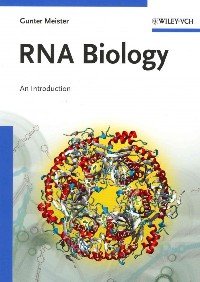
Meister (biochemistry, U. of Regensburg, Germany) covers RNA biology comprehensively without getting into mechanistic detail, to provide an introduction for undergraduate students of all life sciences. Chapter-end references point to fuller treatments for students who are interested. The coding RNA section deals with mRNA metabolism and the flow of genetic information from the DNA storage site to the ribosomes. Processes covered in standard molecular biology textbook are treated only lightly here. The section on non-coding RNA includes discussions of transfer RNAs, small nucleolar RNAs, small non-coding RNAs and the mechanisms of gene silencing, RNA editing, and riboswitches and RAN sensors. Answers to questions are appended. Annotation 漏2011 Book News, Inc., Portland, OR (booknews.com)
Publisher Summary 2
The first-ever advanced text on RNA biology captures all the excitement of this booming field. Divided into three parts, on coding RNA, non-coding RNA, and RNomics, both the traditional roles of RNA in the transmission and regulation of genetic information and the newly discovered functions of small RNA species in pathogen defense, cell differentiation and higher-level genomic regulation are competently explained and put into perspective.
目录
Table Of Contents:
Preface xv
Part One mRNA Biology 1(150)
1 Introduction 3(14)
1.1 RNA Building Blocks 4(2)
1.2 RNA Folding 6(4)
1.3 The RNA World Hypothesis 10(1)
1.4 Functions of RNA 11(1)
1.5 Protein Classes that are Required for RNA Function 12(5)
1.5.1 RNA Binding Proteins 12(1)
1.5.1.1 Proteins that Interact with Single Stranded RNAs 12(2)
1.5.1.2 Proteins that Interact with Double Stranded RNAs 14(1)
1.5.2 RNA Helicases 14(1)
References 15(2)
2 Transcription of Pre-mRNAs 17(20)
2.1 Structure and Organization of Protein Coding Genes 18(2)
2.2 Transcription of mRNAs by RNA Polymerase II 20(11)
2.2.1 Transcriptional Initiation of Protein Coding Genes 23(4)
2.2.2 Regulation of Transcriptional Initiation of RNA Polymerase II 27(1)
2.2.3 Transition from Preinitiation to Initiation and Promoter Clearance 27(2)
2.2.4 Productive Elongation of mRNA Transcripts 29(1)
2.2.4.1 The Nucleotide Addition Cycle (NAC) 29(1)
2.2.4.2 Protein Factors that Influence Pol II Elongation 30(1)
2.3 Transcriptional Termination of Pre-mRNAs 31(1)
2.4 Transcription is Coupled to Other mRNA Maturation Steps 32(2)
2.5 Summary 34(3)
References 35(2)
3 Capping of the Pre-mRNA 5' End 37(8)
3.1 m7 G-cap Structure 37(2)
3.2 mRNA Capping Enzymes 39(2)
3.2.1 RNA Triphosphatase 39(1)
3.2.2 Guanylyltransferase 39(1)
3.2.3 Guanine-N7-Methyltransferase 40(1)
3.3 5' Capping is Coupled to Transcription 41(1)
3.4 5' Cap Binding Proteins 41(1)
3.5 Summary 42(3)
References 43(2)
4 3' End Processing of Pre-mRNAs 45(14)
4.1 Polyadenylation Signals 46(1)
4.2 Proteins Involved in 3' End Processing of Pre-mRNAs 47(4)
4.2.1 Cleavage and Polyadenylation Specific Factor (CPSF) 47(1)
4.2.2 Cleavage Stimulation Factor (CstF) 47(1)
4.2.3 Mammalian Cleavage Factor I (CFIm) and II (CFIIm) 48(1)
4.2.4 The Poly(A) Polymerase (PAP) 49(1)
4.2.5 Poly(A)-Binding Protein (PABP) 50(1)
4.2.6 Symplekin 51(1)
4.3 3' End Processing is Tightly Linked to Transcriptional Termination 51(1)
4.4 Alternative Polyadenylation 51(2)
4.5 Cytoplasmic Polyadenylation 53(1)
4.6 3' End Processing of Histone mRNAs 54(2)
4.7 Summary 56(3)
References 57(2)
5 Splicing of Eukaryotic Pre-mRNAs 59(14)
5.1 Group I, II and III Introns 59(2)
5.1.1 Group I: Introns 59(2)
5.1.2 Group II: Introns 61(1)
5.1.3 Group III: Introns 61(1)
5.2 The Mechanism of pre-mRNA Splicing 61(1)
5.3 The Spliceosome 62(4)
5.4 The U12-Dependent Minor Spliceosome 66(1)
5.5 Coupling of Splicing with Transcription and 5' Capping 67(1)
5.6 Alternative Splicing and the Complexity of Genomes 68(2)
5.6.1 Mechanisms of Exon Inclusion into the Mature mRNA 69(1)
5.6.2 Mechanism of Exon Exclusion from the Mature mRNA 70(1)
5.7 Summary 70(1)
5.8 Questions 71(2)
References 72(1)
6 mRNA Export from the Nucleus to the Cytoplasm 73(10)
6.1 Nuclear Import and Nuclear Export 73(2)
6.2 mRNA Export Receptors 75(3)
6.3 Adaptors that Bridge mRNAs with Export Receptors 78(1)
6.4 Mechanism of mRNA Export 78(2)
6.5 Coupling of mRNP Export to Other Steps of mRNA Maturation 80(1)
6.6 Summary 80(1)
6.7 Questions 81(2)
References 81(2)
7 Translation 83(24)
7.1 Amino Acids, mRNAs, tRNAs 83(6)
7.1.1 mRNA 83(1)
7.1.2 Amino Acids 84(2)
7.1.3 Transfer RNAs (tRNAs) 86(1)
7.1.4 Loading Amino Acids onto tRNAs 87(2)
7.2 The Ribosome 89(1)
7.3 The Mechanisms of Translation 90(10)
7.3.1 Translation Initiation 90(1)
7.3.1.1 Eukaryotes 90(3)
7.3.1.2 Bacteria 93(3)
7.3.1.3 Archaea 96(1)
7.3.1.4 Internal Ribosome Entry Sites (IRESs) 96(1)
7.3.2 Elongation 97(1)
7.3.2.1 Polyribosomes 97(2)
7.3.3 Termination 99(1)
7.3.4 Recycling of the Ribosome 100(1)
7.4 Translational Regulation 100(3)
7.4.1 Regulation of Translation Initiation 100(3)
7.4.2 Regulation of Translation Elongation and Termination 103(1)
7.5 Coupling Translation with Other mRNA Maturation and Quality Control Steps 103(1)
7.6 Summary 104(1)
7.7 Questions 105(2)
References 106(1)
8 Deadenylation of mRNA 107(6)
8.1 Deadenylating Enzymes 107(4)
8.1.1 Poly(A) Nuclease 107(1)
8.1.2 CCR4-NOT Complex 108(1)
8.1.3 Poly(A) Ribonuclease 108(2)
8.1.4 Other Deadenylases 110(1)
8.2 Summary 111(1)
8.3 Questions 111(2)
References 112(1)
9 mRNA Decapping 113(8)
9.1 Decapping Enzymes are the Core of the mRNA Decapping Machinery 113(2)
9.2 Scavenger Decapping Enzyme DcpS 115(1)
9.3 Regulation of mRNA Decapping 115(2)
9.3.1 Inhibitors of Decapping 115(1)
9.3.2 Enhancers of Decapping 116(1)
9.4 Intracellular Localization of mRNA Decapping 117(1)
9.5 Summary 118(1)
9.6 Questions 119(2)
References 119(2)
10 mRNA Decay Pathways 121(16)
10.1 Deadenylation-Dependent mRNA Decay 122(5)
10.1.1 The 5' to 3' Exoribonuclease Xrn 1 122(1)
10.1.2 The Exosome 122(3)
10.1.2.1 Structural Organization of the Exosome 125(1)
10.1.2.2 Mechanism of Exosome-Mediated RNA Degradation 125(1)
10.1.2.3 Regulation of Exosome Activity 126(1)
10.2 Deadenylation-Independent mRNA Decay 127(1)
10.3 Endoribonuclease-Mediated mRNA Decay 128(3)
10.3.1 Eukaryotic Endoribonucleases 129(2)
10.4 Regulation of mRNA Decay 131(1)
10.5 RNA Degradation in Bacteria 131(2)
10.6 Summary 133(1)
10.7 Questions 134(3)
References 135(2)
11 mRNA Quality Control 137(14)
11.1 Nuclear mRNA Quality Control Mechanisms 137(1)
11.1.1 MRNP Retention at the Transcription Site 138(1)
11.1.2 MRNP Quality Control at the Nuclear Pore Complex 138(1)
11.2 Nonsense-Mediated mRNA Decay (NMD) 138(8)
11.2.1 Protein Factors Required for NMD 139(1)
11.2.1.1 UPF Proteins 139(1)
11.2.1.2 The Exon-Exon-Junction Complex (EJC) and NMD 140(1)
11.2.1.3 SMG Proteins and the Phosphorylation of UPF 1 141(1)
11.2.2 Mechanism of NMD in Mammals 142(1)
11.2.3 Cytoplasmic Processing Bodies and NMD 143(1)
11.2.4 Mechanism of NMD in Yeast and Flies 144(2)
11.2.5 mRNA Degradation Pathways in NMD 146(1)
11.3 Other mRNA Quality Control Pathways 146(2)
11.3.1 Non-Stop mRNA Degradation 146(2)
11.3.2 No-Go mRNA Decay (NGD) 148(1)
11.4 Summary 148(1)
11.5 Questions 149(2)
References 149(2)
Part Two Non-Coding RNA Biology 151(168)
12 Ribosomal RNAs and the Biogenesis of Ribosomes 153(30)
12.1 Genomic Organization of Ribosomal RNA Genes 153(4)
12.1.1 Bacteria and Archaea 153(2)
12.1.2 Eukaryotes 155(1)
12.1.2.1 28S, 18S and 5.8S rRNAs 155(1)
12.1.2.2 5S rRNA 156(1)
12.2 Transcription of Ribosomal RNA Genes 157(12)
12.2.1 RNA Polymerase I 157(1)
12.2.1.1 Initiation of Pol I Transcription 158(2)
12.2.1.2 Promoter Clearance, Transcript Elongation and Termination of Pol I Transcription 160(1)
12.2.1.3 Regulation of RNA Polymerase I Transcription 161(1)
12.2.2 RNA Polymerase III and the Transcription of the 5S rRNA 162(1)
12.2.2.1 Pol III Promoters 163(2)
12.2.2.2 Transcription Initiation and Elongation of RNA Polymerase III 165(2)
12.2.2.3 Initiation of Type 3 Promoters 167(1)
12.2.2.4 Termination and Re-Initiation 168(1)
12.3 Maturation of rRNAs 169(3)
12.3.1 Small Nucleolar RNAs are Required for Pre-rRNA Processing 170(2)
12.4 Assembly of Ribosomal Subunits 172(2)
12.5 Nuclear Export of Ribosomal Subunits 174(1)
12.6 Modification, Structure and Function of rRNAs 175(3)
12.7 Summary 178(1)
12.8 Questions 179(4)
References 180(3)
13 Transfer RNAs 183(16)
13.1 Genomic Organization and Transcription of tRNA Genes 183(1)
13.2 Processing to Mature tRNAs 184(7)
13.2.1 5' Maturation of tRNAs by the RNase P Enzyme Complex 184(2)
13.2.2 3' End Maturation of tRNAs 186(2)
13.2.3 tRNA Splicing 188(3)
13.3 tRNA Modifications 191(2)
13.4 Nuclear Export of tRNAs 193(1)
13.5 Tertiary Structure of tRNAs 194(2)
13.6 Summary 196(3)
References 197(2)
14 The 7SL RNA and the Signal Recognition Particle 199(10)
14.1 Architecture of the SRP 199(5)
14.1.1 The SRP RNA 199(2)
14.1.2 Protein Components of the SRP 201(1)
14.1.2.1 Eukaryotes 201(2)
14.1.2.2 Archaea and Bacteria 203(1)
14.2 SRP-Mediated Protein Translocation 204(2)
14.3 Summary 206(3)
References 208(1)
15 Regulation of Transcription: the 7SK Small Nuclear RNA 209(8)
15.1 Architecture of the 7SK snRNA 209(3)
15.1.1 The 7SK snRNA 209(1)
15.1.2 Protein Components of the 7SK snRNP 210(2)
15.2 The 7SK snRNP Functions as Transcriptional Regulator 212(2)
15.2.1 P-TEFb Function in Transcription 212(2)
15.2.2 Repression of P-TEFb by the 7SK snRNP 214(1)
15.3 Other Small Non-Coding RNAs that Interfere with Transcription 214(1)
15.3.1 The 6S RNA in Bacteria 214(1)
15.3.2 Alu, B1 and B2 Non-Coding RNAs in Mammals 215(1)
15.4 Summary 215(2)
References 216(1)
16 Small Nucleolar RNAs 217(12)
16.1 Genomic Organization and snoRNA Transcription 217(1)
16.2 Box H/ACA snoRNAs 218(3)
16.3 Box C/D snoRNAs 221(2)
16.4 Maturation of Functional snoRNPs 223(1)
16.5 Orphan snoRNAs 224(2)
16.6 The Telomerase RNP 226(1)
16.7 Summary 227(2)
References 228(1)
17 Spliceosomal Small Nuclear RNAs 229(16)
17.1 Transcription and Maturation of Spliceosomal snRNAs 229(3)
17.1.1 Transcription of Spliceosomal snRNAs 229(1)
17.1.2 snRNA Maturation 230(1)
17.1.3 SnRNA Export to the Cytoplasm 231(1)
17.2 The Structure of UsnRNPs 232(5)
17.2.1 Secondary Structure of Spliceosomal snRNAs 232(1)
17.2.2 Protein Composition of UsnRNPs 233(1)
17.2.2.1 The Sm/LSm Core Structure 233(2)
17.2.2.2 UsnRNP-Specific Proteins 235(2)
17.3 Assembly of Spliceosomal snRNPs 237(5)
17.3.1 Cytoplasmic Assembly of the Sm Core Domain 237(3)
17.3.2 Formation of the Tri-Methyl Guanine Cap 240(1)
17.3.3 Import of Assembled UsnRNPs into the Nucleus 241(1)
17.4 Summary 242(1)
17.5 Questions 243(2)
References 244(1)
18 Small Non-Coding RNAs and the Mechanism of Gene Silencing 245(26)
18.1 Short Interfering RNAs and the Mechanism of RNA Interference 245(3)
18.2 Dicer 248(1)
18.3 RNA-Dependent RNA Polymerases 248(3)
18.4 Argonaute Proteins 251(1)
18.5 microRNAs and the Regulation of Gene Expression 251(6)
18.5.1 MiRNA Biogenesis 251(2)
18.5.2 Non-Canonical miRNA Biogenesis Pathways 253(2)
18.5.3 miRNA Functions 255(1)
18.5.3.1 miRNAs Can Act as siRNAs 255(1)
18.5.3.2 miRNAs Inhibit Translation 255(1)
18.5.3.3 miRNAs Induce Deadenylation and mRNA Decay 256(1)
18.6 PiRNAs and the Regulation of Mobile Genetic Elements in the Germ Line 257(4)
18.6.1 Transposons as Driving Force Behind Evolution 258(1)
18.6.2 PiRNAs Control Transposon Expression 259(2)
18.7 Small RNAs with Functions in Chromatin Regulation 261(2)
18.8 The CRISPR System - A Bacterial and Archaeal Defense Mechanism 263(3)
18.8.1 The CRISPR Locus 263(1)
18.8.2 Acquisition of CRISPR-Mediated Resistance 264(1)
18.8.3 Mechanism of CRISPR Activity 265(1)
18.9 Summary 266(5)
References 269(2)
19 Long Non-Coding RNAs 271(10)
19.1 The XIST Non-Coding RNA and X Chromosome Inactivation 271(4)
19.1.1 The X-Chromosome Inactivation Center (XIC) 272(1)
19.1.2 The XIST Non-Coding RNA and the Mechanism of X Inactivation 272(2)
19.1.3 Regulation of XIST Function 274(1)
19.2 Dosage Compensation in Flies 275(1)
19.3 Non-Coding RNAs and the Regulation of Imprinting 276(2)
19.4 The Regulation of HOX Genes by Long Non-Coding RNAs 278(1)
19.5 Long non-Coding RNAs are Common in Complex Genomes 278(1)
19.6 Summary 278(3)
References 280(1)
20 RNA Editing 281(12)
20.1 RNA Editing by U Insertions or Deletions 281(2)
20.1.1 Mechanisms of U Insertions or Deletions 282(1)
20.2 RNA Editing by Base Modification 283(7)
20.2.1 C to U Conversion 284(2)
20.2.2 Adenine to Inosine Editing 286(1)
20.2.2.1 Adenosine Deaminase Acting on RNA 287(1)
20.2.2.2 Editing Site Selectivity 288(1)
20.2.2.3 Biological Consequences of A to I Conversions 288(2)
20.3 Summary 290(3)
References 291(2)
21 Ribozymes - Catalytic RNA Molecules 293(10)
21.1 Identification of Catalytic RNAs 293(1)
21.2 Mechanisms and Secondary Structures of Different Ribozymes 294(6)
21.2.1 Group I: Introns 294(1)
21.2.2 RNase P 295(1)
21.2.3 The Diels-Alderase Ribozyme 296(2)
21.2.4 Hammerhead Ribozymes 298(1)
21.2.5 The glmS Ribozyme 298(2)
21.3 Summary 300(3)
References 301(2)
22 Riboswitches and RNA Sensors 303(6)
22.1 Mechanisms of Riboswitch Function 303(2)
22.2 Riboswitch Structures 305(1)
22.3 RNA Thermometers 305(2)
22.4 Summary 307(2)
References 308(1)
23 RNomics 309(10)
23.1 "Omics" Approaches 309(1)
23.2 Experimental RNA Profiling Strategies 310(5)
23.2.1 Northern Blotting 310(1)
23.2.2 Microarray 311(2)
23.2.3 Quantitative PCR 313(1)
23.2.4 RNA Fluorescent In Situ Hybridization 314(1)
23.2.5 Next Generation Sequencing 314(1)
23.3 RNA Biology and the Complexity of Genomes 315(1)
23.4 Summary 315(4)
References 318(1)
Appendix: Answers to Questions 319(36)
Index 355
Preface xv
Part One mRNA Biology 1(150)
1 Introduction 3(14)
1.1 RNA Building Blocks 4(2)
1.2 RNA Folding 6(4)
1.3 The RNA World Hypothesis 10(1)
1.4 Functions of RNA 11(1)
1.5 Protein Classes that are Required for RNA Function 12(5)
1.5.1 RNA Binding Proteins 12(1)
1.5.1.1 Proteins that Interact with Single Stranded RNAs 12(2)
1.5.1.2 Proteins that Interact with Double Stranded RNAs 14(1)
1.5.2 RNA Helicases 14(1)
References 15(2)
2 Transcription of Pre-mRNAs 17(20)
2.1 Structure and Organization of Protein Coding Genes 18(2)
2.2 Transcription of mRNAs by RNA Polymerase II 20(11)
2.2.1 Transcriptional Initiation of Protein Coding Genes 23(4)
2.2.2 Regulation of Transcriptional Initiation of RNA Polymerase II 27(1)
2.2.3 Transition from Preinitiation to Initiation and Promoter Clearance 27(2)
2.2.4 Productive Elongation of mRNA Transcripts 29(1)
2.2.4.1 The Nucleotide Addition Cycle (NAC) 29(1)
2.2.4.2 Protein Factors that Influence Pol II Elongation 30(1)
2.3 Transcriptional Termination of Pre-mRNAs 31(1)
2.4 Transcription is Coupled to Other mRNA Maturation Steps 32(2)
2.5 Summary 34(3)
References 35(2)
3 Capping of the Pre-mRNA 5' End 37(8)
3.1 m7 G-cap Structure 37(2)
3.2 mRNA Capping Enzymes 39(2)
3.2.1 RNA Triphosphatase 39(1)
3.2.2 Guanylyltransferase 39(1)
3.2.3 Guanine-N7-Methyltransferase 40(1)
3.3 5' Capping is Coupled to Transcription 41(1)
3.4 5' Cap Binding Proteins 41(1)
3.5 Summary 42(3)
References 43(2)
4 3' End Processing of Pre-mRNAs 45(14)
4.1 Polyadenylation Signals 46(1)
4.2 Proteins Involved in 3' End Processing of Pre-mRNAs 47(4)
4.2.1 Cleavage and Polyadenylation Specific Factor (CPSF) 47(1)
4.2.2 Cleavage Stimulation Factor (CstF) 47(1)
4.2.3 Mammalian Cleavage Factor I (CFIm) and II (CFIIm) 48(1)
4.2.4 The Poly(A) Polymerase (PAP) 49(1)
4.2.5 Poly(A)-Binding Protein (PABP) 50(1)
4.2.6 Symplekin 51(1)
4.3 3' End Processing is Tightly Linked to Transcriptional Termination 51(1)
4.4 Alternative Polyadenylation 51(2)
4.5 Cytoplasmic Polyadenylation 53(1)
4.6 3' End Processing of Histone mRNAs 54(2)
4.7 Summary 56(3)
References 57(2)
5 Splicing of Eukaryotic Pre-mRNAs 59(14)
5.1 Group I, II and III Introns 59(2)
5.1.1 Group I: Introns 59(2)
5.1.2 Group II: Introns 61(1)
5.1.3 Group III: Introns 61(1)
5.2 The Mechanism of pre-mRNA Splicing 61(1)
5.3 The Spliceosome 62(4)
5.4 The U12-Dependent Minor Spliceosome 66(1)
5.5 Coupling of Splicing with Transcription and 5' Capping 67(1)
5.6 Alternative Splicing and the Complexity of Genomes 68(2)
5.6.1 Mechanisms of Exon Inclusion into the Mature mRNA 69(1)
5.6.2 Mechanism of Exon Exclusion from the Mature mRNA 70(1)
5.7 Summary 70(1)
5.8 Questions 71(2)
References 72(1)
6 mRNA Export from the Nucleus to the Cytoplasm 73(10)
6.1 Nuclear Import and Nuclear Export 73(2)
6.2 mRNA Export Receptors 75(3)
6.3 Adaptors that Bridge mRNAs with Export Receptors 78(1)
6.4 Mechanism of mRNA Export 78(2)
6.5 Coupling of mRNP Export to Other Steps of mRNA Maturation 80(1)
6.6 Summary 80(1)
6.7 Questions 81(2)
References 81(2)
7 Translation 83(24)
7.1 Amino Acids, mRNAs, tRNAs 83(6)
7.1.1 mRNA 83(1)
7.1.2 Amino Acids 84(2)
7.1.3 Transfer RNAs (tRNAs) 86(1)
7.1.4 Loading Amino Acids onto tRNAs 87(2)
7.2 The Ribosome 89(1)
7.3 The Mechanisms of Translation 90(10)
7.3.1 Translation Initiation 90(1)
7.3.1.1 Eukaryotes 90(3)
7.3.1.2 Bacteria 93(3)
7.3.1.3 Archaea 96(1)
7.3.1.4 Internal Ribosome Entry Sites (IRESs) 96(1)
7.3.2 Elongation 97(1)
7.3.2.1 Polyribosomes 97(2)
7.3.3 Termination 99(1)
7.3.4 Recycling of the Ribosome 100(1)
7.4 Translational Regulation 100(3)
7.4.1 Regulation of Translation Initiation 100(3)
7.4.2 Regulation of Translation Elongation and Termination 103(1)
7.5 Coupling Translation with Other mRNA Maturation and Quality Control Steps 103(1)
7.6 Summary 104(1)
7.7 Questions 105(2)
References 106(1)
8 Deadenylation of mRNA 107(6)
8.1 Deadenylating Enzymes 107(4)
8.1.1 Poly(A) Nuclease 107(1)
8.1.2 CCR4-NOT Complex 108(1)
8.1.3 Poly(A) Ribonuclease 108(2)
8.1.4 Other Deadenylases 110(1)
8.2 Summary 111(1)
8.3 Questions 111(2)
References 112(1)
9 mRNA Decapping 113(8)
9.1 Decapping Enzymes are the Core of the mRNA Decapping Machinery 113(2)
9.2 Scavenger Decapping Enzyme DcpS 115(1)
9.3 Regulation of mRNA Decapping 115(2)
9.3.1 Inhibitors of Decapping 115(1)
9.3.2 Enhancers of Decapping 116(1)
9.4 Intracellular Localization of mRNA Decapping 117(1)
9.5 Summary 118(1)
9.6 Questions 119(2)
References 119(2)
10 mRNA Decay Pathways 121(16)
10.1 Deadenylation-Dependent mRNA Decay 122(5)
10.1.1 The 5' to 3' Exoribonuclease Xrn 1 122(1)
10.1.2 The Exosome 122(3)
10.1.2.1 Structural Organization of the Exosome 125(1)
10.1.2.2 Mechanism of Exosome-Mediated RNA Degradation 125(1)
10.1.2.3 Regulation of Exosome Activity 126(1)
10.2 Deadenylation-Independent mRNA Decay 127(1)
10.3 Endoribonuclease-Mediated mRNA Decay 128(3)
10.3.1 Eukaryotic Endoribonucleases 129(2)
10.4 Regulation of mRNA Decay 131(1)
10.5 RNA Degradation in Bacteria 131(2)
10.6 Summary 133(1)
10.7 Questions 134(3)
References 135(2)
11 mRNA Quality Control 137(14)
11.1 Nuclear mRNA Quality Control Mechanisms 137(1)
11.1.1 MRNP Retention at the Transcription Site 138(1)
11.1.2 MRNP Quality Control at the Nuclear Pore Complex 138(1)
11.2 Nonsense-Mediated mRNA Decay (NMD) 138(8)
11.2.1 Protein Factors Required for NMD 139(1)
11.2.1.1 UPF Proteins 139(1)
11.2.1.2 The Exon-Exon-Junction Complex (EJC) and NMD 140(1)
11.2.1.3 SMG Proteins and the Phosphorylation of UPF 1 141(1)
11.2.2 Mechanism of NMD in Mammals 142(1)
11.2.3 Cytoplasmic Processing Bodies and NMD 143(1)
11.2.4 Mechanism of NMD in Yeast and Flies 144(2)
11.2.5 mRNA Degradation Pathways in NMD 146(1)
11.3 Other mRNA Quality Control Pathways 146(2)
11.3.1 Non-Stop mRNA Degradation 146(2)
11.3.2 No-Go mRNA Decay (NGD) 148(1)
11.4 Summary 148(1)
11.5 Questions 149(2)
References 149(2)
Part Two Non-Coding RNA Biology 151(168)
12 Ribosomal RNAs and the Biogenesis of Ribosomes 153(30)
12.1 Genomic Organization of Ribosomal RNA Genes 153(4)
12.1.1 Bacteria and Archaea 153(2)
12.1.2 Eukaryotes 155(1)
12.1.2.1 28S, 18S and 5.8S rRNAs 155(1)
12.1.2.2 5S rRNA 156(1)
12.2 Transcription of Ribosomal RNA Genes 157(12)
12.2.1 RNA Polymerase I 157(1)
12.2.1.1 Initiation of Pol I Transcription 158(2)
12.2.1.2 Promoter Clearance, Transcript Elongation and Termination of Pol I Transcription 160(1)
12.2.1.3 Regulation of RNA Polymerase I Transcription 161(1)
12.2.2 RNA Polymerase III and the Transcription of the 5S rRNA 162(1)
12.2.2.1 Pol III Promoters 163(2)
12.2.2.2 Transcription Initiation and Elongation of RNA Polymerase III 165(2)
12.2.2.3 Initiation of Type 3 Promoters 167(1)
12.2.2.4 Termination and Re-Initiation 168(1)
12.3 Maturation of rRNAs 169(3)
12.3.1 Small Nucleolar RNAs are Required for Pre-rRNA Processing 170(2)
12.4 Assembly of Ribosomal Subunits 172(2)
12.5 Nuclear Export of Ribosomal Subunits 174(1)
12.6 Modification, Structure and Function of rRNAs 175(3)
12.7 Summary 178(1)
12.8 Questions 179(4)
References 180(3)
13 Transfer RNAs 183(16)
13.1 Genomic Organization and Transcription of tRNA Genes 183(1)
13.2 Processing to Mature tRNAs 184(7)
13.2.1 5' Maturation of tRNAs by the RNase P Enzyme Complex 184(2)
13.2.2 3' End Maturation of tRNAs 186(2)
13.2.3 tRNA Splicing 188(3)
13.3 tRNA Modifications 191(2)
13.4 Nuclear Export of tRNAs 193(1)
13.5 Tertiary Structure of tRNAs 194(2)
13.6 Summary 196(3)
References 197(2)
14 The 7SL RNA and the Signal Recognition Particle 199(10)
14.1 Architecture of the SRP 199(5)
14.1.1 The SRP RNA 199(2)
14.1.2 Protein Components of the SRP 201(1)
14.1.2.1 Eukaryotes 201(2)
14.1.2.2 Archaea and Bacteria 203(1)
14.2 SRP-Mediated Protein Translocation 204(2)
14.3 Summary 206(3)
References 208(1)
15 Regulation of Transcription: the 7SK Small Nuclear RNA 209(8)
15.1 Architecture of the 7SK snRNA 209(3)
15.1.1 The 7SK snRNA 209(1)
15.1.2 Protein Components of the 7SK snRNP 210(2)
15.2 The 7SK snRNP Functions as Transcriptional Regulator 212(2)
15.2.1 P-TEFb Function in Transcription 212(2)
15.2.2 Repression of P-TEFb by the 7SK snRNP 214(1)
15.3 Other Small Non-Coding RNAs that Interfere with Transcription 214(1)
15.3.1 The 6S RNA in Bacteria 214(1)
15.3.2 Alu, B1 and B2 Non-Coding RNAs in Mammals 215(1)
15.4 Summary 215(2)
References 216(1)
16 Small Nucleolar RNAs 217(12)
16.1 Genomic Organization and snoRNA Transcription 217(1)
16.2 Box H/ACA snoRNAs 218(3)
16.3 Box C/D snoRNAs 221(2)
16.4 Maturation of Functional snoRNPs 223(1)
16.5 Orphan snoRNAs 224(2)
16.6 The Telomerase RNP 226(1)
16.7 Summary 227(2)
References 228(1)
17 Spliceosomal Small Nuclear RNAs 229(16)
17.1 Transcription and Maturation of Spliceosomal snRNAs 229(3)
17.1.1 Transcription of Spliceosomal snRNAs 229(1)
17.1.2 snRNA Maturation 230(1)
17.1.3 SnRNA Export to the Cytoplasm 231(1)
17.2 The Structure of UsnRNPs 232(5)
17.2.1 Secondary Structure of Spliceosomal snRNAs 232(1)
17.2.2 Protein Composition of UsnRNPs 233(1)
17.2.2.1 The Sm/LSm Core Structure 233(2)
17.2.2.2 UsnRNP-Specific Proteins 235(2)
17.3 Assembly of Spliceosomal snRNPs 237(5)
17.3.1 Cytoplasmic Assembly of the Sm Core Domain 237(3)
17.3.2 Formation of the Tri-Methyl Guanine Cap 240(1)
17.3.3 Import of Assembled UsnRNPs into the Nucleus 241(1)
17.4 Summary 242(1)
17.5 Questions 243(2)
References 244(1)
18 Small Non-Coding RNAs and the Mechanism of Gene Silencing 245(26)
18.1 Short Interfering RNAs and the Mechanism of RNA Interference 245(3)
18.2 Dicer 248(1)
18.3 RNA-Dependent RNA Polymerases 248(3)
18.4 Argonaute Proteins 251(1)
18.5 microRNAs and the Regulation of Gene Expression 251(6)
18.5.1 MiRNA Biogenesis 251(2)
18.5.2 Non-Canonical miRNA Biogenesis Pathways 253(2)
18.5.3 miRNA Functions 255(1)
18.5.3.1 miRNAs Can Act as siRNAs 255(1)
18.5.3.2 miRNAs Inhibit Translation 255(1)
18.5.3.3 miRNAs Induce Deadenylation and mRNA Decay 256(1)
18.6 PiRNAs and the Regulation of Mobile Genetic Elements in the Germ Line 257(4)
18.6.1 Transposons as Driving Force Behind Evolution 258(1)
18.6.2 PiRNAs Control Transposon Expression 259(2)
18.7 Small RNAs with Functions in Chromatin Regulation 261(2)
18.8 The CRISPR System - A Bacterial and Archaeal Defense Mechanism 263(3)
18.8.1 The CRISPR Locus 263(1)
18.8.2 Acquisition of CRISPR-Mediated Resistance 264(1)
18.8.3 Mechanism of CRISPR Activity 265(1)
18.9 Summary 266(5)
References 269(2)
19 Long Non-Coding RNAs 271(10)
19.1 The XIST Non-Coding RNA and X Chromosome Inactivation 271(4)
19.1.1 The X-Chromosome Inactivation Center (XIC) 272(1)
19.1.2 The XIST Non-Coding RNA and the Mechanism of X Inactivation 272(2)
19.1.3 Regulation of XIST Function 274(1)
19.2 Dosage Compensation in Flies 275(1)
19.3 Non-Coding RNAs and the Regulation of Imprinting 276(2)
19.4 The Regulation of HOX Genes by Long Non-Coding RNAs 278(1)
19.5 Long non-Coding RNAs are Common in Complex Genomes 278(1)
19.6 Summary 278(3)
References 280(1)
20 RNA Editing 281(12)
20.1 RNA Editing by U Insertions or Deletions 281(2)
20.1.1 Mechanisms of U Insertions or Deletions 282(1)
20.2 RNA Editing by Base Modification 283(7)
20.2.1 C to U Conversion 284(2)
20.2.2 Adenine to Inosine Editing 286(1)
20.2.2.1 Adenosine Deaminase Acting on RNA 287(1)
20.2.2.2 Editing Site Selectivity 288(1)
20.2.2.3 Biological Consequences of A to I Conversions 288(2)
20.3 Summary 290(3)
References 291(2)
21 Ribozymes - Catalytic RNA Molecules 293(10)
21.1 Identification of Catalytic RNAs 293(1)
21.2 Mechanisms and Secondary Structures of Different Ribozymes 294(6)
21.2.1 Group I: Introns 294(1)
21.2.2 RNase P 295(1)
21.2.3 The Diels-Alderase Ribozyme 296(2)
21.2.4 Hammerhead Ribozymes 298(1)
21.2.5 The glmS Ribozyme 298(2)
21.3 Summary 300(3)
References 301(2)
22 Riboswitches and RNA Sensors 303(6)
22.1 Mechanisms of Riboswitch Function 303(2)
22.2 Riboswitch Structures 305(1)
22.3 RNA Thermometers 305(2)
22.4 Summary 307(2)
References 308(1)
23 RNomics 309(10)
23.1 "Omics" Approaches 309(1)
23.2 Experimental RNA Profiling Strategies 310(5)
23.2.1 Northern Blotting 310(1)
23.2.2 Microarray 311(2)
23.2.3 Quantitative PCR 313(1)
23.2.4 RNA Fluorescent In Situ Hybridization 314(1)
23.2.5 Next Generation Sequencing 314(1)
23.3 RNA Biology and the Complexity of Genomes 315(1)
23.4 Summary 315(4)
References 318(1)
Appendix: Answers to Questions 319(36)
Index 355
RNA biology : an introduction /
- 名称
- 类型
- 大小
光盘服务联系方式: 020-38250260 客服QQ:4006604884
云图客服:
用户发送的提问,这种方式就需要有位在线客服来回答用户的问题,这种 就属于对话式的,问题是这种提问是否需要用户登录才能提问
Video Player
×
Audio Player
×
pdf Player
×
