

简介
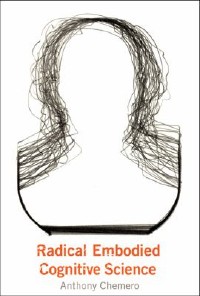
While philosophers of mind have been arguing over the status of mental representations in cognitive science, cognitive scientists have been quietly engaged in studying perception, action, and cognition without explaining them in terms of mental representation. In this book, Anthony Chemero describes this nonrepresentational approach (which he terms radical embodied cognitive science), puts it in historical and conceptual context, and applies it to traditional problems in the philosophy of mind. Radical embodied cognitive science is a direct descendant of the American naturalist psychology of William James and John Dewey, and follows them in viewing perception and cognition to be understandable only in terms of action in the environment. Chemero argues that cognition should be described in terms of agent-environment dynamics rather than in terms of computation and representation. After outlining this orientation to cognition, Chemero proposes a methodology: dynamical systems theory, which would explain things dynamically and without reference to representation. He also advances a background theory: Gibsonian ecological psychology, "shored up" and clarified. Chemero then looks at some traditional philosophical problems (reductionism, epistemological skepticism, metaphysical realism, consciousness) through the lens of radical embodied cognitive science and concludes that the comparative ease with which it resolves these problems, combined with its empirical promise, makes this approach to cognitive science a rewarding one. "Jerry Fodor is my favorite philosopher," Chemero writes in his preface, adding, "I think that Jerry Fodor is wrong about nearly everything." With this book, Chemero explains nonrepresentational, dynamical, ecological cognitive science as clearly and as rigorously as Jerry Fodor explained computational cognitive science in his classic work The Language of Thought.
目录
Preface: In Praise of Dr. Fodor p. ix
Acknowledgments p. xiii
Stage Setting
Hegel, Behe, Chomsky, Fodor p. 3
Embodied Cognition and Radical Embodied Cognition p. 17
Representation and Dynamics
Theories of Representation p. 47
The Dynamical Stance p. 67
Guides to Discovery p. 85
Ecological Psychology
Information and Direct Perception p. 105
Affordances, etc. p. 135
Philosophical Consequences
Neurophilosophy Meets Radical Embodied Cognitive Science p. 165
The Metaphysics of Radical Embodiment p. 183
Coda p. 207
Notes p. 209
References p. 221
Index p. 245
Acknowledgments p. xiii
Stage Setting
Hegel, Behe, Chomsky, Fodor p. 3
Embodied Cognition and Radical Embodied Cognition p. 17
Representation and Dynamics
Theories of Representation p. 47
The Dynamical Stance p. 67
Guides to Discovery p. 85
Ecological Psychology
Information and Direct Perception p. 105
Affordances, etc. p. 135
Philosophical Consequences
Neurophilosophy Meets Radical Embodied Cognitive Science p. 165
The Metaphysics of Radical Embodiment p. 183
Coda p. 207
Notes p. 209
References p. 221
Index p. 245
- 名称
- 类型
- 大小
光盘服务联系方式: 020-38250260 客服QQ:4006604884
云图客服:
用户发送的提问,这种方式就需要有位在线客服来回答用户的问题,这种 就属于对话式的,问题是这种提问是否需要用户登录才能提问
Video Player
×
Audio Player
×
pdf Player
×
