

简介
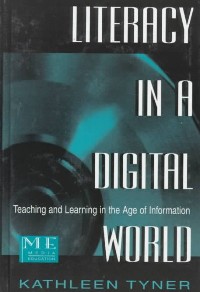
"In Literacy in a Digital World: Teaching and Learning in the Age of Information, Kathleen Tyner examines the tenets of literacy through an historical lens to demonstrate how new communication technologies are resisted and accepted over time. She also examines the juncture between educational technology and media education, two broad movements that aim at improving education." "Written for media education scholars and students, literacy educators, and anyone involved with integrating new technologies into the educational process, Literacy in a Digital World explores the changing relationship between literacy and schooling within the context of new communication technologies, and places literacy within the social and historical contexts that expand its potential to enrich teaching and learning in an information age."--BOOK JACKET.
目录
Table Of Contents:
ACKNOWLEDGMENTS xi
INTRODUCTION 1(9)
1 PAUSE ON LITERACY FAST FORWARD 10(15)
Rewind to Referencing Past 13(2)
Literacy Through a Glass Darkly 15(3)
Literacy and Schooling 18(2)
On the Horns of Plato's Dilemma 20(5)
2 EXPANDING LITERACY 25(17)
Literacy as Discourse: Theory at the Turn of the 21st Century 28(1)
The Discourse of Schooling 29(2)
Literacy Myths and Their Consequences 31(2)
When Past and Future Collide 33(3)
Erasing the Myths of Literacy 36(4)
Avoiding False Dichotomies 40(2)
3 DIVERGENCE AND CONVERGENCE ON THE ELECTRONIC FRONTIER 42(18)
Mass Communication Study at the Crossroads 44(1)
Scanning the Faultline 45(3)
In Search of Digital Literacy 48(4)
Whatcha Doin' Marshall McLuhan? 52(3)
From Oral to Print to Electronic and Back Again 55(2)
Converging Literacy, Communication, and Educational Theory 57(3)
4 SPLINTERING LITERACIES 60(9)
A New Literacy for a New Age 61(2)
A Case for Multiliteracies 63(6)
5 BEYOND ACCESS 69(23)
Educational Technology: Tools in Search of a Theory 71(4)
Networked Computers as Literacy 75(2)
Computers as Literacy 77(2)
The Sum of the Parts 79(7)
Literacy Tools in Action: Crossing the Divide 86(3)
Reframing the Access Issue 89(3)
6 REPRESENTING LITERACY IN THE AGE OF INFORMATION 92(37)
Linking Literacies 93(4)
The Literacy of Libraries 97(7)
A Closer Look at Visual Literacy 104(5)
Visual Literacy in Practice: Codes and Contexts 109(4)
(What in the World Is) Media Literacy? 113(1)
Media Education in Europe 114(4)
Defining Media Literacy 118(4)
Constituencies for Media Literacy Education 122(1)
Media Teaching About Media 123(3)
Media Education in Print 126(3)
7 TRADING WATER: MEDIA EDUCATION IN THE UNITED STATES 129(24)
Dissecting the Critical Viewing Movement of the 1970s 133(6)
Conflicting Purposes of Literacy 139(1)
Protecting Other People's Children 140(9)
Jammin' for a Better Tomorrow 149(4)
8 MOVING TOWARD AN ACQUISITION MODEL OF MEDIA EDUCATION 153(13)
An Arts-Based Approach to Media Education 156(4)
The San Francisco Digital Media Center: An Arts-Based Approach in Action 160(2)
Critical Democratic Approaches to Media Education 162(4)
9 REPRESENTING DIVERSITY-MEDIA ANALYSIS IN PRACTICE 166(29)
Diversity and the Myth of Educational Failure 167(2)
Teaching in the Diverse Classroom 169(1)
Diversity and the Pop Culture Canon 170(3)
The Case for Cognitive Apprenticeships in Language and Literacy Learning 173(2)
Cognitive Apprenticeships in the Diverse Classroom 175(2)
Cognitive Apprenticeships for Media Education 177(2)
Congnitive Apprenticeships With Student-Produced Work 179(4)
The Case for Video Production in the Diverse Classroom 183(1)
Video as a Scaffolding Medium 183(2)
Representation and Reproduction 185(10)
10 TOWARD AN INTERACTIVE EDUCATION 195(36)
Coming to Consensus 197(1)
The Marriage of Analysis and Production 198(2)
In Search of Media Education Standards 200(2)
Exemplary Media Education Standards in the United States 202(22)
Research and Practice 224(2)
Scaling Up Local Critical Literacy Efforts 226(2)
Why Media Education? 228(3)
AFTERWORD: A TALE OF TWO CITIES 231(24)
Literacy in a Rural Setting 232(11)
Literacy in an Urban Landscape 243(12)
APPENDIX: Global Multiliteracy Networks 255(3)
REFERENCES 258(17)
AUTHOR INDEX 275(6)
SUBJECT INDEX 281
ACKNOWLEDGMENTS xi
INTRODUCTION 1(9)
1 PAUSE ON LITERACY FAST FORWARD 10(15)
Rewind to Referencing Past 13(2)
Literacy Through a Glass Darkly 15(3)
Literacy and Schooling 18(2)
On the Horns of Plato's Dilemma 20(5)
2 EXPANDING LITERACY 25(17)
Literacy as Discourse: Theory at the Turn of the 21st Century 28(1)
The Discourse of Schooling 29(2)
Literacy Myths and Their Consequences 31(2)
When Past and Future Collide 33(3)
Erasing the Myths of Literacy 36(4)
Avoiding False Dichotomies 40(2)
3 DIVERGENCE AND CONVERGENCE ON THE ELECTRONIC FRONTIER 42(18)
Mass Communication Study at the Crossroads 44(1)
Scanning the Faultline 45(3)
In Search of Digital Literacy 48(4)
Whatcha Doin' Marshall McLuhan? 52(3)
From Oral to Print to Electronic and Back Again 55(2)
Converging Literacy, Communication, and Educational Theory 57(3)
4 SPLINTERING LITERACIES 60(9)
A New Literacy for a New Age 61(2)
A Case for Multiliteracies 63(6)
5 BEYOND ACCESS 69(23)
Educational Technology: Tools in Search of a Theory 71(4)
Networked Computers as Literacy 75(2)
Computers as Literacy 77(2)
The Sum of the Parts 79(7)
Literacy Tools in Action: Crossing the Divide 86(3)
Reframing the Access Issue 89(3)
6 REPRESENTING LITERACY IN THE AGE OF INFORMATION 92(37)
Linking Literacies 93(4)
The Literacy of Libraries 97(7)
A Closer Look at Visual Literacy 104(5)
Visual Literacy in Practice: Codes and Contexts 109(4)
(What in the World Is) Media Literacy? 113(1)
Media Education in Europe 114(4)
Defining Media Literacy 118(4)
Constituencies for Media Literacy Education 122(1)
Media Teaching About Media 123(3)
Media Education in Print 126(3)
7 TRADING WATER: MEDIA EDUCATION IN THE UNITED STATES 129(24)
Dissecting the Critical Viewing Movement of the 1970s 133(6)
Conflicting Purposes of Literacy 139(1)
Protecting Other People's Children 140(9)
Jammin' for a Better Tomorrow 149(4)
8 MOVING TOWARD AN ACQUISITION MODEL OF MEDIA EDUCATION 153(13)
An Arts-Based Approach to Media Education 156(4)
The San Francisco Digital Media Center: An Arts-Based Approach in Action 160(2)
Critical Democratic Approaches to Media Education 162(4)
9 REPRESENTING DIVERSITY-MEDIA ANALYSIS IN PRACTICE 166(29)
Diversity and the Myth of Educational Failure 167(2)
Teaching in the Diverse Classroom 169(1)
Diversity and the Pop Culture Canon 170(3)
The Case for Cognitive Apprenticeships in Language and Literacy Learning 173(2)
Cognitive Apprenticeships in the Diverse Classroom 175(2)
Cognitive Apprenticeships for Media Education 177(2)
Congnitive Apprenticeships With Student-Produced Work 179(4)
The Case for Video Production in the Diverse Classroom 183(1)
Video as a Scaffolding Medium 183(2)
Representation and Reproduction 185(10)
10 TOWARD AN INTERACTIVE EDUCATION 195(36)
Coming to Consensus 197(1)
The Marriage of Analysis and Production 198(2)
In Search of Media Education Standards 200(2)
Exemplary Media Education Standards in the United States 202(22)
Research and Practice 224(2)
Scaling Up Local Critical Literacy Efforts 226(2)
Why Media Education? 228(3)
AFTERWORD: A TALE OF TWO CITIES 231(24)
Literacy in a Rural Setting 232(11)
Literacy in an Urban Landscape 243(12)
APPENDIX: Global Multiliteracy Networks 255(3)
REFERENCES 258(17)
AUTHOR INDEX 275(6)
SUBJECT INDEX 281
- 名称
- 类型
- 大小
光盘服务联系方式: 020-38250260 客服QQ:4006604884
云图客服:
用户发送的提问,这种方式就需要有位在线客服来回答用户的问题,这种 就属于对话式的,问题是这种提问是否需要用户登录才能提问
Video Player
×
Audio Player
×
pdf Player
×
