

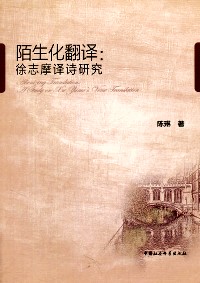
Alienizing translation:a study on Xu Zhimo’s verse translation
副标题:无
作 者:陈琳著
分类号:
ISBN:9787516112663
微信扫一扫,移动浏览光盘
简介
陈琳所著的《陌生化翻译——徐志摩译诗研究》从哲学的间性概念和翻译学的系统理论的角度对陌生化诗歌翻译的概念进行了合理的论证,揭示了徐志摩作为诗人译诗的翻译诗学追求,可谓独辟蹊径。作者在书中提出徐志摩的有机诗体译诗虽然在很大程度上违背了翻译的忠实原则,但是,它反映了在新诗运动背景下,徐志摩作为一个新格律诗派的开山诗人,借助译诗,大胆地抒发其诗情,体现了他对译诗的诗性的大胆追求,造成陌生化诗歌翻译的效果,达到了通过译诗来探寻白话新诗的表现力的目的。
目录
Introduction
0.1 Significance of the Research into Xu as a Poet-cum-Translator
0.2 Review of the Research into Xu' s Verse Translation
0.3 Objectives and Research Method
0.4 Composition and Construction
Chapter 1 Social, Cultural, and Personal Background
1.1 Social, Cultural, and Creative Writing Conditions for the Artistic Field in Modern China: Attempts at Westernization
1.2 Translation Agenda in Xu's Day
1.3 Biographical Evidence for Xu' s Disposition of Open-Mindedness to the New
1.4 Xu's Verse Translation Practice and Thinking
1.4.1 Interest in Literary Uniqueness of the Source Text
1.4.2 Translation Ideal versus Formal Shift
1.4.3 Experiment with the Expressivity of Vernacular Chinese
1.5 Summary
Chapter 2 From Defamiliarization to Alienation Effect
2.1 Defamiliarization
2.1.1 Shklovsky' s Definition
2.1.2 Nature of Defamiliarization
2.1.3 Insights into the Novelty of Poetic Language
2.2 Alienation Effect
2.2.1 Brecht' s Definition
2.2.2 Differences between Defamiliarization and Alienation Effect
2.3 Subjective Artistic Nature of Literary Translation
2.4 Summary
Chapter 3 Alienizing Translation
3.1 Definition
3.1.1 Understanding of Defamiliarization in Translation Studies
3.1.2 Working Definition
3.2 Procedures of Alienizing Translation regarding the Ontological Nature of Translation
3.2.1 Alienization Procedure
3.2.2 Hybridization Procedure
3.3 Summary
Chapter 4 Interness as the Philosophical Motivation for Alienizing Translation
4.1 Interness
4.1.1 Interness as the Result of Intersubjectivity
4.1.2 Interness as the Recognition of Cultural Respect and Complement in Translating
4.2 Interidentity of a Poet-cum-translator
4.3 Translational Intersubjectivity between Xu and His Translated Poets
4.4 Inter-textual Reference as a Semiotic Construct
4.5 Interdiscursivity of the Language of Translation, Themes,and Schools of Poets
4.5.1 Hybridization of the Versification of the Classical Regulated Metrical Chinese Verse
4.5.2 Rhymed Verse versus Free Verse
4.5.3 Diversity of Themes and Schools of Poets
4.6 Intergender of the Feminine and Masculine
4.7 Summary
Chapter 5 Alienizing Translation in Relation to the Manipulation of Translation Norms
5.1 Significance of Translation Norms for the Newness Effect of Translation
5.1.1 Complementary Relationship between Toury' s and Chesterman' s Norms
5.1.2 Reader' s Expectations for Newness and Norm-Breaking Translation
5.2 Translation Norms in the Period of Xu's Translation Activity
5.2.1 Translation Norms in the Late Qing Dynasty and Early Republican Period
5.2.2 Norm of the Language of Translation in the 1920s
5.2.3 Translation Norms regarding the Debate on the Language of Translation
5.2.4 Translation Norms of Verse Translation in the 1920s
5.3 Subjection to the Translation Norms for the Alienizing Translation Effect
5.3.1 In Conformity with Initial Norm : Naturalized into Chinese Verse
5.3.2 Subjection to Preliminary Norm and Accountability Norm: Committment to the Movement of the New Poetry and the Crescent Society
5.3.3 Subjection to Textual-Linguistic Norm: Use of Coinage and Vernacular Colloquialism
5.4 Summary
Conclusion
Appendix Xu Zhimo's Verse Translation
References
Afterword
0.1 Significance of the Research into Xu as a Poet-cum-Translator
0.2 Review of the Research into Xu' s Verse Translation
0.3 Objectives and Research Method
0.4 Composition and Construction
Chapter 1 Social, Cultural, and Personal Background
1.1 Social, Cultural, and Creative Writing Conditions for the Artistic Field in Modern China: Attempts at Westernization
1.2 Translation Agenda in Xu's Day
1.3 Biographical Evidence for Xu' s Disposition of Open-Mindedness to the New
1.4 Xu's Verse Translation Practice and Thinking
1.4.1 Interest in Literary Uniqueness of the Source Text
1.4.2 Translation Ideal versus Formal Shift
1.4.3 Experiment with the Expressivity of Vernacular Chinese
1.5 Summary
Chapter 2 From Defamiliarization to Alienation Effect
2.1 Defamiliarization
2.1.1 Shklovsky' s Definition
2.1.2 Nature of Defamiliarization
2.1.3 Insights into the Novelty of Poetic Language
2.2 Alienation Effect
2.2.1 Brecht' s Definition
2.2.2 Differences between Defamiliarization and Alienation Effect
2.3 Subjective Artistic Nature of Literary Translation
2.4 Summary
Chapter 3 Alienizing Translation
3.1 Definition
3.1.1 Understanding of Defamiliarization in Translation Studies
3.1.2 Working Definition
3.2 Procedures of Alienizing Translation regarding the Ontological Nature of Translation
3.2.1 Alienization Procedure
3.2.2 Hybridization Procedure
3.3 Summary
Chapter 4 Interness as the Philosophical Motivation for Alienizing Translation
4.1 Interness
4.1.1 Interness as the Result of Intersubjectivity
4.1.2 Interness as the Recognition of Cultural Respect and Complement in Translating
4.2 Interidentity of a Poet-cum-translator
4.3 Translational Intersubjectivity between Xu and His Translated Poets
4.4 Inter-textual Reference as a Semiotic Construct
4.5 Interdiscursivity of the Language of Translation, Themes,and Schools of Poets
4.5.1 Hybridization of the Versification of the Classical Regulated Metrical Chinese Verse
4.5.2 Rhymed Verse versus Free Verse
4.5.3 Diversity of Themes and Schools of Poets
4.6 Intergender of the Feminine and Masculine
4.7 Summary
Chapter 5 Alienizing Translation in Relation to the Manipulation of Translation Norms
5.1 Significance of Translation Norms for the Newness Effect of Translation
5.1.1 Complementary Relationship between Toury' s and Chesterman' s Norms
5.1.2 Reader' s Expectations for Newness and Norm-Breaking Translation
5.2 Translation Norms in the Period of Xu's Translation Activity
5.2.1 Translation Norms in the Late Qing Dynasty and Early Republican Period
5.2.2 Norm of the Language of Translation in the 1920s
5.2.3 Translation Norms regarding the Debate on the Language of Translation
5.2.4 Translation Norms of Verse Translation in the 1920s
5.3 Subjection to the Translation Norms for the Alienizing Translation Effect
5.3.1 In Conformity with Initial Norm : Naturalized into Chinese Verse
5.3.2 Subjection to Preliminary Norm and Accountability Norm: Committment to the Movement of the New Poetry and the Crescent Society
5.3.3 Subjection to Textual-Linguistic Norm: Use of Coinage and Vernacular Colloquialism
5.4 Summary
Conclusion
Appendix Xu Zhimo's Verse Translation
References
Afterword
Alienizing translation:a study on Xu Zhimo’s verse translation
- 名称
- 类型
- 大小
光盘服务联系方式: 020-38250260 客服QQ:4006604884
云图客服:
用户发送的提问,这种方式就需要有位在线客服来回答用户的问题,这种 就属于对话式的,问题是这种提问是否需要用户登录才能提问
Video Player
×
Audio Player
×
pdf Player
×
