

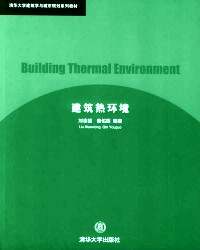
简介
本书系统地介绍了建筑热环境的基础知识及其在设计上的应用,反映了
近年来清华大学建筑学教学改革的成果。作者基于人、技术、设计和未来四
方面进行分析和阐述,并结合了建筑学学生的特点,基础部分着重说明物理
概念,简化了繁杂的数学推导,目的是使学生更好地掌握营造舒适、健康、
高效的建筑热环境的理念和相关知识。
本书适合高等院校建筑学、城市规划、建筑环境与设备等相关专业作为
教材和教学辅导书之用,也适合土木建筑类专业技术人员作为参考资料用。
目录
序(秦佑国).
结论 建筑热环境设计的目标:舒适、健康、高效
aim at comfort and health and efficiency of indoor environment
第1部分 人·建筑·气候——基于人的考虑
part i human·building·climatem-thinking of people
1 人与建筑/human and building
1.1 人的热舒适/thermal comfort
1.1.1 生存/survival
1.1.2 热舒适/thermal comfort
1.2 影响人体热舒适性的因素/thermal comfort factors
1.2.1 环境物理状况/environmental conditions
1.2.2 个体差异/individual difference
1.3 室内热舒适的量化表示及评价/quantification and evaluation of indoor thermal comfort
1.3.1 量化参数及测量/parameter and measurement
1.3.2 热平衡方程/thermal balance equation
1.3.3 热舒适指数/thermal cornfort indices
1.3.4 生物气候图/bioclimatie chart
1.4 室内热环境设计指标/index of indoor environment design
2 气候与建筑/climate oriented building design
2.1 气候与微气候/climate and micro-climate
.2.1.1 气候分区/climate zones
2.1.2 我国气候特征与区划/climatic character and patterns of china
2.1.3 大气温室效应/atmospheric greenhouse effect
2.1.4 微气候/microclimate
2.2 结合气候设计的要素/elements of climate
2.2.1 太阳辐射/solar radiation
2.2.2 空气温度/air temperature
2.2.3 气压与风/air pressure and wind
2.2.4 空气湿度/atmospheric humidity
2.2.5 凝结和降水/precipitation
2.3 结合气候的设计策略/climate oriented design strategies
2.3.1 区域性气候建筑设计策略/meso climate oriented design strategies。
2.3.2 微气候建筑设计策略/microclimate oriented design strategies
2.3.3 传统方法与现代策略/traditional and modern technology
第2部分 材料·构造·围护结构——基于技术的考虑
part ii mater iai·structure·envelopemthinking of technology
3 传热学的基本概念和原理/principles of heat transfer
3.1 辐射与辐射换热/radiation
3.1.1 辐射的反射、吸收和透过/reflection and absorption and transmission of radiation
3.1.2 辐射换热/radiation and heat transfer
3.2 对流与对流换热/convection
3.2.1 自然对流和受迫对流free convection and forced convection
3.2.2 表面对流换热/convection and heat transfer
3.3 导热与导热换热/conduction and heat transfer
3.3.1 导热/conduction
3.3.2 导热换热/conduction and heat transfer
4 建筑材料和构造的热工特性/manipulating building materials
4.1 导热系数和热阻/thermal conductivity and resistivity
4.2 蓄热系数和热惰性指标/thermal storage and inertia index
4.3 绝热建筑材料与构造/insulation materials
4.3.1 轻质成型材料及成品板材/bulk insulation materials
4.3.2 空气间层构造及空心砌体/air space insulation materials
4.3.3 反射绝热材料与构造/reflective insulation materials and construction
5 建筑围护结构热工设计原理/design principles of building envelope
5.1 保温设计原理/design principles of winter insulation
5.1.1 围护结构传热过程和传热量/heat transfer process and heat flow
5.1.2 围护结构的传热系数和传热阻/heat transfer coefficient and resistivity
5.1.3 围护结构内表面及内部温度/surface temperature and inner temperature
5.2 隔热设计原理/design principles of summer insulation
5.2.1 围护结构隔热过程和室外综合温度/sol—air temperature
5.2.2 围护结构的衰减倍数和延迟时间/thermal amplitude decrement and time lag
5.2.3 围护结构内表面最高温度/maximum interior surface temperature
5.3 防潮设计原理/design principle of dampproof
5.3.1 围护结构的热湿现象/vapor penetration and condensation
5.3.2 围护结构内表面结露及防止/control of internal condensation
5.3.3 围护结构内部蒸汽渗透/vapor penetration
5.3.4 围护结构内部冷凝的判别/condensation inside walls
5.4 通风设计原理/design principle of ventilation
5.4.1 建筑通风的功能/functions of ventilation
5.4.2 建筑自然通风的物理机理/mechanisms of ventilation
5.4.3 建筑通风设计/design for building ventilation
5.4.4 建筑防风/windbreak
第3部分 建筑·形式·细部——基于设计的考虑
part iii building·shape·detail--thinking of design
6 建筑设计措施/manipulating building design for energy efficiency
6.1 防寒设计综合措施/integrated design methods for energy efficiency in winter ..
6.1.1 建筑失热与得热——体形与朝向/orientation and shape of building
6.1.2 建筑保温——热阻/insulation and thermal resistance
6.1.3 建筑气密性——冷风渗透/aiwlock
6.1.4 保温层设置和热桥/layout of insulation materials and thermal bridge
6.2 防热设计综合措施/integrated design methods for energy efficiency in summer
6.2.1 建筑得热——体形与朝向/orientation and shape of building
6.2.2 建筑隔热——围护结构热惰性/insulation and mass
6.2.3 建筑散热——自然降温/natural cooling
6.2.4 隔热层设置/layout of insulation materials
7 围护结构节能设计/manipulating envelope and fenestration
7.1 墙体/walls
7.1.1 保温外墙体/insulated wall
7.1.2 玻璃幕墙/glazing wall
7.1.3 特隆布墙/trombe wall
7.1.4 透明绝热墙/transparent insulated wall
7.1.5 双层玻璃幕墙/double glazing wau
7.1.6 绿化墙体/plant wall
7.2 门窗/doors and windows
7.2.1 保温门窗/insulated doors and windows
7.2.2 窗用玻璃/glazing
7.2.3 窗用薄膜/membrane
7.2.4 绝热窗框/insulation frame
7.2.5 玻璃百叶调光窗户/shutter
7.2.6 节能窗帘/curtains
7.3 屋顶/roofs
7.3.1 保温屋顶/insulated roofs
7.3.2 种植屋面/roof plants
7.3.3 蓄水屋面/roof ponds
7.3.4 通风屋顶和架空屋顶/shaded rooi terraces
7.4 楼地面/floors
7.4.1 地面保温/insulated floors
7.4.2 低温辐射采暖地板/radiation heating floor
7.5 阳光间/sun space
7.6 中庭空间/atrium
第4部分 舒适·健康·高效——基于未来的考虑
part iv comfort·health·efficiency--thinking of future
8 太阳与建筑/sun and building
8.1 太阳运行规律/sun path and sun control
8.1.1 太阳位置计算方法/calculation of sun path
8.1.2 日照图表及其应用/sun path diagram
8.2 建筑日照/sun shining
8.2.1 日照间距的计算/space between buildings for sun shining
8.2.2 日照间距与建筑布局/building arrangement and sun shining
8.3 建筑遮阳/solar shading devices
8.3.1 建筑遮阳方式/solar shading devices types
8.3.2 遮阳构件计算/calculating of solar shading devices
8.3.3 遮阳与隔热、采光和通风/insulation and daylighting and ventilation for solar shading devices
8.3.4 现代遮阳构件/advanced solar shading devices
8.4 太阳能利用/solar energy utilization
8.4.1 太阳能转换技术/solar energy collection technology
8.4.2 太阳能建筑/solar building
8.5 建筑物自然冷却/passive cooling
8.5.1 外逸长波辐射降~l/cooling by outgoing longwave radiation
8.5.2 自然通风和夜间通风降温/cooling by natural ventilation and night flush
8.5.3 蒸发冷却/cooling by evaporarion
8.5.4 土壤供冷/cooling by earth
8.6 建筑的自然通风/natural ventilation
8.6.1 自然通风与空气质量/natural ventilation and iaq
8.6.2 自然通风的形式/types of natural ventilation
8.6.3 建筑自然通风间层/air circulation space
9 建筑与能源/building and energy
9.1 建筑能耗/building energy consumption建筑热环境
9.1.1 我国建筑能耗状况/building energy consumption in china
9.1.2 国内外建筑能耗比较/building energy consumption comparison among countries
9.1.3 建筑节能的必要/energy conservation situation
9.2 建筑节能标准和立法/design standards and laws for energy efficiency in building
9.2.1 建筑节能政策与管理/policy and management
9.2.2 居住建筑节能设计标准/design standards for energy efficiency in residential buildings
9.3 节能建筑/energy conservation building
9.3.1 优化能源利用/optimizing energy utilization
9.3.2 被动式低能耗建筑/passive low energy architecture
10 可持续发展的建筑观/sustainable building view一
10.1 建筑与自然关系简史/a brief history of building and nature
10.2 不可持续的建筑/unsustainable building
10.3 可持续的建筑/sustainable building
10.3.1 生态建筑与城市/ecological architecture and city
10.3.2 绿色建筑/green architecture
10.3.3 生态住区与住宅/ecological community and house
10.3.4 绿色建筑技术评估体系/green building rating system
10.4 舒适+健康+高效/comfort+health+efficiency
10.4.1 舒适≠健康/comfort≠health
10.4.2 营造健康的室内热环境/healthy indoor environment
参考文献/references ...
结论 建筑热环境设计的目标:舒适、健康、高效
aim at comfort and health and efficiency of indoor environment
第1部分 人·建筑·气候——基于人的考虑
part i human·building·climatem-thinking of people
1 人与建筑/human and building
1.1 人的热舒适/thermal comfort
1.1.1 生存/survival
1.1.2 热舒适/thermal comfort
1.2 影响人体热舒适性的因素/thermal comfort factors
1.2.1 环境物理状况/environmental conditions
1.2.2 个体差异/individual difference
1.3 室内热舒适的量化表示及评价/quantification and evaluation of indoor thermal comfort
1.3.1 量化参数及测量/parameter and measurement
1.3.2 热平衡方程/thermal balance equation
1.3.3 热舒适指数/thermal cornfort indices
1.3.4 生物气候图/bioclimatie chart
1.4 室内热环境设计指标/index of indoor environment design
2 气候与建筑/climate oriented building design
2.1 气候与微气候/climate and micro-climate
.2.1.1 气候分区/climate zones
2.1.2 我国气候特征与区划/climatic character and patterns of china
2.1.3 大气温室效应/atmospheric greenhouse effect
2.1.4 微气候/microclimate
2.2 结合气候设计的要素/elements of climate
2.2.1 太阳辐射/solar radiation
2.2.2 空气温度/air temperature
2.2.3 气压与风/air pressure and wind
2.2.4 空气湿度/atmospheric humidity
2.2.5 凝结和降水/precipitation
2.3 结合气候的设计策略/climate oriented design strategies
2.3.1 区域性气候建筑设计策略/meso climate oriented design strategies。
2.3.2 微气候建筑设计策略/microclimate oriented design strategies
2.3.3 传统方法与现代策略/traditional and modern technology
第2部分 材料·构造·围护结构——基于技术的考虑
part ii mater iai·structure·envelopemthinking of technology
3 传热学的基本概念和原理/principles of heat transfer
3.1 辐射与辐射换热/radiation
3.1.1 辐射的反射、吸收和透过/reflection and absorption and transmission of radiation
3.1.2 辐射换热/radiation and heat transfer
3.2 对流与对流换热/convection
3.2.1 自然对流和受迫对流free convection and forced convection
3.2.2 表面对流换热/convection and heat transfer
3.3 导热与导热换热/conduction and heat transfer
3.3.1 导热/conduction
3.3.2 导热换热/conduction and heat transfer
4 建筑材料和构造的热工特性/manipulating building materials
4.1 导热系数和热阻/thermal conductivity and resistivity
4.2 蓄热系数和热惰性指标/thermal storage and inertia index
4.3 绝热建筑材料与构造/insulation materials
4.3.1 轻质成型材料及成品板材/bulk insulation materials
4.3.2 空气间层构造及空心砌体/air space insulation materials
4.3.3 反射绝热材料与构造/reflective insulation materials and construction
5 建筑围护结构热工设计原理/design principles of building envelope
5.1 保温设计原理/design principles of winter insulation
5.1.1 围护结构传热过程和传热量/heat transfer process and heat flow
5.1.2 围护结构的传热系数和传热阻/heat transfer coefficient and resistivity
5.1.3 围护结构内表面及内部温度/surface temperature and inner temperature
5.2 隔热设计原理/design principles of summer insulation
5.2.1 围护结构隔热过程和室外综合温度/sol—air temperature
5.2.2 围护结构的衰减倍数和延迟时间/thermal amplitude decrement and time lag
5.2.3 围护结构内表面最高温度/maximum interior surface temperature
5.3 防潮设计原理/design principle of dampproof
5.3.1 围护结构的热湿现象/vapor penetration and condensation
5.3.2 围护结构内表面结露及防止/control of internal condensation
5.3.3 围护结构内部蒸汽渗透/vapor penetration
5.3.4 围护结构内部冷凝的判别/condensation inside walls
5.4 通风设计原理/design principle of ventilation
5.4.1 建筑通风的功能/functions of ventilation
5.4.2 建筑自然通风的物理机理/mechanisms of ventilation
5.4.3 建筑通风设计/design for building ventilation
5.4.4 建筑防风/windbreak
第3部分 建筑·形式·细部——基于设计的考虑
part iii building·shape·detail--thinking of design
6 建筑设计措施/manipulating building design for energy efficiency
6.1 防寒设计综合措施/integrated design methods for energy efficiency in winter ..
6.1.1 建筑失热与得热——体形与朝向/orientation and shape of building
6.1.2 建筑保温——热阻/insulation and thermal resistance
6.1.3 建筑气密性——冷风渗透/aiwlock
6.1.4 保温层设置和热桥/layout of insulation materials and thermal bridge
6.2 防热设计综合措施/integrated design methods for energy efficiency in summer
6.2.1 建筑得热——体形与朝向/orientation and shape of building
6.2.2 建筑隔热——围护结构热惰性/insulation and mass
6.2.3 建筑散热——自然降温/natural cooling
6.2.4 隔热层设置/layout of insulation materials
7 围护结构节能设计/manipulating envelope and fenestration
7.1 墙体/walls
7.1.1 保温外墙体/insulated wall
7.1.2 玻璃幕墙/glazing wall
7.1.3 特隆布墙/trombe wall
7.1.4 透明绝热墙/transparent insulated wall
7.1.5 双层玻璃幕墙/double glazing wau
7.1.6 绿化墙体/plant wall
7.2 门窗/doors and windows
7.2.1 保温门窗/insulated doors and windows
7.2.2 窗用玻璃/glazing
7.2.3 窗用薄膜/membrane
7.2.4 绝热窗框/insulation frame
7.2.5 玻璃百叶调光窗户/shutter
7.2.6 节能窗帘/curtains
7.3 屋顶/roofs
7.3.1 保温屋顶/insulated roofs
7.3.2 种植屋面/roof plants
7.3.3 蓄水屋面/roof ponds
7.3.4 通风屋顶和架空屋顶/shaded rooi terraces
7.4 楼地面/floors
7.4.1 地面保温/insulated floors
7.4.2 低温辐射采暖地板/radiation heating floor
7.5 阳光间/sun space
7.6 中庭空间/atrium
第4部分 舒适·健康·高效——基于未来的考虑
part iv comfort·health·efficiency--thinking of future
8 太阳与建筑/sun and building
8.1 太阳运行规律/sun path and sun control
8.1.1 太阳位置计算方法/calculation of sun path
8.1.2 日照图表及其应用/sun path diagram
8.2 建筑日照/sun shining
8.2.1 日照间距的计算/space between buildings for sun shining
8.2.2 日照间距与建筑布局/building arrangement and sun shining
8.3 建筑遮阳/solar shading devices
8.3.1 建筑遮阳方式/solar shading devices types
8.3.2 遮阳构件计算/calculating of solar shading devices
8.3.3 遮阳与隔热、采光和通风/insulation and daylighting and ventilation for solar shading devices
8.3.4 现代遮阳构件/advanced solar shading devices
8.4 太阳能利用/solar energy utilization
8.4.1 太阳能转换技术/solar energy collection technology
8.4.2 太阳能建筑/solar building
8.5 建筑物自然冷却/passive cooling
8.5.1 外逸长波辐射降~l/cooling by outgoing longwave radiation
8.5.2 自然通风和夜间通风降温/cooling by natural ventilation and night flush
8.5.3 蒸发冷却/cooling by evaporarion
8.5.4 土壤供冷/cooling by earth
8.6 建筑的自然通风/natural ventilation
8.6.1 自然通风与空气质量/natural ventilation and iaq
8.6.2 自然通风的形式/types of natural ventilation
8.6.3 建筑自然通风间层/air circulation space
9 建筑与能源/building and energy
9.1 建筑能耗/building energy consumption建筑热环境
9.1.1 我国建筑能耗状况/building energy consumption in china
9.1.2 国内外建筑能耗比较/building energy consumption comparison among countries
9.1.3 建筑节能的必要/energy conservation situation
9.2 建筑节能标准和立法/design standards and laws for energy efficiency in building
9.2.1 建筑节能政策与管理/policy and management
9.2.2 居住建筑节能设计标准/design standards for energy efficiency in residential buildings
9.3 节能建筑/energy conservation building
9.3.1 优化能源利用/optimizing energy utilization
9.3.2 被动式低能耗建筑/passive low energy architecture
10 可持续发展的建筑观/sustainable building view一
10.1 建筑与自然关系简史/a brief history of building and nature
10.2 不可持续的建筑/unsustainable building
10.3 可持续的建筑/sustainable building
10.3.1 生态建筑与城市/ecological architecture and city
10.3.2 绿色建筑/green architecture
10.3.3 生态住区与住宅/ecological community and house
10.3.4 绿色建筑技术评估体系/green building rating system
10.4 舒适+健康+高效/comfort+health+efficiency
10.4.1 舒适≠健康/comfort≠health
10.4.2 营造健康的室内热环境/healthy indoor environment
参考文献/references ...
Building Thermal Environment
- 名称
- 类型
- 大小
光盘服务联系方式: 020-38250260 客服QQ:4006604884
云图客服:
用户发送的提问,这种方式就需要有位在线客服来回答用户的问题,这种 就属于对话式的,问题是这种提问是否需要用户登录才能提问
Video Player
×
Audio Player
×
pdf Player
×
