

简介
Summary:
Publisher Summary 1
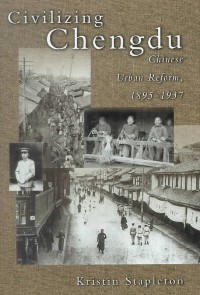
This work examines the history of urban planning and administration during modern China's first age of city-centered politics, focusing on the New Policies of the late Qing and the city administration movement of the 1920s. Between 1895 and 1937, the management of cities emerged as one of the chief challenges for the Chinese state. Through a detailed case study, based on newly available archival sources, of the process of urban reform in Chengdu, a key provincial capital in the interior, Kristin Stapleton shows how urban reformers permanently changed urban administration, the urban landscape, and urban life by promoting a new type of orderly and productive community in population centers despite the many upheavals of the late Qing and Republican eras.
目录
Table Of Contents:
Maps and Figures xi
Introduction 1(10)
Late Imperial Chengdu, Provincial City 11(35)
Chengdu as a Premodern Chinese City 13(10)
Particularities of Chengdu's History and Geography 23(5)
Chengdu as a Provincial City 28(6)
Governing Chengdu in the Late Qing 34(12)
Nation Building and the City, 1895-1911 46(31)
The Background of the New Policies: Imperialism and Internal Unrest 49(6)
The Place of Cities in the Theory of the Late Qing Reforms 55(8)
The Place of Provincial Cities in the Implementation of the New Policies 63(4)
Zhou Shanpei: Chengdu's Confucian Technocrat 67(10)
The Key to Urban Reform: The New Police 77(34)
The Chengdu Force: Officers and Constable 80(15)
Police Commissioners and Street Headmen 95(4)
Policing the Streets 99(8)
Local Reaction to the Force 107(4)
The Winds of Progress: The Late Qing Urban Reform Agenda 111(39)
Chengdu's Reform Community 113(4)
Chengdu's Receptivity to Change 117(8)
The Police Program: Beggars, Prostitutes, and Public Health 125(14)
State-Supervised Self-regulation: New Urban Bureaucracies and Associations 139(5)
The Urban Landscape 144(6)
Self-government and Revolution 150(31)
Constitutionalism in Chengdu: Legal Reform 152(7)
Constitutionalism in Chengdu: Provincial Assembly and City Council 159(5)
The Political Crisis of 1910--11 164(6)
Chengdu on Strike and Besieged 170(6)
The End of Qing Rule in Chengdu 176(5)
After the Revolution: Soldiers, Sages, and Growned Brothers 181(36)
Chengdu in the Civil Wars: The Decay of Formal Administration 183(10)
Chengdu in the Civil Wars: Changes in City Form 193(4)
Networks of Gowned Brothers 197(6)
Social Order and Cultural Change During the Early Republic 203(4)
The Five Elders and Seven Sages and the Evolution of the Urban Reform Community 207(10)
The City Administration Movement of the 1920s 217(33)
Yang Sen's Chengdu Labors 220(9)
The Sources of Yang-Senism 229(8)
Yang Sen in the Eyes of Chengdu Elites 237(4)
Maintaining Public Order in the Face of Unpopular Urban Reform 241(1)
Resistance via Ridicule: Liu Shiliang's ``Reactionary'' Wit 242(4)
The Urban Administration Consensus in the Nationalist Era 246(4)
Legacy of the New Policies: Continuity and Change in Chengdu in Comparative Perspective 250(13)
The Dynamics of Change 251(2)
The Extent of Change 253(3)
Chengdu in Comparative Perspective 256(7)
Reference Matter
Notes 263(42)
Works Cited 305(22)
Character List 327(6)
Index 333
Maps and Figures xi
Introduction 1(10)
Late Imperial Chengdu, Provincial City 11(35)
Chengdu as a Premodern Chinese City 13(10)
Particularities of Chengdu's History and Geography 23(5)
Chengdu as a Provincial City 28(6)
Governing Chengdu in the Late Qing 34(12)
Nation Building and the City, 1895-1911 46(31)
The Background of the New Policies: Imperialism and Internal Unrest 49(6)
The Place of Cities in the Theory of the Late Qing Reforms 55(8)
The Place of Provincial Cities in the Implementation of the New Policies 63(4)
Zhou Shanpei: Chengdu's Confucian Technocrat 67(10)
The Key to Urban Reform: The New Police 77(34)
The Chengdu Force: Officers and Constable 80(15)
Police Commissioners and Street Headmen 95(4)
Policing the Streets 99(8)
Local Reaction to the Force 107(4)
The Winds of Progress: The Late Qing Urban Reform Agenda 111(39)
Chengdu's Reform Community 113(4)
Chengdu's Receptivity to Change 117(8)
The Police Program: Beggars, Prostitutes, and Public Health 125(14)
State-Supervised Self-regulation: New Urban Bureaucracies and Associations 139(5)
The Urban Landscape 144(6)
Self-government and Revolution 150(31)
Constitutionalism in Chengdu: Legal Reform 152(7)
Constitutionalism in Chengdu: Provincial Assembly and City Council 159(5)
The Political Crisis of 1910--11 164(6)
Chengdu on Strike and Besieged 170(6)
The End of Qing Rule in Chengdu 176(5)
After the Revolution: Soldiers, Sages, and Growned Brothers 181(36)
Chengdu in the Civil Wars: The Decay of Formal Administration 183(10)
Chengdu in the Civil Wars: Changes in City Form 193(4)
Networks of Gowned Brothers 197(6)
Social Order and Cultural Change During the Early Republic 203(4)
The Five Elders and Seven Sages and the Evolution of the Urban Reform Community 207(10)
The City Administration Movement of the 1920s 217(33)
Yang Sen's Chengdu Labors 220(9)
The Sources of Yang-Senism 229(8)
Yang Sen in the Eyes of Chengdu Elites 237(4)
Maintaining Public Order in the Face of Unpopular Urban Reform 241(1)
Resistance via Ridicule: Liu Shiliang's ``Reactionary'' Wit 242(4)
The Urban Administration Consensus in the Nationalist Era 246(4)
Legacy of the New Policies: Continuity and Change in Chengdu in Comparative Perspective 250(13)
The Dynamics of Change 251(2)
The Extent of Change 253(3)
Chengdu in Comparative Perspective 256(7)
Reference Matter
Notes 263(42)
Works Cited 305(22)
Character List 327(6)
Index 333
- 名称
- 类型
- 大小
光盘服务联系方式: 020-38250260 客服QQ:4006604884
云图客服:
用户发送的提问,这种方式就需要有位在线客服来回答用户的问题,这种 就属于对话式的,问题是这种提问是否需要用户登录才能提问
Video Player
×
Audio Player
×
pdf Player
×
