

简介
Summary:
Publisher Summary 1
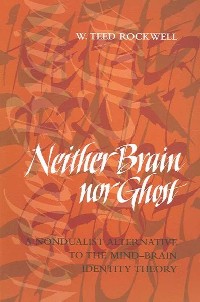
In this highly original work, Teed Rockwell rejects both dualism and the mind-brain identity theory. He proposes instead that mental phenomena emerge not merely from brain activity but from an interacting nexus of brain, body, and world. The mind can be seen not as an organ within the body, but as a "behavioral field" that fluctuates within this brain-body-world nexus. If we reject the dominant form of the mind-brain identity theory -- which Rockwell calls "Cartesian materialism" (distinct from Daniel Dennett's concept of the same name) -- and accept this new alternative, then many philosophical and scientific problems can be solved. Other philosophers have flirted with these ideas, including Dewey, Heidegger, Putnam, Millikan, and Dennett. But Rockwell goes further than these tentative speculations and offers a detailed alternative to the dominant philosophical view, applying pragmatist insights to contemporary scientific and philosophical problems.Rockwell shows that neuroscience no longer supports the mind-brain identity theory because the brain cannot be isolated from the rest of the nervous system; moreover, there is evidence that the mind is hormonal as well as neural. These data, and Rockwell's reanalysis of the concept of causality, show why the borders of mental embodiment cannot be neatly drawn at the skull, or even at the skin. Rockwell then demonstrates how his proposed view of the mind can resolve paradoxes engendered by the mind-brain identity theory in such fields as neuroscience, artificial intelligence, epistemology, and philosophy of language. Finally, he argues that understanding the mind as a "behavioral field" supports the new cognitive science paradigm of dynamic systems theory (DST).
Publisher Summary 2
A rejection of both dualism and the mind-brain identity theory, arguing that the mind is best understood as a "behavioral field" that fluctuates within the brain/body/world nexus.
目录
Acknowledgments p. ix
Introduction p. xi
1 Minds, Brains, and Behavior p. 1
Functionalism p. 3
Eliminative Materialism p. 4
Some Cartesian Materialist Presuppositions p. 9
Ryle's Dispositional Psychology p. 11
A Rylean Alternative to Functionalist Cartesian Materialism p. 12
2 Beyond the Cranium p. 21
3 Beyond the Neuronal Mind p. 37
The James-Cannon Debate p. 37
New Data on the Relationship between the Body and Emotions/Sensations p. 39
Is Causation Different from Embodiment? p. 44
4 Causation and Embodiment p. 51
Mill's Criticism of Atomistic Causality p. 51
The Lure of Atomistic Causality p. 55
Mill's Criticism (and the Modern Defense) of Intrinsic Causal Powers p. 59
5 The Myth of the Autonomous Mind-Brain p. 65
Supervenience, Causation, and Embodiment p. 69
6 Experience, Sense Data, and Language: Putting Experience Back into the Environment p. 83
Language and Thought as Biological and Functional Categories p. 90
Subjective Experience and the Environment p. 97
Minds, Worlds, and Reality p. 101
7 The Return of the Zombies p. 111
Why Physiological Zombies Have Scientific Significance p. 113
Functional and Behavioral Zombies p. 115
The Roots of the Problem p. 117
Zombies, Experience, and Skepticism p. 118
8 The "Frame Problem" and the "Background" p. 135
Searle versus Dewey p. 141
Searle's Intrinsicality Argument p. 141
Searle's Darwinian Argument p. 146
Dennett's Darwinian Argument: Genes versus Memes p. 149
Dreyfus, Clark, and Conscious Experience p. 154
9 Dreams, Illusions, and Errors p. 161
Cartesian Materialism and the Empiricists p. 162
The Pragmatist Alternative p. 164
Bridge Laws versus New Wave Reductionism p. 167
The Pragmatic Answer to Eliminative Skepticism p. 169
Connectionist Support for Pragmatism p. 174
10 Dewey and the Dynamic Alternative p. 177
The Traditional View of Neural Nets p. 183
A Brief Introduction to DST p. 192
Thelen and Smith on Infant Locomotor Development p. 196
Freeman and the Attractor Landscape of the Olfactory Brain p. 199
How Animals Move p. 201
Dynamic Systems as Behavioral Fields p. 204
Notes p. 209
References p. 219
Index p. 227
Introduction p. xi
1 Minds, Brains, and Behavior p. 1
Functionalism p. 3
Eliminative Materialism p. 4
Some Cartesian Materialist Presuppositions p. 9
Ryle's Dispositional Psychology p. 11
A Rylean Alternative to Functionalist Cartesian Materialism p. 12
2 Beyond the Cranium p. 21
3 Beyond the Neuronal Mind p. 37
The James-Cannon Debate p. 37
New Data on the Relationship between the Body and Emotions/Sensations p. 39
Is Causation Different from Embodiment? p. 44
4 Causation and Embodiment p. 51
Mill's Criticism of Atomistic Causality p. 51
The Lure of Atomistic Causality p. 55
Mill's Criticism (and the Modern Defense) of Intrinsic Causal Powers p. 59
5 The Myth of the Autonomous Mind-Brain p. 65
Supervenience, Causation, and Embodiment p. 69
6 Experience, Sense Data, and Language: Putting Experience Back into the Environment p. 83
Language and Thought as Biological and Functional Categories p. 90
Subjective Experience and the Environment p. 97
Minds, Worlds, and Reality p. 101
7 The Return of the Zombies p. 111
Why Physiological Zombies Have Scientific Significance p. 113
Functional and Behavioral Zombies p. 115
The Roots of the Problem p. 117
Zombies, Experience, and Skepticism p. 118
8 The "Frame Problem" and the "Background" p. 135
Searle versus Dewey p. 141
Searle's Intrinsicality Argument p. 141
Searle's Darwinian Argument p. 146
Dennett's Darwinian Argument: Genes versus Memes p. 149
Dreyfus, Clark, and Conscious Experience p. 154
9 Dreams, Illusions, and Errors p. 161
Cartesian Materialism and the Empiricists p. 162
The Pragmatist Alternative p. 164
Bridge Laws versus New Wave Reductionism p. 167
The Pragmatic Answer to Eliminative Skepticism p. 169
Connectionist Support for Pragmatism p. 174
10 Dewey and the Dynamic Alternative p. 177
The Traditional View of Neural Nets p. 183
A Brief Introduction to DST p. 192
Thelen and Smith on Infant Locomotor Development p. 196
Freeman and the Attractor Landscape of the Olfactory Brain p. 199
How Animals Move p. 201
Dynamic Systems as Behavioral Fields p. 204
Notes p. 209
References p. 219
Index p. 227
- 名称
- 类型
- 大小
光盘服务联系方式: 020-38250260 客服QQ:4006604884
云图客服:
用户发送的提问,这种方式就需要有位在线客服来回答用户的问题,这种 就属于对话式的,问题是这种提问是否需要用户登录才能提问
Video Player
×
Audio Player
×
pdf Player
×
