

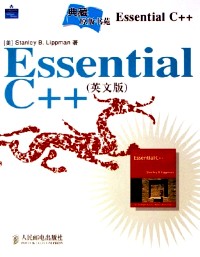
Essential C++ /
副标题:无
分类号:
ISBN:9787115152572
微信扫一扫,移动浏览光盘
简介
本书是众多C++初学者的入门经典。全书从4个方面来表现C++的本质:procedural(过程化的)、generic(泛型的)、object-based(基于对象的)、object-oriented(面向对象的)。本书的组织围绕着一系列由浅入深的程序问题,以及用以解决这些问题的语言特性。按照这种方式,读者不但会学到C++的函数和结构,还会学习到它们的设计目的和基本原理。
本书涉猎范围很广,内容涉及C++语言发展的主要几个方面,适合有一定基础的C++初学者。
目录
chapter 1: basic c++ programming 1
1.1: how to write a c++ program. 1
1.2: defining and initializing a data object 7
1.3: writing expressions 10
1.4: writing conditional and loop statements 15
1.5: how to use arrays and vectors 22
1.6 pointers allow for flexibility 26
1.7: writing and reading files 30
chapter 2: procedural programming 35
2.1: how to write a function 35
2.2: invoking a function 41
2.3: providing default parameter values 50
2.4: using local static objects 53
2.5: declaring a function inline 55
2.6: providing overloaded functions 56
2.7: defining and using template functions 58
2.8: pointers to functions add flexiblity 60
2.9: setting up a header file 63
chapter 3: generic programming 67
3.1: the arithmetic of pointers 68
.3.2: making sense of iterators 73
3.3: operations common to all containers 76
3.4: using the sequential containers 77
3.5: using the generic algorithms 81
3.6: how to design a generic algorithm 83
3.7: using a map 90
3.8: using a set 91
3.9: how to use iterator inserters 93
3.10: using the iostream iterators 95
chapter 4: object-based programming 99
4.1: how to implement a class 100
4.2: what are class constructors and the class destructor? 104
4.3: what are mutable and const? 109
4.4: what is the this pointer?.. 113
4.5: static class members 115
4.6: building an iterator class 118
4.7: collaboration sometimes requires friendship 123
4.8: implementing a copy assignment operator 125
4.9: implementing a function object 126
4.10: providing class instances of the iostream operators 128
4.11: pointers to class member functions 130
chapter 5: object-oriented programming 135
5.1: object-oriented programming concepts 135
5.2: a tour of object-oriented programming 138
5.3: polymorphism without inheritance 142
5.3: defining an abstract base class 145
5.4: defining a derived class 148
5.5: using an inheritance hierarchy 155
5.6: how abstract should a base class be? 157
5.7: initialization, destruction, and copy 158
5.8: defining a derived class virtual function 160
5.9: run-time type identification 164
chapter 6: programming with templates 167
6.1: parameterized types 169
6.2: the template class definition 171
6.3: handling template type parameters 172
6.4: implementing the template class 174
6.5: a function template output operator 180
6.6: constant expressions and default parameters 181
6.7: template parameters as strategy 185
6.8: member template functions 187
chapter 7: exception handling 191
7.1: throwing an exception 191
7.2: catching an exception 193
7.3: trying for an exception 194
7.4: local resource management 198
7.5: the standard exceptions 200
appendix a: exercise solutions 205
appendix b: generic algorithms handbook 255
index... 271
1.1: how to write a c++ program. 1
1.2: defining and initializing a data object 7
1.3: writing expressions 10
1.4: writing conditional and loop statements 15
1.5: how to use arrays and vectors 22
1.6 pointers allow for flexibility 26
1.7: writing and reading files 30
chapter 2: procedural programming 35
2.1: how to write a function 35
2.2: invoking a function 41
2.3: providing default parameter values 50
2.4: using local static objects 53
2.5: declaring a function inline 55
2.6: providing overloaded functions 56
2.7: defining and using template functions 58
2.8: pointers to functions add flexiblity 60
2.9: setting up a header file 63
chapter 3: generic programming 67
3.1: the arithmetic of pointers 68
.3.2: making sense of iterators 73
3.3: operations common to all containers 76
3.4: using the sequential containers 77
3.5: using the generic algorithms 81
3.6: how to design a generic algorithm 83
3.7: using a map 90
3.8: using a set 91
3.9: how to use iterator inserters 93
3.10: using the iostream iterators 95
chapter 4: object-based programming 99
4.1: how to implement a class 100
4.2: what are class constructors and the class destructor? 104
4.3: what are mutable and const? 109
4.4: what is the this pointer?.. 113
4.5: static class members 115
4.6: building an iterator class 118
4.7: collaboration sometimes requires friendship 123
4.8: implementing a copy assignment operator 125
4.9: implementing a function object 126
4.10: providing class instances of the iostream operators 128
4.11: pointers to class member functions 130
chapter 5: object-oriented programming 135
5.1: object-oriented programming concepts 135
5.2: a tour of object-oriented programming 138
5.3: polymorphism without inheritance 142
5.3: defining an abstract base class 145
5.4: defining a derived class 148
5.5: using an inheritance hierarchy 155
5.6: how abstract should a base class be? 157
5.7: initialization, destruction, and copy 158
5.8: defining a derived class virtual function 160
5.9: run-time type identification 164
chapter 6: programming with templates 167
6.1: parameterized types 169
6.2: the template class definition 171
6.3: handling template type parameters 172
6.4: implementing the template class 174
6.5: a function template output operator 180
6.6: constant expressions and default parameters 181
6.7: template parameters as strategy 185
6.8: member template functions 187
chapter 7: exception handling 191
7.1: throwing an exception 191
7.2: catching an exception 193
7.3: trying for an exception 194
7.4: local resource management 198
7.5: the standard exceptions 200
appendix a: exercise solutions 205
appendix b: generic algorithms handbook 255
index... 271
Essential C++ /
- 名称
- 类型
- 大小
光盘服务联系方式: 020-38250260 客服QQ:4006604884
云图客服:
用户发送的提问,这种方式就需要有位在线客服来回答用户的问题,这种 就属于对话式的,问题是这种提问是否需要用户登录才能提问
Video Player
×
Audio Player
×
pdf Player
×
