

简介
Summary:
Publisher Summary 1
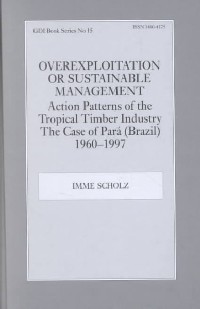
This book describes the expansion of the timber industry in the Brazilian federal state of Par脽 since the 1960s, when Amazon development became an important item on the government's agenda. Qualitative interviews with the largest exporters, statistical data and empirical studies of the 1960s, 1970s, and 1980s cast light on the economic and cultural logic of deforestation, the low productivity and limited capacity of industry, and innovations like sustainable forestry and more efficient processing techniques. Scholz is a researcher for the German Development Institute (DPI). Distributed by ISBS. Annotation c. Book News, Inc., Portland, OR (booknews.com)
目录
Abbreviations
Summary p. 1
Introduction: Statement of the Problem and Structure of the Study p. 1
Empirical and Theoretical Points of Departure p. 5
Preliminary Remarks on the Choice of the Field of Study p. 11
Structure of the Study p. 19
Determinants of Natural Resource Use: Theoretical Approaches from the Field of Economics and the State of Research p. 20
State of the Research: an Initial Overview p. 22
Sustainable Development p. 29
Environmental and Resource Economics p. 36
Ecological Economics p. 43
Economic Analyses of the Exploitation of Tropical Forests p. 60
Utilization of the Amazon Forest from the View of Ecological Economics: Edward Barbier p. 61
Natural-resource Extraction as an Economic Dead End: The Model of Alfredo Homma p. 63
Nutrient Mining on the Agrarian Frontier and Destruction of Tropical Forests: Studies by the World Bank and IMAZON p. 66
Tropical-timber Trade and Tropical-forest Protection: The Analysis Conducted by Edward Barbier's Working Group p. 76
Tropical-forest Exploitation and Protection from the View of Allocation Theory: Studies from the Kiel Institut fur Weltwirtschaft p. 80
Alternative Approaches to Economic Action from the Fields of Sociology and Evolutionary Economic Theory p. 83
Sociological Approaches to Economic Action p. 83
Rational Action and the Determinants of Social Action p. 84
Is Sociology "Blind to Nature"? Nature in Giddens' Theory of Structuration p. 96
Theories of Technical Change: Innovation, Evolutionary Processes, and Path Dependency p. 98
Systematic Overview and Basic Concepts p. 99
Economic Action as Action in Routines p. 106
The Process of Economic and Technical Change as an Evolutionary Process p. 111
Conclusions for the Methodological Approach Pursued by the Present Study p. 119
Conclusions p. 119
Stages and Sources Involved in the Empirical Study p. 130
Tropical Ecology and Sustainable Forestry p. 131
Features of Forest Ecosystems in the Tropics p. 134
Sustainable Forestry in the Tropics p. 143
Effects of Sustainable Tropical-forest Management on Company Management p. 157
Ecological Certification of Forest Management p. 160
The World Market for Tropical Timber p. 171
Quantitative Developments in the World Timber Market p. 172
Qualitative Developments in the World Timber Market p. 187
The Timber Industry in Para and in Brazil in the 1990s p. 194
The Economic Framework Conditions p. 197
The Timber Industry in Brazil and in Para p. 207
Roundwood Production p. 217
Sales p. 223
Environmental Regulation of Forest Utilization and Timber-processing p. 230
Innovation Pressure and Innovativeness p. 244
Preliminary Conclusions on the Dominant Action Patterns in the Timber Industry p. 265
Historical Reconstruction of the Development of Para's Timber Industry p. 266
The Economic Framework Conditions p. 269
Para's Timber Industry between the 1960s and 1980s p. 279
The 1960s p. 279
The 1970s and 1980s p. 284
The Development of Para's Timber Industry between 1959 and 1985, as Mirrored by Statistics p. 294
Roundwood Production p. 307
The 1950s and 1960s p. 307
The 1970s and 1980s p. 309
The Development of Roundwood Production between 1975 and 1991, as Mirrored by Statistics p. 312
Sales p. 317
The 1960s p. 317
The 1970s and 1980s p. 322
The Model for the Development of the Timber Sector p. 326
The 1960s p. 327
The 1970s p. 331
The 1980s p. 339
Conclusions p. 340
Patterns of Resource Utilization and Foreign Trade: Results of the Study and Conclusions p. 352
Results of the Study p. 352
The Results Seen in their Theoretical Context p. 357
Action Options p. 366
Conclusions for Development Cooperation p. 373
Development Cooperation and Sustainable Development in Para p. 373
Promotion of a Sustainable Development of the Tropical-timber Industry p. 381
Notes p. 384
Bibliography p. 407
Appendix p. 433
Figures in the Text
Annual Growth of Deforested Areas, 1978-96 p. 16
Extension of Deforested Areas in the Amazon Federal States, 1975-96 p. 17
The Finite Global Ecosystem of the Earth p. 54
Model of the Structuration of Social Action, after Giddens p. 89
Boxes in the Text
Rubber Boom p. 42
Smallholder Agriculture and Ecology in the Amazon Region p. 135
Gross and Net Primary Production of Plants p. 140
Tables in the Text
Economic Paradigms of the Relation between Nature and Society in Development p. 34
Basic Data of Firms Interviewed in Para and Amazonas p. 126
Biomass Production and Losses in Forests p. 139
Summary p. 1
Introduction: Statement of the Problem and Structure of the Study p. 1
Empirical and Theoretical Points of Departure p. 5
Preliminary Remarks on the Choice of the Field of Study p. 11
Structure of the Study p. 19
Determinants of Natural Resource Use: Theoretical Approaches from the Field of Economics and the State of Research p. 20
State of the Research: an Initial Overview p. 22
Sustainable Development p. 29
Environmental and Resource Economics p. 36
Ecological Economics p. 43
Economic Analyses of the Exploitation of Tropical Forests p. 60
Utilization of the Amazon Forest from the View of Ecological Economics: Edward Barbier p. 61
Natural-resource Extraction as an Economic Dead End: The Model of Alfredo Homma p. 63
Nutrient Mining on the Agrarian Frontier and Destruction of Tropical Forests: Studies by the World Bank and IMAZON p. 66
Tropical-timber Trade and Tropical-forest Protection: The Analysis Conducted by Edward Barbier's Working Group p. 76
Tropical-forest Exploitation and Protection from the View of Allocation Theory: Studies from the Kiel Institut fur Weltwirtschaft p. 80
Alternative Approaches to Economic Action from the Fields of Sociology and Evolutionary Economic Theory p. 83
Sociological Approaches to Economic Action p. 83
Rational Action and the Determinants of Social Action p. 84
Is Sociology "Blind to Nature"? Nature in Giddens' Theory of Structuration p. 96
Theories of Technical Change: Innovation, Evolutionary Processes, and Path Dependency p. 98
Systematic Overview and Basic Concepts p. 99
Economic Action as Action in Routines p. 106
The Process of Economic and Technical Change as an Evolutionary Process p. 111
Conclusions for the Methodological Approach Pursued by the Present Study p. 119
Conclusions p. 119
Stages and Sources Involved in the Empirical Study p. 130
Tropical Ecology and Sustainable Forestry p. 131
Features of Forest Ecosystems in the Tropics p. 134
Sustainable Forestry in the Tropics p. 143
Effects of Sustainable Tropical-forest Management on Company Management p. 157
Ecological Certification of Forest Management p. 160
The World Market for Tropical Timber p. 171
Quantitative Developments in the World Timber Market p. 172
Qualitative Developments in the World Timber Market p. 187
The Timber Industry in Para and in Brazil in the 1990s p. 194
The Economic Framework Conditions p. 197
The Timber Industry in Brazil and in Para p. 207
Roundwood Production p. 217
Sales p. 223
Environmental Regulation of Forest Utilization and Timber-processing p. 230
Innovation Pressure and Innovativeness p. 244
Preliminary Conclusions on the Dominant Action Patterns in the Timber Industry p. 265
Historical Reconstruction of the Development of Para's Timber Industry p. 266
The Economic Framework Conditions p. 269
Para's Timber Industry between the 1960s and 1980s p. 279
The 1960s p. 279
The 1970s and 1980s p. 284
The Development of Para's Timber Industry between 1959 and 1985, as Mirrored by Statistics p. 294
Roundwood Production p. 307
The 1950s and 1960s p. 307
The 1970s and 1980s p. 309
The Development of Roundwood Production between 1975 and 1991, as Mirrored by Statistics p. 312
Sales p. 317
The 1960s p. 317
The 1970s and 1980s p. 322
The Model for the Development of the Timber Sector p. 326
The 1960s p. 327
The 1970s p. 331
The 1980s p. 339
Conclusions p. 340
Patterns of Resource Utilization and Foreign Trade: Results of the Study and Conclusions p. 352
Results of the Study p. 352
The Results Seen in their Theoretical Context p. 357
Action Options p. 366
Conclusions for Development Cooperation p. 373
Development Cooperation and Sustainable Development in Para p. 373
Promotion of a Sustainable Development of the Tropical-timber Industry p. 381
Notes p. 384
Bibliography p. 407
Appendix p. 433
Figures in the Text
Annual Growth of Deforested Areas, 1978-96 p. 16
Extension of Deforested Areas in the Amazon Federal States, 1975-96 p. 17
The Finite Global Ecosystem of the Earth p. 54
Model of the Structuration of Social Action, after Giddens p. 89
Boxes in the Text
Rubber Boom p. 42
Smallholder Agriculture and Ecology in the Amazon Region p. 135
Gross and Net Primary Production of Plants p. 140
Tables in the Text
Economic Paradigms of the Relation between Nature and Society in Development p. 34
Basic Data of Firms Interviewed in Para and Amazonas p. 126
Biomass Production and Losses in Forests p. 139
- 名称
- 类型
- 大小
光盘服务联系方式: 020-38250260 客服QQ:4006604884
云图客服:
用户发送的提问,这种方式就需要有位在线客服来回答用户的问题,这种 就属于对话式的,问题是这种提问是否需要用户登录才能提问
Video Player
×
Audio Player
×
pdf Player
×
