

简介
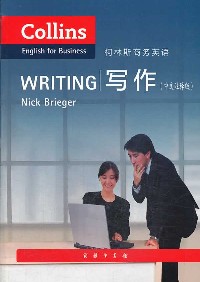
尼克·布里格《写作(中文注释版)》有助于你以更有效率的方式撰写出各种更有效的商业文档。你可以将此书作为:
·一套自学课程,
·一套商务沟通或商务英语课程的辅助材料。
本书有助于你开发自己在商务写作方面的知识和技能。本书主要分为两个部分:
1有效文档的要素
2有效写作的步骤
第一部分开始先提供了一个框架,介绍有效文档(包括电子邮件、报告和会议记录)的核心要素。
第二部分通过教授你如何更清楚、筒单和快速地写作而帮助你变得更有效率。
目录
Introduction
导言
Section 1一Who are my readers?
我的读者是谁
Unit 1 Choosing the correct amount of information
选择适当的信息量
Unit 2 Choosing the right technical level
选择适当的技术水平
Unit 3 Planning the document
计划文档
Section 2一What structure and organization for mv document?
文档采用何种结构和组织形式
Unit 4 Layout for an email or leffer
电子邮件或信件的布局
Unit 5 Linking 1:Conneding sentences
连接1联接句子
Unit 6 Linking 2:Sentence stradure
连接2句子结构
Section 3一What tone for my readers?
为读者设定何种语调
Unit 7 Recognising and using tone
确定并使用语调
Unit 8 Va—ng tone with words and expressions
使用词汇和表达改变语调
Unit 9 Varying tone using sentence structure and sentence length
使用句子结构和句子长度改变语调
Section 4一What language for my document?
文档采用何种语言
Unit 10 Starting off:Greeting,introduction and reference
开头部分问候、介绍和提及主题
Unit 11 The main port:Signalling intentions
主体部分:阐明意图
Unit 12 Finishing off:Next steps.pre-closing and fa rewell
结尾部分:后续步骤、结束语和致敬
Section 5一How do l write efficiently?
如何才能有效地写作
Unit 13 Writing clearly and simply
写得简单明了
Unit 14 Writing transparently
写得清晰
Unit 15 Writing quickly
写得快速
Unit 16 Editing for accuracy:Checking and correding language
进行编辑以求准确检查并修改语句
Section 6一How do l put it all together?
如何将所有东西组织在一起
Unit 17 Best practice 1:Emails
最佳实践1 电子邮件
Unit 18 Best practice 2:Business repods
最佳实践2:商业报告
Unit 19 Best practice 3:Minutes
最佳实践3会议记录
Unit 20 Best praclice 4 Business writing
最佳实践4.商务写作
Appendix 1 Key phrases for business Ieflers and emails
商务信件和电子邮件的关键短语
Appendix 2 Linking words and phrases
连接用的单词和短语
Appendix 3 Repoding verbs
报告用的动词
Appendix 4 Sample documents
文档范例
Glossary
术语表
Answer key
答案
导言
Section 1一Who are my readers?
我的读者是谁
Unit 1 Choosing the correct amount of information
选择适当的信息量
Unit 2 Choosing the right technical level
选择适当的技术水平
Unit 3 Planning the document
计划文档
Section 2一What structure and organization for mv document?
文档采用何种结构和组织形式
Unit 4 Layout for an email or leffer
电子邮件或信件的布局
Unit 5 Linking 1:Conneding sentences
连接1联接句子
Unit 6 Linking 2:Sentence stradure
连接2句子结构
Section 3一What tone for my readers?
为读者设定何种语调
Unit 7 Recognising and using tone
确定并使用语调
Unit 8 Va—ng tone with words and expressions
使用词汇和表达改变语调
Unit 9 Varying tone using sentence structure and sentence length
使用句子结构和句子长度改变语调
Section 4一What language for my document?
文档采用何种语言
Unit 10 Starting off:Greeting,introduction and reference
开头部分问候、介绍和提及主题
Unit 11 The main port:Signalling intentions
主体部分:阐明意图
Unit 12 Finishing off:Next steps.pre-closing and fa rewell
结尾部分:后续步骤、结束语和致敬
Section 5一How do l write efficiently?
如何才能有效地写作
Unit 13 Writing clearly and simply
写得简单明了
Unit 14 Writing transparently
写得清晰
Unit 15 Writing quickly
写得快速
Unit 16 Editing for accuracy:Checking and correding language
进行编辑以求准确检查并修改语句
Section 6一How do l put it all together?
如何将所有东西组织在一起
Unit 17 Best practice 1:Emails
最佳实践1 电子邮件
Unit 18 Best practice 2:Business repods
最佳实践2:商业报告
Unit 19 Best practice 3:Minutes
最佳实践3会议记录
Unit 20 Best praclice 4 Business writing
最佳实践4.商务写作
Appendix 1 Key phrases for business Ieflers and emails
商务信件和电子邮件的关键短语
Appendix 2 Linking words and phrases
连接用的单词和短语
Appendix 3 Repoding verbs
报告用的动词
Appendix 4 Sample documents
文档范例
Glossary
术语表
Answer key
答案
Collins English for business,Writing
- 名称
- 类型
- 大小
光盘服务联系方式: 020-38250260 客服QQ:4006604884
云图客服:
用户发送的提问,这种方式就需要有位在线客服来回答用户的问题,这种 就属于对话式的,问题是这种提问是否需要用户登录才能提问
Video Player
×
Audio Player
×
pdf Player
×
