

简介
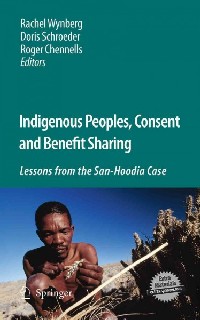
Indigenous Peoples, Consent and Benefit Sharing is the first in-depth account of the Hoodia bioprospecting case and use of San traditional knowledge, placing it in the global context of indigenous peoples鈥?rights, consent and benefit-sharing. It is unique as the first interdisciplinary analysis of consent and benefit sharing in which philosophers apply their minds to questions of justice in the Convention on Biological Diversity (CBD), lawyers interrogate the use of intellectual property rights to protect traditional knowledge, environmental scientists analyse implications for national policies, anthropologists grapple with the commodification of knowledge and, uniquely, case experts from Asia, Australia and North America bring their collective expertise and experiences to bear on the San-Hoodia case. While much of the focus is on bioprospecting and natural product development, Indigenous Peoples, Consent and Benefit-Sharing also draws important lessons about informed consent and benefit-sharing from the health sciences and sectors such as mining. Policymakers around the world are under significant pressure to resolve the challenges of implementing the CBD. This book鈥檚 analysis and recommendations will help them. 鈥業t is good to see philosophers engaging with the UN Convention on Biological Diversity, and doing so by looking in depth at a real situation in which it has been invoked.鈥?Peter Singer, Ira W. DeCamp Professor of Bioethics in the University Center for Human Values, Princeton University 鈥楾his book arrives at a critical juncture in the history of genetic resource use and policymaking - not only in southern Africa, but across that continent and, indeed, around the world. ABS Regime negotiators would do well to study closely the pages of this insightful and provocative volume.鈥?Timothy J. Hodges, Co-Chair UN CBD Working Group on Access and Benefit Sharing of Genetic Resources (ABS) 鈥楢 timely study of the way in which the key elements of the CBD relating to access to genetic resources - prior informed consent, benefit sharing - may, or may not, work in the real world, especially as it relates to the knowledge and innovations of indigenous peoples and local communities. Analytical, in-depth and insightful. An excellent work of scholarship.鈥?Gurdial Nijar, Director of the Centre of Excellence for Biodiversity Law [CEBLAW], Professor of Law, University of Malaya; Lead negotiator for Malaysia and the Like-Minded Megadiverse countries (LMMC) for The International ABS Regime 鈥楾his is an eagerly anticipated book, extremely well researched, and uncovering in great detail many interesting issues that will be extremely valuable for the entire indigenous plant and traditional knowledge research and commercialisation fraternity 鈥?not only in southern Africa but worldwide.鈥?Cyril Lombard, Marketing Manager, PhytoTrade Africa
目录
Front matter 3-86
I / Community Consent and Benefit Sharing: The Context 3-10
Introduction 11-26
Justice and Benefit Sharing 27-51
Informed Consent: From Medical Research to Traditional Knowledge 53-67
Protecting the Rights of Indigenous Peoples: Can Prior Informed Consent Help? 69-86
Bioprospecting, Access and Benefit Sharing: Revisiting the 鈥楪rand Bargain鈥? 89-257
II / Learning from the San 89-124
Green Diamonds of the South: An Overview of the San-HoodiaCase 127-141
Policies for Sharing Benefits from Hoodia 143-163
The Struggle for Indigenous Peoples' Land Rights: The Case of Namibia 165-190
Speaking for the San: Challenges for Representative Institutions 193-209
Trading Traditional Knowledge: San Perspectives from South Africa, Namibia and Botswana 211-229
Putting Intellectual Property Rights into Practice: Experiences from the San 231-257
Sharing Benefits Fairly: Decision-Making and Governance 261-331
III / Reflections 261-270
The Role of Scientists and the State in Benefit Sharing: Comparing Institutional Support for the San and Kani 271-284
The Law is not Enough: Protecting Indigenous Peoples' Rights Against Mining Interests in the Philippines 285-302
Benefit Sharing is No Solution to Development: Experiences from Mining on Aboriginal Land in Australia 303-314
Human Research Ethics Guidelines as a Basis for Consent and Benefit Sharing: A Canadian Perspective 315-331
The Limitations of Good Intent: Problems of Representation and Informed Consent in the Maya ICBG Project in Chiapas, Mexico 335-350
IV / Conclusions and Recommendations 335-350
Conclusions and Recommendations: Towards Best Practice for Community Consent and Benefit Sharing 351-363
Back matter Back matter
I / Community Consent and Benefit Sharing: The Context 3-10
Introduction 11-26
Justice and Benefit Sharing 27-51
Informed Consent: From Medical Research to Traditional Knowledge 53-67
Protecting the Rights of Indigenous Peoples: Can Prior Informed Consent Help? 69-86
Bioprospecting, Access and Benefit Sharing: Revisiting the 鈥楪rand Bargain鈥? 89-257
II / Learning from the San 89-124
Green Diamonds of the South: An Overview of the San-HoodiaCase 127-141
Policies for Sharing Benefits from Hoodia 143-163
The Struggle for Indigenous Peoples' Land Rights: The Case of Namibia 165-190
Speaking for the San: Challenges for Representative Institutions 193-209
Trading Traditional Knowledge: San Perspectives from South Africa, Namibia and Botswana 211-229
Putting Intellectual Property Rights into Practice: Experiences from the San 231-257
Sharing Benefits Fairly: Decision-Making and Governance 261-331
III / Reflections 261-270
The Role of Scientists and the State in Benefit Sharing: Comparing Institutional Support for the San and Kani 271-284
The Law is not Enough: Protecting Indigenous Peoples' Rights Against Mining Interests in the Philippines 285-302
Benefit Sharing is No Solution to Development: Experiences from Mining on Aboriginal Land in Australia 303-314
Human Research Ethics Guidelines as a Basis for Consent and Benefit Sharing: A Canadian Perspective 315-331
The Limitations of Good Intent: Problems of Representation and Informed Consent in the Maya ICBG Project in Chiapas, Mexico 335-350
IV / Conclusions and Recommendations 335-350
Conclusions and Recommendations: Towards Best Practice for Community Consent and Benefit Sharing 351-363
Back matter Back matter
- 名称
- 类型
- 大小
光盘服务联系方式: 020-38250260 客服QQ:4006604884
云图客服:
用户发送的提问,这种方式就需要有位在线客服来回答用户的问题,这种 就属于对话式的,问题是这种提问是否需要用户登录才能提问
Video Player
×
Audio Player
×
pdf Player
×
