

简介
Summary:
Publisher Summary 1
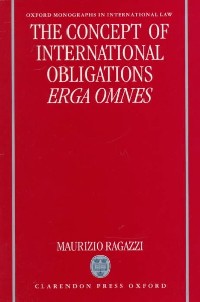
This is the first monograph on the idea of obligations erga omnes, an increasingly important concept in contemporary international law. Maurizio Ragazzi employs a pragmatic approach that identifies five common elements among the examples of obligations erga omnes given by the International Court. These five properties are then discussed comparatively.
目录
Table Of Contents:
Abbreviations xxi
Table of Cases xxiii
Table of Documents xxix
The Appearance of the Concept of Obligations Erga Omnes on the Agenda: The dictum of the International Court in the Barcelona Traction Case 1(17)
Introduction 1(4)
The Distinction between Ratio Decidendi and Obiter Dictium: (a) Preliminary Considerations 5(2)
The Distinction between Ratio Decidendi and Obiter Dictum: (b) Background and Circumstances of the Dictum on Obligations Erga Omnes 7(5)
The Distinction between Ratio Decidendi and Obiter Dictum: (c) Development after the Dictum on Obligations Erga Omnes 12(5)
Conclusions 17(1)
Selected Prefigurations of the Concept of Obligation Erga Omnes: (a) State Servitude, Permanent Dedication, International Status and Objective Regime 18(25)
Introduction 18(1)
The Concept of Servitude and, in Particular, or State Servitude 19(5)
The Concept of Permanent Dedication to the Use of the Whole World (the Wimbledon Case) 24(4)
The Concept of International Status in the General Interest of Europe (the Dispute on the Regime of Demilitarization for the Aaland Islands) 28(9)
The Concept of Objective Regime in the Work of Codification of the Law of Treaties 37(4)
Conclusions 41(2)
Selected Prefigurations of the Concept of Obligations Erga Omnes: (b) Jus Cogens 43(31)
Jus Cogens in and beyond the Vienna Convention on the Law of Treaties 43(5)
The Search for a Definition of the Particular Content of Jus Cogens 48(3)
The Test os Jus Cogens under Article 53 of the Vienna Convention: (a) Acceptance and Recognition of the Peremptory Character of a Norm by the International Community of States as a Whole 51(7)
The Tests of Jus Cogens under Article 53 of the Vienna Convention: (b) Impermissible Derogation and Restrictions on Subsequent Modification 58(1)
The Question of the Opposability Erga Omnes of Norms of Jus Cogens: (a) The Principle of the Persistent Objector 59(8)
The Question of the Opposability Erga Omnes of Norms of Jus Cogens: (b) The Principle of the Persistent Objector and Jus Cogens 67(5)
Conclusions 72(2)
The Examples of Obligations Erga Omnes Given by the International Court in its Dictum: (a) The Outlawing of Acts of Aggression 74(18)
The International Prohibition of Aggression 74(5)
The Impact of the Concepts of Jus Cogens and Erga Omnes on Self-Defence and Other circumstances Precluding Wrongfulness: Brief Considerations Based on the Codification of the Law of State Responsibility 79(3)
The Character Erga Omnes of the Obligation to Notify International Shipping of the Existence of a Minefield: (a) The Corfu Channel Case 82(4)
The Character Erga Omnes of the Obligation to Notify International Shipping of the Existence of a Minefield: (b) The Nicaragua Case 86(4)
Conclusion 90(2)
The Examples of Obligations Erga Omnes Given by the International Court in its Dictum: (b) The Outlawing of Genocide 92(13)
The International Prohibition of Genocide 92(6)
The Advisory Opinion on the Genocide Convention 98(3)
Elements of Analogy between the Advisory Opinion on the Genocide Convention and the Dictum on Obligations Erga Omnes 101(3)
Conclusions 104(1)
The Example os Obligations Erga Omnes Given by the International Court in its Dictum: (c) Protection from Slavery 105(13)
The International Protection from Slavery and the Slave Trade 105(6)
The Emergence of the Prohibition of Slavery and the Slave Trade: the Enterprise Case and the Lawrence Case 111(3)
The Question of the Universal Opposability of the Prohibition of the Slave Trade: The Antelope Case 114(2)
Conclusions 116(2)
The Examples of Obligations Erga Omnes Given by the International Court in its Dictum: (d) Protection from Racial Discrimination 118(14)
The International Protection from Racial Discrimination: the Principle of Equality and Non-Discrimination 118(3)
Qualifications to the Principle of Equality and Non-Discrimination 121(3)
The Questions of the Opposability Erga Omnes of the Protection from Racial Discrimination and the Prohibition of Apartheid in the South West Africa Cases 124(6)
Conclusions 130(2)
Selected Candidates of Obligations Erga Omnes Proposed in the International Literature 132(32)
Introduction 132(3)
Candidates Protecting Human Rights other than those Listed by the International Courts in its Dictum on Obligations Erga Omnes 135(10)
Candidates in the Areas of Development Law 145(9)
Candidates in the Area of Environmental Law 154(8)
Conclusions 162(2)
Other Selected Candidates in Light of the Advisory Opinion on Namibia and the Nuclear Tests Cases 164(25)
Introduction 164(1)
References to the Concept of Obligations Erga Omnes in the Advisory Opinion and the Pleading Relating to Namibia 164(9)
References to the Concept of Obligations Erga Omnes in the Pleadings Relating to the Nuclear Tests Cases 173(9)
Brief Considerations on the Required Degree of Evidence and Moral Content of Obligations Erga Omnes 182(5)
Conclusions 187(2)
Particular Aspects of the Relationship Between the Concept of Obligations Erga Omnes and the Concepts of Jus Cogens and Actio Popularis 189(26)
Introduction 189(1)
Obligations Erga Omnes and Norms of Jus Cogens: (a) Preliminary Considerations 190(4)
Obligations Erga Omnes and Norms of Jus Cogens: (b) Do Norms of Jus Cogens Invariably Give Rise to Obligations Erga Omnes? (Some Considerations in Light of the Concept of `Regional' Jus Cogens) 194(6)
Obligations Erga Omnes and Norms of Jus Cogens: (c) Do Obligations Erga Omnes Invariably Derive from Norms of Jus Cogens? (Some Considerations in Light of the Concept of `Self-Existent' Obligations) 200(3)
Obligations Erga Omnes and Norms of Jus Cogens: (d) Brief Considerations on the Respective Functions of the Two Concepts 203(7)
Obligations Erga Omnes and Actio Popularis 210(4)
Conclusion 214(1)
General Conclusions 215(4)
Bibliography 219(42)
Index 261
Abbreviations xxi
Table of Cases xxiii
Table of Documents xxix
The Appearance of the Concept of Obligations Erga Omnes on the Agenda: The dictum of the International Court in the Barcelona Traction Case 1(17)
Introduction 1(4)
The Distinction between Ratio Decidendi and Obiter Dictium: (a) Preliminary Considerations 5(2)
The Distinction between Ratio Decidendi and Obiter Dictum: (b) Background and Circumstances of the Dictum on Obligations Erga Omnes 7(5)
The Distinction between Ratio Decidendi and Obiter Dictum: (c) Development after the Dictum on Obligations Erga Omnes 12(5)
Conclusions 17(1)
Selected Prefigurations of the Concept of Obligation Erga Omnes: (a) State Servitude, Permanent Dedication, International Status and Objective Regime 18(25)
Introduction 18(1)
The Concept of Servitude and, in Particular, or State Servitude 19(5)
The Concept of Permanent Dedication to the Use of the Whole World (the Wimbledon Case) 24(4)
The Concept of International Status in the General Interest of Europe (the Dispute on the Regime of Demilitarization for the Aaland Islands) 28(9)
The Concept of Objective Regime in the Work of Codification of the Law of Treaties 37(4)
Conclusions 41(2)
Selected Prefigurations of the Concept of Obligations Erga Omnes: (b) Jus Cogens 43(31)
Jus Cogens in and beyond the Vienna Convention on the Law of Treaties 43(5)
The Search for a Definition of the Particular Content of Jus Cogens 48(3)
The Test os Jus Cogens under Article 53 of the Vienna Convention: (a) Acceptance and Recognition of the Peremptory Character of a Norm by the International Community of States as a Whole 51(7)
The Tests of Jus Cogens under Article 53 of the Vienna Convention: (b) Impermissible Derogation and Restrictions on Subsequent Modification 58(1)
The Question of the Opposability Erga Omnes of Norms of Jus Cogens: (a) The Principle of the Persistent Objector 59(8)
The Question of the Opposability Erga Omnes of Norms of Jus Cogens: (b) The Principle of the Persistent Objector and Jus Cogens 67(5)
Conclusions 72(2)
The Examples of Obligations Erga Omnes Given by the International Court in its Dictum: (a) The Outlawing of Acts of Aggression 74(18)
The International Prohibition of Aggression 74(5)
The Impact of the Concepts of Jus Cogens and Erga Omnes on Self-Defence and Other circumstances Precluding Wrongfulness: Brief Considerations Based on the Codification of the Law of State Responsibility 79(3)
The Character Erga Omnes of the Obligation to Notify International Shipping of the Existence of a Minefield: (a) The Corfu Channel Case 82(4)
The Character Erga Omnes of the Obligation to Notify International Shipping of the Existence of a Minefield: (b) The Nicaragua Case 86(4)
Conclusion 90(2)
The Examples of Obligations Erga Omnes Given by the International Court in its Dictum: (b) The Outlawing of Genocide 92(13)
The International Prohibition of Genocide 92(6)
The Advisory Opinion on the Genocide Convention 98(3)
Elements of Analogy between the Advisory Opinion on the Genocide Convention and the Dictum on Obligations Erga Omnes 101(3)
Conclusions 104(1)
The Example os Obligations Erga Omnes Given by the International Court in its Dictum: (c) Protection from Slavery 105(13)
The International Protection from Slavery and the Slave Trade 105(6)
The Emergence of the Prohibition of Slavery and the Slave Trade: the Enterprise Case and the Lawrence Case 111(3)
The Question of the Universal Opposability of the Prohibition of the Slave Trade: The Antelope Case 114(2)
Conclusions 116(2)
The Examples of Obligations Erga Omnes Given by the International Court in its Dictum: (d) Protection from Racial Discrimination 118(14)
The International Protection from Racial Discrimination: the Principle of Equality and Non-Discrimination 118(3)
Qualifications to the Principle of Equality and Non-Discrimination 121(3)
The Questions of the Opposability Erga Omnes of the Protection from Racial Discrimination and the Prohibition of Apartheid in the South West Africa Cases 124(6)
Conclusions 130(2)
Selected Candidates of Obligations Erga Omnes Proposed in the International Literature 132(32)
Introduction 132(3)
Candidates Protecting Human Rights other than those Listed by the International Courts in its Dictum on Obligations Erga Omnes 135(10)
Candidates in the Areas of Development Law 145(9)
Candidates in the Area of Environmental Law 154(8)
Conclusions 162(2)
Other Selected Candidates in Light of the Advisory Opinion on Namibia and the Nuclear Tests Cases 164(25)
Introduction 164(1)
References to the Concept of Obligations Erga Omnes in the Advisory Opinion and the Pleading Relating to Namibia 164(9)
References to the Concept of Obligations Erga Omnes in the Pleadings Relating to the Nuclear Tests Cases 173(9)
Brief Considerations on the Required Degree of Evidence and Moral Content of Obligations Erga Omnes 182(5)
Conclusions 187(2)
Particular Aspects of the Relationship Between the Concept of Obligations Erga Omnes and the Concepts of Jus Cogens and Actio Popularis 189(26)
Introduction 189(1)
Obligations Erga Omnes and Norms of Jus Cogens: (a) Preliminary Considerations 190(4)
Obligations Erga Omnes and Norms of Jus Cogens: (b) Do Norms of Jus Cogens Invariably Give Rise to Obligations Erga Omnes? (Some Considerations in Light of the Concept of `Regional' Jus Cogens) 194(6)
Obligations Erga Omnes and Norms of Jus Cogens: (c) Do Obligations Erga Omnes Invariably Derive from Norms of Jus Cogens? (Some Considerations in Light of the Concept of `Self-Existent' Obligations) 200(3)
Obligations Erga Omnes and Norms of Jus Cogens: (d) Brief Considerations on the Respective Functions of the Two Concepts 203(7)
Obligations Erga Omnes and Actio Popularis 210(4)
Conclusion 214(1)
General Conclusions 215(4)
Bibliography 219(42)
Index 261
- 名称
- 类型
- 大小
光盘服务联系方式: 020-38250260 客服QQ:4006604884
云图客服:
用户发送的提问,这种方式就需要有位在线客服来回答用户的问题,这种 就属于对话式的,问题是这种提问是否需要用户登录才能提问
Video Player
×
Audio Player
×
pdf Player
×
