

简介
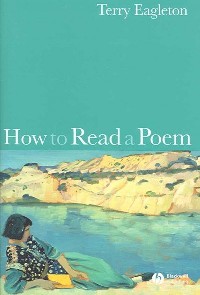
In this witty, accessible book, Terry Eagleton argues that the art of reading poetry is as much in danger of becoming extinct as thatching or clog dancing. On the whole, students today are not taught how to be sensitive to language - how to read a poem with due attention to its tone, mood, pitch, pace, rhythm and texture, rather than just to 'what it says'. To demonstrate how this works in practice, the author takes a wide range of poems from the Renaissance to the present day and submits them to brilliantly illuminating close analysis. As one of the world's leading literary theorists, Eagleton also summons the aid of such pioneering critics as the Russian Formalists to raise some provocative general questions: What is poetry, and how does it differ from prose?; Is there a language peculiar to poetry?; and What exactly do we mean by imagery? Lucid, entertaining and full of insight, "How To Read A Poem" is designed to banish the intimidation that too often attends the subject of poetry, and in doing so to bring it into the personal possession of the students and the general reader. - Back cover.
目录
Preface p. vii
Acknowledgements p. viii
The Functions of Criticism p. 1
The End of Criticism? p. 1
Politics and Rhetoric p. 8
The Death of Experience p. 17
Imagination p. 22
What is Poetry? p. 25
Poetry and Prose p. 25
Poetry and Morality p. 28
Poetry and Fiction p. 31
Poetry and Pragmatism p. 38
Poetic Language p. 41
Formalists p. 48
Literariness p. 48
Estrangement p. 49
The Semiotics of Yury Lotman p. 52
The Incarnational Fallacy p. 59
In Pursuit of Form p. 65
The Meaning of Form p. 65
Form versus Content p. 70
Form as Transcending Content p. 79
Poetry and Performance p. 88
Two American Examples p. 96
How to Read a Poem p. 102
Is Criticism Just Subjective? p. 102
Meaning and Subjectivity p. 108
Tone, Mood and Pitch p. 114
Intensity and Pace p. 118
Texture p. 120
Syntax, Grammar and Punctuation p. 121
Ambiguity p. 124
Punctuation p. 130
Rhyme p. 131
Rhythm and Metre p. 135
Imagery p. 138
Four Nature Poems p. 143
'Ode to Evening' p. 143
'The Solitary Reaper' p. 149
'God's Grandeur' p. 153
'Fifty Faggots' p. 157
Form and History p. 161
Glossary p. 165
Index p. 169
Acknowledgements p. viii
The Functions of Criticism p. 1
The End of Criticism? p. 1
Politics and Rhetoric p. 8
The Death of Experience p. 17
Imagination p. 22
What is Poetry? p. 25
Poetry and Prose p. 25
Poetry and Morality p. 28
Poetry and Fiction p. 31
Poetry and Pragmatism p. 38
Poetic Language p. 41
Formalists p. 48
Literariness p. 48
Estrangement p. 49
The Semiotics of Yury Lotman p. 52
The Incarnational Fallacy p. 59
In Pursuit of Form p. 65
The Meaning of Form p. 65
Form versus Content p. 70
Form as Transcending Content p. 79
Poetry and Performance p. 88
Two American Examples p. 96
How to Read a Poem p. 102
Is Criticism Just Subjective? p. 102
Meaning and Subjectivity p. 108
Tone, Mood and Pitch p. 114
Intensity and Pace p. 118
Texture p. 120
Syntax, Grammar and Punctuation p. 121
Ambiguity p. 124
Punctuation p. 130
Rhyme p. 131
Rhythm and Metre p. 135
Imagery p. 138
Four Nature Poems p. 143
'Ode to Evening' p. 143
'The Solitary Reaper' p. 149
'God's Grandeur' p. 153
'Fifty Faggots' p. 157
Form and History p. 161
Glossary p. 165
Index p. 169
- 名称
- 类型
- 大小
光盘服务联系方式: 020-38250260 客服QQ:4006604884
云图客服:
用户发送的提问,这种方式就需要有位在线客服来回答用户的问题,这种 就属于对话式的,问题是这种提问是否需要用户登录才能提问
Video Player
×
Audio Player
×
pdf Player
×
