

简介
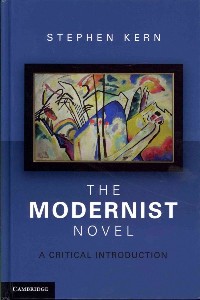
"Leading scholar Stephen Kern offers a probing analysis of the modernist novel, encompassing American, British and European works. Organized thematically, the book offers a comprehensive analysis of the stunningly original formal innovations in novels by Conrad, Joyce, Woolf, Proust, Gide, Faulkner, Dos Passos, Kafka, Musil and others. Kern contextualizes and explains how formal innovations captured the dynamic history of the period, reconstructed as ten master narratives. He also draws briefly on poetry and painting of the first half of the twentieth century. The Modernist Novel is set to become a fundamental source for discussions of the genre and a useful introduction to the subject for students and scholars of modernism and twentieth-century literature"--
"The period 1900-1940 produced revolutionary developments in science and the arts. The rediscovery of Gregor Mendel鈥檚 laws of heredity in 1900 undercut the popular notion that the values and character traits of parents blend in offspring and are transmitted directly to them. In The Interpretation of Dreams of 1900 Sigmund Freud laid the foundation for his theory of the mind as a network of unconscious processes and the residue of childhood psychosexual experience. Also in 1900, the introduction of Planck鈥檚 constant to explain the spectra of radiating bodies was the first blow to classical physics, leading to a major elaboration of quantum theory by 1927. Most unsettling was the theory鈥檚 indeterminacy principle, which put knowledge of subatomic events on a probabilistic basis, thereby limiting the sort of deterministic causal knowledge that classical physics had posited throughout the universe. Albert Einstein鈥檚 special relativity theory of 1905 maintained that space and time are not absolute and distinct but transform into one another. In 1908 Arnold Schoenberg composed music in no single tonal system, while in 1911 Wassily Kandinsky painted no recognizable objects. No single literary change was as revolutionary as these others. However, the sum of formal innovations in the novel was revolutionary in providing new ways of rendering how people experience personal development, courtship conventions, family relations, urban life, national identification, imperial conquest, capitalist enterprise, liberal institutions, religious faith, and artistic creativity"--
目录
Table Of Contents:
List of illustrations vii
List of tables viii
Acknowledgments ix
List of abbreviations x
Introduction 1(20)
1 Character 21(25)
Presence: conspicuous absence
Conrad, Barnes, Woolf 21(3)
Substance: concrete nothingness
Sartre, Musil 24(2)
Structure: blurring and fragmentation
Doblin, Stein 26(4)
Stability: volatile egos
Lawrence, Joyce, Gide 30(4)
Stature: a new kind of hero - Hemingway, Ford, Joyce 34(6)
Purpose: Bildungsroman to KuUnstlerroman
Dos Passos, Mann, Woolf, Joyce 40(6)
2 Event 46(29)
Scale: recalibrating the small and the large
James, Proust, Joyce, Woolf 46(10)
Causality: causal skepticism, mythic parallel, spatial patterning, chance
Faulkner, Musil, Camus, Gide 56(9)
Plot: anti-narrative
Musil, Woolf, Joyce, Picasso 65(10)
3 Space 75(26)
Texture: dynamic voids
Conrad, Forster, Kafka 76(5)
Mental space: impressionism, free indirect discourse, stream of consciousness
Ford, Conrad, Woolf, Schnitzler, Richardson, Faulkner, Joyce 81(12)
Urban space: Wandering Rocks
Dos Passos, Woolf, Joyce, Bely 93(8)
4 Time 101(25)
Orientation: valorizing the present
Stein, Mann, Joyce, Lewis 101(4)
Pace: faster, slower, multiple
Musil, Proust, Woolf, Joyce 105(4)
Continuity: broken watches in continuous time
Mann, Joyce, Woolf, Faulkner, Conrad, Ford 109(3)
Order: achrony, repetition, trauma, epiphany
Musil, Proust, Faulkner, Conrad, Mann, Joyce, Stein 112(14)
5 Framework 126(27)
Beginning: in the middle of things
Joyce, Kafka, Woolf, Ford, Faulkner, Rilke, Camus 126(13)
Ending: resounding irresolution
Gide, Lewis, Hemingway, Faulkner, Barnes, James, Lawrence 139(14)
6 Text 153(26)
Mechanics: coined words and stylized sentences
Hemingway, Proust, Faulkner, Stein, Joyce 153(4)
Language: illuminating opacity
Hofmannsthal, Gide, Lawrence, Kafka, Proust, Joyce 157(8)
Style: feminine, abstract, surreal, collagist
Richardson, Woolf, Kandinsky, Lewis, Stein, Breton, Joyce, DoUblin 165(14)
7 Narrator 179(23)
Vision: singular, serial, parallel, embedded
James, Conrad, Woolf, Gide 179(6)
Voice: nonhuman, shifting, multiple, heteroglossia
Faulkner, Richardson, Gide, Broch, Joyce 185(10)
Knowledge: creative uncertainty
Kafka, Bely, Conrad, Faulkner 195(7)
Conclusion 202(14)
Appendix: novels discussed in this book 216(5)
Notes 221(28)
Index 249
List of illustrations vii
List of tables viii
Acknowledgments ix
List of abbreviations x
Introduction 1(20)
1 Character 21(25)
Presence: conspicuous absence
Conrad, Barnes, Woolf 21(3)
Substance: concrete nothingness
Sartre, Musil 24(2)
Structure: blurring and fragmentation
Doblin, Stein 26(4)
Stability: volatile egos
Lawrence, Joyce, Gide 30(4)
Stature: a new kind of hero - Hemingway, Ford, Joyce 34(6)
Purpose: Bildungsroman to KuUnstlerroman
Dos Passos, Mann, Woolf, Joyce 40(6)
2 Event 46(29)
Scale: recalibrating the small and the large
James, Proust, Joyce, Woolf 46(10)
Causality: causal skepticism, mythic parallel, spatial patterning, chance
Faulkner, Musil, Camus, Gide 56(9)
Plot: anti-narrative
Musil, Woolf, Joyce, Picasso 65(10)
3 Space 75(26)
Texture: dynamic voids
Conrad, Forster, Kafka 76(5)
Mental space: impressionism, free indirect discourse, stream of consciousness
Ford, Conrad, Woolf, Schnitzler, Richardson, Faulkner, Joyce 81(12)
Urban space: Wandering Rocks
Dos Passos, Woolf, Joyce, Bely 93(8)
4 Time 101(25)
Orientation: valorizing the present
Stein, Mann, Joyce, Lewis 101(4)
Pace: faster, slower, multiple
Musil, Proust, Woolf, Joyce 105(4)
Continuity: broken watches in continuous time
Mann, Joyce, Woolf, Faulkner, Conrad, Ford 109(3)
Order: achrony, repetition, trauma, epiphany
Musil, Proust, Faulkner, Conrad, Mann, Joyce, Stein 112(14)
5 Framework 126(27)
Beginning: in the middle of things
Joyce, Kafka, Woolf, Ford, Faulkner, Rilke, Camus 126(13)
Ending: resounding irresolution
Gide, Lewis, Hemingway, Faulkner, Barnes, James, Lawrence 139(14)
6 Text 153(26)
Mechanics: coined words and stylized sentences
Hemingway, Proust, Faulkner, Stein, Joyce 153(4)
Language: illuminating opacity
Hofmannsthal, Gide, Lawrence, Kafka, Proust, Joyce 157(8)
Style: feminine, abstract, surreal, collagist
Richardson, Woolf, Kandinsky, Lewis, Stein, Breton, Joyce, DoUblin 165(14)
7 Narrator 179(23)
Vision: singular, serial, parallel, embedded
James, Conrad, Woolf, Gide 179(6)
Voice: nonhuman, shifting, multiple, heteroglossia
Faulkner, Richardson, Gide, Broch, Joyce 185(10)
Knowledge: creative uncertainty
Kafka, Bely, Conrad, Faulkner 195(7)
Conclusion 202(14)
Appendix: novels discussed in this book 216(5)
Notes 221(28)
Index 249
- 名称
- 类型
- 大小
光盘服务联系方式: 020-38250260 客服QQ:4006604884
云图客服:
用户发送的提问,这种方式就需要有位在线客服来回答用户的问题,这种 就属于对话式的,问题是这种提问是否需要用户登录才能提问
Video Player
×
Audio Player
×
pdf Player
×
