

简介
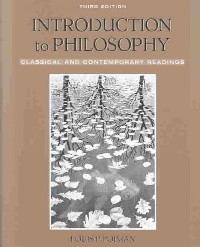
"Introduction of Philosophy: Classical and Contemporary Readings is a topically organized collection that covers five major areas of philosophy - theory of knowledge, philosophy of religion, philosophy of mind, freedom and determinism, and moral philosophy. Editor Louis P. Pojman enhances the text's topical organization by arranging the selections into a pro/con format to help students better understand opposing arguments. He also includes accessible introductions to each part, subsection, and individual reading, a unique feature for an anthology of this depth. While the book focuses on a compelling sampling of classical material - including selections from Plato, Aristotle, Descartes, Locke, Berkeley, Hume, and Kant - it also incorporates some of philosophy's best twentieth-century and contemporary work, featuring articles by Bertrand Russell, Richard Taylor, John Searle, Thomas Nagel, and others."--BOOK JACKET.
目录
Table Of Contents:
Preface xi
I WHAT IS PHILOSOPHY? 1(30)
Plato
Socratic Wisdom: The Trial of Socrates (from the Apology) 11(9)
John Locke
Philosophy as the Love of Truth versus Enthusiasm 20(5)
Bertrand Russell
The Value of Philosophy 25(6)
II THE THEORY OF KNOWLEDGE 31(128)
Plato
The Theory of Ideas and Doctrine of Recollection (from the Meno) 36(6)
Ren茅 Descartes
Meditations on First Philosophy: In Which the Existence of God, and the Real Distinction of Mind and Body, Are Demonstrated 42(31)
John Locke
An Empiricist Theory of Knowledge (from An Essay Concerning Human Understanding) 73(9)
George Berkeley
An Idealist Theory of Knowledge (from Three Dialogues between Hylas and Philonous) 82(23)
David Hume
An Enquiry Concerning Human Understanding 105(15)
Immanuel Kant
The Copernican Revolution in Knowledge 120(6)
John Maynard Smith
Science and Myth 126(4)
Norman Malcolm
Two Types of Knowledge 130(8)
Karl Popper
Epistemology without a Knowing Subject 138(7)
Richard Rorty
Dismantling Truth: Solidarity versus Objectivity 145(7)
Daniel Dennett
Postmodernism and Truth 152(7)
III PHILOSOPHY OF RELIGION 159(100)
A. Traditional Arguments for the Existence of God 160(40)
St. Thomas Aquinas
The Five Ways 167(2)
Samuel Clarke
The Argument from Contingency 169(2)
F.C. Copleston and Bertrand Russell
A Debate on the Argument from Contingency 171(7)
William Paley
The Watch and the Watchmaker 178(3)
David Hume
A Critique of the Teleological Argument 181(6)
Anselm versus Gaunilo
The Ontological Argument 187(3)
F.C. Copleston and Bertrand Russell
A Debate on the Argument from Religious Experience 190(3)
C.D. Broad
The Argument from Religious Experience 193(7)
B. The Problem of Evil 200(24)
Fyodor Dostoyevsky
Why Is There Evil? 203(4)
Bruce Russell
The Problem of Evil: Why Is There So Much Suffering? 207(6)
Richard Swinburne
A Theistic Response to the Problem of Evil 213(11)
C. Faith and Reason 224(35)
Antony Flew, R.M. Hare, and Basil Mitchell
A Debate on Rationality of Religious Belief 228(5)
Blaise Pascal
Faith Is a Rational Wager 233(3)
W.K. Clifford
The Ethics of Belief 236(5)
William James
The Will to Believe 241(6)
Alvin Plantinga
Religious Belief without Evidence 247(12)
IV PHILOSOPHY OF MIND 259(103)
A. The Mind-Body Problem 260(70)
Ren茅 Descartes
Dualism 264(4)
Jerome Shaffer
Consciousness and the Mind-Body Problem 268(11)
Paul Churchland
A Critique of Dualism 279(10)
Paul Churchland
On Functionalism and Materialism 289(14)
Thomas Nagel
What Is It Like to Be a Bat? 303(7)
David Chalmers
Against Materialism: Can Consciousness Be Reductively Explained? 310(13)
John Searle
Minds, Brains, and Computers 323(7)
B. Who Am I? The Problem of Personal Identity 330(16)
John Locke
Our Psychological Properties Define the Self 335(3)
David Hume
We Have No Substantial Self with Which We Are Identical 338(3)
Derek Parfit and Godfrey Vesey
Brain Transplants and Personal Identity: A Dialogue 341(5)
C. Personal Identity and Survival: Will I Survive My Death? 346(16)
Plato
Arguments for the Immortality of the Soul (from the Phaedo) 347(4)
Bertrand Russell
The Illusion of Immortality 351(3)
John Hick
In Defense of Life after Death 354(8)
V FREEDOM OF THE WILL, RESPONSIBILITY, AND PUNISHMENT 362(107)
A. Free Will and Determinism 362(46)
Baron Paul Henri d'Holbach
A Defense of Determinism 370(5)
Richard Taylor
Libertarianism: Defense of Free Will 375(7)
W.T. Stace
Compatibilism: Free Will Is Consistent with Determinism 382(6)
John Hospers
Determinism: Free Will and Psychoanalysis 388(10)
Harry Frankfurt
Freedom of the Will and the Concept of a Person 398(10)
B. Moral Responsibility 408(33)
Aristotle
Voluntary Action and Responsibility 410(5)
Galen Strawson
The Impossibility of Moral Responsibility 415(10)
Michael Levin
A Compatibilist Defense of Moral Responsibility 425(12)
Lois Hope Walker
A Libertarian Defense of Moral Responsibility 437(4)
C. Punishment 441(28)
Immanuel Kant
The Right to Punish: Retributivism 445(3)
Jonathan Glover
Utilitarianism and Punishment 448(6)
Karl Menninger
The Crime of Punishment: The Humanitarian Theory 454(5)
C.S. Lewis
Against the Humanitarian Theory of Rehabilitation 459(5)
John Rawls
Two Concepts of Punishment 464(5)
VI MORAL PHILOSOPHY 469(154)
Plato
Socratic Morality: Crito 476(7)
A. Moral Relativism 483(31)
Herodotus
Custom Is King 483(1)
Ruth Benedict
In Defense of Moral Relativism 484(5)
Louis P. Pojman
Ethical Relativism versus Ethical Objectivism 489(10)
J.L. Mackie
The Subjectivity of Values 499(11)
Louis P. Pojman
A Critique of Mackie's Theory of Moral Subjectivism 510(4)
B. Morality and Self-Interest 514(22)
Plato
Gyges' Ring, or Is the Good Good for You? 515(5)
James Rachels
Ethical Egoism 520(9)
J.L. Mackie
The Law of the Jungle: Moral Alternatives and Principles of Evolution 529(7)
C. Religion and Ethics 536(25)
Plato
The Divine Command Theory of Ethics 539(2)
Bertrand Russell
A Free Man's Worship 541(5)
George Mavrodes
Religion and the Queerness of Morality 546(9)
Kai Nielsen
Ethics without Religion 555(6)
D. Which Moral Theory Is Correct? 561(38)
Aristotle
The Ethics of Virtue 562(10)
Thomas Hobbes
Contractualism 572(9)
John Stuart Mill
Utilitarianism 581(6)
Immanuel Kant
The Moral Law 587(12)
E. Challenges to Traditional Moral Theories 599(24)
Friedrich Nietzsche
Beyond Good and Evil 600(8)
William Gass
The Case of the Obliging Stranger 608(6)
Thomas Nagel
Moral Luck 614(9)
Appendix I How to Read and Write a Philosophy Paper 623(3)
Appendix II A Little Bit of Logic 626(15)
Glossary 641(8)
Suggestions for Further Readings 649
Preface xi
I WHAT IS PHILOSOPHY? 1(30)
Plato
Socratic Wisdom: The Trial of Socrates (from the Apology) 11(9)
John Locke
Philosophy as the Love of Truth versus Enthusiasm 20(5)
Bertrand Russell
The Value of Philosophy 25(6)
II THE THEORY OF KNOWLEDGE 31(128)
Plato
The Theory of Ideas and Doctrine of Recollection (from the Meno) 36(6)
Ren茅 Descartes
Meditations on First Philosophy: In Which the Existence of God, and the Real Distinction of Mind and Body, Are Demonstrated 42(31)
John Locke
An Empiricist Theory of Knowledge (from An Essay Concerning Human Understanding) 73(9)
George Berkeley
An Idealist Theory of Knowledge (from Three Dialogues between Hylas and Philonous) 82(23)
David Hume
An Enquiry Concerning Human Understanding 105(15)
Immanuel Kant
The Copernican Revolution in Knowledge 120(6)
John Maynard Smith
Science and Myth 126(4)
Norman Malcolm
Two Types of Knowledge 130(8)
Karl Popper
Epistemology without a Knowing Subject 138(7)
Richard Rorty
Dismantling Truth: Solidarity versus Objectivity 145(7)
Daniel Dennett
Postmodernism and Truth 152(7)
III PHILOSOPHY OF RELIGION 159(100)
A. Traditional Arguments for the Existence of God 160(40)
St. Thomas Aquinas
The Five Ways 167(2)
Samuel Clarke
The Argument from Contingency 169(2)
F.C. Copleston and Bertrand Russell
A Debate on the Argument from Contingency 171(7)
William Paley
The Watch and the Watchmaker 178(3)
David Hume
A Critique of the Teleological Argument 181(6)
Anselm versus Gaunilo
The Ontological Argument 187(3)
F.C. Copleston and Bertrand Russell
A Debate on the Argument from Religious Experience 190(3)
C.D. Broad
The Argument from Religious Experience 193(7)
B. The Problem of Evil 200(24)
Fyodor Dostoyevsky
Why Is There Evil? 203(4)
Bruce Russell
The Problem of Evil: Why Is There So Much Suffering? 207(6)
Richard Swinburne
A Theistic Response to the Problem of Evil 213(11)
C. Faith and Reason 224(35)
Antony Flew, R.M. Hare, and Basil Mitchell
A Debate on Rationality of Religious Belief 228(5)
Blaise Pascal
Faith Is a Rational Wager 233(3)
W.K. Clifford
The Ethics of Belief 236(5)
William James
The Will to Believe 241(6)
Alvin Plantinga
Religious Belief without Evidence 247(12)
IV PHILOSOPHY OF MIND 259(103)
A. The Mind-Body Problem 260(70)
Ren茅 Descartes
Dualism 264(4)
Jerome Shaffer
Consciousness and the Mind-Body Problem 268(11)
Paul Churchland
A Critique of Dualism 279(10)
Paul Churchland
On Functionalism and Materialism 289(14)
Thomas Nagel
What Is It Like to Be a Bat? 303(7)
David Chalmers
Against Materialism: Can Consciousness Be Reductively Explained? 310(13)
John Searle
Minds, Brains, and Computers 323(7)
B. Who Am I? The Problem of Personal Identity 330(16)
John Locke
Our Psychological Properties Define the Self 335(3)
David Hume
We Have No Substantial Self with Which We Are Identical 338(3)
Derek Parfit and Godfrey Vesey
Brain Transplants and Personal Identity: A Dialogue 341(5)
C. Personal Identity and Survival: Will I Survive My Death? 346(16)
Plato
Arguments for the Immortality of the Soul (from the Phaedo) 347(4)
Bertrand Russell
The Illusion of Immortality 351(3)
John Hick
In Defense of Life after Death 354(8)
V FREEDOM OF THE WILL, RESPONSIBILITY, AND PUNISHMENT 362(107)
A. Free Will and Determinism 362(46)
Baron Paul Henri d'Holbach
A Defense of Determinism 370(5)
Richard Taylor
Libertarianism: Defense of Free Will 375(7)
W.T. Stace
Compatibilism: Free Will Is Consistent with Determinism 382(6)
John Hospers
Determinism: Free Will and Psychoanalysis 388(10)
Harry Frankfurt
Freedom of the Will and the Concept of a Person 398(10)
B. Moral Responsibility 408(33)
Aristotle
Voluntary Action and Responsibility 410(5)
Galen Strawson
The Impossibility of Moral Responsibility 415(10)
Michael Levin
A Compatibilist Defense of Moral Responsibility 425(12)
Lois Hope Walker
A Libertarian Defense of Moral Responsibility 437(4)
C. Punishment 441(28)
Immanuel Kant
The Right to Punish: Retributivism 445(3)
Jonathan Glover
Utilitarianism and Punishment 448(6)
Karl Menninger
The Crime of Punishment: The Humanitarian Theory 454(5)
C.S. Lewis
Against the Humanitarian Theory of Rehabilitation 459(5)
John Rawls
Two Concepts of Punishment 464(5)
VI MORAL PHILOSOPHY 469(154)
Plato
Socratic Morality: Crito 476(7)
A. Moral Relativism 483(31)
Herodotus
Custom Is King 483(1)
Ruth Benedict
In Defense of Moral Relativism 484(5)
Louis P. Pojman
Ethical Relativism versus Ethical Objectivism 489(10)
J.L. Mackie
The Subjectivity of Values 499(11)
Louis P. Pojman
A Critique of Mackie's Theory of Moral Subjectivism 510(4)
B. Morality and Self-Interest 514(22)
Plato
Gyges' Ring, or Is the Good Good for You? 515(5)
James Rachels
Ethical Egoism 520(9)
J.L. Mackie
The Law of the Jungle: Moral Alternatives and Principles of Evolution 529(7)
C. Religion and Ethics 536(25)
Plato
The Divine Command Theory of Ethics 539(2)
Bertrand Russell
A Free Man's Worship 541(5)
George Mavrodes
Religion and the Queerness of Morality 546(9)
Kai Nielsen
Ethics without Religion 555(6)
D. Which Moral Theory Is Correct? 561(38)
Aristotle
The Ethics of Virtue 562(10)
Thomas Hobbes
Contractualism 572(9)
John Stuart Mill
Utilitarianism 581(6)
Immanuel Kant
The Moral Law 587(12)
E. Challenges to Traditional Moral Theories 599(24)
Friedrich Nietzsche
Beyond Good and Evil 600(8)
William Gass
The Case of the Obliging Stranger 608(6)
Thomas Nagel
Moral Luck 614(9)
Appendix I How to Read and Write a Philosophy Paper 623(3)
Appendix II A Little Bit of Logic 626(15)
Glossary 641(8)
Suggestions for Further Readings 649
- 名称
- 类型
- 大小
光盘服务联系方式: 020-38250260 客服QQ:4006604884
云图客服:
用户发送的提问,这种方式就需要有位在线客服来回答用户的问题,这种 就属于对话式的,问题是这种提问是否需要用户登录才能提问
Video Player
×
Audio Player
×
pdf Player
×
