

简介
Summary:
Publisher Summary 1
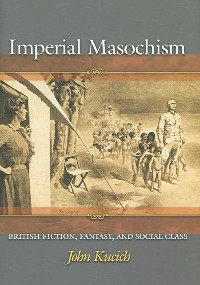
Masochism, here interpreted in a broader cultural sense to mean the desire for and glorification of suffering (in this case, for the imperial cause), is revealed to be a predominant theme in the works of many major Victorian writers, including Robert Louis Stevenson, Rudyard Kipling, and Joseph Conrad. By tracing the common thread of masochistic and sadomasochistic fantasy occurring in works on colonial themes by these and other writers, Kucich (English, Rutgers U.) offers a vision of the cultural and social mores behind celebrated actions and stories that elevate suffering as the necessary process by which a hero creates a new, better world. Kucich supplements his psychoanalytic analysis throughout by providing details of the historical events and figures behind the stories, as well as noting other examples of such stories, often in the popular media. Annotation 漏2007 Book News, Inc., Portland, OR (booknews.com)
Publisher Summary 2
British imperialism's favorite literary narrative might seem to be conquest. But real British conquests also generated a surprising cultural obsession with suffering, sacrifice, defeat, and melancholia. "There was," writes John Kucich, "seemingly a different crucifixion scene marking the historical gateway to each colonial theater." In Imperial Masochism, Kucich reveals the central role masochistic forms of voluntary suffering played in late-nineteenth-century British thinking about imperial politics and class identity. Placing the colonial writers Robert Louis Stevenson, Olive Schreiner, Rudyard Kipling, and Joseph Conrad in their cultural context, Kucich shows how the ideological and psychological dynamics of empire, particularly its reorganization of class identities at the colonial periphery, depended on figurations of masochism.Drawing on recent psychoanalytic theory to define masochism in terms of narcissistic fantasies of omnipotence rather than sexual perversion, the book illuminates how masochism mediates political thought of many different kinds, not simply those that represent the social order as an opposition of mastery and submission, or an eroticized drama of power differentials. Masochism was a powerful psychosocial language that enabled colonial writers to articulate judgments about imperialism and class.The first full-length study of masochism in British colonial fiction, Imperial Masochismputs forth new readings of this literature and shows the continued relevance of psychoanalysis to historicist studies of literature and culture.
目录
Acknowledgments p. ix
A Note on Texts p. xi
Introduction: Fantasy and Ideology p. 1
Masochism in Context p. 4
What Is Masochistic Fantasy? p. 17
Multiple Masochisms p. 28
Melancholy Magic: Robert Louis Stevenson's Evangelical Anti-Imperialism p. 31
Masochistic Splitting in the Scottish Novels p. 36
Evangelicalism: Pain Is Power p. 47
Rewriting Social Class at the Periphery: South Seas Tales p. 59
Racial Projections p. 72
Anti-Imperialist Euphoria in the Samoan Civil War p. 76
The Reversibility of Masochistic Politics p. 84
Olive Schreiner's Preoedipal Dreams: Feminism, Class, and the South African War p. 86
The Clash of Pleasure Economies in The Story of an African Farm p. 90
New Woman Feminism p. 96
The Regeneration of Middle-Class Culture p. 107
Fantasizing about the Boers p. 113
Domestic Middle-Class Identity and the War over the War p. 124
Feminist Masochism, Class Regeneration, and Critical Disavowal p. 129
Sadomasochism and the Magical Group: Kipling's Middle-Class Imperialism p. 136
Sadomasochism, Bullying, and Omnipotence in Stalky & Co. p. 140
Magical Groups: Bullies, Victims, and Bystanders p. 151
Kim: The Magical Group as Imperial Agent p. 160
Magical Professionals in the Short Fiction p. 168
Evangelicalism and Middle-Class Unilateralism p. 182
Class Hostility, Classlessness, and the Magical Middle Class p. 188
The Masochism of the Craft: Conrad's Imperial Professionalism p. 196
Varieties of Colonial Omnipotence p. 200
"In the Destructive Element Immerse" p. 210
Empathy as a Narcissistic Disorder p. 216
Class Magic and Class Melancholia p. 223
Professional Redemption p. 235
Masochistic Imperialism p. 244
Conclusion p. 247
Index p. 253
A Note on Texts p. xi
Introduction: Fantasy and Ideology p. 1
Masochism in Context p. 4
What Is Masochistic Fantasy? p. 17
Multiple Masochisms p. 28
Melancholy Magic: Robert Louis Stevenson's Evangelical Anti-Imperialism p. 31
Masochistic Splitting in the Scottish Novels p. 36
Evangelicalism: Pain Is Power p. 47
Rewriting Social Class at the Periphery: South Seas Tales p. 59
Racial Projections p. 72
Anti-Imperialist Euphoria in the Samoan Civil War p. 76
The Reversibility of Masochistic Politics p. 84
Olive Schreiner's Preoedipal Dreams: Feminism, Class, and the South African War p. 86
The Clash of Pleasure Economies in The Story of an African Farm p. 90
New Woman Feminism p. 96
The Regeneration of Middle-Class Culture p. 107
Fantasizing about the Boers p. 113
Domestic Middle-Class Identity and the War over the War p. 124
Feminist Masochism, Class Regeneration, and Critical Disavowal p. 129
Sadomasochism and the Magical Group: Kipling's Middle-Class Imperialism p. 136
Sadomasochism, Bullying, and Omnipotence in Stalky & Co. p. 140
Magical Groups: Bullies, Victims, and Bystanders p. 151
Kim: The Magical Group as Imperial Agent p. 160
Magical Professionals in the Short Fiction p. 168
Evangelicalism and Middle-Class Unilateralism p. 182
Class Hostility, Classlessness, and the Magical Middle Class p. 188
The Masochism of the Craft: Conrad's Imperial Professionalism p. 196
Varieties of Colonial Omnipotence p. 200
"In the Destructive Element Immerse" p. 210
Empathy as a Narcissistic Disorder p. 216
Class Magic and Class Melancholia p. 223
Professional Redemption p. 235
Masochistic Imperialism p. 244
Conclusion p. 247
Index p. 253
- 名称
- 类型
- 大小
光盘服务联系方式: 020-38250260 客服QQ:4006604884
云图客服:
用户发送的提问,这种方式就需要有位在线客服来回答用户的问题,这种 就属于对话式的,问题是这种提问是否需要用户登录才能提问
Video Player
×
Audio Player
×
pdf Player
×
