

微信扫一扫,移动浏览光盘
简介
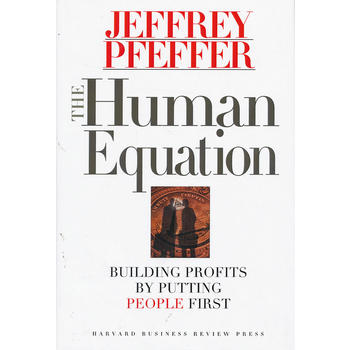
Why is common sense so uncommon when it comes to managingpeople? How is it that so many seemingly intelligent organizationsimplement harmful management practices and ideas? In hisprovocative new book, "The Human Equation", bestselling authorJeffrey Pfeffer examines why much of the current conventionalwisdom is wrong and asks us to re-think the way managers linkpeople with organizational performance. Pfeffer masterfully buildsa powerful business case for managing people effectively - not justbecause it makes for good corporate policy, but because it resultsin outstanding performance and profits. Challenging currentthinking and practice, Pfeffer: reveals the costs of downsizing andprovides alternatives; identifies troubling trends in compensation,and suggests better practices; explains why even the smartestmanagers sometimes manage people unwisely; demonstrates howmarket-based forces can fail to create good people managementpractices, creating a need for positive public policy; and providespractical guidelines for implementing high-performance managementpractices. Filled with information and ideas, "The Human Equation"provides much-needed guidance for managing people more wisely andmore profitably.
目录
Preface
Acknowledxments
Introduction
PART I: PEOPLE-CENTERED MANAGEMENT
AND ORGANIZATIONAL SUCCESS
1 Looking for Success in All the WrongPlaces
2 The Business Case for Managing People Right
3 Seven Practices of SuccessfulOrganizations
4 Aligning Business Strategy and ManagementPractices
PART II: BARRIERS TO IMPLEMENTING
PERFORMANCE KNOWLEDGE:
HOW CONVENTIONAL WISDOM IS WRONG
5 Ten Reasons Why Smart Organizations Sometimes Do DumbThings
6 The "New Employment Contract" and the Virtual WorkForce
7 How Common Approaches to Pay CauseProblems
8 Can You Manage with Unions?
9 Market Failures and the Role of Public Policy inProducing Profits Through People
10 People, Profits, and Perspective
Notes
Index
About the Author
- 名称
- 类型
- 大小
光盘服务联系方式: 020-38250260 客服QQ:4006604884
云图客服:
用户发送的提问,这种方式就需要有位在线客服来回答用户的问题,这种 就属于对话式的,问题是这种提问是否需要用户登录才能提问
