

简介
Summary:
Publisher Summary 1
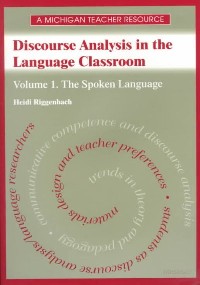
Current methodological research has found that in order for learners to acquire language that is both linguistically accurate and socially appropriate, their awareness of patterns and of what is systematic about language must be developed. In Discourse Analysis in the Language Classroom, Heidi Riggenbach has compiled activities that will foster this awareness by putting students in the role of discourse analysts and language researchers so that they may learn the patterns and systems for themselves.
This book is intended for ESL/EFL teachers who wish to have a better understanding of discourse analysis as it applies to the language classroom and who need to design courses and materials with the goal of developing students' skills as researchers in acquiring their new language.
The book includes: an overview of discourse analysis and its relevance to language teachers and learners; background material on the interesting features pertaining to oral language skills; presentation of techniques for preparing students to be researchers and for implementing discourse analysis tools in the classroom and the activities that employ these techniques; and a discussion of options for incorporating discourse analysis into different course situations.
目录
Table Of Contents:
Part 1. Introduction 1(52)
Chapter 1. Overview: Discourse Analysis in the Language Classroom 1(35)
1. Discourse and Context Described 2(4)
2. Communicative Competence and Discourse Analysis Activities 6(7)
Sociolinguistic Competence 7(3)
Linguistic Competence 10(1)
Discourse Competence 11(1)
Strategic Competence 12(1)
3. Other Recent Trends in Theory and Pedagogy 13(7)
The Communicative Movement 13(1)
Learner Motivation 14(1)
Focus on the Learner 15(1)
Content-Centered and Task-Based Approaches 16(1)
Experiential Learning/Learner-as-Researcher 17(3)
4. Materials Design and Teacher Preference Considerations 20(6)
Student Populations 20(4)
Course/Syllabus Situations 24(1)
Teacher Style 25(1)
For Teachers: Discussion Questions 26(2)
Suggested Readings and References 28(8)
Chapter 2. Students as Discourse Analysts/Language Researchers: The Spoken Language 36(17)
1. Qualitative Research in Perspective 36(3)
2. Overview: Qualitative Research Principles and Methodology 39(6)
Guiding Practices and Beliefs in Qualitative Research 39(1)
Data Collection Issues 40(2)
Working with Spoken Language Data 42(3)
3. An Approach for Conducting Discourse Analysis Activities 45(2)
For Teachers: Discussion Questions 47(2)
Suggested Readings and References 49(4)
Part 2. Activities 53(158)
Chapter 3. Ways of Speaking 53(93)
1. Discussion 54(8)
Conversation 55(3)
Nonconversation Genres 58(2)
Macro-Level Social Constructs 60(1)
Discourse Analysts Who Work with Spoken Language Data 60(2)
2. Suggestions for Developing Original Activities 62(3)
Sample Activities 1-14 65(74)
Guide to Activities 1-14 65(1)
Activity 1. Turn Taking 66(5)
Additional Activity 1A. Claiming Turns 71(1)
Additional Activity 1B. Predicting End-of-Turns 71(2)
Activity 2. Fillers and Repairs 73(5)
Activity 3. Listener Responses/Backchannels 78(3)
Additional Activity 3A. Practicing Listener Responses 81(1)
Additional Activity 3B. Ensuring Comprehension 82(1)
Activity 4. Initiating Repairs 83(4)
Activity 5. Openings 87(3)
Activity 6. Closings 90(5)
Activity 7. Speech Events 95(5)
Activity 8. Discussions 100(7)
Additional Activity 8A. Talk Show Host 107(1)
Activity 9. Storytelling 107(4)
Additional Activity 9A. Planned Narratives 111(1)
Additional Activity 9B. Written Narratives 111(1)
Activity 10. Style 112(5)
Activity 11. Informative Talks 117(3)
Additional Activity 11A. Persuasion 120(1)
Activity 12. Attitudes and Assumptions 121(5)
Activity 13. Language Classroom Research 126(7)
Activity 14. Belief Systems 133(4)
Additional Activity 14A. Interviews 137(2)
For Teachers: Discussion Questions 139(2)
Suggested Readings and References 141(5)
Chapter 4. Micro Skills: Pronunciation, Grammar, and Vocabulary 146(65)
1. Discussion 146(5)
Grammar 148(1)
Vocabulary 149(1)
Pronunciation 150(1)
2. Suggestions for Developing Original Activities 151(51)
Sample Activities 15-26 152(50)
Guide to Activities 152(1)
Sample Activities 15-18: Pronunciation 153(1)
Activity 15. Word Stress and Pauses 153(4)
Activity 16. Reductions and Contractions 157(7)
Activity 17. Linking 164(3)
Activity 18. Problematic Vowels and Consonants 167(6)
Sample Activities 19-22: Grammar 173(1)
Activity 19. Present Perfect versus Simple Past 173(3)
Activity 20. Conditionals 176(2)
Activity 21. Child Language Acquisition 178(4)
Activity 22. Problematic Structures 182(5)
Sample Activities 23-26: Vocabulary 187(1)
Activity 23. New Words 187(3)
Activity 24. Specialized Words 190(4)
Activity 25. Transition Words 194(4)
Activity 26. Building Vocabulary 198(4)
For Teachers: Discussion Questions 202(1)
Suggested Readings and References 203(8)
Appendixes 211
1. Sample Handout for Students--Activity 1. Turn Taking 211(2)
2. Student Data Samples--Activity 1. Turn Taking 213(4)
3. Sample Student-Generated Chapter (excerpts)--Activity 7. Speech Events 217(3)
4. Sample Student-Written Character Portrayal--Activity 10. Style 220
Part 1. Introduction 1(52)
Chapter 1. Overview: Discourse Analysis in the Language Classroom 1(35)
1. Discourse and Context Described 2(4)
2. Communicative Competence and Discourse Analysis Activities 6(7)
Sociolinguistic Competence 7(3)
Linguistic Competence 10(1)
Discourse Competence 11(1)
Strategic Competence 12(1)
3. Other Recent Trends in Theory and Pedagogy 13(7)
The Communicative Movement 13(1)
Learner Motivation 14(1)
Focus on the Learner 15(1)
Content-Centered and Task-Based Approaches 16(1)
Experiential Learning/Learner-as-Researcher 17(3)
4. Materials Design and Teacher Preference Considerations 20(6)
Student Populations 20(4)
Course/Syllabus Situations 24(1)
Teacher Style 25(1)
For Teachers: Discussion Questions 26(2)
Suggested Readings and References 28(8)
Chapter 2. Students as Discourse Analysts/Language Researchers: The Spoken Language 36(17)
1. Qualitative Research in Perspective 36(3)
2. Overview: Qualitative Research Principles and Methodology 39(6)
Guiding Practices and Beliefs in Qualitative Research 39(1)
Data Collection Issues 40(2)
Working with Spoken Language Data 42(3)
3. An Approach for Conducting Discourse Analysis Activities 45(2)
For Teachers: Discussion Questions 47(2)
Suggested Readings and References 49(4)
Part 2. Activities 53(158)
Chapter 3. Ways of Speaking 53(93)
1. Discussion 54(8)
Conversation 55(3)
Nonconversation Genres 58(2)
Macro-Level Social Constructs 60(1)
Discourse Analysts Who Work with Spoken Language Data 60(2)
2. Suggestions for Developing Original Activities 62(3)
Sample Activities 1-14 65(74)
Guide to Activities 1-14 65(1)
Activity 1. Turn Taking 66(5)
Additional Activity 1A. Claiming Turns 71(1)
Additional Activity 1B. Predicting End-of-Turns 71(2)
Activity 2. Fillers and Repairs 73(5)
Activity 3. Listener Responses/Backchannels 78(3)
Additional Activity 3A. Practicing Listener Responses 81(1)
Additional Activity 3B. Ensuring Comprehension 82(1)
Activity 4. Initiating Repairs 83(4)
Activity 5. Openings 87(3)
Activity 6. Closings 90(5)
Activity 7. Speech Events 95(5)
Activity 8. Discussions 100(7)
Additional Activity 8A. Talk Show Host 107(1)
Activity 9. Storytelling 107(4)
Additional Activity 9A. Planned Narratives 111(1)
Additional Activity 9B. Written Narratives 111(1)
Activity 10. Style 112(5)
Activity 11. Informative Talks 117(3)
Additional Activity 11A. Persuasion 120(1)
Activity 12. Attitudes and Assumptions 121(5)
Activity 13. Language Classroom Research 126(7)
Activity 14. Belief Systems 133(4)
Additional Activity 14A. Interviews 137(2)
For Teachers: Discussion Questions 139(2)
Suggested Readings and References 141(5)
Chapter 4. Micro Skills: Pronunciation, Grammar, and Vocabulary 146(65)
1. Discussion 146(5)
Grammar 148(1)
Vocabulary 149(1)
Pronunciation 150(1)
2. Suggestions for Developing Original Activities 151(51)
Sample Activities 15-26 152(50)
Guide to Activities 152(1)
Sample Activities 15-18: Pronunciation 153(1)
Activity 15. Word Stress and Pauses 153(4)
Activity 16. Reductions and Contractions 157(7)
Activity 17. Linking 164(3)
Activity 18. Problematic Vowels and Consonants 167(6)
Sample Activities 19-22: Grammar 173(1)
Activity 19. Present Perfect versus Simple Past 173(3)
Activity 20. Conditionals 176(2)
Activity 21. Child Language Acquisition 178(4)
Activity 22. Problematic Structures 182(5)
Sample Activities 23-26: Vocabulary 187(1)
Activity 23. New Words 187(3)
Activity 24. Specialized Words 190(4)
Activity 25. Transition Words 194(4)
Activity 26. Building Vocabulary 198(4)
For Teachers: Discussion Questions 202(1)
Suggested Readings and References 203(8)
Appendixes 211
1. Sample Handout for Students--Activity 1. Turn Taking 211(2)
2. Student Data Samples--Activity 1. Turn Taking 213(4)
3. Sample Student-Generated Chapter (excerpts)--Activity 7. Speech Events 217(3)
4. Sample Student-Written Character Portrayal--Activity 10. Style 220
- 名称
- 类型
- 大小
光盘服务联系方式: 020-38250260 客服QQ:4006604884
云图客服:
用户发送的提问,这种方式就需要有位在线客服来回答用户的问题,这种 就属于对话式的,问题是这种提问是否需要用户登录才能提问
Video Player
×
Audio Player
×
pdf Player
×
