

简介
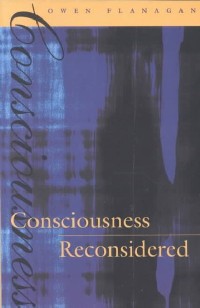
Consciousness is neither miraculous nor ultimately mysterious. In this broad, entertaining, and persuasive account Owen Flanagan argues that we are on the way to understanding consciousness and its place in the natural order. No aspect of consciousness escapes Flanagan's probe. Qualia, self-consciousness, autobiographical memory, perceptions, sensations, the stream of consciousness, disorders such as blindsight, various kinds of amnesia, and multiple personality all find a place in a constructive theory that brings into reflective equilibrium insights from a wide array of disciplines to reveal the deep, rich, and complex hidden structure of consciousness.Flanagan roams freely through a variety of scientific and philosophical domains, showing how it is possible to understand human consciousness in a way that gives its subjective, phenomenal aspects their full due while at the same time taking into account the neural bases of subjectivity. The result is a powerful synthetic theory of consciousness, a "constructive naturalism," according to which subjective consciousness is real, plays an important causal role, and resides in the brain.Flanagan draws the reader into a world of exciting current debates among such philosophers as Thomas Nagel, Daniel Dennett, Paul Churchland, Patricia Churchland, and Colin McGinn, and he makes this world accessible. He masterfully weaves the latest insights from theory and research in cognitive neuroscience, neural darwinism, connectionist brain architecture, and PET scanners to reveal clear links between events that "seem a certain way" and underlying neural activity. William James's famous phenomenological analysis of consciousness and neurologically impaired characters from the writings of Oliver Sacks and A. R. Luria join the narrative, providing valuable insights into important current controversies on the relation of consciousness to self.Owen Flanagan is Class of 1919 Professor of Philosophy at Wellesley College.
目录
Preface
Subjectivity and the Natural Order
Subjectivity
Philosophical Space
Consciousness and Cognitivism
Conscious Shyness and the New Mysterianism
Subjectivity, Objectivity, and the Natural Method
The Natural Method: Three Examples
Quining Consciousness
What Quining Is
The Phlogiston Objection
The Karma Objection
Consciousness and the Brain
Mind, Brain, and Experience
The Evolution of Darwin Machines
Neural Darwinism
Self and Nonself
Sensory Qualia and Neural Vectors
Experiential Sensitivity versus Informational Sensitivity
Identity Theory to a First Approximation?
Qualia
Quining Qualia
What Qualia Are
Sensational and Nonsensational Qualia
Inverted Qualia
Intractable Qualia
The Missing Shade of You
The Subject Is Experience
The Missing Shade of Blue
The Missing Shade of You
Capturing You: The Very Idea
Grasping Experiences
Missing Shades Again
Refrain: The Missing Shade of You
The Mystery of Consciousness
The Mystery of Qualia
The First Argument: Why We Can't Solve the Problem of Consciousness
Critique of the First Argument
Some Further Objections and Replies
The Second Argument: The Hidden Structure of Consciousness
Critique of the Hidden-Structure Argument
Conscious Inessentialism and the Epiphenomenalist Suspicion
Conscious Inessentialism
The Epiphenomenalist Suspicion
Some Arguments from Design
An Experiment in Epiphenomenalism
Teleological Functionalism, Epiphenomenalism, and Defects of Consciousness
Blocking Teleological Functionalism
Phenomenal Access
Can the Epiphenomenalist Explain Everything That the Teleological Functionalist Can Explain?
The Stream of Consciousness
What is It Like to Have a Normal Consciousness?
Phenomenology
Are We Ever Wholly Unconscious?
The Stream
The Function of the Stream
Nonstandard Phenomenologies
Phenomenal Competition
The Illusion of the Mind's "I"
The Mind's "I"
The Illusion of Ego
Me: The Self as Known
The Seduction
I: The Self as Knower
Personal Identity
The Unbearable Lightness of Egolessness
Consciousness and the Self
Weak and Strong Self-Consciousness
Actual and Self-Represented Identity
The Narrative Structure of Self-Representation
Self-Emergence
Whom the Self Plays For
The Self as Fiction
Real and Unreal Selves
A Unified Theory of Consciousness?
Prospects for a Theory of Consciousness
A Brief Recapitulation
References
Index
Subjectivity and the Natural Order
Subjectivity
Philosophical Space
Consciousness and Cognitivism
Conscious Shyness and the New Mysterianism
Subjectivity, Objectivity, and the Natural Method
The Natural Method: Three Examples
Quining Consciousness
What Quining Is
The Phlogiston Objection
The Karma Objection
Consciousness and the Brain
Mind, Brain, and Experience
The Evolution of Darwin Machines
Neural Darwinism
Self and Nonself
Sensory Qualia and Neural Vectors
Experiential Sensitivity versus Informational Sensitivity
Identity Theory to a First Approximation?
Qualia
Quining Qualia
What Qualia Are
Sensational and Nonsensational Qualia
Inverted Qualia
Intractable Qualia
The Missing Shade of You
The Subject Is Experience
The Missing Shade of Blue
The Missing Shade of You
Capturing You: The Very Idea
Grasping Experiences
Missing Shades Again
Refrain: The Missing Shade of You
The Mystery of Consciousness
The Mystery of Qualia
The First Argument: Why We Can't Solve the Problem of Consciousness
Critique of the First Argument
Some Further Objections and Replies
The Second Argument: The Hidden Structure of Consciousness
Critique of the Hidden-Structure Argument
Conscious Inessentialism and the Epiphenomenalist Suspicion
Conscious Inessentialism
The Epiphenomenalist Suspicion
Some Arguments from Design
An Experiment in Epiphenomenalism
Teleological Functionalism, Epiphenomenalism, and Defects of Consciousness
Blocking Teleological Functionalism
Phenomenal Access
Can the Epiphenomenalist Explain Everything That the Teleological Functionalist Can Explain?
The Stream of Consciousness
What is It Like to Have a Normal Consciousness?
Phenomenology
Are We Ever Wholly Unconscious?
The Stream
The Function of the Stream
Nonstandard Phenomenologies
Phenomenal Competition
The Illusion of the Mind's "I"
The Mind's "I"
The Illusion of Ego
Me: The Self as Known
The Seduction
I: The Self as Knower
Personal Identity
The Unbearable Lightness of Egolessness
Consciousness and the Self
Weak and Strong Self-Consciousness
Actual and Self-Represented Identity
The Narrative Structure of Self-Representation
Self-Emergence
Whom the Self Plays For
The Self as Fiction
Real and Unreal Selves
A Unified Theory of Consciousness?
Prospects for a Theory of Consciousness
A Brief Recapitulation
References
Index
- 名称
- 类型
- 大小
光盘服务联系方式: 020-38250260 客服QQ:4006604884
云图客服:
用户发送的提问,这种方式就需要有位在线客服来回答用户的问题,这种 就属于对话式的,问题是这种提问是否需要用户登录才能提问
Video Player
×
Audio Player
×
pdf Player
×
