

微信扫一扫,移动浏览光盘
简介
[b]book description[/b]
a new york times notable book
winner of the kiriyama book prize
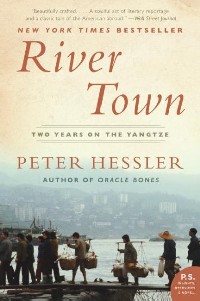
in the heart of china's sichuan province, amid the terraced hills of the yangtze river valley, lies the remote town of fuling. like many other small cities in this ever-evolving country, fuling is heading down a new path of change and growth, which came into remarkably sharp focus when peter hessler arrived as a peace corps volunteer, marking the first time in more than half a century that the city had an american resident. hessler taught english and american literature at the local college, but it was his students who taught him about the complex processes of understanding that take place when one is immersed in a radically different society.
poignant, thoughtful, funny, and enormously compelling, river town is an unforgettable portrait of a city that is seeking to understand both what it was and what it someday will be.
[b][/b]
in 1996, 26-year-old peter hessler arrived in fuling, a town on china's yangtze river, to begin a two-year peace corps stint as a teacher at the local college. along with fellow teacher adam meier, the two are the first foreigners to be in this part of the sichuan province for 50 years. expecting a calm couple of years, hessler at first does not realize the social, cultural, and personal implications of being thrust into a such radically different society. in river town: two years on the yangtze, hessler tells of his experience with the citizens of fuling, the political and historical climate, and the feel of the city itself.
"few passengers disembark at fuling ... and so fuling appears like a break in a dream--the quiet river, the cabins full of travelers drifting off to sleep, the lights of the city rising from the blackness of the yangtze," says hessler. a poor city by chinese standards, the students at the college are mainly from small villages and are considered very lucky to be continuing their education. as an english teacher, hessler is delighted with his students' fresh reactions to classic literature. one student says of hamlet, "i don't admire him and i dislike him. i think he is too sensitive and conservative and selfish." hessler marvels,
you couldn't have said something like that at oxford. you couldn't simply say: i don't like hamlet because i think he's a lousy person. everything had to be more clever than that ... you had to dismantle it ... not just the play itself but everything that had ever been written about it.
over the course of two years, hessler and meier learn more they ever guessed about the lives, dreams, and expectations of the fuling people.
hessler's writing is lovely. his observations are evocative, insightful, and often poignant--and just as often, funny. it's a pleasure to read of his (mis)adventures. hessler returned to the u.s. with a new perspective on modern china and its people. after reading river town, you'll have one, too. --dana van nest
[b]from [i][b]publishers weekly[/i][/b][/b]
. in china, the year 1997 was marked by two momentous events: the death of deng xiaoping, the country's leader for two decades, and the return of hong kong after a century and a half of british rule. a young american who spent two years teaching english literature in a small town on the yangtze, hessler observed these events through two sets of eyes: his own and those of his alter ego, ho wei. hessler sees china's politics and ceremony with the detachment of a foreigner, noting how grand political events affect the lives of ordinary people. the passing of deng, for example, provokes a handful of thoughtful and unexpected essays from hessler's students. the departure of the british from hong kong sparks a conversational "opium war" between him and his nationalist chinese tutor. meanwhile, ho wei, as hessler is known to most of the townspeople, adopts a friendly and unsophisticated persona that allows him to learn the language and culture of his surroundings even as hessler's western self remains estranged. the author conceives this memoir of his time in china as the collaborative effort of his double identity. "ho wei," he writes, "left his notebooks on the desk of peter hessler, who typed everything into his computer. the notebooks were the only thing they truly shared." yet it's clear that, for hessler, ho wei is more than a literary device: to live in china, he felt compelled to subjugate his real identity to a character role. hessler has already been assured the approval of a select audience thanks to the new yorker's recent publication of an excerpt. (feb.)
[b]from [i][b]library journal[/i][/b][/b]
this moving, mesmerizing memoir recounts hessler's two years as a peace corps volunteer teaching english in the city of fuling, located in the heart of china. before hessler's arrival, no one in fuling had seen a foreigner for 50 years. hessler was rudely thrust into this forbidden land, completely isolated from the world as we know it. armed with astute powers of observation, acute sensitivity to cultural differences, and a good command of chinese, he explores the culture, politics, traditions, and ideas of a people completely unknown and mysterious to the western world. hessler also watches as the citydtorn between tradition and the onslaught of modern timesdreacts to the death of deng xiaoping, the return of hong kong to the mainland, and the inevitable construction of the three gorges dam on its beloved, and sacred, yangtze river. this touching memoir of an american dropped into the center of china transcends the boundaries of the travel genre and will appeal to anyone wanting to learn more about the heart and soul of the chinese people. highly recommended.
-dmelinda stivers leach, precision editorial svcs., wondervu, co
[b]from [i][b]booklist[/i][/b][/b]
american peter hessler arrives in fuling, an industrial town on the yangtze river in communist china. he teaches english and literature at a local college, where he is viewed as waiguoron, or foreigner, someone who must be viewed with suspicion and preferably at a distance. he gradually is able to break through some of the obstacles and form friendships with a number of locals. hessler is in china during a time of tremendous internal change--the death of deng xiaoping, the return of hong kong from great britain to china, and the three gorges project. he describes some frightening times. once a band of local chinese police visited him in the middle of the night. he and his fellow worker adam unwittingly attract and then incite a hostile local crowd. then there is the sheer physical discomfort of spending much of 50 hours standing on a chinese train. this is a colorful memoir from a peace corps volunteer who came away with more understanding of the chinese than any foreign traveler has a right to expect.
marlene chamberlain
[b]book dimension[/b]
length: (cm)19.7 width:(cm)13.3
目录
PART I: Downstream --The city
Shakespeare with Chinese characteristics
Raise the Flag Mountain
Running
The White Crane Ridge --The dam
The Wu River
Opium Wars
White Flat Mountain
Storm
PART II: Summer
The priest
Chinese life
The restaurant owner
Money
The teacher
Chinese New Year
The land
Spring again
The river
Upstream.
Shakespeare with Chinese characteristics
Raise the Flag Mountain
Running
The White Crane Ridge --The dam
The Wu River
Opium Wars
White Flat Mountain
Storm
PART II: Summer
The priest
Chinese life
The restaurant owner
Money
The teacher
Chinese New Year
The land
Spring again
The river
Upstream.
西宁市志,历史部分:征求意见稿[地方志]
- 名称
- 类型
- 大小
光盘服务联系方式: 020-38250260 客服QQ:4006604884
云图客服:
用户发送的提问,这种方式就需要有位在线客服来回答用户的问题,这种 就属于对话式的,问题是这种提问是否需要用户登录才能提问
Video Player
×
Audio Player
×
pdf Player
×
