

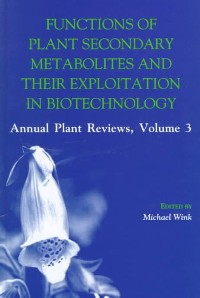
Functions of plant secondary metabolites and their exploitation in biotechnology /
副标题:无
分类号:
ISBN:9780849340864
微信扫一扫,移动浏览光盘
简介
"To understand the structural variability of secondary metabolites, their ecological function and their potential exploitation in biotechnology, detailed information is required on their biochemistry, pharmacology and ecology. This volume starts with an overview of the modes of action of defensive secondary metabolites, followed by detailed surveys of chemical defence in marine ecosystems, the biochemistry of induced defence, plant-microbe interactions, and medical applications. A chapter is included on biotechnological aspects of producing valuable secondary metabolites in plant cell and organ cultures." "The book is designed for use by advanced students, researchers and professionals in plant biochemistry, physiology, molecular biology, genetics, pharmacology, medicine, pharmacy and agriculture working in the academic and industrial sectors, including the pesticide and pharmaceutical industries."--BOOK JACKET.
目录
Table Of Contents:
1 Introduction: biochemistry, role and biotechnology of secondary metabolites 1(16)
M. WINK
1.1 Function of secondary metabolites 1(2)
1.2 Presence of defence and singal compounds at the right time and place 3(6)
1.3 Biotechnology of secondary metabolites 9(5)
1.4 Conclusions 14(1)
References 14(3)
2 Modes of action of defensive secondary metabolites 17(117)
M. WINK
O. SCHIMMER
2.1 Introduction 17(3)
2.2 Interference of secondary metabolites with neuronal signalling 20(42)
2.2.1 Basic elements of neuronal signalling 20(5)
2.2.2 Interactions of allelochemicals with individual steps of neurosignalling 25(37)
2.3 Interference of secondary metabolites with DNA and related targets 62(34)
2.3.1 Intercalation 62(5)
2.3.2 Secondary plant metabolites with mutagenic and carcinogenic properties 67(28)
2.3.3 Outlook 95(1)
2.4 Interference with molecular targets other than those related to neurotransmission or DNA 96(10)
2.4.1 Cytoskeleton 96(1)
2.4.2 Protein biosynthesis 96(2)
2.4.3 Electron chains 98(1)
2.4.4 Interaction with multiple targets 98(8)
2.5 Accumulation of allelochemicals in plants 106(4)
2.5.1 The importance of high concentrations 106(1)
2.5.2 Variability and timing of accumulation of defence chemicals in vulnerable tissues 107(2)
2.5.3 Cost of chemical defence 109(1)
2.6 Animal responses: detoxification mechanisms and adaptations 110(2)
2.7 Concluding remarks 112(1)
References 112(22)
3 Chemical defence in marine ecosystems 134(21)
P. PROKSCH
3.1 Introduction 134(1)
3.2 Marine natural products in allelopathic interactions 135(2)
3.3 Chemical defence against fouling 137(2)
3.4 Chemical defences of marine invertebrates and algae against consumers 139(4)
3.5 Favoured allocation of defensive metabolites in vulnerable and valuable parts of marine invertebrates: examples in support of the `apparency model' and `optimal defence theory' 143(2)
3.6 The flexible response: stress-induced accumulation of defence metabolites and activation of protoxins 145(3)
3.7 Geographical patterns of palatability and consumer resistance 148(1)
3.8 Conclusions and outlook 149(1)
Acknowledgements 150(1)
References 151(4)
4 The jasmonate cascade and the complexity of induced defence against herbivore attack 155(32)
I.T. BALDWIN
4.1 Introduction: a comparison with pathogen-induced defences 155(2)
4.2 Induced resistance and tolerance 157(19)
4.2.1 Herbivore- and wound-induced responses 161(2)
4.2.2 Jasmonate-induced responses function defensively but are also costly to plant fitness 163(5)
4.2.3 Jasmonate-induced direct defenses 168(3)
4.2.4 Jasmonate-induced indirect defenses 171(2)
4.2.5 Can the jasmonate cascade mediate herbivore-specific responses? 173(3)
4.3 Conclusions and future directions 176(2)
Acknowledgements 178(1)
References 178(9)
5 Plant-microbe interactions and secondary metabolites with antiviral, antibacterial and antifungal properties 187(87)
J. REICHLING
5.1 Introduction 187(1)
5.2 Induced local defence by means of phytoalexins 188(11)
5.2.1 The phytoalexins 188(9)
5.2.2 Elicitors 197(1)
5.2.3 Specificity of phytoalexin accumulation 198(1)
5.3 Antibacterial and antifungal agents of higher plants 199(32)
5.3.1 Essential oils and antimicrobial activity 200(4)
5.3.2 Isolated secondary plant metabolites with antimicrobial properties 204(27)
5.4 Secondary metabolites from higher plants with antiviral properties 231(25)
5.4.1 Isolated secondary metabolites with anti-HIV properties 232(22)
5.4.2 Isolated secondary metabolites with further antiviral properties 254(2)
5.5 Conclusions 256(1)
References 257(17)
6 New medical applications of plant secondary metabolites 274(37)
J. HEILMANN
R. BAUER
6.1 Introduction 274(1)
6.2 Compounds with anticancer activity 274(11)
6.3 Antiviral compounds 285(5)
6.4 Antimalarial drugs 290(2)
6.5 Anti-inflammatory drugs 292(1)
6.6 Antidepressant drugs 293(2)
6.7 Anti-ischaemic drugs 295(1)
6.8 Immunostimulatory drugs 296(1)
6.9 Conclusion 297(1)
References 298(13)
7 Production of secondary metabolites in cell and differentiated organ cultures 311(36)
N.J. WALTON
A.W. ALFERMANN
M.J.C. RHODES
7.1 Introduction 311(3)
7.2 Production of natural products by plant cell cultures 314(5)
7.2.1 Production of known compounds 314(1)
7.2.2 Production by cell cultures of new compounds not yet found in nature 315(1)
7.2.3 Biotransformations of natural compounds by plant cell cultures 316(1)
7.2.4 Production of recombinant proteins by cell cultures 317(1)
7.2.5 Use of plant cell cultures to study the biosynthesis of natural products at the biochemical and molecular-genetic levels 317(1)
7.2.6 Problems 318(1)
7.3 Differentiated organ cultures 319(16)
7.3.1 Untransformed root cultures 319(1)
7.3.2 Transformed root cultures 320(3)
7.3.3 Normal and transformed shoot cultures 323(1)
7.3.4 Current limitations on the production of secondary metabolites in differentiated organ cultures 324(4)
7.3.5 Modifying and improving the production of secondary metabolites in differentiated organ cultures 328(7)
7.4 Outlook 335(1)
References 335(12)
Index 347
1 Introduction: biochemistry, role and biotechnology of secondary metabolites 1(16)
M. WINK
1.1 Function of secondary metabolites 1(2)
1.2 Presence of defence and singal compounds at the right time and place 3(6)
1.3 Biotechnology of secondary metabolites 9(5)
1.4 Conclusions 14(1)
References 14(3)
2 Modes of action of defensive secondary metabolites 17(117)
M. WINK
O. SCHIMMER
2.1 Introduction 17(3)
2.2 Interference of secondary metabolites with neuronal signalling 20(42)
2.2.1 Basic elements of neuronal signalling 20(5)
2.2.2 Interactions of allelochemicals with individual steps of neurosignalling 25(37)
2.3 Interference of secondary metabolites with DNA and related targets 62(34)
2.3.1 Intercalation 62(5)
2.3.2 Secondary plant metabolites with mutagenic and carcinogenic properties 67(28)
2.3.3 Outlook 95(1)
2.4 Interference with molecular targets other than those related to neurotransmission or DNA 96(10)
2.4.1 Cytoskeleton 96(1)
2.4.2 Protein biosynthesis 96(2)
2.4.3 Electron chains 98(1)
2.4.4 Interaction with multiple targets 98(8)
2.5 Accumulation of allelochemicals in plants 106(4)
2.5.1 The importance of high concentrations 106(1)
2.5.2 Variability and timing of accumulation of defence chemicals in vulnerable tissues 107(2)
2.5.3 Cost of chemical defence 109(1)
2.6 Animal responses: detoxification mechanisms and adaptations 110(2)
2.7 Concluding remarks 112(1)
References 112(22)
3 Chemical defence in marine ecosystems 134(21)
P. PROKSCH
3.1 Introduction 134(1)
3.2 Marine natural products in allelopathic interactions 135(2)
3.3 Chemical defence against fouling 137(2)
3.4 Chemical defences of marine invertebrates and algae against consumers 139(4)
3.5 Favoured allocation of defensive metabolites in vulnerable and valuable parts of marine invertebrates: examples in support of the `apparency model' and `optimal defence theory' 143(2)
3.6 The flexible response: stress-induced accumulation of defence metabolites and activation of protoxins 145(3)
3.7 Geographical patterns of palatability and consumer resistance 148(1)
3.8 Conclusions and outlook 149(1)
Acknowledgements 150(1)
References 151(4)
4 The jasmonate cascade and the complexity of induced defence against herbivore attack 155(32)
I.T. BALDWIN
4.1 Introduction: a comparison with pathogen-induced defences 155(2)
4.2 Induced resistance and tolerance 157(19)
4.2.1 Herbivore- and wound-induced responses 161(2)
4.2.2 Jasmonate-induced responses function defensively but are also costly to plant fitness 163(5)
4.2.3 Jasmonate-induced direct defenses 168(3)
4.2.4 Jasmonate-induced indirect defenses 171(2)
4.2.5 Can the jasmonate cascade mediate herbivore-specific responses? 173(3)
4.3 Conclusions and future directions 176(2)
Acknowledgements 178(1)
References 178(9)
5 Plant-microbe interactions and secondary metabolites with antiviral, antibacterial and antifungal properties 187(87)
J. REICHLING
5.1 Introduction 187(1)
5.2 Induced local defence by means of phytoalexins 188(11)
5.2.1 The phytoalexins 188(9)
5.2.2 Elicitors 197(1)
5.2.3 Specificity of phytoalexin accumulation 198(1)
5.3 Antibacterial and antifungal agents of higher plants 199(32)
5.3.1 Essential oils and antimicrobial activity 200(4)
5.3.2 Isolated secondary plant metabolites with antimicrobial properties 204(27)
5.4 Secondary metabolites from higher plants with antiviral properties 231(25)
5.4.1 Isolated secondary metabolites with anti-HIV properties 232(22)
5.4.2 Isolated secondary metabolites with further antiviral properties 254(2)
5.5 Conclusions 256(1)
References 257(17)
6 New medical applications of plant secondary metabolites 274(37)
J. HEILMANN
R. BAUER
6.1 Introduction 274(1)
6.2 Compounds with anticancer activity 274(11)
6.3 Antiviral compounds 285(5)
6.4 Antimalarial drugs 290(2)
6.5 Anti-inflammatory drugs 292(1)
6.6 Antidepressant drugs 293(2)
6.7 Anti-ischaemic drugs 295(1)
6.8 Immunostimulatory drugs 296(1)
6.9 Conclusion 297(1)
References 298(13)
7 Production of secondary metabolites in cell and differentiated organ cultures 311(36)
N.J. WALTON
A.W. ALFERMANN
M.J.C. RHODES
7.1 Introduction 311(3)
7.2 Production of natural products by plant cell cultures 314(5)
7.2.1 Production of known compounds 314(1)
7.2.2 Production by cell cultures of new compounds not yet found in nature 315(1)
7.2.3 Biotransformations of natural compounds by plant cell cultures 316(1)
7.2.4 Production of recombinant proteins by cell cultures 317(1)
7.2.5 Use of plant cell cultures to study the biosynthesis of natural products at the biochemical and molecular-genetic levels 317(1)
7.2.6 Problems 318(1)
7.3 Differentiated organ cultures 319(16)
7.3.1 Untransformed root cultures 319(1)
7.3.2 Transformed root cultures 320(3)
7.3.3 Normal and transformed shoot cultures 323(1)
7.3.4 Current limitations on the production of secondary metabolites in differentiated organ cultures 324(4)
7.3.5 Modifying and improving the production of secondary metabolites in differentiated organ cultures 328(7)
7.4 Outlook 335(1)
References 335(12)
Index 347
Functions of plant secondary metabolites and their exploitation in biotechnology /
- 名称
- 类型
- 大小
光盘服务联系方式: 020-38250260 客服QQ:4006604884
云图客服:
用户发送的提问,这种方式就需要有位在线客服来回答用户的问题,这种 就属于对话式的,问题是这种提问是否需要用户登录才能提问
Video Player
×
Audio Player
×
pdf Player
×
