

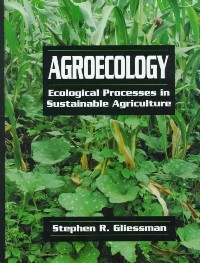
Agroecology : ecological processes in sustainable agriculture /
副标题:无
作 者:Stephen R. Gliessman ; editor, Eric Engles ; technical illustrator, Eric Engles ; contributing wr...
分类号:
ISBN:9781575040431
微信扫一扫,移动浏览光盘
简介
Agroecology is defined as the application of ecological concepts and principles to the design and management of sustainable agroecosystems. This definitive book provides the theoretical and conceptual framework for the study and analysis of agroecosystems.
The author builds upon the understanding of the complex factors of the environment as they affect agricultural crops and animals. It examines concepts at a systems level, focusing on interactions and interrelationships on the population, community, and ecosystem levels.
Informative case studies demonstrate how ecology can be applied to agriculture. Each chapter concludes with questions to ensure a complete understanding of the information. Recommended readings are provided for those interested in advanced study.
Features
目录
Table Of Contents:
I. INTRODUCTION TO AGROECOLOGY 3(28)
1. The Need for Sustainable Food Production Systems 3(14)
Practices of Conventional Agriculture 3(3)
Why Conventional Agriculture Is Not Sustainable 6(5)
Running Out of Solutions 11(1)
The Path Toward Sustainability 12(2)
Special Topic: The History of Agroecology 14(3)
2. The Agroecosystem Concept 17(14)
Structure of Natural Ecosystems 17(3)
Functioning of Natural Ecosystems 20(4)
Agroecosystems 24(7)
II. PLANTS AND ENVIRONMENTAL FACTORS 31(146)
3. The Plant 31(10)
Plant Nutrition 31(7)
The Plant in Its Interaction with the Environment 38(3)
4. Light 41(16)
Solar Radiation 41(1)
The Atmosphere as Filter and Reflector 42(1)
The Ecological Significance of Light on Earth 42(1)
Special Topic: Ozone Depletion 43(1)
Characteristics of Visible Light Exposure 44(1)
Determinants of Variations in the Light Environment 45(3)
Photosynthetic Rate 48(2)
Other Forms of Response to Light 50(2)
Managing the Light Environment in Agroecosystems 52(5)
5. Temperature 57(14)
The Sun as the Source of Heat Energy on Earth 57(1)
Special Topic: Causes and Consequences of Global Warming 58(1)
Patterns of Temperature Variation on the Earth's Surface 58(4)
Responses of Plants to Temperature 62(2)
Microclimate and Agriculture 64(7)
6. Humidity and Rainfall 71(14)
Water Vapor in the Atmosphere 71(1)
Precipitation 72(3)
Special Topic: Acid Precipitation 75(1)
Rainfed Agroecosystems 76(6)
Case Study: Hopi Agriculture 82(3)
7. Wind 85(14)
Atmospheric Movement 85(1)
Local Winds 86(1)
Direct Effects of Wind on Plants 87(1)
Other Effects of Wind 88(2)
Modifying and Harnessing Wind in Agroecosystems 90(9)
8. Soil 99(18)
Processes of Soil Formation and Development 99(2)
Soil Horizons 101(2)
Soil Characteristics 103(4)
Soil Nutrients 107(2)
Soil Organic Matter 109(1)
Soil Managment 110(5)
Case Study: Soil Management in the Hillside Terrace Systems of Tlaxcala, Mexico 115(2)
9. Water in the Soil 117(17)
Movement of Water Into and Out of the Soil 117(2)
Soil Moisture Availability 119(1)
Plants' Uptake of Soil Moisture 120(1)
Excess Water in the Soil 121(3)
Case Study: Pre-Hispanic Raised-Field Systems of Quintana Roo, Mexico 124(1)
Soil Water Deficiency 125(1)
The Ecology of Irrigation 125(2)
Optimizing Use of the Water Resource 127(7)
10. Fire 134(15)
Fire in Natural Ecosystems 134(1)
Effects of Fire on Soil 135(2)
Plant Adaptations to Fire 137(1)
Fire in Agroecosystems 137(12)
11. Biotic Factors 149(18)
The Organism-Organism Perspective 149(2)
The Organism-Environment-Organism Perspective 151(7)
Allelopathic Modification of the Environment 158(1)
Special Topic: The History of the Study of Allelopathy 158(6)
Conclusions 164(3)
12. The Environmental Complex 167(10)
The Environment as a Complex of Factors 167(3)
Heterogeneity of the Environment 170(1)
Interaction of Environmental Factors 171(1)
Managing Complexity 172(5)
III. SYSTEM-LEVEL INTERACTIONS 177(122)
13. Population Processes in Agriculture: Dispersal, Establishment, and the Ecological Niche 177(17)
Principles of Population Ecology and Plant Demography 177(6)
Special Topic: Developing a Perennial Grain Crop 183(2)
Ecological Niche 185(2)
Applications of Niche Theory to Agriculture 187(1)
Case Study: Broccoli and Lettuce Intercrop 188(1)
Population Ecology--A Crop Perspective 189(5)
14. Genetic Resources in Agroecosystems 194(19)
Genetic Change in Nature and the Production of Genetic Diversity 194(2)
Directed Selection and Domestication 196(1)
Special Topic: Origins of Agriculture 197(4)
Speical Topic: Benefits and Risks of Genetic Engineering 201(6)
Breeding for Sustainability 207(6)
15. Species Interactions in Crop Communities 213(14)
Interference at the Community Level 213(3)
Special Topic: History of the Study of Mutualism 216(1)
Mutually Beneficial Inteferences at Work in Agroecosystems 217(3)
Case Study: Cover-Cropping with Rye and Bellbeans 220(1)
Case Study: Mustard Cover Crop for Fuji Apples 221(3)
Using Species Interactions for Sustainability 224(3)
16. Agroecosystem Diversity and Stability 227(22)
Whole-System Approaches and Opportunities 227(2)
Special Topic: Rhizobium Bacteria, Legumes, and the Nitrogen Cycle 229(1)
Ecological Diversity 230(8)
Evaluating Crop Diversity and Its Benefits 238(5)
Colonization and Diversity 243(1)
Case Study: Effect of Weed Borders on Insect Colonization of a Cauliflower Field 244(1)
Diversity, Stability, and Sustainability 245(4)
17. Disturbance, Succession, and Agroecosystem Management 249(20)
Disturbance and Recovery in Natural Ecosystems 249(4)
Applications to Agroecosystem Management 253(5)
Agroforestry Systems 258(2)
Case Study: Effect of Trees on Soil in Tlaxcala, Mexico 260(6)
Disturbance, Recovery, and Sustainability 266(3)
18. The Energetics of Agroecosystems 269(16)
Energy and the Laws of Thermodynamics 269(1)
Capture of Solar Energy 270(2)
Energy Inputs in Food Production 272(7)
Toward Sustainable Use of Energy in Agroecosystems 279(3)
Case Study: The Energetics of Strawberry Production in Santa Cruz, California and Nanjing, China 282(3)
19. Interaction Between Agroecosystems and Natural Ecosystems 285(14)
The Agricultural Landscape 285(3)
Management at the Level of the Landscape 288(1)
Case Study: Landscape Diversity in Tlaxcala, Mexico 289(4)
Role of Agriculture in Protecting Regional and Global Biodiversity 293(1)
Special Topic: The Sustainable Biosphere Initiative 294(5)
IV. MAKING THE TRANSITION TO SUSTAINABILITY 299(28)
20. Achieving Sustainability 299(16)
Learning from Existing Sustainable Systems 299(3)
Converting to Sustainable Practices 302(4)
Case Study: Conversion to Organic Apple Production 306(1)
Establishing Criteria for Agricultural Sustainability 306(7)
Case Study: Sustainability in a Chinese Village Agroecosystem 313(2)
21. From Sustainable Agriculture to Sustainable Food Systems 315(12)
A Broader Agenda 315(4)
Toward Food System Sustainability 319(8)
References 327(12)
Glossary 339(8)
Index 347
I. INTRODUCTION TO AGROECOLOGY 3(28)
1. The Need for Sustainable Food Production Systems 3(14)
Practices of Conventional Agriculture 3(3)
Why Conventional Agriculture Is Not Sustainable 6(5)
Running Out of Solutions 11(1)
The Path Toward Sustainability 12(2)
Special Topic: The History of Agroecology 14(3)
2. The Agroecosystem Concept 17(14)
Structure of Natural Ecosystems 17(3)
Functioning of Natural Ecosystems 20(4)
Agroecosystems 24(7)
II. PLANTS AND ENVIRONMENTAL FACTORS 31(146)
3. The Plant 31(10)
Plant Nutrition 31(7)
The Plant in Its Interaction with the Environment 38(3)
4. Light 41(16)
Solar Radiation 41(1)
The Atmosphere as Filter and Reflector 42(1)
The Ecological Significance of Light on Earth 42(1)
Special Topic: Ozone Depletion 43(1)
Characteristics of Visible Light Exposure 44(1)
Determinants of Variations in the Light Environment 45(3)
Photosynthetic Rate 48(2)
Other Forms of Response to Light 50(2)
Managing the Light Environment in Agroecosystems 52(5)
5. Temperature 57(14)
The Sun as the Source of Heat Energy on Earth 57(1)
Special Topic: Causes and Consequences of Global Warming 58(1)
Patterns of Temperature Variation on the Earth's Surface 58(4)
Responses of Plants to Temperature 62(2)
Microclimate and Agriculture 64(7)
6. Humidity and Rainfall 71(14)
Water Vapor in the Atmosphere 71(1)
Precipitation 72(3)
Special Topic: Acid Precipitation 75(1)
Rainfed Agroecosystems 76(6)
Case Study: Hopi Agriculture 82(3)
7. Wind 85(14)
Atmospheric Movement 85(1)
Local Winds 86(1)
Direct Effects of Wind on Plants 87(1)
Other Effects of Wind 88(2)
Modifying and Harnessing Wind in Agroecosystems 90(9)
8. Soil 99(18)
Processes of Soil Formation and Development 99(2)
Soil Horizons 101(2)
Soil Characteristics 103(4)
Soil Nutrients 107(2)
Soil Organic Matter 109(1)
Soil Managment 110(5)
Case Study: Soil Management in the Hillside Terrace Systems of Tlaxcala, Mexico 115(2)
9. Water in the Soil 117(17)
Movement of Water Into and Out of the Soil 117(2)
Soil Moisture Availability 119(1)
Plants' Uptake of Soil Moisture 120(1)
Excess Water in the Soil 121(3)
Case Study: Pre-Hispanic Raised-Field Systems of Quintana Roo, Mexico 124(1)
Soil Water Deficiency 125(1)
The Ecology of Irrigation 125(2)
Optimizing Use of the Water Resource 127(7)
10. Fire 134(15)
Fire in Natural Ecosystems 134(1)
Effects of Fire on Soil 135(2)
Plant Adaptations to Fire 137(1)
Fire in Agroecosystems 137(12)
11. Biotic Factors 149(18)
The Organism-Organism Perspective 149(2)
The Organism-Environment-Organism Perspective 151(7)
Allelopathic Modification of the Environment 158(1)
Special Topic: The History of the Study of Allelopathy 158(6)
Conclusions 164(3)
12. The Environmental Complex 167(10)
The Environment as a Complex of Factors 167(3)
Heterogeneity of the Environment 170(1)
Interaction of Environmental Factors 171(1)
Managing Complexity 172(5)
III. SYSTEM-LEVEL INTERACTIONS 177(122)
13. Population Processes in Agriculture: Dispersal, Establishment, and the Ecological Niche 177(17)
Principles of Population Ecology and Plant Demography 177(6)
Special Topic: Developing a Perennial Grain Crop 183(2)
Ecological Niche 185(2)
Applications of Niche Theory to Agriculture 187(1)
Case Study: Broccoli and Lettuce Intercrop 188(1)
Population Ecology--A Crop Perspective 189(5)
14. Genetic Resources in Agroecosystems 194(19)
Genetic Change in Nature and the Production of Genetic Diversity 194(2)
Directed Selection and Domestication 196(1)
Special Topic: Origins of Agriculture 197(4)
Speical Topic: Benefits and Risks of Genetic Engineering 201(6)
Breeding for Sustainability 207(6)
15. Species Interactions in Crop Communities 213(14)
Interference at the Community Level 213(3)
Special Topic: History of the Study of Mutualism 216(1)
Mutually Beneficial Inteferences at Work in Agroecosystems 217(3)
Case Study: Cover-Cropping with Rye and Bellbeans 220(1)
Case Study: Mustard Cover Crop for Fuji Apples 221(3)
Using Species Interactions for Sustainability 224(3)
16. Agroecosystem Diversity and Stability 227(22)
Whole-System Approaches and Opportunities 227(2)
Special Topic: Rhizobium Bacteria, Legumes, and the Nitrogen Cycle 229(1)
Ecological Diversity 230(8)
Evaluating Crop Diversity and Its Benefits 238(5)
Colonization and Diversity 243(1)
Case Study: Effect of Weed Borders on Insect Colonization of a Cauliflower Field 244(1)
Diversity, Stability, and Sustainability 245(4)
17. Disturbance, Succession, and Agroecosystem Management 249(20)
Disturbance and Recovery in Natural Ecosystems 249(4)
Applications to Agroecosystem Management 253(5)
Agroforestry Systems 258(2)
Case Study: Effect of Trees on Soil in Tlaxcala, Mexico 260(6)
Disturbance, Recovery, and Sustainability 266(3)
18. The Energetics of Agroecosystems 269(16)
Energy and the Laws of Thermodynamics 269(1)
Capture of Solar Energy 270(2)
Energy Inputs in Food Production 272(7)
Toward Sustainable Use of Energy in Agroecosystems 279(3)
Case Study: The Energetics of Strawberry Production in Santa Cruz, California and Nanjing, China 282(3)
19. Interaction Between Agroecosystems and Natural Ecosystems 285(14)
The Agricultural Landscape 285(3)
Management at the Level of the Landscape 288(1)
Case Study: Landscape Diversity in Tlaxcala, Mexico 289(4)
Role of Agriculture in Protecting Regional and Global Biodiversity 293(1)
Special Topic: The Sustainable Biosphere Initiative 294(5)
IV. MAKING THE TRANSITION TO SUSTAINABILITY 299(28)
20. Achieving Sustainability 299(16)
Learning from Existing Sustainable Systems 299(3)
Converting to Sustainable Practices 302(4)
Case Study: Conversion to Organic Apple Production 306(1)
Establishing Criteria for Agricultural Sustainability 306(7)
Case Study: Sustainability in a Chinese Village Agroecosystem 313(2)
21. From Sustainable Agriculture to Sustainable Food Systems 315(12)
A Broader Agenda 315(4)
Toward Food System Sustainability 319(8)
References 327(12)
Glossary 339(8)
Index 347
Agroecology : ecological processes in sustainable agriculture /
- 名称
- 类型
- 大小
光盘服务联系方式: 020-38250260 客服QQ:4006604884
云图客服:
用户发送的提问,这种方式就需要有位在线客服来回答用户的问题,这种 就属于对话式的,问题是这种提问是否需要用户登录才能提问
Video Player
×
Audio Player
×
pdf Player
×
