

简介
Summary:
Publisher Summary 1
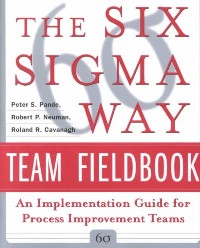
This companion guide to the bestselling The Six Sigma Wayfocuses on the project improvement teams that do the real, in-the-trenches work of Six Sigma鈥攎easuring performance, improving quality and saving millions in the process.The Six Sigma Way Team Fieldbookis a highly practical reference for team leaders and members, outlining both the methods that have made Six Sigma successful and the basic steps a team must follow in an improvement effort. Written by three veteran trainers of Six Sigma 鈥淏lack Belts鈥?and teams at GE, Sun Microsystems, and Sears, this hands-on guide helps teams obtain the skills they need to identify a product, service, or process that needs improvement or redesign; gather data on the process and the rate of defects; find ways to improve quality up to a Six Sigma level鈥攋ust 3.4 defects per million; and much more.* Includes dozens of data-gathering forms and Six Sigma tools and worksheets
* Describes key improvement methods in a concise 鈥渉ow-to鈥?format with checklists and tips
Publisher Summary 2
This companion guide to the bestselling The Six Sigma Way focuses on the project improvement teams that do the real, in-the-trenches work of Six Sigma鈥攎easuring performance, improving quality and saving millions in the process.The Six Sigma Way Team Fieldbook is a highly practical reference for team leaders and members, outlining both the methods that have made Six Sigma successful and the basic steps a team must follow in an improvement effort. Written by three veteran trainers of Six Sigma 鈥淏lack Belts鈥?and teams at GE, Sun Microsystems, and Sears, this hands-on guide helps teams obtain the skills they need to identify a product, service, or process that needs improvement or redesign; gather data on the process and the rate of defects; find ways to improve quality up to a Six Sigma level鈥攋ust 3.4 defects per million; and much more.* Includes dozens of data-gathering forms and Six Sigma tools and worksheets* Describes key improvement methods in a concise 鈥渉ow-to鈥?format with checklists and tips
目录
Preface p. xiii
What a Six Sigma Project Team Needs to Know Before It Gets Started p. 1
The Six Sigma System p. 3
What Is Six Sigma? p. 4
System Alignment: Tracking the Xs and Ys p. 7
Six Ingredients of Six Sigma p. 8
Moving Forward p. 11
Eyes on the Prize: Using Six Sigma Teams as a Learning Tool p. 11
Three Ways to Six Sigma p. 13
Process Improvement: Finding Targeted Solutions p. 14
Process Design/Redesign p. 16
Process Management for Six Sigma Leadership p. 19
Using All Three Strategies p. 21
Choosing a Six Sigma Approach p. 22
Organizing for Six Sigma p. 23
The Leadership Group or Council p. 24
Project Sponsors and Champions p. 25
The Implementation Leader p. 26
The Six Sigma Coach (Master Black Belt) p. 26
The Team or Project Leader (Black Belt) p. 27
Team Members p. 28
The Process Owner p. 29
Black Belts, Master Black Belts, and Green Belts p. 30
Conclusion p. 31
Selecting Winning Six Sigma Projects p. 32
Start Simply When Learning a New Language p. 33
Three Project Selection Essentials p. 34
Project Selection Process p. 35
Do's and Don'ts When Selecting Projects p. 43
A Basic Toolkit for Team Leaders p. 44
Understanding Team Dynamics: The Evolution of Six Sigma Teams p. 44
Facilitation Skills p. 46
Meeting Tips for Six Sigma Teams p. 47
Basic Discussion Skills p. 51
Data Collection: The Right Tool for the Right Time p. 62
Organizational Communication p. 63
Getting Started p. 66
First Team Meeting Agenda p. 68
The Path Forward p. 70
Leading a Six Sigma Project Team Through DMAIC p. 71
The Define Stage
Define the Opportunity p. 73
Update and Expand Your DMAIC Project Charter p. 74
Charter Do's and Don'ts p. 79
Identify Customer Requirements p. 82
Defining Requirements Do's and Don'ts p. 92
Identifying and Documenting the Process p. 93
SIPOC Do's and Don'ts p. 96
Finishing Your Define Work p. 98
Power Tools for "Define" p. 101
DMAIC Project Charter Worksheet p. 102
Problem/Opportunity Statement Worksheet p. 102
DMAIC Project Plan Worksheet p. 105
Gantt Chart p. 107
Project Stakeholder Analysis Worksheet p. 109
Service or Output Requirement Instructions p. 110
Requirement Statement Worksheet p. 111
Kano Analysis Instructions p. 112
SIPOC Analysis and Map p. 114
Define Completion Checklist p. 117
Define Tollgate Preparation Worksheet p. 118
The QFD Cycle p. 120
Coming Together as a Team p. 123
Tips for the Forming Stage p. 123
Troubleshooting and Problem Prevention for Define p. 124
The Measure Stage
Measuring Process Performance p. 127
Basic Measurement Concepts p. 128
Two Components of Measure p. 133
Getting Ready for Analyze p. 157
Power Tools for "Measure" p. 160
Measurement Planning Worksheet p. 162
CTQ Tree p. 164
Stratification Factors p. 165
Measurement Assessment Tree p. 166
Operational Definition Worksheet p. 167
Process and Population Sampling p. 170
Daily and Weekly Sampling Charts p. 174
Checksheet Development Instructions p. 175
Sigma Calculation Worksheet p. 177
Proportion Defective and Yield Calculation Instructions p. 180
Cost of Poor Quality (COPQ) Calculations p. 181
Measure Checklist p. 182
Tollgate Preparation Worksheet p. 184
Tracking Long-Term Variation and Process Shifts p. 186
Guiding the Six Sigma Team in the Measure Stage p. 191
The Anatomy of Team Storming p. 192
Troubleshooting and Problem Prevention for Measure p. 194
Measure Do's and Don'ts p. 195
The Analyze Stage
Analyzing Data and Investigating Causes p. 197
Becoming a Defect Detective p. 200
Data Analysis: Exploring p. 202
Data Analysis: Generating Hypotheses About Causes p. 213
Data Analysis: Verifying Causes p. 218
Process Analysis: Exploring p. 223
Process Analysis: Generating Hypotheses About Causes p. 224
Process Analysis: Verifying Causes p. 227
Advanced Analytical Tools p. 229
Getting Ready for Improve p. 231
Power Tools for "Analyze" p. 235
Pareto Analysis and Chart p. 236
Run Chart, Trend Chart, Time Plot p. 238
Histogram or Frequency Plot p. 244
Cause-and-Effect Analysis (Fishbone or Ishikawa Diagram) p. 250
Relations Diagram p. 252
Scatter Plot or Correlation Diagram p. 254
Stratified Charts p. 255
Process Manipulation/Experimentation Worksheet p. 258
Detailed Process Maps or Flowcharts p. 261
Cross-Functional or Deployment Process Map p. 263
Process Value and Time Analysis p. 265
Analyze Checklist p. 266
Analyze Tollgate Preparation Worksheet p. 266
Hypothesis Testing: Determining Statistical Significance p. 270
Regression and Correlation Analysis p. 274
Exploring Complex Relationships: Using Design of Experiments to Screen, Verify, or Quantify Causes p. 277
Normal Data and Team Norms p. 280
Draw Attention to Team Progress p. 281
Build Momentum by Fixing "Low-Hanging Fruit" p. 281
Revisit and Update Team Ground Rules p. 282
Pay More Attention to How the Team Works Together p. 283
Troubleshooting and Problem Prevention for Analyze p. 284
The Improve Stage
Improving the Process p. 286
Steps to Workable, Effective Solutions p. 288
Generate Creative Solution Ideas: Learning to be Practically Impossible p. 288
Cook the Raw Ideas: Synthesizing Solution Ideas p. 292
Select a Solution p. 294
Pilot Test p. 297
Implement Full-Scale p. 301
Getting Ready for Control p. 302
Power Tools for "Improve" p. 305
Advanced Creativity Techniques p. 306
Assumption Busting p. 309
The Practicality Scale p. 310
Tree Diagram for Solution Development p. 312
Impact/Effort Matrix p. 314
Criteria or Decision Matrix p. 315
Force Field Analysis p. 317
Pilot Planning Checklist p. 319
Pilot Testing Debrief p. 321
Improve Checklist p. 322
Improve Tollgate Preparation Worksheet p. 324
FMEA (Failure Modes and Effects Analysis) p. 326
Design of Experiments (DOE) p. 329
"At Last We're a Team!" p. 330
Building Stakeholder Support (The Politics of Successful Change) p. 332
If a Tree Falls in the Woods ... p. 337
Improving the Team's Own Processes p. 338
Troubleshooting and Problem Prevention for Improve p. 338
Improve Do's and Don'ts p. 340
The Control Stage
Control and Process Management p. 341
Discipline p. 342
Documenting the Improvement p. 342
Keeping Score: Establishing Ongoing Process Measures p. 344
Going the Next Step: Building a Process Management Plan p. 349
Ending the Project p. 351
Power Tools for "Control" p. 353
Process Documentation Checklist p. 354
Control Charts p. 354
Process Management Chart p. 362
Response Plan Worksheet p. 363
Process Dashboards p. 364
Control Checklist p. 365
Control Tollgate Preparation Worksheet p. 366
Guiding Your Team in the Control Stage p. 370
Troubleshooting and Problem Prevention for Control p. 371
Control Do's and Don'ts p. 371
Six Sigma Process Design/Redesign p. 373
Think Before You Act p. 374
Implementing a Design/Redesign Project p. 376
Before You Begin: Have a Vision p. 377
Define the Design/Redesign Goal, Scope, and Requirements p. 379
Measure to Establish Baseline Performance p. 381
Analyze the Critical Elements p. 382
Improve: Designing and Implementing the New Process p. 384
Control the New Process p. 391
Other Elements of the Design/Redesign Path p. 392
Index p. 393
What a Six Sigma Project Team Needs to Know Before It Gets Started p. 1
The Six Sigma System p. 3
What Is Six Sigma? p. 4
System Alignment: Tracking the Xs and Ys p. 7
Six Ingredients of Six Sigma p. 8
Moving Forward p. 11
Eyes on the Prize: Using Six Sigma Teams as a Learning Tool p. 11
Three Ways to Six Sigma p. 13
Process Improvement: Finding Targeted Solutions p. 14
Process Design/Redesign p. 16
Process Management for Six Sigma Leadership p. 19
Using All Three Strategies p. 21
Choosing a Six Sigma Approach p. 22
Organizing for Six Sigma p. 23
The Leadership Group or Council p. 24
Project Sponsors and Champions p. 25
The Implementation Leader p. 26
The Six Sigma Coach (Master Black Belt) p. 26
The Team or Project Leader (Black Belt) p. 27
Team Members p. 28
The Process Owner p. 29
Black Belts, Master Black Belts, and Green Belts p. 30
Conclusion p. 31
Selecting Winning Six Sigma Projects p. 32
Start Simply When Learning a New Language p. 33
Three Project Selection Essentials p. 34
Project Selection Process p. 35
Do's and Don'ts When Selecting Projects p. 43
A Basic Toolkit for Team Leaders p. 44
Understanding Team Dynamics: The Evolution of Six Sigma Teams p. 44
Facilitation Skills p. 46
Meeting Tips for Six Sigma Teams p. 47
Basic Discussion Skills p. 51
Data Collection: The Right Tool for the Right Time p. 62
Organizational Communication p. 63
Getting Started p. 66
First Team Meeting Agenda p. 68
The Path Forward p. 70
Leading a Six Sigma Project Team Through DMAIC p. 71
The Define Stage
Define the Opportunity p. 73
Update and Expand Your DMAIC Project Charter p. 74
Charter Do's and Don'ts p. 79
Identify Customer Requirements p. 82
Defining Requirements Do's and Don'ts p. 92
Identifying and Documenting the Process p. 93
SIPOC Do's and Don'ts p. 96
Finishing Your Define Work p. 98
Power Tools for "Define" p. 101
DMAIC Project Charter Worksheet p. 102
Problem/Opportunity Statement Worksheet p. 102
DMAIC Project Plan Worksheet p. 105
Gantt Chart p. 107
Project Stakeholder Analysis Worksheet p. 109
Service or Output Requirement Instructions p. 110
Requirement Statement Worksheet p. 111
Kano Analysis Instructions p. 112
SIPOC Analysis and Map p. 114
Define Completion Checklist p. 117
Define Tollgate Preparation Worksheet p. 118
The QFD Cycle p. 120
Coming Together as a Team p. 123
Tips for the Forming Stage p. 123
Troubleshooting and Problem Prevention for Define p. 124
The Measure Stage
Measuring Process Performance p. 127
Basic Measurement Concepts p. 128
Two Components of Measure p. 133
Getting Ready for Analyze p. 157
Power Tools for "Measure" p. 160
Measurement Planning Worksheet p. 162
CTQ Tree p. 164
Stratification Factors p. 165
Measurement Assessment Tree p. 166
Operational Definition Worksheet p. 167
Process and Population Sampling p. 170
Daily and Weekly Sampling Charts p. 174
Checksheet Development Instructions p. 175
Sigma Calculation Worksheet p. 177
Proportion Defective and Yield Calculation Instructions p. 180
Cost of Poor Quality (COPQ) Calculations p. 181
Measure Checklist p. 182
Tollgate Preparation Worksheet p. 184
Tracking Long-Term Variation and Process Shifts p. 186
Guiding the Six Sigma Team in the Measure Stage p. 191
The Anatomy of Team Storming p. 192
Troubleshooting and Problem Prevention for Measure p. 194
Measure Do's and Don'ts p. 195
The Analyze Stage
Analyzing Data and Investigating Causes p. 197
Becoming a Defect Detective p. 200
Data Analysis: Exploring p. 202
Data Analysis: Generating Hypotheses About Causes p. 213
Data Analysis: Verifying Causes p. 218
Process Analysis: Exploring p. 223
Process Analysis: Generating Hypotheses About Causes p. 224
Process Analysis: Verifying Causes p. 227
Advanced Analytical Tools p. 229
Getting Ready for Improve p. 231
Power Tools for "Analyze" p. 235
Pareto Analysis and Chart p. 236
Run Chart, Trend Chart, Time Plot p. 238
Histogram or Frequency Plot p. 244
Cause-and-Effect Analysis (Fishbone or Ishikawa Diagram) p. 250
Relations Diagram p. 252
Scatter Plot or Correlation Diagram p. 254
Stratified Charts p. 255
Process Manipulation/Experimentation Worksheet p. 258
Detailed Process Maps or Flowcharts p. 261
Cross-Functional or Deployment Process Map p. 263
Process Value and Time Analysis p. 265
Analyze Checklist p. 266
Analyze Tollgate Preparation Worksheet p. 266
Hypothesis Testing: Determining Statistical Significance p. 270
Regression and Correlation Analysis p. 274
Exploring Complex Relationships: Using Design of Experiments to Screen, Verify, or Quantify Causes p. 277
Normal Data and Team Norms p. 280
Draw Attention to Team Progress p. 281
Build Momentum by Fixing "Low-Hanging Fruit" p. 281
Revisit and Update Team Ground Rules p. 282
Pay More Attention to How the Team Works Together p. 283
Troubleshooting and Problem Prevention for Analyze p. 284
The Improve Stage
Improving the Process p. 286
Steps to Workable, Effective Solutions p. 288
Generate Creative Solution Ideas: Learning to be Practically Impossible p. 288
Cook the Raw Ideas: Synthesizing Solution Ideas p. 292
Select a Solution p. 294
Pilot Test p. 297
Implement Full-Scale p. 301
Getting Ready for Control p. 302
Power Tools for "Improve" p. 305
Advanced Creativity Techniques p. 306
Assumption Busting p. 309
The Practicality Scale p. 310
Tree Diagram for Solution Development p. 312
Impact/Effort Matrix p. 314
Criteria or Decision Matrix p. 315
Force Field Analysis p. 317
Pilot Planning Checklist p. 319
Pilot Testing Debrief p. 321
Improve Checklist p. 322
Improve Tollgate Preparation Worksheet p. 324
FMEA (Failure Modes and Effects Analysis) p. 326
Design of Experiments (DOE) p. 329
"At Last We're a Team!" p. 330
Building Stakeholder Support (The Politics of Successful Change) p. 332
If a Tree Falls in the Woods ... p. 337
Improving the Team's Own Processes p. 338
Troubleshooting and Problem Prevention for Improve p. 338
Improve Do's and Don'ts p. 340
The Control Stage
Control and Process Management p. 341
Discipline p. 342
Documenting the Improvement p. 342
Keeping Score: Establishing Ongoing Process Measures p. 344
Going the Next Step: Building a Process Management Plan p. 349
Ending the Project p. 351
Power Tools for "Control" p. 353
Process Documentation Checklist p. 354
Control Charts p. 354
Process Management Chart p. 362
Response Plan Worksheet p. 363
Process Dashboards p. 364
Control Checklist p. 365
Control Tollgate Preparation Worksheet p. 366
Guiding Your Team in the Control Stage p. 370
Troubleshooting and Problem Prevention for Control p. 371
Control Do's and Don'ts p. 371
Six Sigma Process Design/Redesign p. 373
Think Before You Act p. 374
Implementing a Design/Redesign Project p. 376
Before You Begin: Have a Vision p. 377
Define the Design/Redesign Goal, Scope, and Requirements p. 379
Measure to Establish Baseline Performance p. 381
Analyze the Critical Elements p. 382
Improve: Designing and Implementing the New Process p. 384
Control the New Process p. 391
Other Elements of the Design/Redesign Path p. 392
Index p. 393
- 名称
- 类型
- 大小
光盘服务联系方式: 020-38250260 客服QQ:4006604884
云图客服:
用户发送的提问,这种方式就需要有位在线客服来回答用户的问题,这种 就属于对话式的,问题是这种提问是否需要用户登录才能提问
Video Player
×
Audio Player
×
pdf Player
×
