

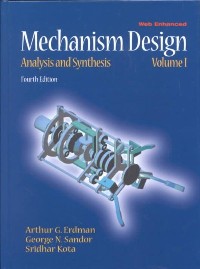
简介
Summary:
Publisher Summary 1
Previous editions of this introductory text came with a disk or a CD-ROM; the new edition includes a password-protected Web site offering access to ADAMS software, some 200 simulations explaining basic concepts and applications, a new cam synthesis program, problems and tutorials, student projects, and case studies. Erdman (mechanical engineering, U. of Minnesota) provides enough theoretical background so that students can understand and apply design and analysis skills to engineering practice. Coverage encompasses kinematics and mechanisms, the mechanism design process, gears and gear trains, and kinematic synthesis. This fourth edition contains new material on type synthesis and robot grippers, and new sections on dynamics, with problems sets for ADAMS. Annotation c. Book News, Inc., Portland, OR (booknews.com)
Publisher Summary 2
This thorough and comprehensive web-enhanced edition has been updated and enhanced 鈥?No other book has a web connection like this one! The software associated with the book makes it very useful for designing and analyzing linkage and CAM mechanisms. Web-enhanced features include ADAMS鈩?software,over 200 animated movie files of mechanisms and machines, and a new CAM design package. - To find out more about MSC.Adams庐 software and how it can be used to complement the use of this text, please visit www.mscsoftware.com/universityor send an email to university@mscsoftware.com. New material includes coverage of type synthesis, robot grippers, and curvature cognates, while retaining coverage of traditional material with a significant treatment of kinematic synthesis. All material is explored both graphically and analytically 鈥?Graphical methods are used to fully explain basic principles. Features in-depth and rigorous discussions on displacement and velocity analysis; acceleration and force analysis; and cam design. For professionals interested in Kinematics, Mechanisms, and Dynamics.
目录
In Memory p. ix
Preface p. xi
Introduction to Kinematics and Mechanisms p. 1
Introduction p. 1
Motion p. 1
The Four-Bar Linkage p. 2
Relative Motion p. 9
Kinematic Diagrams p. 9
Six-Bar Chains p. 14
Degrees of Freedom p. 21
Analysis versus Synthesis p. 39
Mechanism Design Example: Variable Speed Transmission p. 30
Problems p. 40
Mechanism Design Process p. 96
Introduction p. 96
The Seven Stages of Computer-Aided Engineering Design p. 96
How the Seven Stages Relate to This Text p. 101
A Need for Mechanism p. 102
Design Categories and Mechanism Parameters p. 107
Troubleshooting Guide: Symptoms, Causes, and Sources of Assistance p. 113
History of Computer-Aided Mechanism Design p. 116
Displacement and Velocity Analysis p. 119
Displacement Analysis: Useful Indices for Position Analysis of Linkages p. 119
Displacement Analysis: Graphical Method p. 131
Displacement Analysis: Analytical Method p. 135
Concept of Relative Motion p. 137
Velocity Analysis: Graphical Method p. 139
Velocity Analysis: Analytical Method p. 149
Instant Centers p. 152
Velocity Analysis Using Instant Centers p. 160
Mechanical Advantage p. 165
Analytical Method for Velocity and Mechanical Advantage Determination p. 176
Computer Program for the Kinematic Analysis of a Four-Bar Linkage p. 181
Review of Complex Numbers p. 183
Problems p. 192
Exercises p. 232
Acceleration Analysis p. 233
Introduction p. 233
Acceleration Difference p. 234
Relative Acceleration p. 239
Coriolis Acceleration p. 243
Mechanisms with Curved Slots and Higher-Pair Connections p. 263
Problems p. 268
Introduction to Dynamics of Mechanisms p. 291
Introduction p. 291
Inertia Forces in Linkages p. 296
Kinetostatic Analysis of Mechanisms p. 299
The Superposition Method (Graphical and Analytical) p. 301
Design Example: Analysis of a Variable-Speed Drive p. 309
The Matrix Method p. 318
Discussion of the Superposition and Matrix Approach to Kinetostatics p. 330
Time Response to Mechanisms p. 330
Dynamic Simulation of Mechanisms p. 346
Commercial Software Programs p. 354
Problems p. 358
Cam Design p. 373
Introduction p. 373
Cam and Follower Types p. 374
Cam Synthesis p. 378
Displacement Diagrams: Graphical Development p. 380
Displacement Diagrams: Analytical Development p. 388
Advanced Cam Profile Techniques p. 394
Graphical Cam Profile Synthesis p. 408
Analytical Cam Profile Synthesis p. 410
Cam Synthesis for Remote Follower p. 425
Cam-Modulated Linkages p. 426
Problems p. 435
Gears and Gear Trains p. 447
Introduction p. 447
Gear Tooth Nomenclature p. 452
Forming of Gear Teeth p. 456
Gear Trains p. 458
Planetary Gear Trains p. 465
The Formula Method p. 473
The Tabular Method p. 480
The Instant Center Method (or Tangential Velocity Method) p. 484
Tooth Loads and Power Flow in Branching Planetary Gear Systems p. 490
Problems p. 498
Introduction to Kinematic Synthesis: Graphical and Linear Analytical Methods p. 514
Introduction p. 514
Tasks of Kinematic Synthesis p. 516
Type Synthesis p. 526
Tools of Dimensional Synthesis p. 539
Graphical Synthesis--Motion Generation: Two Prescribed Positions p. 539
Graphical Synthesis--Motion Generation: Three Prescribed Positions p. 542
Graphical Synthesis for Path Generation: Three Prescribed Positions p. 543
Path Generation with Prescribed Timing: Three Prescribed Positions p. 544
Graphical Synthesis for Path Generation (without Prescribed Timing): Four Positions p. 546
Function Generator: Three Precision Points p. 548
The Overlay Method p. 553
Analytical Synthesis Techniques p. 554
Introduction to Analytical Synthesis p. 555
The Standard Dyad Form p. 562
Number of Prescribed Positions versus Number of Free Choices p. 566
Three Prescribed Positions for Motion, Path, and Function Generation p. 568
Three-Precision-Point Synthesis Examples p. 574
Circle-Point and Center-Point Circles p. 580
Ground-Pivot Specification p. 588
Extension of Three-Precision-Point Synthesis to Multiloop Mechanisms p. 591
Freudenstein's Equation for Three-Point Function Generation p. 595
Loop-Closure-Equation Technique p. 598
Order Synthesis: Four-Bar Function Generation p. 601
Three-Precision-Point Synthesis: Analytical versus Graphical p. 604
Case Study--Type of Synthesis of Casement Window Mechanisms p. 604
Problems p. 624
Answers to Selected Problems p. 647
References p. 650
Index p. 661
Preface p. xi
Introduction to Kinematics and Mechanisms p. 1
Introduction p. 1
Motion p. 1
The Four-Bar Linkage p. 2
Relative Motion p. 9
Kinematic Diagrams p. 9
Six-Bar Chains p. 14
Degrees of Freedom p. 21
Analysis versus Synthesis p. 39
Mechanism Design Example: Variable Speed Transmission p. 30
Problems p. 40
Mechanism Design Process p. 96
Introduction p. 96
The Seven Stages of Computer-Aided Engineering Design p. 96
How the Seven Stages Relate to This Text p. 101
A Need for Mechanism p. 102
Design Categories and Mechanism Parameters p. 107
Troubleshooting Guide: Symptoms, Causes, and Sources of Assistance p. 113
History of Computer-Aided Mechanism Design p. 116
Displacement and Velocity Analysis p. 119
Displacement Analysis: Useful Indices for Position Analysis of Linkages p. 119
Displacement Analysis: Graphical Method p. 131
Displacement Analysis: Analytical Method p. 135
Concept of Relative Motion p. 137
Velocity Analysis: Graphical Method p. 139
Velocity Analysis: Analytical Method p. 149
Instant Centers p. 152
Velocity Analysis Using Instant Centers p. 160
Mechanical Advantage p. 165
Analytical Method for Velocity and Mechanical Advantage Determination p. 176
Computer Program for the Kinematic Analysis of a Four-Bar Linkage p. 181
Review of Complex Numbers p. 183
Problems p. 192
Exercises p. 232
Acceleration Analysis p. 233
Introduction p. 233
Acceleration Difference p. 234
Relative Acceleration p. 239
Coriolis Acceleration p. 243
Mechanisms with Curved Slots and Higher-Pair Connections p. 263
Problems p. 268
Introduction to Dynamics of Mechanisms p. 291
Introduction p. 291
Inertia Forces in Linkages p. 296
Kinetostatic Analysis of Mechanisms p. 299
The Superposition Method (Graphical and Analytical) p. 301
Design Example: Analysis of a Variable-Speed Drive p. 309
The Matrix Method p. 318
Discussion of the Superposition and Matrix Approach to Kinetostatics p. 330
Time Response to Mechanisms p. 330
Dynamic Simulation of Mechanisms p. 346
Commercial Software Programs p. 354
Problems p. 358
Cam Design p. 373
Introduction p. 373
Cam and Follower Types p. 374
Cam Synthesis p. 378
Displacement Diagrams: Graphical Development p. 380
Displacement Diagrams: Analytical Development p. 388
Advanced Cam Profile Techniques p. 394
Graphical Cam Profile Synthesis p. 408
Analytical Cam Profile Synthesis p. 410
Cam Synthesis for Remote Follower p. 425
Cam-Modulated Linkages p. 426
Problems p. 435
Gears and Gear Trains p. 447
Introduction p. 447
Gear Tooth Nomenclature p. 452
Forming of Gear Teeth p. 456
Gear Trains p. 458
Planetary Gear Trains p. 465
The Formula Method p. 473
The Tabular Method p. 480
The Instant Center Method (or Tangential Velocity Method) p. 484
Tooth Loads and Power Flow in Branching Planetary Gear Systems p. 490
Problems p. 498
Introduction to Kinematic Synthesis: Graphical and Linear Analytical Methods p. 514
Introduction p. 514
Tasks of Kinematic Synthesis p. 516
Type Synthesis p. 526
Tools of Dimensional Synthesis p. 539
Graphical Synthesis--Motion Generation: Two Prescribed Positions p. 539
Graphical Synthesis--Motion Generation: Three Prescribed Positions p. 542
Graphical Synthesis for Path Generation: Three Prescribed Positions p. 543
Path Generation with Prescribed Timing: Three Prescribed Positions p. 544
Graphical Synthesis for Path Generation (without Prescribed Timing): Four Positions p. 546
Function Generator: Three Precision Points p. 548
The Overlay Method p. 553
Analytical Synthesis Techniques p. 554
Introduction to Analytical Synthesis p. 555
The Standard Dyad Form p. 562
Number of Prescribed Positions versus Number of Free Choices p. 566
Three Prescribed Positions for Motion, Path, and Function Generation p. 568
Three-Precision-Point Synthesis Examples p. 574
Circle-Point and Center-Point Circles p. 580
Ground-Pivot Specification p. 588
Extension of Three-Precision-Point Synthesis to Multiloop Mechanisms p. 591
Freudenstein's Equation for Three-Point Function Generation p. 595
Loop-Closure-Equation Technique p. 598
Order Synthesis: Four-Bar Function Generation p. 601
Three-Precision-Point Synthesis: Analytical versus Graphical p. 604
Case Study--Type of Synthesis of Casement Window Mechanisms p. 604
Problems p. 624
Answers to Selected Problems p. 647
References p. 650
Index p. 661
- 名称
- 类型
- 大小
光盘服务联系方式: 020-38250260 客服QQ:4006604884
云图客服:
用户发送的提问,这种方式就需要有位在线客服来回答用户的问题,这种 就属于对话式的,问题是这种提问是否需要用户登录才能提问
Video Player
×
Audio Player
×
pdf Player
×
