

简介
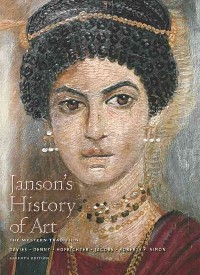
For courses in the History of Art.Completely rewritten and reorganized, this groundbreaking edition weaves together the most recent scholarship, the most current thinking in art history, and the most innovative digital art library.Experience the new Janson and re-experience the history of art.Long established as the classic and seminal introduction to art of the Western world, the Seventh Edition ofJanson's History of Artis groundbreaking. When Harry Abrams first published theHistory of Artin 1962, John F. Kennedy occupied the White House, and Andy Warhol was an emerging artist. Janson offered his readers a strong focus on Western art, an important consideration of technique and style, and a clear point of view.The History of Art, said Janson, was not just a stringing together of historically significant objects, but the writing of a story about their interconnections, a history of styles and of stylistic change. Janson’s text focused on the visual and technical characteristics of the objects he discussed, often in extraordinarily eloquent language. Janson’sHistory of Arthelped to establish the canon of art history for many generations of scholars.The new Seventh Edition introduces the authorship of six distinguished specialists narrating the history of art for today’s students. The contribution of multiple authors allows an expert's understanding to permeate each and every part of the text with a currency in art historical thinking and an enhanced discussion of context. The result is a
目录
Table Of Contents:
Preface xiii
Faculty and Student Resources for Teaching and Learning with Janson's History of Art xix
Introducing Art xxi
PART ONE THE ANCIENT WORLD
Prehistoric Art 1(20)
Paleolithic Art 2(10)
Interpreting Prehistoric Painting 6(2)
Paleolithic Carving 8(4)
Neolithic Art 12(9)
Settled Societies and Neolithic Art 12(4)
Architecture in Europe: Tombs and Rituals 16
Materials and Techniques: Cave Painting 5(5)
Informing Art: Telling Time: Labels and Periods 10(11)
Ancient Near Eastern Art 21(26)
Sumerian Art 22(7)
Temple Architecture: Linking Heaven and Earth 23(2)
Sculpture and Inlay 25(2)
Visual Narratives 27(2)
Cylinder Seals 29(1)
Art of Akkad 29(2)
Sculpture: Power and Narrative 29(2)
Neo-Sumerian Revival 31(2)
Architecture: The Ziggurat of Ur 31(1)
Sculpture: Figures of Gudea 32(1)
Babylonian Art 33(1)
The Code of Hammurabi 33(1)
Assyrian Art 34(3)
Art of Empire: Expressing Royal Power 34(3)
Late Babylonian Art 37(1)
The Royal Palace 37(1)
Regional Near Eastern Art 38(1)
The Hittites 38(1)
The Phoenicians 38(1)
Iranian Art 39(8)
Early Iranian Art 39(1)
The Persian Empire: Cosmopolitan Heirs to the Mesopotamian Tradition 40(3)
Mesopotamia Between Persian and Islamic Dominion 43
Materials and Techniques: Mud Brick 23(2)
Primary Sources: The Gilgamesh Epic 25(7)
Texts on Gudea Figures from Lagash and Surrounding Areas, ca. 2100 32(2)
The Code of Hammurabi 34(8)
The Art Historian's Lens: Losses Through Looting 42(5)
Egyptian Art 47(32)
Predynastic and Early Dynastic Art 48(2)
The Palette of King Narmer 48(2)
The Old Kingdom: A Golden Age 50(9)
Old Kingdom Funerary Complexes 50(2)
The Pyramids at Giza: Reflecting a New Royal Role 52(3)
Representing the Human Figure 55(4)
The Middle Kingdom: Reasserting Tradition Through the Arts 59(3)
Royal Portraiture: Changing Expressions and Proportions 59(1)
Funerary Architecture 60(2)
The New Kingdom: Restored Glory 62(7)
Royal Burials in the Valley of the Kings 62(2)
Temples to the Gods 64(3)
Block Statues 67(1)
Images in New Kingdom Tombs 68(1)
Akhenaten and the Amarna Style 69(4)
The Amarna Style 70(2)
Tutankhamen and the Aftermath of Amarna 72(1)
Papyrus Scrolls: The Book of the Dead 73(1)
Late Egypt 74(5)
Materials and Techniques: Building the Pyramids 75
Informing Art: Major Periods in Ancient Egypt 51(5)
Primary Sources: Excerpt from the Pyramid Text of Unis (r. 2341--2311 BCE) 56(14)
Love Song 70(3)
The Book of the Dead 73(3)
The Art Historian's Lens: Interpreting Ancient Travel Writers 76(3)
Aegean Art 79(22)
Early Cycladic Art 80(2)
Minoan Art 82(9)
The Palace at Knossos 82(4)
Wall Paintings: Representing Rituals and Nature 86(2)
Minoan Pottery 88(1)
Carved Minoan Stone Vessels 89(2)
Late Minoan Art 91(1)
Mycenaean Art 92(9)
Architecture: Citadels 92(4)
Mycenaean Tombs and Their Contents 96(2)
Sculpture 98
Materials and Techniques: Cyclopean Masonry 94
The Art Historian's Lens: Two Excavators, Legend, and Archeology 85(16)
Greek Art 101(60)
The Emergence of Greek Art: The Geometric Style 102(3)
Geometric Style Pottery 103(2)
Geometric Style Sculpture 105(1)
The Orientalizing Style: Horizons Expand 105(3)
Miniature Vessels 105(3)
Archaic Art: Art of the City-State 108(13)
The Rise of Monumental Temple Architecture 108(4)
Stone Sculpture 112(3)
Architectural Sculpture: The Building Comes Alive 115(4)
Vase Painting: Art of the Symposium 119(2)
The Classical Age 121(20)
Classical Sculpture 122(6)
Architecture and Sculpture on the Akropolis 128(13)
The Late Classical Period 141(5)
Late Classical Architecture: Civic and Sacred 141(4)
Painting in the Late Classical Age 145(1)
The Age of Alexander and the Hellenistic Period 146(15)
Architecture: The Scholarly Tradition and Theatricality 146(3)
City Planning 149(1)
Hellenistic Sculpture: Expression and Movement 150(7)
Hellenistic Painting 157
Materials and Techniques: The Indirect Lost-Wax Process 124
Informing Art: The Greek Gods and Goddesses 102(25)
Primary Sources: Aristotle (384--322) BCE 127(4)
Plutarch (ca. 46-after 119 CE) 131(5)
The Art Historian's Lens: The Parthenon Frieze: A New Interpretation 136(20)
J.J. Winckelmann and The Apollo Belvedere 156(5)
Etruscan Art 161(16)
Funerary Art 162(7)
Tombs and Their Contents 162(7)
Architecture 169(2)
City Planning 170(1)
Sculpture 171(6)
Dynamism in Terra Cotta and Bronze 171
Materials and Techniques: Etruscan Gold-Working 164(13)
Roman Art 177(58)
Early Rome and the Republic 177(14)
Architecture: The Concrete Revolution 179(6)
Sculpture 185(5)
Painting 190(1)
The Early Empire 191(18)
Portrait Sculpture 191(4)
Relief Sculpture 195(8)
Architecture 203(6)
Art and Architecture in the Provinces 209(3)
Domestic Art and Architecture 212(7)
The Late Empire 219(6)
Portrait Sculpture 219(2)
Relief Sculpture 221(2)
Architecture 223(2)
Late Roman Architecture in the Provinces 225(10)
Materials and Techniques: Copying Greek Sculptures 188
Primary Sources: Cicero (106--43 BCE) 186(4)
Polybius (ca. 200--ca. 118 BCE) 190(8)
Josephus (37/8--ca. 100 CE) 198(14)
Vitruvius 212(6)
Philostratus (170--247 CE) 218
The Art Historian's Lens: Recognizing Copies: The Case of the Laocoon 179(51)
Additional Primary Sources for Part One: The Code of Hammurabi 230(1)
A Hymn to Aten 230(1)
Pliny the Elder (23--79 CE) 230(1)
Vergil (70--19 BCE) 231(1)
Vitruvius (1st Century BCE) 232(3)
PART TWO THE MIDDLE AGES
Early Christian and Byzantine Art 235(42)
Early Christian Art 237(16)
Christian Art before Constantine 237(4)
Christian Art after Official Recognition of Christianity 241(12)
Byzantine Art 253(24)
Early Byzantine Art 253(11)
The Iconoclastic Controversy 264(1)
Middle Byzantine Art 265(8)
Late Byzantine Art 273
Materials and Techniques: Mosaics 246
Informing Art: The Life of Jesus 240(33)
Biblical and Celestial Beings 273
Primary Sources: The Book of the Popes (Liber Pontificalis) 244(14)
Procopius of Caesarea (6th Century) 258(8)
St. Theodore the Studite (759--826 CE) 266
The Art Historian's Lens: The Cotton Library Fire 251(26)
Islamic Art 277(34)
The Formation of Islamic Art 279(3)
Religious Architecture 279(3)
Secular Architecture 282(1)
The Development of Islamic Style 282(4)
Religious Architecture 283(2)
Luxury Arts 285(1)
Islamic Art and the Persian Inheritance 286(3)
Architecture 286(2)
Figural Art Forms in Iran 288(1)
The Classical Age 289(3)
The Fatimid Artistic Impact 289(2)
The Ayyubids and the Seljuk Turks of Asia Minor 291(1)
Later Classical Art and Architecture 292(7)
Mongol Patronage 292(2)
Timurid Patronage 294(1)
Mamluk Patronage 295(2)
Nasrid Patronage: The Alhambra 297(2)
The Three Late Empires 299(8)
The Ottomans in Europe and Asia 300(2)
The Safavid Period in Iran 302(4)
The Mughal Period in India 306(1)
Continuity and Change in Islamic Art 307(4)
Materials and Techniques: The Oriental Carpet 298
Informing Art: Islam and Its Messenger 278(2)
Primary Sources: Muhammad Ibn Mahmud Al-Amuli (Iran, 14th Century) 280(22)
The Ottoman Sultan Selim II (1524--1574) 302(6)
Abd Al-Hamid Lahori (d. 1654) 308
The Art Historian's Lens: Spanish Islamic Art and Europe in the Middle Ages 287(24)
Early Medieval Art 311(34)
Anglo-Saxon and Viking Art 312(4)
The Animal Style 314(2)
Hiberno-Saxon Art 316(5)
Manuscripts 316(5)
Carolingian Art 321(9)
Sculpture 321(1)
Illuminated Books 322(3)
Architecture 325(5)
Ottonian Art 330(15)
Architecture 330(3)
Metalwork 333(4)
Ivories and Manuscripts: Conveyors of Imperial Grandeur 337(3)
Sculpture 340
Materials and Techniques: Metalwork 313(5)
Primary Sources: Lindisfarne Gospels 318(10)
Hariulf (ca. 1060--1143) 328(2)
St. Angilbert (ca. 750--814) 330(15)
Romanesque Art 345(40)
First Expressions of Romanesque Style 347(1)
Architecture 347(1)
Monumental Stone Sculpture 348(1)
Mature Romanesque 348(23)
Pilgrimage Churches and Their Art 348(7)
Cluniac Architecture and Sculpture 355(9)
Cluniac Wall Painting 364(1)
Cistercian Architecture and Art 364(1)
Other Benedictine Architecture and Wall Painting 365(1)
Book Illustration 366(5)
Regional Variants of Romanesque Style 371(11)
Western France: Poitou 371(1)
Southeastern France: Provence 371(2)
Tuscany 373(2)
The Meuse Valley: Mosan Style 375(1)
Germany 375(1)
Normandy and England 376(6)
The Paradoxical Meaning of Romanesque 382(3)
Materials and Techniques: Vaulting 378
Primary Sources: From Pilgrim's Guide to Santiago de Compostela 350(8)
St. Bernard of Clairvaux (1090--1153) 358(10)
The Art Historian's Lens: Preserving and Restoring Architecture 368(17)
Gothic Art 385(48)
Early Gothic Art in France 387(9)
Saint-Denis: Suger and the Beginnings of Gothic Architecture 387(4)
Chartres Cathedral 391(2)
Laon Cathedral 393(1)
Cathedral of Notre-Dame at Paris 394(2)
High Gothic Art in France 396(14)
The Rebuilding of Chartres Cathedral 396(9)
Amiens Cathedral 405(1)
Reims Cathedral 406(4)
Rayonnant or Court Style 410(5)
Saint-Chapelle 410(2)
Saint-Urbain in Troyes 412(1)
Manuscript Illumination 413(2)
Late Gothic Art in France 415(5)
Manuscript Illumination 415(2)
Sculpture 417(2)
Architecture: The Flamboyant Phase 419(1)
The Spread of Gothic Art 420(13)
England 420(5)
Germany 425(3)
Spain 428(2)
Italy: A Preview 430
Materials and Techniques: Stained Glass 403
Primary Sources: Suger of Saint-Denis (1081--1151) (Church of Saint-Denis) 388(2)
Suger of Saint-Denis (1081--1151) (His Administration) 390(10)
Theophilus Presbyter (12th Century) 400(2)
The Art Historian's Lens: Modules and Proportions 402(31)
Art in Thirteenth- and Fourteenth-Century Italy 433
Church Architecture and the Growth of the Mendicant Orders 434(10)
The Franciscans at Assisi 435(2)
Churches and Their Furnishings in Urban Centers 437(4)
Expanding Florence Cathedral 441(3)
Buildings for City Government: The Palazzo della Signoria 444(1)
Painting in Tuscany 444(15)
Cimabue and Giotto 445(3)
Siena: Devotion to Mary in Works by Duccio and Simone 448(6)
Pietro and Ambrogio Lorenzetti 454(2)
Artists and Patrons in Times of Crisis 456(3)
Northern Italy 459
Venice: Political Stability and Sumptuous Architecture 459(1)
Milan: The Visconti Family and Northern Influences 460
Materials and Techniques: Fresco Painting and Conservation 438(14)
Primary Sources: Agnolo di Tura del Grasso 452(4)
Inscriptions on the Frescoes in the Palazzo Pubblico, Siena 456
The Art Historian's Lens: The Social Works of Images 450(14)
Additional Primary Sources for Part Two: The Holy Bible 464(1)
Pope Gregory I (r. 590--604) 464(1)
Nicholas Mesarites (ca. 1163--after 1214) 464(1)
The Qur'an: God's Promise to Paradise to Good Muslims (Sura 55 [``The All-Merciful'']: 45--78) 464(1)
St. Benedict of Nursia (ca. 480--ca. 553) 465(1)
From Pilgrim's Guide to Santiago de Compostela 466(1)
Robert de Torigny (d. 1186) 466(1)
Villard de Honnecourt (13th Century) 466(1)
Anonymous 466(1)
Giovanni Boccaccio (1313--1375) 467(1)
Petrarch 467(1)
Dante Alighieri 467
Glossary 1(1)
Bibliography 1(1)
Index 1(1)
Credits 1
Preface xiii
Faculty and Student Resources for Teaching and Learning with Janson's History of Art xix
Introducing Art xxi
PART ONE THE ANCIENT WORLD
Prehistoric Art 1(20)
Paleolithic Art 2(10)
Interpreting Prehistoric Painting 6(2)
Paleolithic Carving 8(4)
Neolithic Art 12(9)
Settled Societies and Neolithic Art 12(4)
Architecture in Europe: Tombs and Rituals 16
Materials and Techniques: Cave Painting 5(5)
Informing Art: Telling Time: Labels and Periods 10(11)
Ancient Near Eastern Art 21(26)
Sumerian Art 22(7)
Temple Architecture: Linking Heaven and Earth 23(2)
Sculpture and Inlay 25(2)
Visual Narratives 27(2)
Cylinder Seals 29(1)
Art of Akkad 29(2)
Sculpture: Power and Narrative 29(2)
Neo-Sumerian Revival 31(2)
Architecture: The Ziggurat of Ur 31(1)
Sculpture: Figures of Gudea 32(1)
Babylonian Art 33(1)
The Code of Hammurabi 33(1)
Assyrian Art 34(3)
Art of Empire: Expressing Royal Power 34(3)
Late Babylonian Art 37(1)
The Royal Palace 37(1)
Regional Near Eastern Art 38(1)
The Hittites 38(1)
The Phoenicians 38(1)
Iranian Art 39(8)
Early Iranian Art 39(1)
The Persian Empire: Cosmopolitan Heirs to the Mesopotamian Tradition 40(3)
Mesopotamia Between Persian and Islamic Dominion 43
Materials and Techniques: Mud Brick 23(2)
Primary Sources: The Gilgamesh Epic 25(7)
Texts on Gudea Figures from Lagash and Surrounding Areas, ca. 2100 32(2)
The Code of Hammurabi 34(8)
The Art Historian's Lens: Losses Through Looting 42(5)
Egyptian Art 47(32)
Predynastic and Early Dynastic Art 48(2)
The Palette of King Narmer 48(2)
The Old Kingdom: A Golden Age 50(9)
Old Kingdom Funerary Complexes 50(2)
The Pyramids at Giza: Reflecting a New Royal Role 52(3)
Representing the Human Figure 55(4)
The Middle Kingdom: Reasserting Tradition Through the Arts 59(3)
Royal Portraiture: Changing Expressions and Proportions 59(1)
Funerary Architecture 60(2)
The New Kingdom: Restored Glory 62(7)
Royal Burials in the Valley of the Kings 62(2)
Temples to the Gods 64(3)
Block Statues 67(1)
Images in New Kingdom Tombs 68(1)
Akhenaten and the Amarna Style 69(4)
The Amarna Style 70(2)
Tutankhamen and the Aftermath of Amarna 72(1)
Papyrus Scrolls: The Book of the Dead 73(1)
Late Egypt 74(5)
Materials and Techniques: Building the Pyramids 75
Informing Art: Major Periods in Ancient Egypt 51(5)
Primary Sources: Excerpt from the Pyramid Text of Unis (r. 2341--2311 BCE) 56(14)
Love Song 70(3)
The Book of the Dead 73(3)
The Art Historian's Lens: Interpreting Ancient Travel Writers 76(3)
Aegean Art 79(22)
Early Cycladic Art 80(2)
Minoan Art 82(9)
The Palace at Knossos 82(4)
Wall Paintings: Representing Rituals and Nature 86(2)
Minoan Pottery 88(1)
Carved Minoan Stone Vessels 89(2)
Late Minoan Art 91(1)
Mycenaean Art 92(9)
Architecture: Citadels 92(4)
Mycenaean Tombs and Their Contents 96(2)
Sculpture 98
Materials and Techniques: Cyclopean Masonry 94
The Art Historian's Lens: Two Excavators, Legend, and Archeology 85(16)
Greek Art 101(60)
The Emergence of Greek Art: The Geometric Style 102(3)
Geometric Style Pottery 103(2)
Geometric Style Sculpture 105(1)
The Orientalizing Style: Horizons Expand 105(3)
Miniature Vessels 105(3)
Archaic Art: Art of the City-State 108(13)
The Rise of Monumental Temple Architecture 108(4)
Stone Sculpture 112(3)
Architectural Sculpture: The Building Comes Alive 115(4)
Vase Painting: Art of the Symposium 119(2)
The Classical Age 121(20)
Classical Sculpture 122(6)
Architecture and Sculpture on the Akropolis 128(13)
The Late Classical Period 141(5)
Late Classical Architecture: Civic and Sacred 141(4)
Painting in the Late Classical Age 145(1)
The Age of Alexander and the Hellenistic Period 146(15)
Architecture: The Scholarly Tradition and Theatricality 146(3)
City Planning 149(1)
Hellenistic Sculpture: Expression and Movement 150(7)
Hellenistic Painting 157
Materials and Techniques: The Indirect Lost-Wax Process 124
Informing Art: The Greek Gods and Goddesses 102(25)
Primary Sources: Aristotle (384--322) BCE 127(4)
Plutarch (ca. 46-after 119 CE) 131(5)
The Art Historian's Lens: The Parthenon Frieze: A New Interpretation 136(20)
J.J. Winckelmann and The Apollo Belvedere 156(5)
Etruscan Art 161(16)
Funerary Art 162(7)
Tombs and Their Contents 162(7)
Architecture 169(2)
City Planning 170(1)
Sculpture 171(6)
Dynamism in Terra Cotta and Bronze 171
Materials and Techniques: Etruscan Gold-Working 164(13)
Roman Art 177(58)
Early Rome and the Republic 177(14)
Architecture: The Concrete Revolution 179(6)
Sculpture 185(5)
Painting 190(1)
The Early Empire 191(18)
Portrait Sculpture 191(4)
Relief Sculpture 195(8)
Architecture 203(6)
Art and Architecture in the Provinces 209(3)
Domestic Art and Architecture 212(7)
The Late Empire 219(6)
Portrait Sculpture 219(2)
Relief Sculpture 221(2)
Architecture 223(2)
Late Roman Architecture in the Provinces 225(10)
Materials and Techniques: Copying Greek Sculptures 188
Primary Sources: Cicero (106--43 BCE) 186(4)
Polybius (ca. 200--ca. 118 BCE) 190(8)
Josephus (37/8--ca. 100 CE) 198(14)
Vitruvius 212(6)
Philostratus (170--247 CE) 218
The Art Historian's Lens: Recognizing Copies: The Case of the Laocoon 179(51)
Additional Primary Sources for Part One: The Code of Hammurabi 230(1)
A Hymn to Aten 230(1)
Pliny the Elder (23--79 CE) 230(1)
Vergil (70--19 BCE) 231(1)
Vitruvius (1st Century BCE) 232(3)
PART TWO THE MIDDLE AGES
Early Christian and Byzantine Art 235(42)
Early Christian Art 237(16)
Christian Art before Constantine 237(4)
Christian Art after Official Recognition of Christianity 241(12)
Byzantine Art 253(24)
Early Byzantine Art 253(11)
The Iconoclastic Controversy 264(1)
Middle Byzantine Art 265(8)
Late Byzantine Art 273
Materials and Techniques: Mosaics 246
Informing Art: The Life of Jesus 240(33)
Biblical and Celestial Beings 273
Primary Sources: The Book of the Popes (Liber Pontificalis) 244(14)
Procopius of Caesarea (6th Century) 258(8)
St. Theodore the Studite (759--826 CE) 266
The Art Historian's Lens: The Cotton Library Fire 251(26)
Islamic Art 277(34)
The Formation of Islamic Art 279(3)
Religious Architecture 279(3)
Secular Architecture 282(1)
The Development of Islamic Style 282(4)
Religious Architecture 283(2)
Luxury Arts 285(1)
Islamic Art and the Persian Inheritance 286(3)
Architecture 286(2)
Figural Art Forms in Iran 288(1)
The Classical Age 289(3)
The Fatimid Artistic Impact 289(2)
The Ayyubids and the Seljuk Turks of Asia Minor 291(1)
Later Classical Art and Architecture 292(7)
Mongol Patronage 292(2)
Timurid Patronage 294(1)
Mamluk Patronage 295(2)
Nasrid Patronage: The Alhambra 297(2)
The Three Late Empires 299(8)
The Ottomans in Europe and Asia 300(2)
The Safavid Period in Iran 302(4)
The Mughal Period in India 306(1)
Continuity and Change in Islamic Art 307(4)
Materials and Techniques: The Oriental Carpet 298
Informing Art: Islam and Its Messenger 278(2)
Primary Sources: Muhammad Ibn Mahmud Al-Amuli (Iran, 14th Century) 280(22)
The Ottoman Sultan Selim II (1524--1574) 302(6)
Abd Al-Hamid Lahori (d. 1654) 308
The Art Historian's Lens: Spanish Islamic Art and Europe in the Middle Ages 287(24)
Early Medieval Art 311(34)
Anglo-Saxon and Viking Art 312(4)
The Animal Style 314(2)
Hiberno-Saxon Art 316(5)
Manuscripts 316(5)
Carolingian Art 321(9)
Sculpture 321(1)
Illuminated Books 322(3)
Architecture 325(5)
Ottonian Art 330(15)
Architecture 330(3)
Metalwork 333(4)
Ivories and Manuscripts: Conveyors of Imperial Grandeur 337(3)
Sculpture 340
Materials and Techniques: Metalwork 313(5)
Primary Sources: Lindisfarne Gospels 318(10)
Hariulf (ca. 1060--1143) 328(2)
St. Angilbert (ca. 750--814) 330(15)
Romanesque Art 345(40)
First Expressions of Romanesque Style 347(1)
Architecture 347(1)
Monumental Stone Sculpture 348(1)
Mature Romanesque 348(23)
Pilgrimage Churches and Their Art 348(7)
Cluniac Architecture and Sculpture 355(9)
Cluniac Wall Painting 364(1)
Cistercian Architecture and Art 364(1)
Other Benedictine Architecture and Wall Painting 365(1)
Book Illustration 366(5)
Regional Variants of Romanesque Style 371(11)
Western France: Poitou 371(1)
Southeastern France: Provence 371(2)
Tuscany 373(2)
The Meuse Valley: Mosan Style 375(1)
Germany 375(1)
Normandy and England 376(6)
The Paradoxical Meaning of Romanesque 382(3)
Materials and Techniques: Vaulting 378
Primary Sources: From Pilgrim's Guide to Santiago de Compostela 350(8)
St. Bernard of Clairvaux (1090--1153) 358(10)
The Art Historian's Lens: Preserving and Restoring Architecture 368(17)
Gothic Art 385(48)
Early Gothic Art in France 387(9)
Saint-Denis: Suger and the Beginnings of Gothic Architecture 387(4)
Chartres Cathedral 391(2)
Laon Cathedral 393(1)
Cathedral of Notre-Dame at Paris 394(2)
High Gothic Art in France 396(14)
The Rebuilding of Chartres Cathedral 396(9)
Amiens Cathedral 405(1)
Reims Cathedral 406(4)
Rayonnant or Court Style 410(5)
Saint-Chapelle 410(2)
Saint-Urbain in Troyes 412(1)
Manuscript Illumination 413(2)
Late Gothic Art in France 415(5)
Manuscript Illumination 415(2)
Sculpture 417(2)
Architecture: The Flamboyant Phase 419(1)
The Spread of Gothic Art 420(13)
England 420(5)
Germany 425(3)
Spain 428(2)
Italy: A Preview 430
Materials and Techniques: Stained Glass 403
Primary Sources: Suger of Saint-Denis (1081--1151) (Church of Saint-Denis) 388(2)
Suger of Saint-Denis (1081--1151) (His Administration) 390(10)
Theophilus Presbyter (12th Century) 400(2)
The Art Historian's Lens: Modules and Proportions 402(31)
Art in Thirteenth- and Fourteenth-Century Italy 433
Church Architecture and the Growth of the Mendicant Orders 434(10)
The Franciscans at Assisi 435(2)
Churches and Their Furnishings in Urban Centers 437(4)
Expanding Florence Cathedral 441(3)
Buildings for City Government: The Palazzo della Signoria 444(1)
Painting in Tuscany 444(15)
Cimabue and Giotto 445(3)
Siena: Devotion to Mary in Works by Duccio and Simone 448(6)
Pietro and Ambrogio Lorenzetti 454(2)
Artists and Patrons in Times of Crisis 456(3)
Northern Italy 459
Venice: Political Stability and Sumptuous Architecture 459(1)
Milan: The Visconti Family and Northern Influences 460
Materials and Techniques: Fresco Painting and Conservation 438(14)
Primary Sources: Agnolo di Tura del Grasso 452(4)
Inscriptions on the Frescoes in the Palazzo Pubblico, Siena 456
The Art Historian's Lens: The Social Works of Images 450(14)
Additional Primary Sources for Part Two: The Holy Bible 464(1)
Pope Gregory I (r. 590--604) 464(1)
Nicholas Mesarites (ca. 1163--after 1214) 464(1)
The Qur'an: God's Promise to Paradise to Good Muslims (Sura 55 [``The All-Merciful'']: 45--78) 464(1)
St. Benedict of Nursia (ca. 480--ca. 553) 465(1)
From Pilgrim's Guide to Santiago de Compostela 466(1)
Robert de Torigny (d. 1186) 466(1)
Villard de Honnecourt (13th Century) 466(1)
Anonymous 466(1)
Giovanni Boccaccio (1313--1375) 467(1)
Petrarch 467(1)
Dante Alighieri 467
Glossary 1(1)
Bibliography 1(1)
Index 1(1)
Credits 1
- 名称
- 类型
- 大小
光盘服务联系方式: 020-38250260 客服QQ:4006604884
云图客服:
用户发送的提问,这种方式就需要有位在线客服来回答用户的问题,这种 就属于对话式的,问题是这种提问是否需要用户登录才能提问
Video Player
×
Audio Player
×
pdf Player
×
