

简介
Summary:
Publisher Summary 1
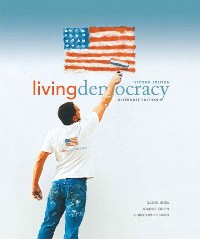
Everything about this dynamic book–from its engaging writing and examples, to its bold graphics and photos, to its innovative learning pedagogy and interactive assessment–is designed to get students to participate: in their learning, in the classroom, and in all aspects of American politics. American Government instructors overwhelmingly cite student apathy as the single biggest problem in their course; students are simply not engaged in the material and do not believe that the government can affect and enrich their lives. Lead author Dan Shea, founder of the Center for Political Participation, along with co-authors Joanne Connor Green and Christopher E. Smith teamed up to write an American Government text that helps students experience the impact of government in their daily lives and inspires them to work to affect that government in return. Written with the belief that the American Government course is critically important for our students–as well as for the long-term stability of the democratic process–Living Democracyhelps students draw connections between course topics and current events and find a role for themselves in politics and government. The text’s innovative approach to American government presents the dynamic nature of our country's democratic process more accurately than any other book currently on the market, while offering all of the material found in a comprehensive, traditionally organized government text within an active framework. The Basic edition offers the exact same coverage as the comprehensive version but without the chapters on policy. Now in its second edition, this attention-getting text is building on its message of participation: improvements to its innovative pedagogical system with even more assessment opportunities help students participate more fully in their own learning process, while new Student Profiles of politically active young people from around the world continue to promote students’ political participation. New coverage highlights the events surrounding the 2008 Election including the massive growth in voter participation.
目录
Table Of Contents:
Preface/Walkthrough xiv
Resources in Print and Online xx
Acknowledgments 1(1)
About the Authors 1(2)
PART ONE Foundations of American Government
American Government: Democracy in Action 3(28)
It's Your Government 4(4)
Our Unique Political System 6(2)
Themes of This Book 8(10)
Citizen Participation in Democratic Government 8(2)
Pathways of Action 10(3)
Pathways | of action: Powershift '07 13(1)
Pathways | profile: A. Philip Randolph 14(1)
Diversity in American Society 15(1)
Pathways | of change from around the world: Venezuelan Students Demand the Right to Protest 16(2)
Citizen Participation and Pathways: The Example of Abortion 18(2)
Change and Stability in American Government 20(4)
Sources of Stability 20(1)
Political Culture: The ``American Creed'' 21(2)
Student | Profile: Nick Anderson and Ana Slavin 23(1)
Conclusion 24(7)
Early Governance and the Constitutional Framework 31(40)
The Nature of Government and Politics 32(2)
Types of Governments 34(2)
Early Governance in America 36(2)
Pathways | of action: The Sons of Liberty 37(1)
The American Revolution 38(6)
Pathways | profile: Thomas Paine and the ``Common Sense'' of Democracy 39(1)
The Declaration of Independence 40(2)
The Colonial Experience and the Pathways of Change 42(2)
The Articles of Confederation 44(4)
Limitations of the Articles of Confederation 44(1)
Shays's Rebellion: An Alternative Look 45(1)
Student | Profile: Joseph Plumb Martin 46(2)
The Constitutional Convention 48(4)
The Great Compromise 49(1)
The Three-Fifths Compromise 50(1)
The Sectional Compromise 50(2)
The U.S. Constitution 52(4)
The Struggle over Ratification and Other Challenges Faced by the New Nation 56(6)
The Federalist Papers 56(2)
The Anti-Federalists' Response 58(1)
A Second Revolution? 59(2)
Jacksonian Democracy 61(1)
Conclusion 62(9)
Federalism 71(30)
Dividing Governmental Authority 72(4)
Student | Profile: Harkirat Hansra 75(1)
The Evolution of Federalism in the United States 76(10)
Before the Civil War 76(1)
Pathways | Profile: John Marshall 76(2)
Pathways | of action: The Civil War and the Failure of American Politics 78(1)
Federalism After the Civil War 79(2)
Federal Power: The Supreme Court and the New Deal 81(5)
Past Trends in Federalism 86(4)
The New Deal and Cooperative Federalism 86(1)
The Great Society and Creative Federalism 86(2)
The Changing Nature of Federal Grants 88(2)
Recent Trends in Federalism 90(4)
Dillon's Rule Versus Home Rule 90(1)
Devolution 91(1)
The Supreme Court's Shift in Perspective 92(1)
Pathways | of change from around the world: The Nashi Youth Movement 93(1)
Conclusion 94(7)
The Judiciary 101(38)
Court Structure and Processes 102(6)
Trial Courts 102(1)
Appellate Courts 103(2)
The U.S. Supreme Court 105(1)
Pathways | profile: Ruth Bader Ginsburg 106(2)
The Power of American Judges 108(6)
Constitutional and Statutory Interpretation 109(1)
Judicial Review 109(3)
Federal Judges' Protected Tenure 112(2)
Judicial Selection 114(4)
Judicial Selection in the Federal System 114(1)
Judicial Selection in the States 115(3)
Judges' Decision-Making 118(4)
Political Science and Judicial Decision Making 120(2)
Action in the Court Pathway 122(4)
Pathways | profile: John G. Roberts, Jr. 122(1)
Interest Group Litigation 122(1)
Pathways | of action: The NAACP and Racial Segregation 123(1)
Elements of Strategy 124(1)
Student | Profile: Tyler Deveny 125(1)
Implementation and Impact 126(2)
Judicial Policymaking and Democracy 128(2)
Pathways | of change from around the world: Law Students in Pakistan: Fight for Judicial Independence 129(1)
Conclusion 130(9)
Civil Liberties 139(48)
The Bill of Rights in History 140(10)
Early Interpretation of the Bill of Rights 140(1)
The Incorporation Process and the Nationalization of Constitutional Rights 141(2)
Pathways | of action: Cruel and Unusual Punishments 143(7)
First Amendment Rights: Freedom of Religion 150(4)
Establishment of Religion 150(2)
Free Exercise of Religion 152(2)
First Amendment Rights: Freedom of Speech 154(4)
Student | Profile: Mary Beth Tinker; Bretton Barber 155(3)
First Amendment Rights: Freedom of the Press and Obscenity 158(4)
Freedom of the Press 158(1)
Pathways | of change from around the world: Student Newspaper Editors in Iran Stand up for Freedom of Expression 159(1)
Obscenity 160(2)
Civil Liberties and Criminal Justice 162(6)
The Right to Bear Arms 162(1)
Search and Seizure 163(3)
Self-Incrimination 166(2)
Trial Rights and Capital Punishment 168(6)
Trial Rights 168(2)
Pathways | profile: Clarence Earl Gideon 170(1)
Capital Punishment 170(4)
Privacy 174(4)
Abortion 174(2)
Private Sexual Conduct 176(2)
Conclusion 178(9)
Civil Rights 187(42)
The Ideal of Equality 188(4)
Equal Protection of the Law 192(6)
The Fourteenth Amendment and Reconstruction 193(1)
The Rise and Persistence of Racial Oppression 194(4)
Litigation Strategies 198(4)
Pathways | profile: Fred Korematsu 200(2)
Clarifying the Coverage of the Equal Protection Clause 202(4)
Pathways | of action: Restrictive Covenants 204(1)
Student | Profile: Bryon Williams 205(1)
Grassroots Mobilization and Civil Rights 206(6)
African American and Civil Rights 206(4)
Civil Rights Legislation 210(2)
Women, Latinos, and Civil Rights 212(4)
Women and Civil Rights 212(2)
Latinos and Civil Rights 214(2)
Contemporary Civil Rights Issues 216(4)
Complexity of Issues 216(1)
Pathways | of change from around the world: Tamil Students Protest Against Discrimination in Sri Lanka 217(1)
Emerging Groups 217(3)
Conclusion 220(9)
Congress 229(44)
The Nature and Style of Representation 230(4)
Congress and the Constitution 234(8)
A Bicameral Legislature 234(1)
Who Can Serve in Congress? 234(1)
Congressional Elections 235(1)
Lawmaking 236(1)
Redistricting 237(1)
Pathways | of action: The Texas Redistricting Battle 238(4)
Organizing Congress: Committees 242(4)
Standing Committees 242(1)
What Committees Do 243(3)
Organizing Congress: Political Parties and Leadership 246(4)
Parties in the Legislatures 246(1)
Legislative Leadership 247(1)
Pathways | profile: Congresswoman Nancy Pelosi Makes History 248(2)
Organizing Congress: Rules and Norms 250(4)
The Filibuster 250(1)
Unwritten Rules 251(1)
Pathways | of change from around the world: Global Youth Connect 252(1)
Pathways | of action: Bridges to Nowhere? 252(2)
How a Bill Becomes Law 254(4)
Emergency Legislation 256(1)
Making Laws: Summary 257(1)
Who Sits in Congress 258(4)
Gender 258(1)
Race and Ethnicity 259(1)
Pathways | profile: Congresswoman Barbara Jordan of Texas 259(1)
Income and Occupation 260(2)
Congressional Ethics 262(2)
Recent Trends 262(2)
Conclusion 264(9)
The Presidency 273(32)
The President and the Constitution 274(2)
Article II and Ratification of the Constitution 274(2)
The Evolution of the Presidency 276(8)
Models of Presidential Power 276(2)
Institutional Changes 278(2)
Pathways | of action: FDR Takes Charge! 280(1)
Pathways | profile: Condoleezza Rice, Secretary of State and Political Scientist 281(1)
The Changing Role of the Vice President 282(2)
The Informal Powers of the President 284(2)
First Ladies 284(2)
The Many Roles of Modern Presidents 286(8)
The President as Chief of State 286(1)
The President as Chief Legislator 287(2)
Student | profile: Students for Saving Social Security 289(1)
The President as Chief Diplomat 289(1)
The President as Commander in Chief 290(2)
The President as Chief Executive 292(2)
Presidential Greatness 294(4)
Conclusion 298(7)
Bureaucracy 305(34)
The Federal Bureaucracy 306(8)
The Bureaucracy and Public Policy 306(1)
Pathways | of action: Arsenic Standards for Drinking Water 307(1)
Organization of the Federal Bureaucracy 308(1)
Development of the Federal Bureaucracy 309(2)
Changes Since the 1960s 311(3)
Departments and Independent Agencies 314(6)
Departments 314(2)
Political Appointees in the Bureaucracy 316(1)
Pathways | of change from around the world: Indian Students Protest Against Favoritism in Bureaucracy 316(1)
Independent Agencies, Independent Regulatory Commissions, and Government Corporations 317(1)
Pathways | profile: Joan Claybrook 318(2)
The Nature of Bureaucracy 320(6)
The Image of Bureaucracy 320(1)
The Advantages of Bureaucracy 321(2)
The Problems of Government Bureaucracy 323(1)
Reform of the Bureaucracy 324(2)
The Lobbying Pathway and Policymaking 326(7)
The Bureaucracy and Legislation 326(1)
The Bureaucracy and Information 327(2)
Regulations 329(1)
Quasi-Judicial Processes 330(1)
Student | Profile: Kristen Echemendia and Heidi Craig 330(1)
Oversight and Accountability 331(2)
Conclusion 333(6)
Political Socialization and Public Opinion 339(34)
Public Opinion 340(4)
The Relationship Between Public Opinion and Public Policy 340(2)
Fundamental Values 342(2)
The Stability of Political Beliefs 344(4)
Shifts in Public Opinion 344(1)
The Impact of Popular Culture on Political Opinions and Values 345(1)
The Power of Popular Culture 346(2)
From Values to Ideology 348(2)
Conservatives Versus Liberals 348(1)
Student | Profile: One is Greater than None 348(2)
Political Socialization 350(4)
Family 350(1)
School 351(1)
Peers and Community 351(1)
Religion 352(1)
The Media 352(1)
Events 353(1)
Social Groups and Political Values 354(6)
Economic Bases of Partisanship and Public Opinion 354(1)
Education 355(1)
Religion 355(1)
Pathways | profile: Jim Wallis 356(1)
Race and Ethnicity 357(1)
Gender 358(2)
Measuring Public Opinion 360(6)
Use of Polls 360(1)
Modern Polling Techniques 361(1)
Survey Research 362(1)
Controversies Surrounding Polling 363(1)
Pathways | of change from around the world: MySpace, Save Darfur Coalition, and Oxfam International 364(2)
Conclusion 366(7)
The Politics of the Media 373(36)
Mass Media 374(2)
Media and Democracy: An Interactive Relationship 374(2)
The Growth of Mass Media 376(6)
Print Media 376(1)
Electronic Media 377(1)
Student | Profile: Brittany and Robbie Bergquist 378(2)
Pathways | of change from around the world: Pro-Democracy Uprising in Myanmar 380(2)
Functions of the Media 382(6)
Entertainment 382(1)
Social Effects of the Media 382(1)
Pathways | profile: Dorothea Lange, Photojournalist 383(5)
Political Use of the Media 388(6)
How Politicians Make the News 388(1)
How Journalists Report the News 388(2)
Pathways | of action: The Strategic Use of Leaks 390(3)
How Groups Use the Media 393(1)
The Media and the Public in the Political Arena 394(4)
Media in Campaigns 394(1)
Global Issues 395(1)
Narrowcasting 396(1)
Concentration and Centralization of Ownership 396(2)
Governmental Regulations 398(4)
Media and Government: A Tense Relationship 398(1)
The Right to Privacy 398(1)
Rules Regarding Content and Ownership 399(1)
The Role of Profits 400(2)
Conclusion 402(7)
Civic and Political Engagement 409(34)
Activism and Protest in the United States 410(4)
A Brief History 410(2)
The Right to Revolt 412(2)
Influencing the Government Through Mobilization and Participation 414(2)
Constitutional Guarantees for Citizen Activism and Mobilization 414(1)
Pathways | of change from around the world: Youth Works, Inc. 414(2)
Early Social Movements: The First National Groups Emerge, 1830s--1890 416(2)
The Abolitionist Movement 416(1)
The Women's Rights Movement: The First Wave 417(1)
Pathways | profile: Alice Stokes Paul 418(1)
The Prohibition Movement 418(4)
Progressive Era Movements, 1890s--1920 420(1)
The Rise of Labor Unions 420(1)
Business Groups and Trade Associations 420(1)
Student | Profile: Alexander Heffner, Andrew Mangino, and Scoop08.com 421(1)
New Politics: Mass Movements of the Modern Era 422(6)
Vietnam and Antiwar Movement 422(1)
The Women's Rights Movement: The Second Wave 423(1)
The Gay Rights Movement 424(1)
Conservative Christian Groups 425(1)
Older and Newer Mobilization Tactics 426(2)
Theory Versus Practice 428(4)
Free Association and Expression Versus National Security 428(1)
9/11 and the USA PATRIOT Act 429(1)
Freedom, Activism, and Public Opinion 430(2)
The Age of Apathy? 432(2)
Pathways | of action: Youth Groups 432(2)
Conclusion 434(9)
Interest Groups 443(30)
Interest Groups 444(6)
Motivation to Join Interest Groups 444(1)
Pathways | of action: LULAC 445(1)
Functions of Interest Groups in a Democratic Society 445(1)
The Interest Group Explosion 446(1)
Types of Interest Groups 447(3)
Interest Group Mobilization 450(4)
Overcoming Organizational Barriers 451(1)
The Role of Interest Group Leaders 452(1)
Pathways | of change from around the world: The Coalition of Hull's Young People 452(2)
Inside Lobbying 454(4)
Student | Profile: Alia Elnahas 455(1)
Pathways | profile: Recording Artists Coalition 456(2)
Outside Lobbying 458(6)
Grassroots Mobilization 458(1)
Grassroots Lobbying Tactics 459(3)
Campaign Activities 462(2)
The Final Verdict: The Influence of Interest Groups 464(2)
Interest Group Money 464(1)
Bias in Representation: Who Participates? 464(1)
Final Verdict? 465(1)
Conclusion 466(7)
Elections and Participation in America 473(44)
Elections and Democratic Theory 474(4)
Republicanism and Different Ways to Select Leaders 474(1)
Elections as an Expression of Popular Will 474(1)
Stability and Legitimacy 475(1)
Pathways | of action: The Power of the Purple Finger 475(1)
Civic Education and Civic Duty 476(1)
A Safety Valve 476(1)
Elections as a Placebo? 476(1)
A Poor Measure of Public Sentiment 476(1)
Constricting the Pool of Public Officials 477(1)
A Broken Process? 477(1)
The Electoral College 478(6)
Selection of the President 478(1)
What Were the Framers Thinking? 478(1)
How the Electoral College Works 479(1)
When Things Have Gone Wrong 479(1)
How the Electoral College Shapes Campaign Activities 480(1)
The 2008 Election and Beyond 481(3)
Elections and the Law 484(4)
Constitutional Amendments 484(1)
Pathways | of change from around the world: Youth Vote Supports Putin's United Russia Party 485(1)
Voting and Legislative Acts 485(1)
Challenging Discriminatory Practices 485(3)
Referendums, Initiatives, and Recalls 488(2)
The Future of the Ballot Initiatives 489(1)
The Role of Money in Elections 490(8)
The Rage for Reform 490(1)
Political Action Committees 491(1)
The Incumbent Fundraising Advantage 492(2)
Reforming the Reforms: BCRA 494(1)
The Rise of 527 Groups 495(1)
Money in the 2008 Presidential Election 496(1)
The Ironies of Money and Politics 497(1)
Campaigning Online 498(4)
Online Communications 498(1)
Online Fundraising 499(1)
Social Networks 500(1)
Online Video/YouTube 500(2)
Individual Participation in Elections 502(6)
Voter Turnout 502(2)
Explaining Modest Turnout 504(1)
Pathways | profile: Mark Shields---``This I Believe'' 505(1)
Voting and Demographic Characteristics 505(1)
Young Voters 506(1)
Student | Profile: GenGage 507(1)
Conclusion 508(9)
Political Parties 517(1)
Party Functions 518(4)
What Is a Political Party? 518(1)
What Parties Do 518(4)
Party-in-Government 522(4)
Pathways | of action: The Contract with America 524(2)
Party-in-the-Electorate 526(4)
Realignment Theory 527(3)
Party-as-Organization 530(2)
Party Eras in American History 532(4)
Phase 1: The Emergence of Parties in America (1790s--1828) 532(1)
Phase 2: The Heyday of Parties (1828--1900) 532(1)
Phase 3: Party Decline (1900--1970s) 533(1)
Phase 4: Organizational Resurgence (1970s--Present) 534(2)
Minor Parties in American Politics 536(2)
History of Minor Parties 536(1)
Role of Minor Parties 537(1)
Political Parties and Ideology 538(2)
Parties and the Nomination Process 540(6)
Different Primary Systems 540(1)
Presidential Nominations 541(1)
A Better Process? 542(1)
The 2008 Leapfrog Contest 542(1)
Student | Profile: Jason Rae 543(1)
Party Conventions 544(1)
Pathways | profile: Bill Clinton 545(1)
Conclusion 546
Appendices
The Declaration of Independence 1(6)
The Constitution 7(24)
The Federalist No. 10 31(3)
The Federalist, No. 51 34(2)
The Gettysburg Address 36(1)
``I Have A Dream'' 37(2)
Presidents and Congresses, 1789--2008 39(2)
Supreme Court Justices 41
Pathways Timelines 1(1)
Glossary 1(1)
Notes 1(1)
Credits 1(1)
Index 1
Preface/Walkthrough xiv
Resources in Print and Online xx
Acknowledgments 1(1)
About the Authors 1(2)
PART ONE Foundations of American Government
American Government: Democracy in Action 3(28)
It's Your Government 4(4)
Our Unique Political System 6(2)
Themes of This Book 8(10)
Citizen Participation in Democratic Government 8(2)
Pathways of Action 10(3)
Pathways | of action: Powershift '07 13(1)
Pathways | profile: A. Philip Randolph 14(1)
Diversity in American Society 15(1)
Pathways | of change from around the world: Venezuelan Students Demand the Right to Protest 16(2)
Citizen Participation and Pathways: The Example of Abortion 18(2)
Change and Stability in American Government 20(4)
Sources of Stability 20(1)
Political Culture: The ``American Creed'' 21(2)
Student | Profile: Nick Anderson and Ana Slavin 23(1)
Conclusion 24(7)
Early Governance and the Constitutional Framework 31(40)
The Nature of Government and Politics 32(2)
Types of Governments 34(2)
Early Governance in America 36(2)
Pathways | of action: The Sons of Liberty 37(1)
The American Revolution 38(6)
Pathways | profile: Thomas Paine and the ``Common Sense'' of Democracy 39(1)
The Declaration of Independence 40(2)
The Colonial Experience and the Pathways of Change 42(2)
The Articles of Confederation 44(4)
Limitations of the Articles of Confederation 44(1)
Shays's Rebellion: An Alternative Look 45(1)
Student | Profile: Joseph Plumb Martin 46(2)
The Constitutional Convention 48(4)
The Great Compromise 49(1)
The Three-Fifths Compromise 50(1)
The Sectional Compromise 50(2)
The U.S. Constitution 52(4)
The Struggle over Ratification and Other Challenges Faced by the New Nation 56(6)
The Federalist Papers 56(2)
The Anti-Federalists' Response 58(1)
A Second Revolution? 59(2)
Jacksonian Democracy 61(1)
Conclusion 62(9)
Federalism 71(30)
Dividing Governmental Authority 72(4)
Student | Profile: Harkirat Hansra 75(1)
The Evolution of Federalism in the United States 76(10)
Before the Civil War 76(1)
Pathways | Profile: John Marshall 76(2)
Pathways | of action: The Civil War and the Failure of American Politics 78(1)
Federalism After the Civil War 79(2)
Federal Power: The Supreme Court and the New Deal 81(5)
Past Trends in Federalism 86(4)
The New Deal and Cooperative Federalism 86(1)
The Great Society and Creative Federalism 86(2)
The Changing Nature of Federal Grants 88(2)
Recent Trends in Federalism 90(4)
Dillon's Rule Versus Home Rule 90(1)
Devolution 91(1)
The Supreme Court's Shift in Perspective 92(1)
Pathways | of change from around the world: The Nashi Youth Movement 93(1)
Conclusion 94(7)
The Judiciary 101(38)
Court Structure and Processes 102(6)
Trial Courts 102(1)
Appellate Courts 103(2)
The U.S. Supreme Court 105(1)
Pathways | profile: Ruth Bader Ginsburg 106(2)
The Power of American Judges 108(6)
Constitutional and Statutory Interpretation 109(1)
Judicial Review 109(3)
Federal Judges' Protected Tenure 112(2)
Judicial Selection 114(4)
Judicial Selection in the Federal System 114(1)
Judicial Selection in the States 115(3)
Judges' Decision-Making 118(4)
Political Science and Judicial Decision Making 120(2)
Action in the Court Pathway 122(4)
Pathways | profile: John G. Roberts, Jr. 122(1)
Interest Group Litigation 122(1)
Pathways | of action: The NAACP and Racial Segregation 123(1)
Elements of Strategy 124(1)
Student | Profile: Tyler Deveny 125(1)
Implementation and Impact 126(2)
Judicial Policymaking and Democracy 128(2)
Pathways | of change from around the world: Law Students in Pakistan: Fight for Judicial Independence 129(1)
Conclusion 130(9)
Civil Liberties 139(48)
The Bill of Rights in History 140(10)
Early Interpretation of the Bill of Rights 140(1)
The Incorporation Process and the Nationalization of Constitutional Rights 141(2)
Pathways | of action: Cruel and Unusual Punishments 143(7)
First Amendment Rights: Freedom of Religion 150(4)
Establishment of Religion 150(2)
Free Exercise of Religion 152(2)
First Amendment Rights: Freedom of Speech 154(4)
Student | Profile: Mary Beth Tinker; Bretton Barber 155(3)
First Amendment Rights: Freedom of the Press and Obscenity 158(4)
Freedom of the Press 158(1)
Pathways | of change from around the world: Student Newspaper Editors in Iran Stand up for Freedom of Expression 159(1)
Obscenity 160(2)
Civil Liberties and Criminal Justice 162(6)
The Right to Bear Arms 162(1)
Search and Seizure 163(3)
Self-Incrimination 166(2)
Trial Rights and Capital Punishment 168(6)
Trial Rights 168(2)
Pathways | profile: Clarence Earl Gideon 170(1)
Capital Punishment 170(4)
Privacy 174(4)
Abortion 174(2)
Private Sexual Conduct 176(2)
Conclusion 178(9)
Civil Rights 187(42)
The Ideal of Equality 188(4)
Equal Protection of the Law 192(6)
The Fourteenth Amendment and Reconstruction 193(1)
The Rise and Persistence of Racial Oppression 194(4)
Litigation Strategies 198(4)
Pathways | profile: Fred Korematsu 200(2)
Clarifying the Coverage of the Equal Protection Clause 202(4)
Pathways | of action: Restrictive Covenants 204(1)
Student | Profile: Bryon Williams 205(1)
Grassroots Mobilization and Civil Rights 206(6)
African American and Civil Rights 206(4)
Civil Rights Legislation 210(2)
Women, Latinos, and Civil Rights 212(4)
Women and Civil Rights 212(2)
Latinos and Civil Rights 214(2)
Contemporary Civil Rights Issues 216(4)
Complexity of Issues 216(1)
Pathways | of change from around the world: Tamil Students Protest Against Discrimination in Sri Lanka 217(1)
Emerging Groups 217(3)
Conclusion 220(9)
Congress 229(44)
The Nature and Style of Representation 230(4)
Congress and the Constitution 234(8)
A Bicameral Legislature 234(1)
Who Can Serve in Congress? 234(1)
Congressional Elections 235(1)
Lawmaking 236(1)
Redistricting 237(1)
Pathways | of action: The Texas Redistricting Battle 238(4)
Organizing Congress: Committees 242(4)
Standing Committees 242(1)
What Committees Do 243(3)
Organizing Congress: Political Parties and Leadership 246(4)
Parties in the Legislatures 246(1)
Legislative Leadership 247(1)
Pathways | profile: Congresswoman Nancy Pelosi Makes History 248(2)
Organizing Congress: Rules and Norms 250(4)
The Filibuster 250(1)
Unwritten Rules 251(1)
Pathways | of change from around the world: Global Youth Connect 252(1)
Pathways | of action: Bridges to Nowhere? 252(2)
How a Bill Becomes Law 254(4)
Emergency Legislation 256(1)
Making Laws: Summary 257(1)
Who Sits in Congress 258(4)
Gender 258(1)
Race and Ethnicity 259(1)
Pathways | profile: Congresswoman Barbara Jordan of Texas 259(1)
Income and Occupation 260(2)
Congressional Ethics 262(2)
Recent Trends 262(2)
Conclusion 264(9)
The Presidency 273(32)
The President and the Constitution 274(2)
Article II and Ratification of the Constitution 274(2)
The Evolution of the Presidency 276(8)
Models of Presidential Power 276(2)
Institutional Changes 278(2)
Pathways | of action: FDR Takes Charge! 280(1)
Pathways | profile: Condoleezza Rice, Secretary of State and Political Scientist 281(1)
The Changing Role of the Vice President 282(2)
The Informal Powers of the President 284(2)
First Ladies 284(2)
The Many Roles of Modern Presidents 286(8)
The President as Chief of State 286(1)
The President as Chief Legislator 287(2)
Student | profile: Students for Saving Social Security 289(1)
The President as Chief Diplomat 289(1)
The President as Commander in Chief 290(2)
The President as Chief Executive 292(2)
Presidential Greatness 294(4)
Conclusion 298(7)
Bureaucracy 305(34)
The Federal Bureaucracy 306(8)
The Bureaucracy and Public Policy 306(1)
Pathways | of action: Arsenic Standards for Drinking Water 307(1)
Organization of the Federal Bureaucracy 308(1)
Development of the Federal Bureaucracy 309(2)
Changes Since the 1960s 311(3)
Departments and Independent Agencies 314(6)
Departments 314(2)
Political Appointees in the Bureaucracy 316(1)
Pathways | of change from around the world: Indian Students Protest Against Favoritism in Bureaucracy 316(1)
Independent Agencies, Independent Regulatory Commissions, and Government Corporations 317(1)
Pathways | profile: Joan Claybrook 318(2)
The Nature of Bureaucracy 320(6)
The Image of Bureaucracy 320(1)
The Advantages of Bureaucracy 321(2)
The Problems of Government Bureaucracy 323(1)
Reform of the Bureaucracy 324(2)
The Lobbying Pathway and Policymaking 326(7)
The Bureaucracy and Legislation 326(1)
The Bureaucracy and Information 327(2)
Regulations 329(1)
Quasi-Judicial Processes 330(1)
Student | Profile: Kristen Echemendia and Heidi Craig 330(1)
Oversight and Accountability 331(2)
Conclusion 333(6)
Political Socialization and Public Opinion 339(34)
Public Opinion 340(4)
The Relationship Between Public Opinion and Public Policy 340(2)
Fundamental Values 342(2)
The Stability of Political Beliefs 344(4)
Shifts in Public Opinion 344(1)
The Impact of Popular Culture on Political Opinions and Values 345(1)
The Power of Popular Culture 346(2)
From Values to Ideology 348(2)
Conservatives Versus Liberals 348(1)
Student | Profile: One is Greater than None 348(2)
Political Socialization 350(4)
Family 350(1)
School 351(1)
Peers and Community 351(1)
Religion 352(1)
The Media 352(1)
Events 353(1)
Social Groups and Political Values 354(6)
Economic Bases of Partisanship and Public Opinion 354(1)
Education 355(1)
Religion 355(1)
Pathways | profile: Jim Wallis 356(1)
Race and Ethnicity 357(1)
Gender 358(2)
Measuring Public Opinion 360(6)
Use of Polls 360(1)
Modern Polling Techniques 361(1)
Survey Research 362(1)
Controversies Surrounding Polling 363(1)
Pathways | of change from around the world: MySpace, Save Darfur Coalition, and Oxfam International 364(2)
Conclusion 366(7)
The Politics of the Media 373(36)
Mass Media 374(2)
Media and Democracy: An Interactive Relationship 374(2)
The Growth of Mass Media 376(6)
Print Media 376(1)
Electronic Media 377(1)
Student | Profile: Brittany and Robbie Bergquist 378(2)
Pathways | of change from around the world: Pro-Democracy Uprising in Myanmar 380(2)
Functions of the Media 382(6)
Entertainment 382(1)
Social Effects of the Media 382(1)
Pathways | profile: Dorothea Lange, Photojournalist 383(5)
Political Use of the Media 388(6)
How Politicians Make the News 388(1)
How Journalists Report the News 388(2)
Pathways | of action: The Strategic Use of Leaks 390(3)
How Groups Use the Media 393(1)
The Media and the Public in the Political Arena 394(4)
Media in Campaigns 394(1)
Global Issues 395(1)
Narrowcasting 396(1)
Concentration and Centralization of Ownership 396(2)
Governmental Regulations 398(4)
Media and Government: A Tense Relationship 398(1)
The Right to Privacy 398(1)
Rules Regarding Content and Ownership 399(1)
The Role of Profits 400(2)
Conclusion 402(7)
Civic and Political Engagement 409(34)
Activism and Protest in the United States 410(4)
A Brief History 410(2)
The Right to Revolt 412(2)
Influencing the Government Through Mobilization and Participation 414(2)
Constitutional Guarantees for Citizen Activism and Mobilization 414(1)
Pathways | of change from around the world: Youth Works, Inc. 414(2)
Early Social Movements: The First National Groups Emerge, 1830s--1890 416(2)
The Abolitionist Movement 416(1)
The Women's Rights Movement: The First Wave 417(1)
Pathways | profile: Alice Stokes Paul 418(1)
The Prohibition Movement 418(4)
Progressive Era Movements, 1890s--1920 420(1)
The Rise of Labor Unions 420(1)
Business Groups and Trade Associations 420(1)
Student | Profile: Alexander Heffner, Andrew Mangino, and Scoop08.com 421(1)
New Politics: Mass Movements of the Modern Era 422(6)
Vietnam and Antiwar Movement 422(1)
The Women's Rights Movement: The Second Wave 423(1)
The Gay Rights Movement 424(1)
Conservative Christian Groups 425(1)
Older and Newer Mobilization Tactics 426(2)
Theory Versus Practice 428(4)
Free Association and Expression Versus National Security 428(1)
9/11 and the USA PATRIOT Act 429(1)
Freedom, Activism, and Public Opinion 430(2)
The Age of Apathy? 432(2)
Pathways | of action: Youth Groups 432(2)
Conclusion 434(9)
Interest Groups 443(30)
Interest Groups 444(6)
Motivation to Join Interest Groups 444(1)
Pathways | of action: LULAC 445(1)
Functions of Interest Groups in a Democratic Society 445(1)
The Interest Group Explosion 446(1)
Types of Interest Groups 447(3)
Interest Group Mobilization 450(4)
Overcoming Organizational Barriers 451(1)
The Role of Interest Group Leaders 452(1)
Pathways | of change from around the world: The Coalition of Hull's Young People 452(2)
Inside Lobbying 454(4)
Student | Profile: Alia Elnahas 455(1)
Pathways | profile: Recording Artists Coalition 456(2)
Outside Lobbying 458(6)
Grassroots Mobilization 458(1)
Grassroots Lobbying Tactics 459(3)
Campaign Activities 462(2)
The Final Verdict: The Influence of Interest Groups 464(2)
Interest Group Money 464(1)
Bias in Representation: Who Participates? 464(1)
Final Verdict? 465(1)
Conclusion 466(7)
Elections and Participation in America 473(44)
Elections and Democratic Theory 474(4)
Republicanism and Different Ways to Select Leaders 474(1)
Elections as an Expression of Popular Will 474(1)
Stability and Legitimacy 475(1)
Pathways | of action: The Power of the Purple Finger 475(1)
Civic Education and Civic Duty 476(1)
A Safety Valve 476(1)
Elections as a Placebo? 476(1)
A Poor Measure of Public Sentiment 476(1)
Constricting the Pool of Public Officials 477(1)
A Broken Process? 477(1)
The Electoral College 478(6)
Selection of the President 478(1)
What Were the Framers Thinking? 478(1)
How the Electoral College Works 479(1)
When Things Have Gone Wrong 479(1)
How the Electoral College Shapes Campaign Activities 480(1)
The 2008 Election and Beyond 481(3)
Elections and the Law 484(4)
Constitutional Amendments 484(1)
Pathways | of change from around the world: Youth Vote Supports Putin's United Russia Party 485(1)
Voting and Legislative Acts 485(1)
Challenging Discriminatory Practices 485(3)
Referendums, Initiatives, and Recalls 488(2)
The Future of the Ballot Initiatives 489(1)
The Role of Money in Elections 490(8)
The Rage for Reform 490(1)
Political Action Committees 491(1)
The Incumbent Fundraising Advantage 492(2)
Reforming the Reforms: BCRA 494(1)
The Rise of 527 Groups 495(1)
Money in the 2008 Presidential Election 496(1)
The Ironies of Money and Politics 497(1)
Campaigning Online 498(4)
Online Communications 498(1)
Online Fundraising 499(1)
Social Networks 500(1)
Online Video/YouTube 500(2)
Individual Participation in Elections 502(6)
Voter Turnout 502(2)
Explaining Modest Turnout 504(1)
Pathways | profile: Mark Shields---``This I Believe'' 505(1)
Voting and Demographic Characteristics 505(1)
Young Voters 506(1)
Student | Profile: GenGage 507(1)
Conclusion 508(9)
Political Parties 517(1)
Party Functions 518(4)
What Is a Political Party? 518(1)
What Parties Do 518(4)
Party-in-Government 522(4)
Pathways | of action: The Contract with America 524(2)
Party-in-the-Electorate 526(4)
Realignment Theory 527(3)
Party-as-Organization 530(2)
Party Eras in American History 532(4)
Phase 1: The Emergence of Parties in America (1790s--1828) 532(1)
Phase 2: The Heyday of Parties (1828--1900) 532(1)
Phase 3: Party Decline (1900--1970s) 533(1)
Phase 4: Organizational Resurgence (1970s--Present) 534(2)
Minor Parties in American Politics 536(2)
History of Minor Parties 536(1)
Role of Minor Parties 537(1)
Political Parties and Ideology 538(2)
Parties and the Nomination Process 540(6)
Different Primary Systems 540(1)
Presidential Nominations 541(1)
A Better Process? 542(1)
The 2008 Leapfrog Contest 542(1)
Student | Profile: Jason Rae 543(1)
Party Conventions 544(1)
Pathways | profile: Bill Clinton 545(1)
Conclusion 546
Appendices
The Declaration of Independence 1(6)
The Constitution 7(24)
The Federalist No. 10 31(3)
The Federalist, No. 51 34(2)
The Gettysburg Address 36(1)
``I Have A Dream'' 37(2)
Presidents and Congresses, 1789--2008 39(2)
Supreme Court Justices 41
Pathways Timelines 1(1)
Glossary 1(1)
Notes 1(1)
Credits 1(1)
Index 1
- 名称
- 类型
- 大小
光盘服务联系方式: 020-38250260 客服QQ:4006604884
云图客服:
用户发送的提问,这种方式就需要有位在线客服来回答用户的问题,这种 就属于对话式的,问题是这种提问是否需要用户登录才能提问
Video Player
×
Audio Player
×
pdf Player
×
