

简介
Summary:
Publisher Summary 1
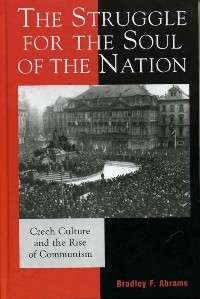
Seeking a more nuanced picture of communist success in gaining state power in Czechoslovakia immediately following World War II than narratives that concentrate solely on machinations of the Kremlin, Abrams (history, Columbia U.) examines the debates that raged within the communist and non-communist intellectual castes. He discusses how the ways intellectuals framed historical questions of their recent experiences of the Munich Accords and the Second World War impacted attitudes towards East vs. West cultural orientations. He then examines the development of the various political questions facing postwar Czechoslovakia and their influence in allowing the communists to seize power. Annotation 漏2004 Book News, Inc., Portland, OR (booknews.com)
Publisher Summary 2
This original study revisits the critical historical and cultural debates in Czech society immediately following World War II. Bradley F. Abrams discovers that communist public figures were largely successful in controlling the discourse over the nation's recent past_the interwar First Republic and the experiences of Munich and World War II_and over its location on the East-West continuum. This success was later mirrored in the struggles over socialism, the burning political issue of the time. The communists engaged their political foes in the democratic socialist and Roman Catholic camps, and, surprisingly, found significant support from a major Protestant church. The author's careful reading of major publications of the day vividly recreates a postwar mood sympathetic to radical social change, thus casting doubt on the standard view of the communists' rise to power. A rich contribution to our understanding of Czech history, this book also raises provocative questions about the relationship between war and radical social change, the communist takeover of the region, and the role of intellectuals in public life.
目录
Acknowledgments p. vii
Introduction: The Cold War and Contemporary Understandings of the Communist Takeover of Czechoslovakia p. 1
Part I Czech Intellectuals Enter the Postwar World
1 World War II and the East European Revolution p. 9
2 Intellectuals in the Czech Environment p. 39
3 Four Groups of Postwar Czech Intellectuals p. 53
Part II The Interpretation and Reinterpretation of Czech History and the Reorientation of the Czech Nation
4 The Communist Aim: The Creation of a New Czechoslovakia p. 89
5 The Battle over the Recent Past I: The Experiences of Munich and World War II p. 104
6 The Battle over the Recent Past II: The First Republic and Tomas G. Masaryk p. 118
7 The Shift in Sensibilities and Generations: May 5, 1945, versus October 28, 1918 p. 139
8 The Reorientation of National Identity: Czechs between East and West p. 156
Part III The Meaning of Socialism
9 Socialism and Communist Intellectuals: The "Czechoslovak Road to Socialism" p. 178
10 Socialism and Democratic Socialist Intellectuals: The "New Socialist Ethos" p. 199
11 Socialism and Roman Catholic Intellectuals: The "Fateful Struggle between Spirit and Matter" p. 234
12 Socialism and Protestant Intellectuals: The "Kingdom of God on Earth"? p. 253
Conclusion: The End of Czechoslovak Democracy and the Rise of Communism in Eastern Europe p. 275
Appendix p. 289
Notes p. 296
Bibliography p. 347
Index p. 357
About the Author p. 363
Introduction: The Cold War and Contemporary Understandings of the Communist Takeover of Czechoslovakia p. 1
Part I Czech Intellectuals Enter the Postwar World
1 World War II and the East European Revolution p. 9
2 Intellectuals in the Czech Environment p. 39
3 Four Groups of Postwar Czech Intellectuals p. 53
Part II The Interpretation and Reinterpretation of Czech History and the Reorientation of the Czech Nation
4 The Communist Aim: The Creation of a New Czechoslovakia p. 89
5 The Battle over the Recent Past I: The Experiences of Munich and World War II p. 104
6 The Battle over the Recent Past II: The First Republic and Tomas G. Masaryk p. 118
7 The Shift in Sensibilities and Generations: May 5, 1945, versus October 28, 1918 p. 139
8 The Reorientation of National Identity: Czechs between East and West p. 156
Part III The Meaning of Socialism
9 Socialism and Communist Intellectuals: The "Czechoslovak Road to Socialism" p. 178
10 Socialism and Democratic Socialist Intellectuals: The "New Socialist Ethos" p. 199
11 Socialism and Roman Catholic Intellectuals: The "Fateful Struggle between Spirit and Matter" p. 234
12 Socialism and Protestant Intellectuals: The "Kingdom of God on Earth"? p. 253
Conclusion: The End of Czechoslovak Democracy and the Rise of Communism in Eastern Europe p. 275
Appendix p. 289
Notes p. 296
Bibliography p. 347
Index p. 357
About the Author p. 363
- 名称
- 类型
- 大小
光盘服务联系方式: 020-38250260 客服QQ:4006604884
云图客服:
用户发送的提问,这种方式就需要有位在线客服来回答用户的问题,这种 就属于对话式的,问题是这种提问是否需要用户登录才能提问
Video Player
×
Audio Player
×
pdf Player
×
