

微信扫一扫,移动浏览光盘
简介
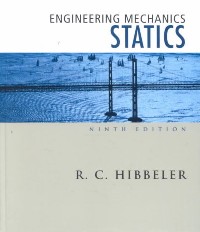
This best-selling book offers a concise and thorough presentation of engineering mechanics theory and application. The material is reinforced with numerous examples to illustrate principles and imaginative, well-illustrated problems of varying degrees of difficulty. The book is committed to developing its users' problem-solving skills and includes pedagogical features that have made Hibbeler synonymous with excellence in the field. Chapter topics cover general principles, force vectors, equilibrium of a particle, force system resultants, equilibrium of a rigid body, structural analysis, internal forces, friction, center of gravity and centroid, moments of inertia, virtual work, kinematics of a particle, kinetics of a particle: force and acceleration, kinetics of a particle: work and energy, kinetics of a particle: impulse and momentum, planar kinematics of a rigid body, planar kinetics of a rigid body: force and acceleration, planar kinetics of a rigid body: work and energy, planar kinetics of a rigid body: impulse and momentum, three-dimensional kinematics of a rigid body, three-dimensional kinetics of a rigid body, and vibrations. For individuals involved in the study of mechanical/civil/aeronautical engineering.
目录
Table Of Contents:
Statics
General Principles 3(14)
Chapter Objectives 3(1)
Mechanics 3(1)
Fundamental Concepts 4(2)
Units of Measurement 6(2)
The International System of Units 8(9)
Numerical Calculations 10(7)
Force Vectors 17(64)
Chapter Objectives 17(1)
Scalars and Vectors 17(1)
Vector Operations 18(2)
Vector Addition of Forces 20(11)
Addition of a System of Coplanar Forces 31(11)
Cartesian Vectors 42(4)
Addition and Subtraction of Cartesian Vectors 46(9)
Position Vectors 55(3)
Force Vector Directed Along a Line 58(10)
Dot Product 68(13)
Equilibrium of a Particle 81(32)
Chapter Objectives 81(1)
Condition for the Equilibrium of a Particle 81(1)
The Free-Body Diagram 82(3)
Coplanar Force Systems 85(13)
Three-Dimensional Force Systems 98(15)
Force System Resultants 113(80)
Chapter Objectives 113(1)
Moment of a Force---Scalar Formulation 113(5)
Cross Product 118(3)
Moment of a Force---Vector Formulation 121(5)
Principle of Moments 126(12)
Moment of a Force About a Specified Axis 138(10)
Moment of a Couple 148(12)
Equivalent System 160(2)
Resultants of a Force and Couple System 162(4)
Further Reduction of a Force and Couple System 166(14)
Reduction of a Simple Distributed Loading 180(13)
Equilibrium of a Rigid Body 193(64)
Chapter Objectives 193(1)
Conditions for Rigid-Body Equilibrium 193(2)
Equilibrium in Two Dimensions 195(1)
Free-Body Diagrams 195(14)
Equations of Equilibrium 209(9)
Two- and Three-Force Members 218(13)
Equilibrium in Three Dimensions 231(1)
Free-Body Diagrams 231(6)
Equations of Equilibrium 237(1)
Constraints for a Rigid Body 238(19)
Structural Analysis 257(66)
Chapter Objectives 257(1)
Simple Trusses 257(3)
The Method of Joints 260(6)
Zero-Force Members 266(7)
The Method of Sections 273(10)
Space Trusses 283(4)
Frames and Machines 287(36)
Internal Forces 323(54)
Chapter Objectives 323(1)
Internal Forces Developed in Structural Members 323(17)
Shear and Moment Equations and Diagrams 340(8)
Relations Between Distributed Load, Shear, and Moment 348(10)
Cables 358(19)
Friction 377(58)
Chapter Objectives 377(1)
Characteristics of Dry Friction 377(4)
Problems Involving Dry Friction 381(21)
Wedges 402(2)
Frictional Forces on Screws 404(8)
Frictional Forces on Flat Belts 412(7)
Frictional Forces on Collar Bearings, Pivot Bearings, and Disks 419(3)
Frictional Forces on Journal Bearings 422(2)
Rolling Resistance 424(11)
Center of Gravity and Centroid 435(62)
Chapter Objectives 435(1)
Center of Gravity and Center of Mass for a System of Particles 435(2)
Center of Gravity, Center of Mass, and Centroid for a Body 437(22)
Composite Bodies 459(14)
Theorems of Pappus and Guldinus 473(8)
Resultant of a General Distributed Loading 481(1)
Fluid Pressure 482(15)
Moments of Inertia 497(52)
Chapter Objectives 497(1)
Definition of Moments of Inertia for Areas 497(2)
Parallel---Axis Theorem for an Area 499(1)
Radius of Gyration of an Area 499(1)
Moments of Inertia for an Area by Integration 500(8)
Moments of Inertia for Composite Areas 508(8)
Product of Inertia for an Area 516(4)
Moments of Inertia for an Area About Inclined Axes 520(3)
Mohr's Circle for Moments of Inertia 523(10)
Mass Moment of Inertia 533(16)
Virtual Work 549(60)
Chapter Objectives 549(1)
Definition of Work and Virtual Work 549(3)
Principle of Virtual Work for a Particle and a Rigid Body 552(1)
Principle of Virtual Work for a System of Connected Rigid Bodies 553(13)
Conservative Forces 566(1)
Potential Energy 567(1)
Potential-Energy Criterion for Equilibrium 568(2)
Stability of Equilibrium 570(12)
Appendixies
A. Mathematical Expressions 582(2)
B. Numerical and Computer Analysis 584(6)
C. Review for the Fundamentals of Engineering Examination 590(19)
Answers 609(13)
Index 622
Statics
General Principles 3(14)
Chapter Objectives 3(1)
Mechanics 3(1)
Fundamental Concepts 4(2)
Units of Measurement 6(2)
The International System of Units 8(9)
Numerical Calculations 10(7)
Force Vectors 17(64)
Chapter Objectives 17(1)
Scalars and Vectors 17(1)
Vector Operations 18(2)
Vector Addition of Forces 20(11)
Addition of a System of Coplanar Forces 31(11)
Cartesian Vectors 42(4)
Addition and Subtraction of Cartesian Vectors 46(9)
Position Vectors 55(3)
Force Vector Directed Along a Line 58(10)
Dot Product 68(13)
Equilibrium of a Particle 81(32)
Chapter Objectives 81(1)
Condition for the Equilibrium of a Particle 81(1)
The Free-Body Diagram 82(3)
Coplanar Force Systems 85(13)
Three-Dimensional Force Systems 98(15)
Force System Resultants 113(80)
Chapter Objectives 113(1)
Moment of a Force---Scalar Formulation 113(5)
Cross Product 118(3)
Moment of a Force---Vector Formulation 121(5)
Principle of Moments 126(12)
Moment of a Force About a Specified Axis 138(10)
Moment of a Couple 148(12)
Equivalent System 160(2)
Resultants of a Force and Couple System 162(4)
Further Reduction of a Force and Couple System 166(14)
Reduction of a Simple Distributed Loading 180(13)
Equilibrium of a Rigid Body 193(64)
Chapter Objectives 193(1)
Conditions for Rigid-Body Equilibrium 193(2)
Equilibrium in Two Dimensions 195(1)
Free-Body Diagrams 195(14)
Equations of Equilibrium 209(9)
Two- and Three-Force Members 218(13)
Equilibrium in Three Dimensions 231(1)
Free-Body Diagrams 231(6)
Equations of Equilibrium 237(1)
Constraints for a Rigid Body 238(19)
Structural Analysis 257(66)
Chapter Objectives 257(1)
Simple Trusses 257(3)
The Method of Joints 260(6)
Zero-Force Members 266(7)
The Method of Sections 273(10)
Space Trusses 283(4)
Frames and Machines 287(36)
Internal Forces 323(54)
Chapter Objectives 323(1)
Internal Forces Developed in Structural Members 323(17)
Shear and Moment Equations and Diagrams 340(8)
Relations Between Distributed Load, Shear, and Moment 348(10)
Cables 358(19)
Friction 377(58)
Chapter Objectives 377(1)
Characteristics of Dry Friction 377(4)
Problems Involving Dry Friction 381(21)
Wedges 402(2)
Frictional Forces on Screws 404(8)
Frictional Forces on Flat Belts 412(7)
Frictional Forces on Collar Bearings, Pivot Bearings, and Disks 419(3)
Frictional Forces on Journal Bearings 422(2)
Rolling Resistance 424(11)
Center of Gravity and Centroid 435(62)
Chapter Objectives 435(1)
Center of Gravity and Center of Mass for a System of Particles 435(2)
Center of Gravity, Center of Mass, and Centroid for a Body 437(22)
Composite Bodies 459(14)
Theorems of Pappus and Guldinus 473(8)
Resultant of a General Distributed Loading 481(1)
Fluid Pressure 482(15)
Moments of Inertia 497(52)
Chapter Objectives 497(1)
Definition of Moments of Inertia for Areas 497(2)
Parallel---Axis Theorem for an Area 499(1)
Radius of Gyration of an Area 499(1)
Moments of Inertia for an Area by Integration 500(8)
Moments of Inertia for Composite Areas 508(8)
Product of Inertia for an Area 516(4)
Moments of Inertia for an Area About Inclined Axes 520(3)
Mohr's Circle for Moments of Inertia 523(10)
Mass Moment of Inertia 533(16)
Virtual Work 549(60)
Chapter Objectives 549(1)
Definition of Work and Virtual Work 549(3)
Principle of Virtual Work for a Particle and a Rigid Body 552(1)
Principle of Virtual Work for a System of Connected Rigid Bodies 553(13)
Conservative Forces 566(1)
Potential Energy 567(1)
Potential-Energy Criterion for Equilibrium 568(2)
Stability of Equilibrium 570(12)
Appendixies
A. Mathematical Expressions 582(2)
B. Numerical and Computer Analysis 584(6)
C. Review for the Fundamentals of Engineering Examination 590(19)
Answers 609(13)
Index 622
Engineering mechanics. Statics / 9th ed.
- 名称
- 类型
- 大小
光盘服务联系方式: 020-38250260 客服QQ:4006604884
云图客服:
用户发送的提问,这种方式就需要有位在线客服来回答用户的问题,这种 就属于对话式的,问题是这种提问是否需要用户登录才能提问
Video Player
×
Audio Player
×
pdf Player
×
