

简介
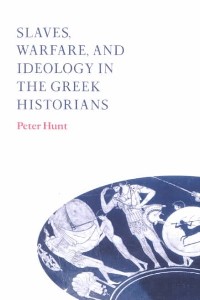
This book challenges conventional opinion by arguing that slaves and Helots played an important part in classical Greek warfare. Although rival city-states often used these classes in their own forces or tried to incite their enemies' slaves to rebellion or desertion, such recruitment was ideologically awkward: slaves or Helots, despised and oppressed classes, should have had no part in the military service so closely linked with citizenship, with rule, and even with an individual's basic worth. Consequently, their participation has tended to drop out of the historical record. Focusing on Herodotus, Thucydides, and Xenophon, this study attempts to demonstrate the actual role played by slaves and Helots in warfare, the systematic neglect of the subject by these historians, and the ideologies motivating this reticence.
目录
Background: warfare, slavery, and ideology
Herodotus: the Persian Wars
Herodotus: freedom or slavery
Thucydides: Helots and Messenians
Thucydides: manning the navies
Thucydides: encouraging slave desertion
Thucydides: the ideology of citizen unity
Xenophon: ideal rulers, ideal slaves
Xenophon: warfare and revolution
Xenophon: the decline of hoplite ideology
Conclusion: Volones, Mamluks, and Confederates
Herodotus: the Persian Wars
Herodotus: freedom or slavery
Thucydides: Helots and Messenians
Thucydides: manning the navies
Thucydides: encouraging slave desertion
Thucydides: the ideology of citizen unity
Xenophon: ideal rulers, ideal slaves
Xenophon: warfare and revolution
Xenophon: the decline of hoplite ideology
Conclusion: Volones, Mamluks, and Confederates
- 名称
- 类型
- 大小
光盘服务联系方式: 020-38250260 客服QQ:4006604884
云图客服:
用户发送的提问,这种方式就需要有位在线客服来回答用户的问题,这种 就属于对话式的,问题是这种提问是否需要用户登录才能提问
Video Player
×
Audio Player
×
pdf Player
×
