

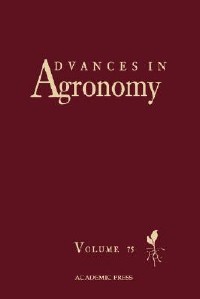
Advances in Agronomy. V.75 /
副标题:无
分类号:
ISBN:9780120007936
微信扫一扫,移动浏览光盘
简介
Advances in Agronomyhas the highest impact factor among serial publications in agriculture. The Science Citation Index, 1986, reports an impact factor over 2,459 and a cited half-life over 10 years.
Volume 75 contains four outstanding reviews dealing with phytoremediation, issues related to water use in China, humic substances, and remote sensing. Chapter 1 is an extensive review on phytoremediation of metals, metalloids, and radionuclides, including discussion on phytoextraction technologies, hyperaccumulator plants, chemically induced phytoextraction, and phytovolatilization. Chapter 2 covers the conservation and use of water in Chinese agriculture including engineering, economic, and agronomic aspects and considerations. Chapter 3 presents advances in understanding the structure of humic substances, particularly the concept of a supramolecular structure. Analytical and molecular scale evidence for this latter structure are presented as well as discussions on the role of humic superstructures in soils. Chapter 4 presents frontiers in quantitative remote sensing of soil properties including principles, methods, mechanisms, and limitations.
Volume 75 contains four outstanding reviews dealing with phytoremediation, issues related to water use in China, humic substances, and remote sensing. Chapter 1 is an extensive review on phytoremediation of metals, metalloids, and radionuclides, including discussion on phytoextraction technologies, hyperaccumulator plants, chemically induced phytoextraction, and phytovolatilization. Chapter 2 covers the conservation and use of water in Chinese agriculture including engineering, economic, and agronomic aspects and considerations. Chapter 3 presents advances in understanding the structure of humic substances, particularly the concept of a supramolecular structure. Analytical and molecular scale evidence for this latter structure are presented as well as discussions on the role of humic superstructures in soils. Chapter 4 presents frontiers in quantitative remote sensing of soil properties including principles, methods, mechanisms, and limitations
目录
Front Cover 1
Advances in Agronomy 4
Copyright Page 5
Contents 6
Contributors 8
Preface 10
Chapter 1. Phytoremediation of Metals, Mettaloids, and Radionuclides 12
I. Introduction 13
II. Phytoextraction Using Hyperaccumulator Plants 17
III.Chemically Enhanced Phytoextraction 37
IV. Phytovolatilization 50
V. Summary and Future Directions 55
Reference 57
Chapter 2. The Supramolecular Structure of Humic Substances: A Novel Understanding of Humus Chemistry and Implications in Soil Science 68
I. Introduction 69
II. Paradigmatic View of Humus Chemistry 70
III. The Dilemma of the Conformational Structure of Humic Substances 74
IV. Size-Exclusion Chromatogarphy of Humic Substances 77
V. Supramolecular Associations of Self-Assembling Humic Molecules 86
VI. Chemical and Spectroscopic Evidence of Supramolecular Association 116
VII. Turning Loose Humic Superstructures into Stable Polymers 120
VIII. Role of Hydrophobic Humic Superstructures in Soil 126
IX. Future Perspectives in Research and Technology 136
Reference 137
Chapter 3. Water-Saving Agriculture in China: An Overview 146
I. Introduction 147
II. Water-Saving Agriculture as a System 150
III. Water-Use Efficiency 151
IV. A Rationale for the Use of Water Resources 154
V. Water-Saving Engineering Measures 161
VI. Water-Saving Agronomic Practices 165
VII. Water-Saving Management 174
VIII. Concluding Remarks 178
References 179
Chapter 4. Quantitative Remote Sensing of Soil Properties 184
I. Introduction 185
II. Principles of Quantitative Remote Sensing of Soils 194
III. Mechanisms of the Soil-Radiation Interactions 198
IV. Problems in Quantitative Remote Sensing of Soil 217
V. Parameters Affecting the Remote Sensing of Soil 229
VI. High-Spectral-Resolution Sensors 233
VII. General Analytical Methods 236
VIII. Closing Remarks and Recent Examples 239
References 242
Index 256
Advances in Agronomy 4
Copyright Page 5
Contents 6
Contributors 8
Preface 10
Chapter 1. Phytoremediation of Metals, Mettaloids, and Radionuclides 12
I. Introduction 13
II. Phytoextraction Using Hyperaccumulator Plants 17
III.Chemically Enhanced Phytoextraction 37
IV. Phytovolatilization 50
V. Summary and Future Directions 55
Reference 57
Chapter 2. The Supramolecular Structure of Humic Substances: A Novel Understanding of Humus Chemistry and Implications in Soil Science 68
I. Introduction 69
II. Paradigmatic View of Humus Chemistry 70
III. The Dilemma of the Conformational Structure of Humic Substances 74
IV. Size-Exclusion Chromatogarphy of Humic Substances 77
V. Supramolecular Associations of Self-Assembling Humic Molecules 86
VI. Chemical and Spectroscopic Evidence of Supramolecular Association 116
VII. Turning Loose Humic Superstructures into Stable Polymers 120
VIII. Role of Hydrophobic Humic Superstructures in Soil 126
IX. Future Perspectives in Research and Technology 136
Reference 137
Chapter 3. Water-Saving Agriculture in China: An Overview 146
I. Introduction 147
II. Water-Saving Agriculture as a System 150
III. Water-Use Efficiency 151
IV. A Rationale for the Use of Water Resources 154
V. Water-Saving Engineering Measures 161
VI. Water-Saving Agronomic Practices 165
VII. Water-Saving Management 174
VIII. Concluding Remarks 178
References 179
Chapter 4. Quantitative Remote Sensing of Soil Properties 184
I. Introduction 185
II. Principles of Quantitative Remote Sensing of Soils 194
III. Mechanisms of the Soil-Radiation Interactions 198
IV. Problems in Quantitative Remote Sensing of Soil 217
V. Parameters Affecting the Remote Sensing of Soil 229
VI. High-Spectral-Resolution Sensors 233
VII. General Analytical Methods 236
VIII. Closing Remarks and Recent Examples 239
References 242
Index 256
Advances in Agronomy. V.75 /
- 名称
- 类型
- 大小
光盘服务联系方式: 020-38250260 客服QQ:4006604884
云图客服:
用户发送的提问,这种方式就需要有位在线客服来回答用户的问题,这种 就属于对话式的,问题是这种提问是否需要用户登录才能提问
Video Player
×
Audio Player
×
pdf Player
×
