

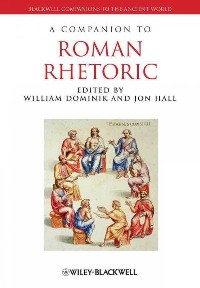
简介
Summary:
Publisher Summary 1
Quintilian expanded Cicero' concepts of oratorical gesture from the decidedly robotic three to the much more natural 20, thereby allowing in emotion. Ovid expanded on self-analysis and disclosure while number of orators and rhetoricians proved themselves to be adept at wit. The influence of Roman rhetoric continued unabated until the Renaissance and continues to be a lively source of study today. The 32 comprehensive essays here prove this point as they examine the roots of Roman rhetoric within its own and the Greek tradition, including its expression in oratory, the social context of representations of the Republic and early empire, the systematization of rhetoric into handbooks and models of style, memory and humor, and the panoply of Roman rhetoricians, grammarians, and teachers. The final section is devoted to the impact of Roman rhetoric on Roman literature, exploring such authors as Virgil, Lucan, Horace, Ovid, Persius, Juvenal and Seneca. Annotation 漏2007 Book News, Inc., Portland, OR (booknews.com)
Publisher Summary 2
A Companion to Roman Rhetoricintroduces the reader to the wide-ranging importance of rhetoric in Roman culture.A guide to Roman rhetoric from its origins to the Renaissance and beyondComprises 32 original essays by leading international scholarsExplores major figures Cicero and Quintilian in-depthCovers a broad range of topics such as rhetoric and politics, gender, status, self-identity, education, and literatureProvides suggestions for further reading at the end of each chapterIncludes a glossary of technical terms and an index of proper names and rhetorical concepts
目录
Table Of Contents:
Notes on Contributors.
Preface.
Texts and Abbreviations.
Part I: Approaching Rhetoric:.
1. Confronting Roman Rhetoric: William Dominik and Jon Hall (University of Otago).
2. Modern Critical Approaches to Roman Rhetoric: John Dugan (University at Buffalo).
3. Greek Rhetoric Meets Rome: Expansion, Resistance, and Acculturation: Sarah Culpepper Stroup (University of Washington).
4. Native Roman Rhetoric: Plautus and Terence: John Barsby (University of Otago).
5. Roman Oratory Before Cicero: The Elder Cato and Gaius Gracchus: Enrica Sciarrino (University of Canterbury).
Part II: Rhetoric and Its Social Context:.
6. Rhetorical Education and Social Reproduction in the Republic and Early Empire: Anthony Corbeill (University of Kansas).
7. Virile Tongues: Rhetoric and Masculinity: Joy Connolly (New York University).
8. Oratory, Rhetoric, and Politics in the Republic: Michael C. Alexander (University of Illinois).
9. Oratory and Politics in the Empire: Steven H. Rutledge (University of Maryland).
10. Roman Senatorial Oratory: John Ramsey (University of Illinois).
11. Panegyric: Roger Rees (University of St Andrews).
12. Roman Oratorical Invective: Valentina Arena (University College, London).
Part III: Systematizing Rhetoric:.
13. Roman Rhetorical Handbooks: Robert N. Gaines (University of Maryland).
14. Elocutio: Latin Prose Style: Roderich Kirchner (Friedrich-Schiller University).
15. Memory and the Roman Orator: Jocelyn Penny Small (Rutgers University).
16. Wit and Humor in Roman Rhetoric: Edwin Rabbie (Constantijn Huygens Institute of the Royal Netherlands Academy of Arts and Sciences).
17. Oratorical Delivery and the Emotions: Theory and Practice: Jon Hall (University of Otago).
Part IV: Rhetoricians and Orators:.
18. Lost Orators of Rome: Catherine Steel (University of Glasgow).
19. Cicero as Rhetorician: James M. May (St. Olaf College).
20. Cicero as Orator: Christopher P. Craig (University of Tennessee).
21. Grammarians and Rhetoricians: Charles McNelis (Georgetown University).
22. Roman Declamation: The Elder Seneca and Quintilian: W. Martin Bloomer (University of Notre Dame).
23. Quintilian as Rhetorician and Teacher: Jorge Fernandez Lopez (University of La Rioja).
24. Tacitus and Pliny on Oratory: William Dominik (University of Otago).
25. Rhetoric and the Second Sophistic: Graham Anderson (University of Kent).
26. Roman Rhetoric and its Afterlife: John O. Ward (University of Sydney).
Part V: Rhetoric and Roman Literature:.
27. Rhetoric and Literature at Rome: Matthew Fox (University of Birmingham).
28. Rhetoric and Epic: Vergil's Aeneid and Lucan's Bellum Civile: Emanuele Narducci (University of Florence).
29. Rhetoric and Satire: Horace, Persius, and Juvenal: Dan Hooley (University of Missouri).
30. Rhetoric and Ovid: Ulrike Auhagen (University of Freiburg).
31. Rhetoric and the Younger Seneca: Marcus Wilson (University of Auckland).
32. Rhetoric and Historiography: Cynthia Damon (Amherst College).
Bibliography.
Glossary of Technical Terms.
Index Locorum.
General Index
Notes on Contributors.
Preface.
Texts and Abbreviations.
Part I: Approaching Rhetoric:.
1. Confronting Roman Rhetoric: William Dominik and Jon Hall (University of Otago).
2. Modern Critical Approaches to Roman Rhetoric: John Dugan (University at Buffalo).
3. Greek Rhetoric Meets Rome: Expansion, Resistance, and Acculturation: Sarah Culpepper Stroup (University of Washington).
4. Native Roman Rhetoric: Plautus and Terence: John Barsby (University of Otago).
5. Roman Oratory Before Cicero: The Elder Cato and Gaius Gracchus: Enrica Sciarrino (University of Canterbury).
Part II: Rhetoric and Its Social Context:.
6. Rhetorical Education and Social Reproduction in the Republic and Early Empire: Anthony Corbeill (University of Kansas).
7. Virile Tongues: Rhetoric and Masculinity: Joy Connolly (New York University).
8. Oratory, Rhetoric, and Politics in the Republic: Michael C. Alexander (University of Illinois).
9. Oratory and Politics in the Empire: Steven H. Rutledge (University of Maryland).
10. Roman Senatorial Oratory: John Ramsey (University of Illinois).
11. Panegyric: Roger Rees (University of St Andrews).
12. Roman Oratorical Invective: Valentina Arena (University College, London).
Part III: Systematizing Rhetoric:.
13. Roman Rhetorical Handbooks: Robert N. Gaines (University of Maryland).
14. Elocutio: Latin Prose Style: Roderich Kirchner (Friedrich-Schiller University).
15. Memory and the Roman Orator: Jocelyn Penny Small (Rutgers University).
16. Wit and Humor in Roman Rhetoric: Edwin Rabbie (Constantijn Huygens Institute of the Royal Netherlands Academy of Arts and Sciences).
17. Oratorical Delivery and the Emotions: Theory and Practice: Jon Hall (University of Otago).
Part IV: Rhetoricians and Orators:.
18. Lost Orators of Rome: Catherine Steel (University of Glasgow).
19. Cicero as Rhetorician: James M. May (St. Olaf College).
20. Cicero as Orator: Christopher P. Craig (University of Tennessee).
21. Grammarians and Rhetoricians: Charles McNelis (Georgetown University).
22. Roman Declamation: The Elder Seneca and Quintilian: W. Martin Bloomer (University of Notre Dame).
23. Quintilian as Rhetorician and Teacher: Jorge Fernandez Lopez (University of La Rioja).
24. Tacitus and Pliny on Oratory: William Dominik (University of Otago).
25. Rhetoric and the Second Sophistic: Graham Anderson (University of Kent).
26. Roman Rhetoric and its Afterlife: John O. Ward (University of Sydney).
Part V: Rhetoric and Roman Literature:.
27. Rhetoric and Literature at Rome: Matthew Fox (University of Birmingham).
28. Rhetoric and Epic: Vergil's Aeneid and Lucan's Bellum Civile: Emanuele Narducci (University of Florence).
29. Rhetoric and Satire: Horace, Persius, and Juvenal: Dan Hooley (University of Missouri).
30. Rhetoric and Ovid: Ulrike Auhagen (University of Freiburg).
31. Rhetoric and the Younger Seneca: Marcus Wilson (University of Auckland).
32. Rhetoric and Historiography: Cynthia Damon (Amherst College).
Bibliography.
Glossary of Technical Terms.
Index Locorum.
General Index
- 名称
- 类型
- 大小
光盘服务联系方式: 020-38250260 客服QQ:4006604884
云图客服:
用户发送的提问,这种方式就需要有位在线客服来回答用户的问题,这种 就属于对话式的,问题是这种提问是否需要用户登录才能提问
Video Player
×
Audio Player
×
pdf Player
×
