

简介
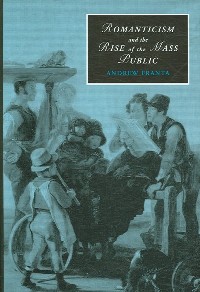
Dramatic changes in the reading public and literary market in early nineteenth-century England not only altered the relationship between poet and reader but prompted new conceptions of the poetic text, literary reception, and authorship. With the decline of patronage, the rise of the novel and the periodical press, and the emergence of the mass reading public, poets could no longer assume the existence of an audience for poetry. Andrew Franta examines how the reconfigurations of the literary market and the publishing context transformed the ways poets conceived of their audience and the forms of poetry itself. Through readings of Wordsworth, Byron, Shelley, Keats, Hemans, and Tennyson, and with close attention to key literary, political, and legal debates, Franta proposes a new reading of Romanticism and its contribution to modern conceptions of politics and publicity.
目录
Cover 1
Half-title 3
Series title 4
Title 5
Copyright 6
Dedication 7
Contents 9
Acknowledgments 10
Introduction: The regime of publicity 11
CHAPTER 1 Public opinion from Burke to Byron 29
Certain Societies in London 32
The Burke Problem and Public Opinion 37
Byron and the Triumphs of the Schools 45
Digesting don juan 55
CHAPTER 2 Wordsworth's audience problem 65
A Man Speaking to Men 71
The Politics of Reading 78
CHAPTER 3 Keats and the review aesthetic 86
Keats's Life of Allegory 88
Poetry, Reviewing, Recommendation 94
The Aesthetic Domain of the Early Sonnets 105
CHAPTER 4 Shelley and the politics of political poetry 121
Poetry and Political Indirection 124
Prophecy in Reverse 129
A Poetics of Reception 137
Transmission as Transcendence 145
CHAPTER 5 The art of printing and the law of libel 147
Romantic authorship and the law 149
The literary theory of the law of libel 154
Recalling words in prometheus unbound 162
Dead letter and electric life 170
CHAPTER 6 The right of private judgment 175
Tennyson and the Unceremonious World 178
Hemans and the Great Theater of the World 187
Notes 196
Introduction: The regime of publicity 196
1 Public opinion from Burke to Byron 210
2 Wordsworth's audience problem 210
3 Keats and the review aesthetic 216
4 Shelley and the politics of political poetry 219
5 The art of printing and the law of libel 225
6 The right of private judgment 233
Bibliography 237
Index 251
Half-title 3
Series title 4
Title 5
Copyright 6
Dedication 7
Contents 9
Acknowledgments 10
Introduction: The regime of publicity 11
CHAPTER 1 Public opinion from Burke to Byron 29
Certain Societies in London 32
The Burke Problem and Public Opinion 37
Byron and the Triumphs of the Schools 45
Digesting don juan 55
CHAPTER 2 Wordsworth's audience problem 65
A Man Speaking to Men 71
The Politics of Reading 78
CHAPTER 3 Keats and the review aesthetic 86
Keats's Life of Allegory 88
Poetry, Reviewing, Recommendation 94
The Aesthetic Domain of the Early Sonnets 105
CHAPTER 4 Shelley and the politics of political poetry 121
Poetry and Political Indirection 124
Prophecy in Reverse 129
A Poetics of Reception 137
Transmission as Transcendence 145
CHAPTER 5 The art of printing and the law of libel 147
Romantic authorship and the law 149
The literary theory of the law of libel 154
Recalling words in prometheus unbound 162
Dead letter and electric life 170
CHAPTER 6 The right of private judgment 175
Tennyson and the Unceremonious World 178
Hemans and the Great Theater of the World 187
Notes 196
Introduction: The regime of publicity 196
1 Public opinion from Burke to Byron 210
2 Wordsworth's audience problem 210
3 Keats and the review aesthetic 216
4 Shelley and the politics of political poetry 219
5 The art of printing and the law of libel 225
6 The right of private judgment 233
Bibliography 237
Index 251
- 名称
- 类型
- 大小
光盘服务联系方式: 020-38250260 客服QQ:4006604884
云图客服:
用户发送的提问,这种方式就需要有位在线客服来回答用户的问题,这种 就属于对话式的,问题是这种提问是否需要用户登录才能提问
Video Player
×
Audio Player
×
pdf Player
×
