

微信扫一扫,移动浏览光盘
简介
Summary:
Publisher Summary 1
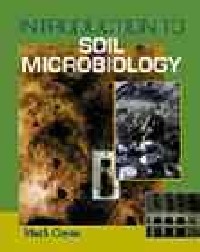
Soil Microbiology is a user-friendly introduction to the incredible world of soil microbiology. The microscopic life in soil influences virtually everything in our lives from the water we drink, the food we eat, to the air we breathe. Understanding something about the life in soil, appreciating the things that these life forms do, and seeing how these activities influence our world is the goal of this textbook. This is a book you can actually read and comprehend with a minimum exposure to soil science or microbiology. It's appropriate for advanced high school students and college students just embarking on the study of environmental science. The textbook describes the life in soil in numerous short chapters that explain the basic concepts of soil microbiology in simple terms. Soil Microbiology is full of pictures that illustrate each chapter's content, and it takes the reader through graphs and figures that a soil microbiologist would be interpreting every day. For almost every topic, the textbook provides a brief description of the procedures by which that information was obtained. The questions at the end of each chapter not only test the reader's general knowledge, but also stimulate them to think in broader, more abstract terms. Each chapter also has questions that help the reader use the math skills a typical soil microbiologist might use. Three large appendixes provide the reader with a glossary of common soil microbiology terms, a complete list and pronunciation guide of all the microorganisms listed in the textbook, and a time line that puts some of the events in soil microbiology into historical perspective.
Publisher Summary 2
This is the ideal book for anyone with a beginning interest in soil science or microbiology. This comprehensive, easy-to-follow book describes soil organisms, explains what they do and why. It shows how they directly influence the food we eat, the water we drink and the air we breathe. A must for anyone studying or pursuing a career in the natural sciences and environmentalism.
Publisher Summary 3
Introduction to Soil Microbiology is a user-friendly introduction to the incredible world of soil microbiology. The microscopic life in soil influences virtually everything in our lives from the water we drink, the food we eat, to the air we breathe. Understanding something about the life in soil, appreciate the things that these life forms do, and seeing how these activities influence our world is the goal of this textbook. This is a book you can actually read and comprehend with a minimum exposure to soil science or microbiology.ALSO AVAILABLELab Manual, ISBN: 0-8273-8435-1INSTRUCTOR SUPPLEMENTS CALL CUSTOMER SUPPORT TO ORDERInstructor's Manual for Lab Manual, ISBN: 0-8273-8436-XInstructor's Manual, ISBN: 0-8273-8437-8
目录
Table Of Contents:
Preface xv
SECTION 1 Introduction to Soil Microorganisms and Microbiology 1(40)
A Historical Perspective of Soil Microbiology 3(10)
Overview 3(1)
Why Study Soil Microbiology? 4(1)
A Philosophical Look At Soil 4(1)
Approaches to Studying Soil Microbiology 5(1)
A Historical Overview of Soil Microbiology 5(5)
Current Topics in Soil Microbiology 10(1)
Summary 11(1)
Sample Questions 11(1)
Thought Question 11(1)
Additional Reading 11(1)
References 12(1)
Microbial Growth and Metabolism 13(14)
Overview 13(1)
Introduction 14(1)
What Do Microorganisms Need to Grow? 14(3)
Mineral Nutrients and Growth Factors 14(1)
Carbon and Energy Sources 15(1)
Oxygen Requirements 16(1)
Oxidation/Reduction (Redox) Reactions 17(1)
Methods of Metabolism 18(3)
Photosynthesis 21(3)
Microbial Growth---Nutrient and Substrate Uptake 24(1)
Summary 25(1)
Sample Questions 25(1)
Thought Question 25(1)
Additional Reading 26(1)
References 26(1)
Soil Enzymes 27(14)
Overview 27(1)
Introduction 28(1)
What Is an Enzyme? 28(1)
What Are Enzymes Made Of? 29(1)
Enzyme Conformation and Structure 30(1)
What are the Types of Enzymes? 30(2)
Enzyme Kinetics 32(1)
Enzymes in the Soil Environment 33(2)
Extracellular Enzymes 35(3)
Summary 38(1)
Sample Questions 38(1)
Thought Question 39(1)
Additional Reading 39(1)
References 39(2)
SECTION 2: The Soil Microbial Community 41(96)
The Macrofauna---Ants, Earthworms, and Other Creatures 43(16)
Overview 43(1)
Introduction 44(1)
Macrofauna Contribution to Biomass 44(1)
The Role of Macrofauna 44(4)
Classification of Macrofauna 48(1)
Types of Macrofauna 48(4)
Arthropods 48(1)
Arachnids (Mites) 48(2)
Myriapoda (Centipedes and Millipedes) 50(1)
Collembola (Springtails) 51(1)
Isoptera (Termites) 51(1)
Mollusca (Snails and Slugs) 51(1)
Enchytraeidae (Potworms) 51(1)
Earthworms 52(3)
Summary 55(1)
Sample Questions 56(1)
Thought Question 56(1)
Additional Reading 57(1)
References 57(2)
The Mesofauna---Nematodes 59(8)
Overview 59(1)
Introduction 60(1)
Nematodes---General Introduction 60(1)
Nematode Classification 61(1)
Nematode Ecology 62(3)
Summary 65(1)
Sample Questions 65(1)
Thought Question 65(1)
Additional Reading 66(1)
References 66(1)
The Microfauna---Protozoa and Archezoa 67(10)
Overview 67(1)
Introduction 68(1)
Morphology and Classification 68(4)
Mastigophora 68(2)
Sarcodina 70(1)
Ciliophora 70(1)
Sporozoa 71(1)
Populations 72(1)
Growth 72(1)
Feeding 73(1)
Ecology 74(1)
Summary 75(1)
Sample Questions 75(1)
Thought Question 76(1)
Additional Reading 76(1)
References 76(1)
The Chromista---Algae 77(9)
Overview 77(1)
Introduction---What Are Chromista? 78(1)
What Are Algae? 78(1)
Important Algae Groups in Soil 79(2)
Green Algae (Chlorophyta) 79(1)
Diatoms 80(1)
Yellow-Green Algae (Xanthophyta) 81(1)
Where Are Algae Found? 81(1)
Environmental Effects 82(1)
Summary 83(1)
Sample Questions 84(1)
Thought Questions 84(1)
Additional Reading 84(1)
References 84(2)
Fungi 86(14)
Overview 86(1)
Introduction 87(1)
Characterization 87(2)
Types of Fungi 89(2)
Slime Molds---Myxomycetes 89(1)
Flagellated Fungi---Oomycetes 89(1)
Sugar Fungi---Zygomycetes 89(1)
Higher Fungi 90(1)
Imperfect Fungi 90(1)
Sterile Mycelia 90(1)
Habitats and Environmental Influences 91(3)
Functional Role 94(1)
Competitive Saprophytic Growth 94(1)
Survival and Propagation 95(2)
Nematode-Trapping Fungi 97(1)
Summary 98(1)
Sample Questions 98(1)
Thought Question 99(1)
Additional Reading 99(1)
References 99(1)
Filamentous Prokaryotes---Actinomycetes 100(11)
Overview 100(1)
Introduction 101(1)
Characteristics of Actinomycetes 101(1)
Environments and Populations 102(1)
Classification 103(1)
Antibiotics 104(2)
Antibiotic Resistance 106(2)
Summary 108(1)
Sample Questions 108(1)
Thought Question 109(1)
Additional Reading 109(1)
References 109(2)
The Rest of the Prokaryotic World 111(13)
Overview 111(1)
Introduction 112(1)
Taxonomy 112(1)
Morphology 113(1)
Why Are Bacteria Small? 113(3)
Cell Structure 116(3)
Ecology and Distribution of Bacteria 119(1)
Important Soil Bacteria 120(1)
Summary 121(1)
Sample Questions 121(1)
Thought Question 122(1)
Additional Reading 122(1)
References 123(1)
Mycoplasmas, Viruses, Viroids, and Prions---The Rest of the Microbiota 124(13)
Overview 124(1)
Introduction 125(1)
Mycoplasmas 125(1)
Viruses 125(1)
Physiology and Morphology 126(4)
Virus Life Cycles 130(1)
Virus Ecology 131(1)
Viroids 131(3)
Prions 134(1)
Summary 134(1)
Sample Questions 135(1)
Thought Questions 136(1)
Additional Reading 136(1)
References 136(1)
SECTION 3 The Soil As a Microbial Environment 137(44)
Soil As a Microbial Habitat 139(19)
Overview 139(1)
Introduction 140(1)
Soil Formation, Morphology, and Classification 140(4)
Aggregates 144(2)
Pores 146(1)
Soil Atmospheres 147(2)
Soil Surfaces 149(1)
Clay and Microorganisms in Soil 149(2)
Diversity and Distribution of Microbes 151(2)
The Rhizosphere 152(1)
The Phyllosphere 153(1)
Management Effects 153(2)
Summary 155(1)
Sample Questions 155(1)
Thought Questions 156(1)
Additional Reading 156(1)
References 157(1)
Environmental Influences---Temperature, Reduction-Oxidation, and pH 158(12)
Overview 158(1)
Introduction 159(1)
Temperature Relationships 159(1)
The Influence of Soil Water on Soil Temperature 159(1)
Effect of Temperature On Microorganisms 160(3)
Reduction-Oxidation (Redox) Potential 163(1)
How Does Redox Affect Soil Reactions? 164(1)
How Can Microorganisms Affect Redox? 164(2)
Soil pH 166(1)
Soil pH vs. Culture pH 167(1)
Summary 168(1)
Sample Questions 168(1)
Thought Question 169(1)
Additional Reading 169(1)
References 169(1)
Soil Water and Microbial Activity 170(11)
Overview 170(1)
Introduction 171(1)
Water and Movement in Soil 171(1)
Descriptions of Water Availability 171(1)
Water Potential (Ψ) 172(1)
The Components of Water Potential 173(1)
Response of Microorganisms to Changes in Water Potential (Ψ) 174(3)
Microbial Activity 177(1)
Summary 178(1)
Sample Questions 178(1)
Thought Questions 179(1)
Additional Reading 179(1)
References 179(2)
SECTION 4 Soil Microorganisms and Nutrient Cycles 181(154)
The Sulfur Cycle 183(12)
Overview 183(1)
Introduction 184(1)
Sulfur Transformations 184(1)
Inorganic Transformations 184(1)
Photosynthetic Transformations 184(1)
Organic Transformations---Immobilization/Assimilation 184(1)
Mineralization 184(1)
Assimilation/Immobilization 184(2)
Mineralization 186(1)
Reduction 187(1)
Oxidation 188(1)
Other Organisms that Oxidize Sulfur 189(1)
Thiobacilli 190(2)
Summary 192(1)
Sample Questions 192(1)
Thought Question 193(1)
Additional Reading 193(1)
References 193(2)
The Phosphorus Cycle 195(13)
Overview 195(1)
Introduction 196(1)
Forms of Phosphorus 196(1)
Redox Reactions 197(2)
Microbial Cycling---Solubilization 199(2)
Immobilization 201(1)
Mineralization 201(1)
Mycorrhizae 202(1)
Environmental Aspects of Phosphorus in Soil 202(2)
Soil Management 202(2)
Eutrophication 204(1)
Summary 204(1)
Sample Questions 205(1)
Thought Question 206(1)
Additional Reading 206(1)
References 206(2)
Iron and Managanese Transformations 208(20)
Overview 208(1)
Introduction 209(1)
Iron (Fe) 209(4)
Iron Oxidation 210(1)
Iron Reduction 211(1)
Iron Availability and Assimilation 212(1)
Manganese (Mn) 213(4)
Manganese Oxidation 215(1)
Mn Availability and Plants 216(1)
Environmental Consequences of Iron and Manganese Transformations 217(7)
Interaction of Iron and Magnanese 217(1)
Metal Sulfide Precipitation 218(1)
More Ways to Corrode Buried Pipes 218(2)
Biologically Influenced Iron Deposits 220(2)
Iron and Manganese Biofouling 222(1)
Rock Varnish 222(1)
Acid Mine Drainage 222(2)
Bioleaching 224(1)
Summary 224(1)
Sample Questions 225(1)
Thought Question 226(1)
Additional Reading 226(1)
References 227(1)
The Nitrogen Cycle---Nitrogen Mineralization 228(11)
Overview 228(1)
Introduction 228(1)
The Effect of Environment on Nitrogen in Soil 229(2)
Organic Nitrogen in Soil 231(1)
Mineralization of Organic N 232(2)
Fates Of NH4+ 234(1)
N Mineralization Kinetics 234(2)
Summary 236(1)
Sample Questions 237(1)
Thought Question 238(1)
Additional Reading 238(1)
References 238(1)
The Nitrogen Cycle---Nitrification 239(11)
Overview 239(1)
Introduction 240(1)
Chemoautotrophic Nitrifiers 240(1)
Physiology 241(1)
Environmental Control 242(2)
Fertility 244(2)
Nitrification Inhibitors 246(1)
Heterotrophic Nitrification 246(1)
Summary 247(1)
Sample Questions 247(1)
Thought Question 248(1)
Additional Reading 249(1)
References 249(1)
The Nitrogen Cycle---Immobilization 250(13)
Overview 250(1)
Introduction 251(1)
NH4+ Assimilation 251(2)
NO3- Assimilation 253(2)
N Availability 255(4)
Summary 259(1)
Sample Questions 259(2)
Thought Question 261(1)
Additional Reading 262(1)
References 262(1)
The Nitrogen Cycle---Denitrification and Dissimilatory Nitrate Reduction 263(16)
Overview 263(1)
Introduction 264(1)
Environmental Fates of NO3- 264(1)
Reductive Fates of NO3- 265(2)
Denitrification---A Definition 267(1)
Denitrifying Organisms 267(1)
Denitrification Pathway 268(3)
Environmental Control 271(3)
Environmental Concerns 274(1)
Summary 275(1)
Sample Questions 275(2)
Thought Question 277(1)
Additional Reading 277(1)
References 277(2)
The Nitrogen Cycle---Nitrogen Fixation 279(12)
Overview 279(1)
Introduction 280(1)
Industrial N2 Fixation 280(1)
Biological N2 Fixation: Organisms 281(3)
Characteristics of N2 Fixation 284(1)
Physiology 285(3)
Summary 288(1)
Sample Questions 288(1)
Thought Question 289(1)
Additional Reading 289(1)
References 289(2)
The Carbon Cycle---Organic Carbon Entering Soil 291(15)
Overview 291(1)
Introduction 292(1)
Tenets of Microbial Carbon Cycling 292(1)
Atmospheric Carbon 293(1)
Organic Carbon 294(9)
Monosaccharides 295(1)
Disaccharides 296(3)
Lignin and Lignin Structure 299(3)
Fats, Waxes, Resins, and Hydrocarbons 302(1)
Microbial Utilization of Plant Carbon 302(1)
Summary 303(1)
Sample Questions 304(1)
Thought Question 305(1)
Additional Reading 305(1)
References 305(1)
The Carbon Cycle---Mineralization and Residue Decomposition 306(11)
Overview 306(1)
Introduction 307(1)
C Mineralization and Growth 307(1)
Cellulose and Cellulose Decomposition 308(1)
Hemicellulose and Starch 309(1)
Pectin and Other Polymers 310(1)
Lignin Decomposition 310(1)
Hydrocarbons 311(1)
Methane Oxidation---Methylotrophy 311(1)
Petroleum 312(1)
Ecology of Hydrocarbon Decomposition 313(1)
Pathways of Hydrocarbon Decomposition 313(2)
Summary 315(1)
Sample Questions 315(1)
Thought Question 316(1)
Additional Reading 316(1)
References 316(1)
The Carbon Cycle---Soil Organic Matter and Humus 317(18)
Overview 317(1)
Introduction 318(1)
Incorporation of Organic C into Soil 318(2)
Soil Organic Matter (SOM) 320(2)
Functions Of Soil Organic Matter 322(1)
Soil Organic Matter As a Carbon and Energy Source for Microbes 323(3)
Humus 326(3)
Fractionation of Humus 328(1)
Polysaccharides in Soil 329(2)
Aggregate Stability 331(1)
Soil Conditioners 332(1)
Interaction with Metals 332(1)
Summary 333(1)
Sample Questions 333(1)
Additional Reading 334(1)
References 334(1)
SECTION 5 Soil Microbial Interactions 335(66)
Microbial Interactions---The Community Reflects the Habitat 337(11)
Overview 337(1)
Introduction 338(1)
Neutralism 338(1)
Commensalism 338(1)
Amensalism 339(1)
Mutualism: Symbiosis, Synergism, and Protocooperation 340(3)
Symbioses---Lichens 341(1)
Synergism 342(1)
Protocooperation 342(1)
Competition 343(1)
Predation and Parasitism 343(1)
Succession 343(3)
Summary 346(1)
Sample Questions 346(1)
Thought Question 347(1)
Additional Reading 347(1)
References 347(1)
Symbiotic Nitrogen Fixation 348(19)
Overview 348(1)
Introduction 349(1)
Actinorhizal Symbioses 349(3)
Legume---Rhizobium Symbiosis 352(4)
Cross-Inoculation Groups 356(1)
Infection and Nodule Formation 356(5)
Nodule Physiology 361(2)
Summary 363(1)
Sample Questions 364(1)
Thought Question 365(1)
Additional Reading 365(1)
References 366(1)
Inoculation and Biocontrol 367(12)
Overview 367(1)
Introduction 368(1)
Successful Factors in Inoculation 368(1)
Rhizobia Inoculants 368(1)
Trademarks of Successful Inoculation 369(2)
Inoculation Trials 371(1)
Biocontrol 372(1)
Characteristics of an Effective Biocontrol Agent 372(1)
Control of Microbial Pathogens 372(1)
Biocontrol of Insects 373(1)
Biocontrol of Weeds 374(1)
Summary 374(1)
Sample Questions 375(2)
Thought Question 377(1)
Additional Reading 378(1)
References 378(1)
Mycorrhizae 379(22)
Overview 379(1)
Introduction 380(1)
The Prevalence of Mycorrhizal Symbioses 380(1)
Types of Mycorrhizae 380(7)
Ectomycorrhizae 381(3)
VAM Mycorrhizae 384(3)
Distribution and Ecology of VAM in Soil 387(1)
Nutritional Significance 388(3)
Benefits to the Plant 391(1)
Benefits to the Fungi 392(2)
Cultural Effects 394(1)
Summary 395(1)
Sample Questions 396(2)
Thought Question 398(1)
Additional Reading 398(1)
References 398(3)
SECTION 6 Soil Microorganisms and Environmental Quality 401(36)
Composting 403(11)
Overview 403(1)
Introduction 404(1)
Composting 404(1)
The Microbiology of Composting 405(1)
Optimal Composting 406(5)
The Type and Composition of the Organic Waste 407(1)
The Availability of Microorganisms 408(1)
Aeration 408(1)
The C, N, and P Ratios 408(1)
Moisture Content 409(1)
Temperature 409(1)
pH 410(1)
Time 410(1)
Vermicomposting 411(1)
Summary 411(1)
Sample Questions 412(1)
Thought Question 412(1)
Additional Reading 412(1)
References 413(1)
Bioremediation 414(12)
Overview 414(1)
Introduction 415(1)
Approaches to Bioremediation 415(1)
Metabolism, Cometabolism, and Bioremediation 416(2)
Bioremediation of Petroleum 418(2)
Bioremediation of Waste Gases 420(1)
Bioremediation of Subsurface Waste 420(1)
Biotreatment of Metals 421(1)
Enzyme Technology 421(1)
Seeding 422(1)
Summary 422(1)
Sample Questions 423(1)
Thought Question 424(1)
Additional Reading 425(1)
References 425(1)
Heavy Metals 426(11)
Overview 426(1)
Introduction 427(1)
Microbial Response to Heavy Metals in the Environment 427(1)
Microbial Resistance to Heavy Metals 428(1)
Studying Heavy Metals and Microorganisms 429(1)
Mercury (Hg) 429(2)
Arsenic (As) 431(1)
Selenium (Se) 431(3)
Summary 434(1)
Sample Questions 434(1)
Thought Question 435(1)
Additional Reading 435(1)
References 435(2)
Glossary of Soil Microbiology and Biochemistry Terms 437(8)
Index 445(1)
Subjects 445(12)
Names 457(3)
Organisms 460
Preface xv
SECTION 1 Introduction to Soil Microorganisms and Microbiology 1(40)
A Historical Perspective of Soil Microbiology 3(10)
Overview 3(1)
Why Study Soil Microbiology? 4(1)
A Philosophical Look At Soil 4(1)
Approaches to Studying Soil Microbiology 5(1)
A Historical Overview of Soil Microbiology 5(5)
Current Topics in Soil Microbiology 10(1)
Summary 11(1)
Sample Questions 11(1)
Thought Question 11(1)
Additional Reading 11(1)
References 12(1)
Microbial Growth and Metabolism 13(14)
Overview 13(1)
Introduction 14(1)
What Do Microorganisms Need to Grow? 14(3)
Mineral Nutrients and Growth Factors 14(1)
Carbon and Energy Sources 15(1)
Oxygen Requirements 16(1)
Oxidation/Reduction (Redox) Reactions 17(1)
Methods of Metabolism 18(3)
Photosynthesis 21(3)
Microbial Growth---Nutrient and Substrate Uptake 24(1)
Summary 25(1)
Sample Questions 25(1)
Thought Question 25(1)
Additional Reading 26(1)
References 26(1)
Soil Enzymes 27(14)
Overview 27(1)
Introduction 28(1)
What Is an Enzyme? 28(1)
What Are Enzymes Made Of? 29(1)
Enzyme Conformation and Structure 30(1)
What are the Types of Enzymes? 30(2)
Enzyme Kinetics 32(1)
Enzymes in the Soil Environment 33(2)
Extracellular Enzymes 35(3)
Summary 38(1)
Sample Questions 38(1)
Thought Question 39(1)
Additional Reading 39(1)
References 39(2)
SECTION 2: The Soil Microbial Community 41(96)
The Macrofauna---Ants, Earthworms, and Other Creatures 43(16)
Overview 43(1)
Introduction 44(1)
Macrofauna Contribution to Biomass 44(1)
The Role of Macrofauna 44(4)
Classification of Macrofauna 48(1)
Types of Macrofauna 48(4)
Arthropods 48(1)
Arachnids (Mites) 48(2)
Myriapoda (Centipedes and Millipedes) 50(1)
Collembola (Springtails) 51(1)
Isoptera (Termites) 51(1)
Mollusca (Snails and Slugs) 51(1)
Enchytraeidae (Potworms) 51(1)
Earthworms 52(3)
Summary 55(1)
Sample Questions 56(1)
Thought Question 56(1)
Additional Reading 57(1)
References 57(2)
The Mesofauna---Nematodes 59(8)
Overview 59(1)
Introduction 60(1)
Nematodes---General Introduction 60(1)
Nematode Classification 61(1)
Nematode Ecology 62(3)
Summary 65(1)
Sample Questions 65(1)
Thought Question 65(1)
Additional Reading 66(1)
References 66(1)
The Microfauna---Protozoa and Archezoa 67(10)
Overview 67(1)
Introduction 68(1)
Morphology and Classification 68(4)
Mastigophora 68(2)
Sarcodina 70(1)
Ciliophora 70(1)
Sporozoa 71(1)
Populations 72(1)
Growth 72(1)
Feeding 73(1)
Ecology 74(1)
Summary 75(1)
Sample Questions 75(1)
Thought Question 76(1)
Additional Reading 76(1)
References 76(1)
The Chromista---Algae 77(9)
Overview 77(1)
Introduction---What Are Chromista? 78(1)
What Are Algae? 78(1)
Important Algae Groups in Soil 79(2)
Green Algae (Chlorophyta) 79(1)
Diatoms 80(1)
Yellow-Green Algae (Xanthophyta) 81(1)
Where Are Algae Found? 81(1)
Environmental Effects 82(1)
Summary 83(1)
Sample Questions 84(1)
Thought Questions 84(1)
Additional Reading 84(1)
References 84(2)
Fungi 86(14)
Overview 86(1)
Introduction 87(1)
Characterization 87(2)
Types of Fungi 89(2)
Slime Molds---Myxomycetes 89(1)
Flagellated Fungi---Oomycetes 89(1)
Sugar Fungi---Zygomycetes 89(1)
Higher Fungi 90(1)
Imperfect Fungi 90(1)
Sterile Mycelia 90(1)
Habitats and Environmental Influences 91(3)
Functional Role 94(1)
Competitive Saprophytic Growth 94(1)
Survival and Propagation 95(2)
Nematode-Trapping Fungi 97(1)
Summary 98(1)
Sample Questions 98(1)
Thought Question 99(1)
Additional Reading 99(1)
References 99(1)
Filamentous Prokaryotes---Actinomycetes 100(11)
Overview 100(1)
Introduction 101(1)
Characteristics of Actinomycetes 101(1)
Environments and Populations 102(1)
Classification 103(1)
Antibiotics 104(2)
Antibiotic Resistance 106(2)
Summary 108(1)
Sample Questions 108(1)
Thought Question 109(1)
Additional Reading 109(1)
References 109(2)
The Rest of the Prokaryotic World 111(13)
Overview 111(1)
Introduction 112(1)
Taxonomy 112(1)
Morphology 113(1)
Why Are Bacteria Small? 113(3)
Cell Structure 116(3)
Ecology and Distribution of Bacteria 119(1)
Important Soil Bacteria 120(1)
Summary 121(1)
Sample Questions 121(1)
Thought Question 122(1)
Additional Reading 122(1)
References 123(1)
Mycoplasmas, Viruses, Viroids, and Prions---The Rest of the Microbiota 124(13)
Overview 124(1)
Introduction 125(1)
Mycoplasmas 125(1)
Viruses 125(1)
Physiology and Morphology 126(4)
Virus Life Cycles 130(1)
Virus Ecology 131(1)
Viroids 131(3)
Prions 134(1)
Summary 134(1)
Sample Questions 135(1)
Thought Questions 136(1)
Additional Reading 136(1)
References 136(1)
SECTION 3 The Soil As a Microbial Environment 137(44)
Soil As a Microbial Habitat 139(19)
Overview 139(1)
Introduction 140(1)
Soil Formation, Morphology, and Classification 140(4)
Aggregates 144(2)
Pores 146(1)
Soil Atmospheres 147(2)
Soil Surfaces 149(1)
Clay and Microorganisms in Soil 149(2)
Diversity and Distribution of Microbes 151(2)
The Rhizosphere 152(1)
The Phyllosphere 153(1)
Management Effects 153(2)
Summary 155(1)
Sample Questions 155(1)
Thought Questions 156(1)
Additional Reading 156(1)
References 157(1)
Environmental Influences---Temperature, Reduction-Oxidation, and pH 158(12)
Overview 158(1)
Introduction 159(1)
Temperature Relationships 159(1)
The Influence of Soil Water on Soil Temperature 159(1)
Effect of Temperature On Microorganisms 160(3)
Reduction-Oxidation (Redox) Potential 163(1)
How Does Redox Affect Soil Reactions? 164(1)
How Can Microorganisms Affect Redox? 164(2)
Soil pH 166(1)
Soil pH vs. Culture pH 167(1)
Summary 168(1)
Sample Questions 168(1)
Thought Question 169(1)
Additional Reading 169(1)
References 169(1)
Soil Water and Microbial Activity 170(11)
Overview 170(1)
Introduction 171(1)
Water and Movement in Soil 171(1)
Descriptions of Water Availability 171(1)
Water Potential (Ψ) 172(1)
The Components of Water Potential 173(1)
Response of Microorganisms to Changes in Water Potential (Ψ) 174(3)
Microbial Activity 177(1)
Summary 178(1)
Sample Questions 178(1)
Thought Questions 179(1)
Additional Reading 179(1)
References 179(2)
SECTION 4 Soil Microorganisms and Nutrient Cycles 181(154)
The Sulfur Cycle 183(12)
Overview 183(1)
Introduction 184(1)
Sulfur Transformations 184(1)
Inorganic Transformations 184(1)
Photosynthetic Transformations 184(1)
Organic Transformations---Immobilization/Assimilation 184(1)
Mineralization 184(1)
Assimilation/Immobilization 184(2)
Mineralization 186(1)
Reduction 187(1)
Oxidation 188(1)
Other Organisms that Oxidize Sulfur 189(1)
Thiobacilli 190(2)
Summary 192(1)
Sample Questions 192(1)
Thought Question 193(1)
Additional Reading 193(1)
References 193(2)
The Phosphorus Cycle 195(13)
Overview 195(1)
Introduction 196(1)
Forms of Phosphorus 196(1)
Redox Reactions 197(2)
Microbial Cycling---Solubilization 199(2)
Immobilization 201(1)
Mineralization 201(1)
Mycorrhizae 202(1)
Environmental Aspects of Phosphorus in Soil 202(2)
Soil Management 202(2)
Eutrophication 204(1)
Summary 204(1)
Sample Questions 205(1)
Thought Question 206(1)
Additional Reading 206(1)
References 206(2)
Iron and Managanese Transformations 208(20)
Overview 208(1)
Introduction 209(1)
Iron (Fe) 209(4)
Iron Oxidation 210(1)
Iron Reduction 211(1)
Iron Availability and Assimilation 212(1)
Manganese (Mn) 213(4)
Manganese Oxidation 215(1)
Mn Availability and Plants 216(1)
Environmental Consequences of Iron and Manganese Transformations 217(7)
Interaction of Iron and Magnanese 217(1)
Metal Sulfide Precipitation 218(1)
More Ways to Corrode Buried Pipes 218(2)
Biologically Influenced Iron Deposits 220(2)
Iron and Manganese Biofouling 222(1)
Rock Varnish 222(1)
Acid Mine Drainage 222(2)
Bioleaching 224(1)
Summary 224(1)
Sample Questions 225(1)
Thought Question 226(1)
Additional Reading 226(1)
References 227(1)
The Nitrogen Cycle---Nitrogen Mineralization 228(11)
Overview 228(1)
Introduction 228(1)
The Effect of Environment on Nitrogen in Soil 229(2)
Organic Nitrogen in Soil 231(1)
Mineralization of Organic N 232(2)
Fates Of NH4+ 234(1)
N Mineralization Kinetics 234(2)
Summary 236(1)
Sample Questions 237(1)
Thought Question 238(1)
Additional Reading 238(1)
References 238(1)
The Nitrogen Cycle---Nitrification 239(11)
Overview 239(1)
Introduction 240(1)
Chemoautotrophic Nitrifiers 240(1)
Physiology 241(1)
Environmental Control 242(2)
Fertility 244(2)
Nitrification Inhibitors 246(1)
Heterotrophic Nitrification 246(1)
Summary 247(1)
Sample Questions 247(1)
Thought Question 248(1)
Additional Reading 249(1)
References 249(1)
The Nitrogen Cycle---Immobilization 250(13)
Overview 250(1)
Introduction 251(1)
NH4+ Assimilation 251(2)
NO3- Assimilation 253(2)
N Availability 255(4)
Summary 259(1)
Sample Questions 259(2)
Thought Question 261(1)
Additional Reading 262(1)
References 262(1)
The Nitrogen Cycle---Denitrification and Dissimilatory Nitrate Reduction 263(16)
Overview 263(1)
Introduction 264(1)
Environmental Fates of NO3- 264(1)
Reductive Fates of NO3- 265(2)
Denitrification---A Definition 267(1)
Denitrifying Organisms 267(1)
Denitrification Pathway 268(3)
Environmental Control 271(3)
Environmental Concerns 274(1)
Summary 275(1)
Sample Questions 275(2)
Thought Question 277(1)
Additional Reading 277(1)
References 277(2)
The Nitrogen Cycle---Nitrogen Fixation 279(12)
Overview 279(1)
Introduction 280(1)
Industrial N2 Fixation 280(1)
Biological N2 Fixation: Organisms 281(3)
Characteristics of N2 Fixation 284(1)
Physiology 285(3)
Summary 288(1)
Sample Questions 288(1)
Thought Question 289(1)
Additional Reading 289(1)
References 289(2)
The Carbon Cycle---Organic Carbon Entering Soil 291(15)
Overview 291(1)
Introduction 292(1)
Tenets of Microbial Carbon Cycling 292(1)
Atmospheric Carbon 293(1)
Organic Carbon 294(9)
Monosaccharides 295(1)
Disaccharides 296(3)
Lignin and Lignin Structure 299(3)
Fats, Waxes, Resins, and Hydrocarbons 302(1)
Microbial Utilization of Plant Carbon 302(1)
Summary 303(1)
Sample Questions 304(1)
Thought Question 305(1)
Additional Reading 305(1)
References 305(1)
The Carbon Cycle---Mineralization and Residue Decomposition 306(11)
Overview 306(1)
Introduction 307(1)
C Mineralization and Growth 307(1)
Cellulose and Cellulose Decomposition 308(1)
Hemicellulose and Starch 309(1)
Pectin and Other Polymers 310(1)
Lignin Decomposition 310(1)
Hydrocarbons 311(1)
Methane Oxidation---Methylotrophy 311(1)
Petroleum 312(1)
Ecology of Hydrocarbon Decomposition 313(1)
Pathways of Hydrocarbon Decomposition 313(2)
Summary 315(1)
Sample Questions 315(1)
Thought Question 316(1)
Additional Reading 316(1)
References 316(1)
The Carbon Cycle---Soil Organic Matter and Humus 317(18)
Overview 317(1)
Introduction 318(1)
Incorporation of Organic C into Soil 318(2)
Soil Organic Matter (SOM) 320(2)
Functions Of Soil Organic Matter 322(1)
Soil Organic Matter As a Carbon and Energy Source for Microbes 323(3)
Humus 326(3)
Fractionation of Humus 328(1)
Polysaccharides in Soil 329(2)
Aggregate Stability 331(1)
Soil Conditioners 332(1)
Interaction with Metals 332(1)
Summary 333(1)
Sample Questions 333(1)
Additional Reading 334(1)
References 334(1)
SECTION 5 Soil Microbial Interactions 335(66)
Microbial Interactions---The Community Reflects the Habitat 337(11)
Overview 337(1)
Introduction 338(1)
Neutralism 338(1)
Commensalism 338(1)
Amensalism 339(1)
Mutualism: Symbiosis, Synergism, and Protocooperation 340(3)
Symbioses---Lichens 341(1)
Synergism 342(1)
Protocooperation 342(1)
Competition 343(1)
Predation and Parasitism 343(1)
Succession 343(3)
Summary 346(1)
Sample Questions 346(1)
Thought Question 347(1)
Additional Reading 347(1)
References 347(1)
Symbiotic Nitrogen Fixation 348(19)
Overview 348(1)
Introduction 349(1)
Actinorhizal Symbioses 349(3)
Legume---Rhizobium Symbiosis 352(4)
Cross-Inoculation Groups 356(1)
Infection and Nodule Formation 356(5)
Nodule Physiology 361(2)
Summary 363(1)
Sample Questions 364(1)
Thought Question 365(1)
Additional Reading 365(1)
References 366(1)
Inoculation and Biocontrol 367(12)
Overview 367(1)
Introduction 368(1)
Successful Factors in Inoculation 368(1)
Rhizobia Inoculants 368(1)
Trademarks of Successful Inoculation 369(2)
Inoculation Trials 371(1)
Biocontrol 372(1)
Characteristics of an Effective Biocontrol Agent 372(1)
Control of Microbial Pathogens 372(1)
Biocontrol of Insects 373(1)
Biocontrol of Weeds 374(1)
Summary 374(1)
Sample Questions 375(2)
Thought Question 377(1)
Additional Reading 378(1)
References 378(1)
Mycorrhizae 379(22)
Overview 379(1)
Introduction 380(1)
The Prevalence of Mycorrhizal Symbioses 380(1)
Types of Mycorrhizae 380(7)
Ectomycorrhizae 381(3)
VAM Mycorrhizae 384(3)
Distribution and Ecology of VAM in Soil 387(1)
Nutritional Significance 388(3)
Benefits to the Plant 391(1)
Benefits to the Fungi 392(2)
Cultural Effects 394(1)
Summary 395(1)
Sample Questions 396(2)
Thought Question 398(1)
Additional Reading 398(1)
References 398(3)
SECTION 6 Soil Microorganisms and Environmental Quality 401(36)
Composting 403(11)
Overview 403(1)
Introduction 404(1)
Composting 404(1)
The Microbiology of Composting 405(1)
Optimal Composting 406(5)
The Type and Composition of the Organic Waste 407(1)
The Availability of Microorganisms 408(1)
Aeration 408(1)
The C, N, and P Ratios 408(1)
Moisture Content 409(1)
Temperature 409(1)
pH 410(1)
Time 410(1)
Vermicomposting 411(1)
Summary 411(1)
Sample Questions 412(1)
Thought Question 412(1)
Additional Reading 412(1)
References 413(1)
Bioremediation 414(12)
Overview 414(1)
Introduction 415(1)
Approaches to Bioremediation 415(1)
Metabolism, Cometabolism, and Bioremediation 416(2)
Bioremediation of Petroleum 418(2)
Bioremediation of Waste Gases 420(1)
Bioremediation of Subsurface Waste 420(1)
Biotreatment of Metals 421(1)
Enzyme Technology 421(1)
Seeding 422(1)
Summary 422(1)
Sample Questions 423(1)
Thought Question 424(1)
Additional Reading 425(1)
References 425(1)
Heavy Metals 426(11)
Overview 426(1)
Introduction 427(1)
Microbial Response to Heavy Metals in the Environment 427(1)
Microbial Resistance to Heavy Metals 428(1)
Studying Heavy Metals and Microorganisms 429(1)
Mercury (Hg) 429(2)
Arsenic (As) 431(1)
Selenium (Se) 431(3)
Summary 434(1)
Sample Questions 434(1)
Thought Question 435(1)
Additional Reading 435(1)
References 435(2)
Glossary of Soil Microbiology and Biochemistry Terms 437(8)
Index 445(1)
Subjects 445(12)
Names 457(3)
Organisms 460
Soil microbiology : an exploratory approach /
- 名称
- 类型
- 大小
光盘服务联系方式: 020-38250260 客服QQ:4006604884
云图客服:
用户发送的提问,这种方式就需要有位在线客服来回答用户的问题,这种 就属于对话式的,问题是这种提问是否需要用户登录才能提问
Video Player
×
Audio Player
×
pdf Player
×
