

简介
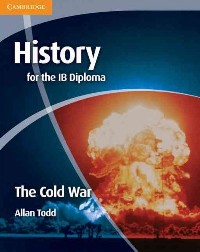
An exciting new series that covers the five Paper 2 topics of the IB 20th Century World History syllabus. This stimulating coursebook covers Paper 2, Topic 5, The Cold War, in the 20th Century World History syllabus for the IB History programme. The book is divided into thematic sections, following the IB syllabus structure and is written in clear, accessible English. It covers the following areas for detailed study: Wartime conferences: Yalta and Potsdam; US policies and developments in Europe: Truman Doctrine, Marshall Plan, NATO; Soviet policies: Sovietisation of Eastern and Central Europe, COMECON, Warsaw Pact; Sino-Soviet relations; US-Chinese relations; Germany; and Castro, Gorbachev, Kennedy, Mao, Reagan, Stalin, Truman.
目录
Table Of Contents:
1 Introduction 5(8)
2 Nature of the Cold War 13(31)
What is meant by the term `Cold War'? 14(2)
What were the main phases of the Cold War? 16(6)
What were the main features of the Cold War? 22(22)
3 Origins of the Cold War 44(24)
What were the origins of the Cold War? (Long-term causes, 1917-41) 45(8)
Why did the Cold War begin? (Short-term causes, 1942-45) 53(8)
Who was to blame for the Cold War? 61(7)
4 The First Cold War (1946-53) 68(38)
Unit 1 Developments in Europe 69(1)
How far was 1946 a turning point? 70(3)
How important were the Truman Doctrine and the Marshall Plan? 73(3)
What were the main points of tension in Europe from 1947 to 1949? 76(7)
How did the First Cold War develop in Europe from 1949 to 1953? 83(7)
Unit 2 Developments in Asia and Indochina 88(2)
What attitude did the US take to communism in China before 1949? 90(1)
How did the communist victory in China in 1949 affect the Cold War? 91(3)
To what extent was the Korean War caused by Cold War factors? 94(6)
What were the consequences of the Korean War for the Cold War? 100(6)
5 Fluctuating relations (1953-68) 106(44)
Unit 1 Developments in Europe 107(1)
To what extent did relations between the two camps begin to alter in the period 1953-55? 108(2)
How did Khrushchev's `Peaceful Coexistence' differ from previous Soviet foreign policy? 110(6)
What impact did the fall of Khrushchev have on the Cold War? 116(2)
How significant were events in Czechoslovakia in 1968 for East-West relations? 118(3)
Unit 2 Developments in Asia 120(1)
Why did the US get involved in Vietnam after 1954? 121(7)
What impact did Indochina have on the Cold War? 128(2)
Why did US involvement in Vietnam increase after 1964? 130(4)
Unit 3 Developments in the Americas 133(1)
Why did the US consider Cuba so important? 134(4)
Why did the Cuban Missile Crisis happen? 138(6)
What impact did the Cuban Revolution have on the Cold War? 144(6)
6 From detente to the Second Cold War (1969-85) 150(38)
Unit 1 Developments in Europe and the Middle East 151(1)
Did detente mark the end of the First Cold War, or was it merely a new phase? 152(5)
Why did a Second Cold War begin in 1979? 157(5)
How did the Second Cold War differ from the First Cold War? 162(6)
Unit 2 Developments in Africa and the Americas 168(1)
How did the Cold War develop in Africa in the 1970s? 168(1)
How did developments in Latin America and the Caribbean affect the Cold War? 169(3)
Unit 3 Developments in Asia 172(1)
Why did the US decide to withdraw from Vietnam? 172(2)
How important was the US-Sino rapprochement during the 1970s in shaping developments in the Cold War? 174(2)
What effect did the Vietnam War have on US foreign policy in the Cold War after 1975? 176(1)
Was the Soviet intervention in Afghanistan the main reason for the start of the Second Cold War? 177(11)
7 The end of the Cold War (1985-91) 188(24)
What role did Gorbachev play in ending the Second Cold War? 190(2)
How significant was the US response and Reagan's role? 192(5)
How important were Soviet economic problems? 197(1)
How important was the collapse of Eastern European regimes in ending the Cold War? 198(6)
How did Gorbachev help end Cold War tensions in Asia, the Americas and Africa? 204(1)
Was the end of the Cold War also the end of the `Great Contest'? 205(7)
8 Exam practice 212(23)
Paper 1 Exam Practice 213(11)
Paper 2 Exam Practice 224(11)
Further information 235(1)
Index 236(4)
Acknowledgements 240
1 Introduction 5(8)
2 Nature of the Cold War 13(31)
What is meant by the term `Cold War'? 14(2)
What were the main phases of the Cold War? 16(6)
What were the main features of the Cold War? 22(22)
3 Origins of the Cold War 44(24)
What were the origins of the Cold War? (Long-term causes, 1917-41) 45(8)
Why did the Cold War begin? (Short-term causes, 1942-45) 53(8)
Who was to blame for the Cold War? 61(7)
4 The First Cold War (1946-53) 68(38)
Unit 1 Developments in Europe 69(1)
How far was 1946 a turning point? 70(3)
How important were the Truman Doctrine and the Marshall Plan? 73(3)
What were the main points of tension in Europe from 1947 to 1949? 76(7)
How did the First Cold War develop in Europe from 1949 to 1953? 83(7)
Unit 2 Developments in Asia and Indochina 88(2)
What attitude did the US take to communism in China before 1949? 90(1)
How did the communist victory in China in 1949 affect the Cold War? 91(3)
To what extent was the Korean War caused by Cold War factors? 94(6)
What were the consequences of the Korean War for the Cold War? 100(6)
5 Fluctuating relations (1953-68) 106(44)
Unit 1 Developments in Europe 107(1)
To what extent did relations between the two camps begin to alter in the period 1953-55? 108(2)
How did Khrushchev's `Peaceful Coexistence' differ from previous Soviet foreign policy? 110(6)
What impact did the fall of Khrushchev have on the Cold War? 116(2)
How significant were events in Czechoslovakia in 1968 for East-West relations? 118(3)
Unit 2 Developments in Asia 120(1)
Why did the US get involved in Vietnam after 1954? 121(7)
What impact did Indochina have on the Cold War? 128(2)
Why did US involvement in Vietnam increase after 1964? 130(4)
Unit 3 Developments in the Americas 133(1)
Why did the US consider Cuba so important? 134(4)
Why did the Cuban Missile Crisis happen? 138(6)
What impact did the Cuban Revolution have on the Cold War? 144(6)
6 From detente to the Second Cold War (1969-85) 150(38)
Unit 1 Developments in Europe and the Middle East 151(1)
Did detente mark the end of the First Cold War, or was it merely a new phase? 152(5)
Why did a Second Cold War begin in 1979? 157(5)
How did the Second Cold War differ from the First Cold War? 162(6)
Unit 2 Developments in Africa and the Americas 168(1)
How did the Cold War develop in Africa in the 1970s? 168(1)
How did developments in Latin America and the Caribbean affect the Cold War? 169(3)
Unit 3 Developments in Asia 172(1)
Why did the US decide to withdraw from Vietnam? 172(2)
How important was the US-Sino rapprochement during the 1970s in shaping developments in the Cold War? 174(2)
What effect did the Vietnam War have on US foreign policy in the Cold War after 1975? 176(1)
Was the Soviet intervention in Afghanistan the main reason for the start of the Second Cold War? 177(11)
7 The end of the Cold War (1985-91) 188(24)
What role did Gorbachev play in ending the Second Cold War? 190(2)
How significant was the US response and Reagan's role? 192(5)
How important were Soviet economic problems? 197(1)
How important was the collapse of Eastern European regimes in ending the Cold War? 198(6)
How did Gorbachev help end Cold War tensions in Asia, the Americas and Africa? 204(1)
Was the end of the Cold War also the end of the `Great Contest'? 205(7)
8 Exam practice 212(23)
Paper 1 Exam Practice 213(11)
Paper 2 Exam Practice 224(11)
Further information 235(1)
Index 236(4)
Acknowledgements 240
- 名称
- 类型
- 大小
光盘服务联系方式: 020-38250260 客服QQ:4006604884
云图客服:
用户发送的提问,这种方式就需要有位在线客服来回答用户的问题,这种 就属于对话式的,问题是这种提问是否需要用户登录才能提问
Video Player
×
Audio Player
×
pdf Player
×
