

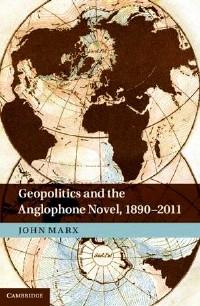
简介
Literary fiction is a powerful cultural tool for criticizing governments and for imagining how better governance and better states would work. Combining political theory with strong readings of a vast range of novels, John Marx shows that fiction over the long twentieth century has often envisioned good government not in Utopian but in pragmatic terms. Early-twentieth-century novels by Joseph Conrad, E. M. Forster and Rabindrananth Tagore helped forecast world government after European imperialism. Twenty-first-century novelists such as Monica Ali, Chimamanda Ngozi Adichie, Michael Ondaatje and Amitav Ghosh have inherited that legacy and continue to criticize existing policies in order to formulate best practices on a global scale. Marx shows how literature can make an important contribution to political and social sciences by creating a space to imagine and experiment with social organization.
目录
Introduction: the novel's administrative turn; 1. Fiction after liberalism; 2. How literature administers 'failed' states; 3. The novelistic management of inequality in the age of meritocracy; 4. Entrepreneurship and imperial politics in twentieth-century historical fiction; 5. Women as economic actors in contemporary and modernist novels; Postscript: the literary politics of being well attached; Bibliography; Index.
- 名称
- 类型
- 大小
光盘服务联系方式: 020-38250260 客服QQ:4006604884
云图客服:
用户发送的提问,这种方式就需要有位在线客服来回答用户的问题,这种 就属于对话式的,问题是这种提问是否需要用户登录才能提问
Video Player
×
Audio Player
×
pdf Player
×
